
Choosing the perfect bag for a souvenir requires matching the packaging material to the physical characteristics of the item itself. The ideal choice depends on the souvenir’s weight, fragility, moisture sensitivity, and shape. By evaluating these physical traits before selecting a bag, you ensure that your gift remains secure, fresh, and visually appealing from the moment it is handed over to when it is opened.
Souvenirs generally fall into four main categories: edible treats, fragile keepsakes, clothing or textiles, and decorative or oddly shaped pieces. Each category presents distinct packaging challenges, particularly in tropical climates where humidity can affect both the souvenir and the structural integrity of paper packaging. A systematic decision framework—assessing the item’s weight, dimensions, and vulnerability to moisture—will guide you to the correct bag material and size.
Matching Bag Materials to Souvenir Categories
Selecting the right bag material is the first line of defense in protecting your souvenir. Different materials offer varying levels of weight capacity, moisture resistance, and breathability. For instance, a heavy ceramic item demands a sturdy, rigid container, while delicate pastries require greaseproof barriers to prevent unsightly stains.
Products mentioned in this guide
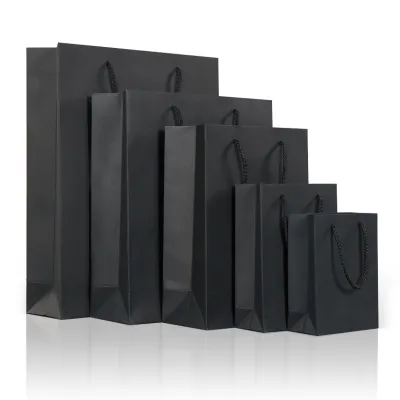
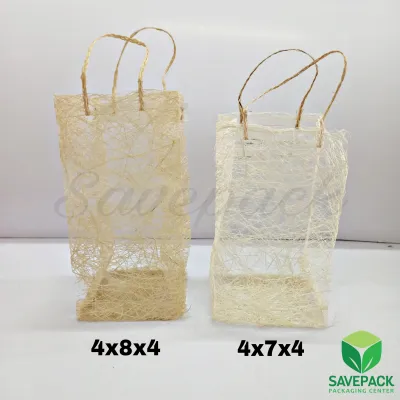
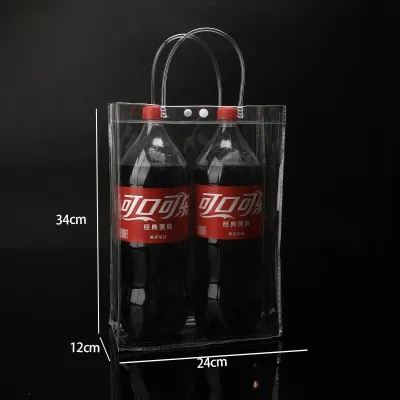
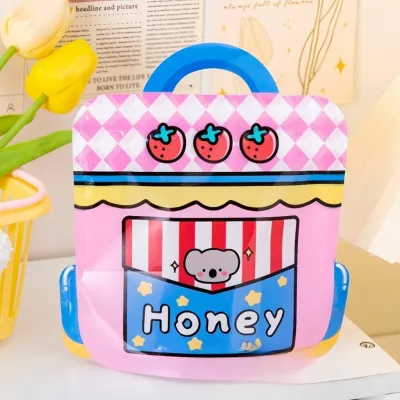
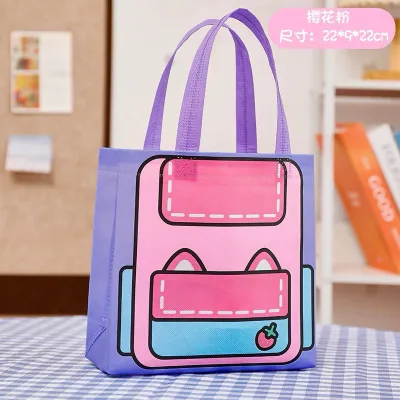
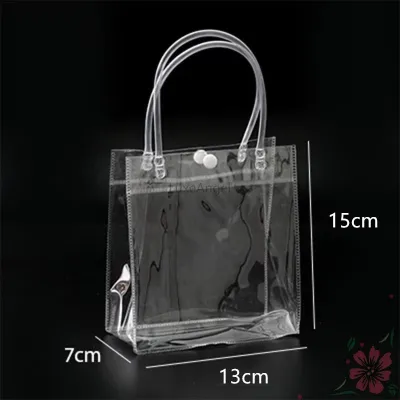
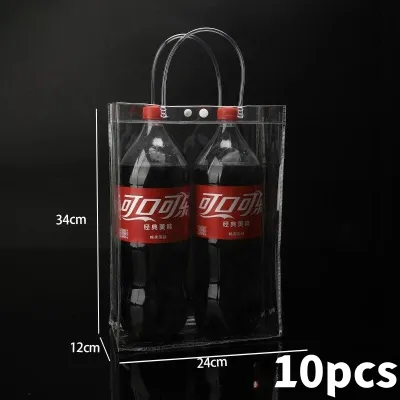
Prices are valid at publication and may change. Please refer to the product page for the latest price.
Standard packaging options include kraft paper, glossy laminated paper, fabric, and cellophane, each serving a specific purpose. Kraft paper offers excellent structural integrity and a rustic aesthetic but lacks moisture resistance unless treated. Glossy laminated paper provides a polished look and moderate water resistance against light rain or high humidity, making it highly versatile. Fabric bags, such as canvas or organza, offer durability and breathability, while cellophane is ideal for showcasing visual items while keeping dust and moisture out.
Food and Edible Souvenirs
Edible souvenirs, such as local pastries, dried fruits, or traditional sweets, require careful packaging to maintain freshness and prevent grease from seeping through the bag. When selecting a bag for food items, always check for food-grade liners or greaseproof properties. If the bag itself is not food-safe, use an inner wrapper like wax paper or a sealed plastic sleeve before placing the item inside the gift bag.
The balance between breathability and moisture barriers is critical depending on the food type. For freshly baked goods, a slightly breathable paper bag prevents condensation from making the crust soggy. Conversely, dried snacks or sugary confections need a tight moisture barrier, such as a sealed cellophane bag, to prevent the humid tropical air from turning them sticky or stale.
Fragile and Breakable Items
Delicate souvenirs like glass ornaments, ceramic mugs, or clay pottery require bags with exceptional structural support to prevent bottom blowouts and tearing. Prioritize bags made from thick paper stock, such as heavy cardstock or reinforced kraft paper, which maintain their shape under pressure. Look for bags with rigid cardboard bases inserted at the bottom and sturdy, reinforced handles that will not snap under tension.
The dimensions of the bag must allow adequate empty space around the item to accommodate protective cushioning. Never squeeze a fragile item into a tight bag; instead, choose a size that leaves at least two to three centimeters of clearance on all sides. This extra space is essential for layering bubble wrap, tissue paper, or crinkle-cut paper filler to absorb shocks during transit.
Clothing and Textiles
Woven items, t-shirts, and traditional handwoven textiles are flexible but still require thoughtful packaging to prevent excessive creasing and dust accumulation. Fabric bags, such as cotton pouches or linen drawstring bags, are excellent choices for apparel because they breathe naturally and can be reused by the recipient. Alternatively, thick paper bags with wide openings allow you to slide folded garments in flat, minimizing wrinkles.
When packaging textiles, evaluate whether you need simple transport convenience or long-term dust protection. If the souvenir will be traveled with over long distances, a bag with a secure closure, such as a zipper, drawstring, or fold-over flap, is preferable. For simple hand delivery, an open-top paper bag with soft ribbon handles provides an elegant and accessible presentation.
Decorative and Oddly Shaped Pieces
Irregularly shaped souvenirs, such as wood carvings, woven baskets, or protruding decorative sculptures, present unique spatial challenges. Standard flat paper bags often tear when forced to accommodate sharp corners or wide bases. For these items, look for gusseted bags, which feature expandable sides and bottoms that open up to accommodate uneven widths and bulky shapes.
In cases where a decorative piece is highly irregular or top-heavy, a standard bag alone may not provide enough structural integrity. Consider using a custom box-and-bag combination, where the item is first secured inside a rigid cardboard box, which is then placed inside a matching gift bag. This dual-layer approach protects protruding elements from snapping and ensures the bag sits flat on flat surfaces.
Sizing and Structural Checks for Secure Packaging
Before finalizing your packaging choice, performing a physical measurement and structural check is essential to prevent accidents during transport. Begin by measuring the souvenir’s maximum length, width, and height using a ruler or measuring tape. When comparing these dimensions to a bag’s specifications, add an extra allowance of at least three to five centimeters to account for the bag’s gussets, handle attachments, and the space needed to fold or seal the top.

Next, inspect the handle attachments and base construction of the bag to identify potential weak points. Handles can be glued, stitched, or made of twisted paper threaded through metal eyelets. Stitched handles and metal eyelets generally offer the highest weight capacity, while simple glued paper handles are best reserved for lightweight items. Examine the bottom seam of the bag; a high-quality bag will feature a clean, double-folded seam with no visible gaps or peeling adhesive.
Finally, verify the weight limit of the bag to ensure it can handle the load. While some manufacturers print weight limits on the packaging, you can perform a simple physical stress test at home. Place an object of similar weight into the bag and gently lift it a few inches above a soft surface, such as a bed or sofa. Observe how the bottom of the bag behaves; if the paper bows excessively or the handles stretch tautly, transition to a thicker bag material or reinforce the base.
Enhancing the Presentation with Wrapping Supplies
The interior of the gift bag is just as important as the exterior, both for aesthetic appeal and item security. Using complementary wrapping supplies helps stabilize the souvenir inside the bag, preventing it from shifting or tipping over during travel. Tissue paper is a classic choice; crumple several sheets at the bottom of the bag to act as a shock-absorbing cushion, then wrap the item loosely in matching sheets before placing it inside.
For heavier or more delicate items, crinkle-cut paper filler or shredded paper provides superior structural support. This dense filler packs tightly around the base of the item, holding it firmly in place while adding a premium, textured look to the presentation. Choose colors that complement the bag’s exterior design, opting for neutral kraft tones for a rustic look or vibrant shades for festive occasions.
To complete the presentation, select ribbons, bows, or gift tags that match the texture of the bag. A rustic kraft paper bag pairs beautifully with natural jute twine or cotton ribbon, while a glossy laminated bag benefits from the elegant sheen of satin or organza ribbon. Secure the top of the bag with a decorative seal or sticker to keep the contents private and protected from dust, ensuring the sticker adhesive is strong enough to hold but gentle enough not to tear the bag material upon opening.
Frequently Asked Questions (FAQ)
Can I reuse a gift bag for a different type of souvenir?
Yes, you can reuse a gift bag, provided it passes a thorough structural inspection. Check the bag for signs of wear, such as torn handles, creased bases, or weakened glue points along the seams. If the bag previously held greasy, moist, or strongly scented food items, avoid reusing it for non-food gifts or delicate textiles, as residual oils and odors can easily transfer and ruin the new souvenir.
How do I prevent a heavy souvenir from tearing the bottom of a paper bag?
To prevent a heavy souvenir from tearing through the bottom of a paper bag, you can easily reinforce the base. Cut a rigid piece of cardboard or thick cardstock to match the exact dimensions of the bag’s bottom and slide it inside to distribute the weight evenly across the entire surface. Additionally, when lifting or carrying the bag, always support the bottom with your hand or forearm rather than relying solely on the handles.
Community discussion
Share your experience or ask a question. Comments are reviewed before publication.