
Choosing the right gift bags for celebrations in the Philippines requires balancing vibrant local aesthetics, tropical climate considerations, and structural durability. Gift-giving is a central pillar of Filipino culture, serving as a tangible expression of gratitude, respect, and shared joy. Whether you are preparing for an intimate family gathering or a grand community event, selecting a bag that matches the occasion’s mood ensures your gesture is received with appreciation.
Beyond aesthetics, the physical environment plays a significant role in your choice. High humidity levels can soften low-grade paper, while sudden tropical downpours require sturdy carrying handles and resilient materials. By understanding how to align design themes, material strengths, and presentation etiquette, you can elevate any simple present into a beautifully wrapped token of affection.
Matching Gift Bag Styles to Major Celebrations
Every major milestone in the Philippines carries its own distinct atmosphere, which should be reflected in the packaging you choose. Aligning the visual theme of your gift bags with the specific celebration shows a high level of thoughtfulness and respect for the recipient.
Products mentioned in this guide
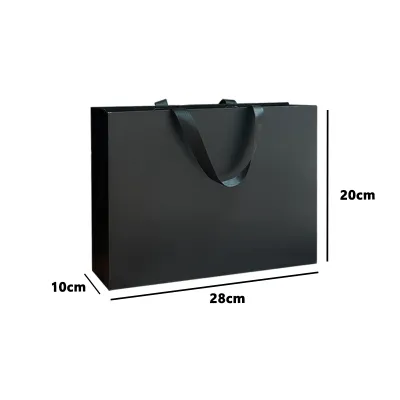
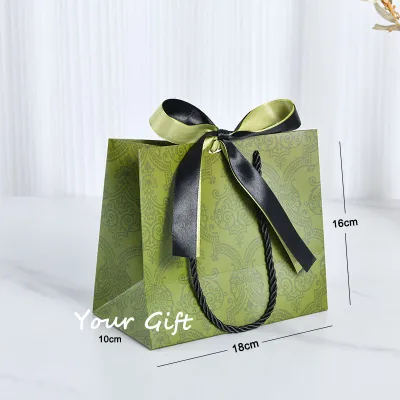
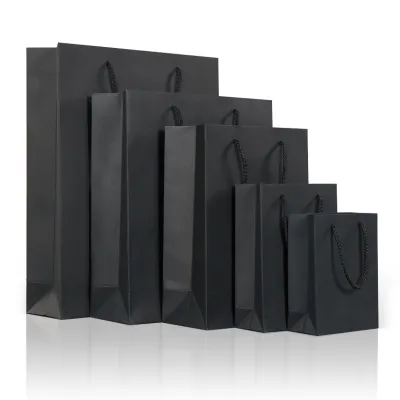
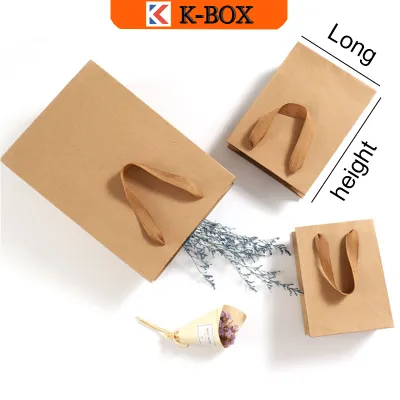
Prices are valid at publication and may change. Please refer to the product page for the latest price.
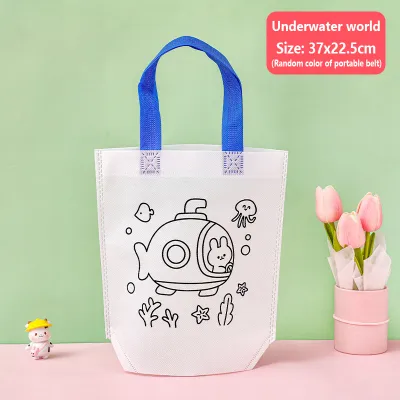
For birthdays, focus on the recipient’s age, personality, and personal interests. Children’s birthday gifts call for vibrant primary colors, playful patterns, and whimsical illustrations like cartoon characters, animals, or sports themes. For adults, transition to sophisticated geometric patterns, elegant monochromatic schemes, or subtle metallic accents that feel mature yet celebratory.
Weddings demand a refined, sophisticated aesthetic that honors the couple’s special day. Opt for gift bags made from high-quality matte paper or textured linen-finish cardstock in neutral, pastel, or earthy tones. Soft blush, cream, champagne, and sage green are excellent choices, especially when paired with minimalist foliage prints or delicate gold foil lettering.
Christmas is the longest and most anticipated festive season in the country, requiring packaging that matches its grand scale. Traditional palettes of deep red, forest green, and shimmering gold instantly evoke holiday warmth and nostalgia. If you prefer a modern twist, look for deep blues paired with silver accents, or stylized tropical winter motifs that celebrate a warm, local holiday season.
Fiestas and local community festivals are defined by high energy, music, and shared abundance. Gift bags for these occasions should mirror this lively spirit with bright, saturated colors like sunny yellow, vibrant orange, and royal blue. Tropical floral patterns, fiesta banderitas motifs, or designs celebrating local harvests and community pride are highly appropriate for these joyful gatherings.
Selecting the Right Size and Material for Your Gifts
A beautiful design can easily be undermined if the bag fails structurally or looks disproportionate to the item inside. Matching the physical dimensions and weight of your present to the structural capacity of the bag is essential for a polished presentation.

Before purchasing, measure the length, width, and height of your gift. A bag that is too small will bulge, stretch the seams, or expose the top of the item, while an oversized bag makes the gift look neglected and allows it to slide around destructively. Aim for a bag that provides at least two to three centimeters of clearance on all sides, allowing the item to slide in and out smoothly.
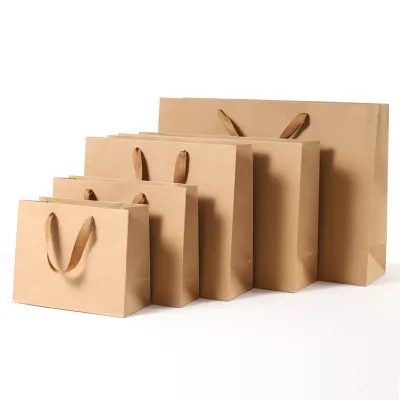
The weight of the gift dictates the material you should choose. Standard glossy paper bags are highly accessible and work beautifully for lightweight items like clothing, stationery, or plush toys. For heavier items such as books, artisanal food jars, or home decor, opt for thick Kraft paper or non-woven fabrics, which offer superior tensile strength and resist tearing under moderate tension.
Fragile items require extra structural support to survive transport. When gifting delicate glassware, ceramics, or bottled items, choose rigid, thick-walled gift bags with reinforced bases. Always line the bottom and sides of the bag with crumpled tissue paper, shredded paper, or bubble wrap to absorb external shocks and keep the item securely upright.
Cultural Nuances and Presentation Etiquette
In the Philippines, the presentation of a gift is often viewed as a reflection of the giver’s respect for the recipient. Paying attention to subtle cultural preferences and finishing touches ensures your gift is received with genuine warmth.
Color choices carry subtle emotional associations that can influence how a gift is perceived. Bright, warm colors like red, gold, and orange are universally associated with prosperity, good fortune, and happiness, making them ideal for weddings, housewarmings, and Chinese New Year. Conversely, solid black, dark gray, or overly plain, unadorned white bags should generally be avoided for joyous occasions, as they can inadvertently carry a somber or formal tone.
Elevating a simple bag into a memorable presentation relies on thoughtful finishing touches. Threading a coordinating satin, grosgrain, or organza ribbon through the handles adds an instant touch of luxury. Attaching a personalized, handwritten gift tag allows you to express your wishes directly, while a small sprig of dried flowers or a piece of natural abaca twine can add a beautiful rustic charm.
Sustainability is increasingly valued by modern Filipino households, who frequently save and reuse high-quality packaging. Choosing durable, premium materials ensures the bag can be repurposed for future gifting cycles. To facilitate this eco-friendly practice, avoid writing your personal messages directly on the surface of the bag; instead, write on a detachable gift tag that the recipient can easily remove.
Sourcing and Customizing Gift Bags
Finding the perfect packaging involves knowing where to shop and what quality markers to look for, especially if you are preparing gifts in large quantities.
You can find a diverse selection of gift bags at local stationery shops, specialty gift stores, official brand outlets, and online marketplaces. When sourcing bags online, pay close attention to customer reviews regarding material thickness and handle durability to ensure the product matches your expectations.
For large-scale events like weddings, family reunions, or corporate giveaways, custom-printed bags offer a highly personalized touch. When ordering custom designs, verify the print clarity with the supplier and ensure the handles are reinforced with metal eyelets or double-stitching. Always factor in production and shipping lead times to ensure your custom order arrives well before the scheduled celebration.
Before placing your gift inside any bag, perform a quick quality inspection to prevent embarrassing mishaps. Examine the bottom gusset to confirm the glue is fully cured and secure, and pull gently on the handles to verify they are firmly anchored. Checking the side seams for any signs of splitting ensures your gift remains safe and intact from the moment you hand it over to the final recipient.
Frequently Asked Questions (FAQ)
Can I reuse gift bags for different occasions?
Yes, reusing gift bags is an excellent, eco-friendly practice. Before reusing a bag, inspect it thoroughly for deep creases, water stains, frayed handles, or weakened bottom seams. To make future reuse easier, consider purchasing bags with neutral, non-seasonal patterns or solid pastel and jewel tones, as these versatile designs can transition seamlessly between birthdays, anniversaries, and housewarmings.
How do I prevent a gift bag from tearing with heavy items?
To prevent a paper gift bag from tearing under the weight of heavy items, you can reinforce the base by cutting a piece of stiff cardboard to fit the bottom dimensions exactly. This distributes the weight of the item evenly across the bottom gusset rather than concentrating pressure on a single point. For exceptionally heavy gifts like books, potted plants, or glassware, bypass paper entirely and opt for bags made of canvas, thick non-woven fabric, or those equipped with heavy-duty rope handles.

Community discussion
Share your experience or ask a question. Comments are reviewed before publication.