
Choosing the right gift wrapper paper size is a matter of simple geometry and material selection. When you measure your gift accurately and apply shape-specific formulas, you eliminate the frustration of paper that will not quite meet at the edges or the waste of massive, awkward offcuts. In tropical environments where humidity can soften paper fibers and weaken standard adhesives, getting the dimensions right on the first cut is even more critical to prevent tearing and peeling.
By taking a systematic approach to measuring, cutting, and folding, you can transform wrapping from a guessing game into a precise, satisfying craft. Whether you are dealing with a standard rectangular box, a delicate cylinder, or an oddly shaped toy, understanding how to calculate the exact surface area and allowance margins ensures a clean, professional finish every time.
Essential Tools for Measuring and Cutting
Before you unroll your gift wrapper paper, gather the essential stationery tools required for a precise job. Having the right instruments on hand prevents jagged edges, uneven folds, and wasted material.
Products mentioned in this guide
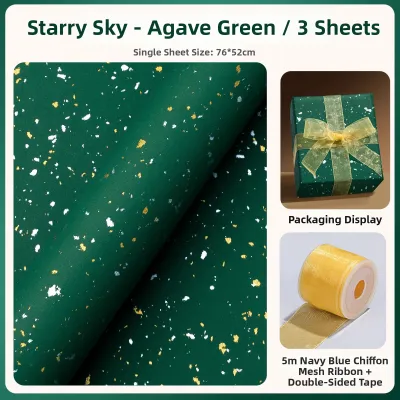
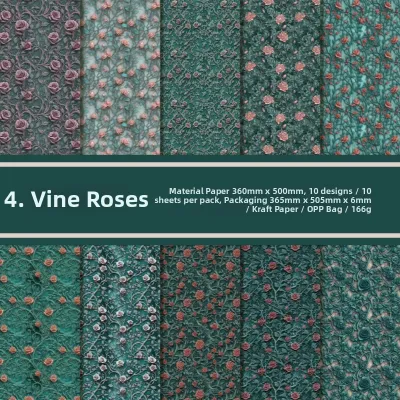
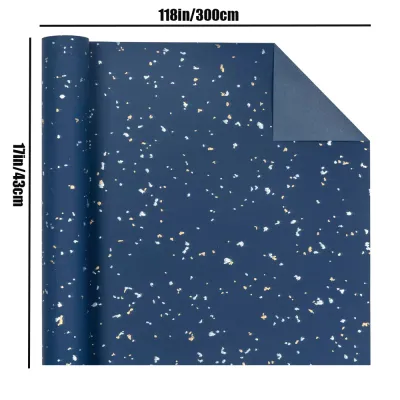
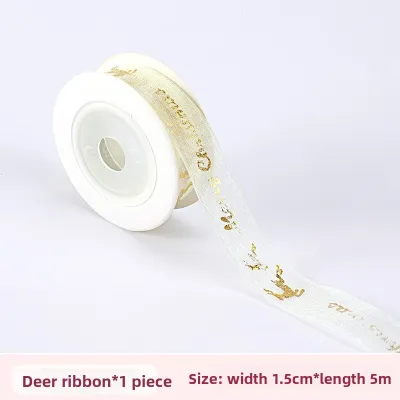
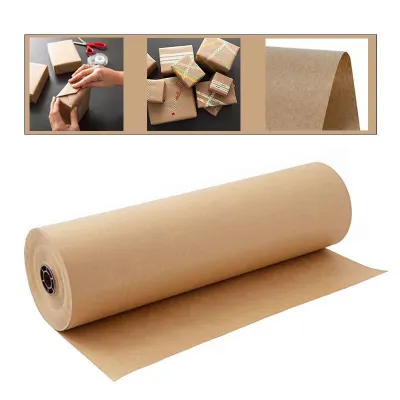
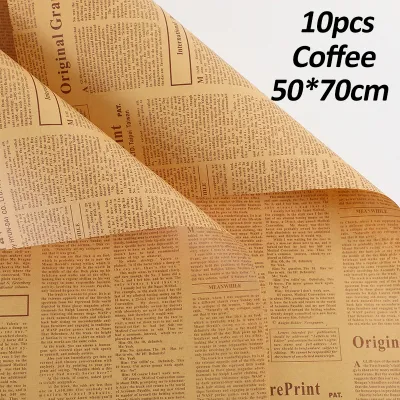
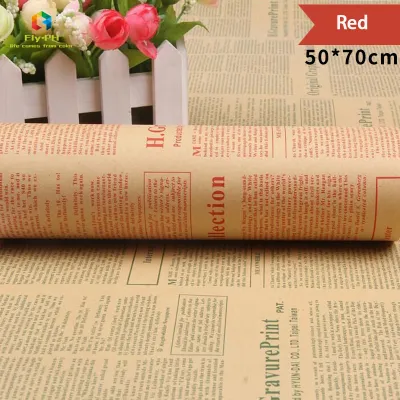
Prices are valid at publication and may change. Please refer to the product page for the latest price.
A flexible measuring tape is the most versatile tool for this task, as it easily contours around curved edges and irregular shapes. If you only have a rigid metal or wooden ruler, you can use a piece of non-elastic string to wrap around the item, mark the length, and then measure the string against the ruler.
For cutting, use sharp stationery scissors dedicated to paper. Dull blades will drag and tear the paper fibers, especially in humid conditions where the paper may have absorbed ambient moisture. When cutting, always work on a flat, stable surface like a clean table, keeping your fingers well clear of the blade path to ensure safety.
To secure the paper, high-tack double-sided tape is highly recommended for a seamless, professional look. Standard single-sided tape can look messy and may peel off easily if the paper is thick or stiff. Finally, keep a light graphite pencil nearby to mark your cutting lines on the reverse side of the paper, ensuring no marks are visible on the finished gift.
The Basic Formula for Calculating Paper Dimensions
To wrap a standard square or rectangular box without wasting material, you must calculate two primary dimensions: the width of the paper roll and the length of the cut sheet. This formula ensures that the paper wraps completely around the box with a secure overlap, while the ends fold in neatly without creating bulky, unsightly bunches.

To find the required paper width, use this formula: $$\text{Paper Width} = \text{Box Width} + (2 \times \text{Box Height}) + \text{Overlap Allowance}$$ For the overlap allowance, add an extra 3 to 5 centimeters. This ensures that when you fold the paper over the sides of the box, the edges meet and overlap slightly, leaving no gaps through which the box can be seen.
To find the required paper length, use this formula: $$\text{Paper Length} = \text{Box Length} + (2 \times \text{Box Height}) + \text{Fold Allowance}$$ The fold allowance should be approximately 2 to 3 centimeters. This extra length allows you to fold the raw cut edge under itself for a clean, hemmed seam before taping it down, which prevents the paper from fraying or tearing.
When applying these formulas, you must adjust your allowances based on the thickness and stiffness of your gift wrapper paper. Thick, heavy-duty kraft paper or textured foil papers consume more material at the corners during folding, so you should add an extra centimeter to both the width and length calculations. Conversely, thin, glossy papers fold very tightly, allowing you to stick closer to the minimum measurements.
Adjusting Sizes for Different Gift Shapes
Standard rectangular formulas work beautifully for boxes, but they fail when applied to spheres, cylinders, or irregular items. When a gift lacks flat faces and 90-degree angles, standard folding techniques will cause the paper to bunch, crease, or tear.
To wrap non-rectangular items successfully, you must adapt your measurements and folding techniques. This involves calculating dimensions based on curves rather than flat planes, and utilizing alternative gathering methods to handle excess paper gracefully.
Cylindrical and Round Gifts
Cylindrical gifts, such as bottles of local fruit wines, jars of preserves, or poster tubes, require a different mathematical approach. Instead of measuring width and length in the traditional sense, you must determine the paper dimensions based on the cylinder’s circumference and height.
To find the required paper width, measure the circumference of the cylinder at its widest point using your flexible measuring tape, then add 5 centimeters for a secure overlap. To find the required paper length, measure the height of the cylinder, then add the value of the cylinder’s diameter (or twice the radius) plus an extra 2 centimeters for folding.
When wrapping, roll the cylinder along the width of the paper and secure the seam. For the ends, if the paper is too stiff to fold flat against the circular base in neat, concentric pleats, you can gather the excess paper at the top and bottom. Secure these gathered ends tightly with decorative ribbon or twine, creating a classic cracker-style or bottle-neck finish that accommodates the shape without tearing.
Flat and Irregularly Shaped Items
Flat items like softcover books, thin calendars, or art prints, as well as highly irregular items like plush toys and molded plastic figures, present unique wrapping challenges. Flat items have very sharp, thin edges that can easily slice through lightweight wrapping paper if the paper is pulled too tight.
To protect flat items, add a rigid backing, such as a thick piece of cardboard, or place the item inside a secondary cardboard box before wrapping. This adds structure and prevents the sharp corners of the item from puncturing the paper. When measuring flat items, still use the standard box formula, treating the thickness of the item as the height.
For highly irregular shapes, wrapping directly in stiff paper often results in an untidy, crumpled appearance. Instead, wrap the irregular item in several layers of soft tissue paper first. This cushions the sharp protrusions and creates a more uniform, rounded base that is much easier to wrap. If the shape is exceptionally complex with multiple protruding parts, it is best to abandon traditional paper wrapping altogether and opt for a reusable gift bag filled with decorative tissue paper.
Strategies to Minimize Paper Waste and Seam Splicing
Minimizing paper waste is both an environmental consideration and a practical way to save money. In local stationery shops, a single premium sheet of gift wrapper paper might cost ₱30 to ₱50, while a bulk jumbo roll can range from ₱150 to ₱300. If you wrap gifts frequently, purchasing jumbo rolls is generally more cost-effective per meter, but you must store them properly in a dry, cool place to prevent the edges from curling or absorbing moisture.
If you have a piece of paper that is slightly too narrow to cover a square or rectangular box using the standard method, you can use the diagonal wrapping method. By rotating the box 45 degrees relative to the paper, you can often cover the entire item using up to 20% less paper. This geometric trick works because it utilizes the longer diagonal dimension of the paper sheet to cover the widest parts of the box.
When you are left with odd-sized scraps that are too small for your current gift, do not throw them away. You can use a technique called invisible splicing to join two smaller sheets together. Align the patterns carefully, fold the raw edge of the top sheet under by 1 centimeter to create a clean hem, and join them on the reverse side using high-tack double-sided tape. Position the spliced seam so that it sits on the bottom or back of the gift box, making it virtually invisible to the recipient.
Common Mistakes to Avoid When Sizing Wrapping Paper
Even with the correct measurements, small execution errors can ruin your wrapping job and lead to wasted material. One of the most common mistakes is failing to account for pattern directionality. If your gift wrapper paper features a directional print, such as upright pine trees, cartoon characters, or text, you must ensure the pattern runs vertically across the face of the gift. Always orient the box correctly on the paper before making any cuts.
Another frequent error is cutting the paper before visually verifying the fit. Never rely solely on your written measurements without doing a quick dry-fit. Unroll the paper, place the gift on top, and pull the paper up and over the sides to visually confirm that the edges overlap comfortably before you pick up your scissors.
Finally, avoid leaving insufficient overlap for thick, heavy, or awkwardly balanced items. Heavy gifts exert more pressure on the paper seams when lifted. If your overlap is too narrow—such as less than 2 centimeters—the tension can cause the tape to pull away from the paper fibers, causing the wrap to burst open. For substantial items, always err on the side of caution and allow a generous 5-centimeter overlap secured with heavy-duty double-sided tape.
Frequently Asked Questions (FAQ)
What is the standard width of a gift wrapper paper roll?
Standard gift wrapper paper rolls typically come in widths ranging from 50 centimeters to 76 centimeters (approximately 20 to 30 inches). Half-size rolls, often used for smaller items like jewelry boxes or books, are usually around 38 centimeters wide. Before purchasing a roll at a stationery store, check the product specifications printed on the label to ensure the width can accommodate the height and width of your largest gifts based on the standard formulas.
How does the diagonal wrapping method save paper?
The diagonal wrapping method saves paper by placing the gift box at a 45-degree angle relative to the square or rectangular sheet of paper. This orientation allows the corners of the paper to fold over the sides of the box, meeting in the center like an envelope. Because the diagonal of a square is always longer than its sides, this technique allows you to wrap a larger box with a smaller sheet of paper than would be possible using parallel alignment. However, this method is best suited for flat, square, or shallow rectangular boxes, and is difficult to apply to very tall or deep items.
Community discussion
Share your experience or ask a question. Comments are reviewed before publication.