
Selecting the perfect glossy Christmas wrapper in the Philippines is more than just a quick holiday chore; it is an essential part of the gifting experience. A beautifully wrapped present under the tree builds anticipation and shows your loved ones that you cared about every detail of their gift. However, the tropical climate and unique holiday environment present specific challenges that can turn a simple wrapping session into a frustrating ordeal if you choose the wrong materials. High humidity can soften paper fibers, causing cheap wrappers to tear easily, while intense holiday lighting can create harsh glares on low-quality glossy coatings.
To ensure your gifts look pristine from the moment they are wrapped until they are opened on Christmas Eve, you must know what quality indicators to look for. Evaluating glossy wrapping paper involves analyzing the type of finish, the paper’s weight, its structural durability, and how its design scale matches your gifts. By understanding these key factors, you can confidently navigate the crowded aisles of local stationery shops and online marketplaces to find a wrapper that is both visually stunning and easy to work with.
Understanding Glossy Finishes and Paper Weight
Glossy wrapping papers vary significantly in their level of sheen, texture, and light reflection. High-gloss finishes offer a mirror-like reflection that makes festive colors pop with maximum intensity, though they are highly prone to showing fingerprints and tape smudges. Semi-gloss finishes strike a balance, offering a noticeable sheen with a slightly softer reflection that hides minor handling imperfections. Satin finishes provide a subtle, elegant luster with a velvety texture, making them ideal for sophisticated, minimalist holiday designs.
Products mentioned in this guide
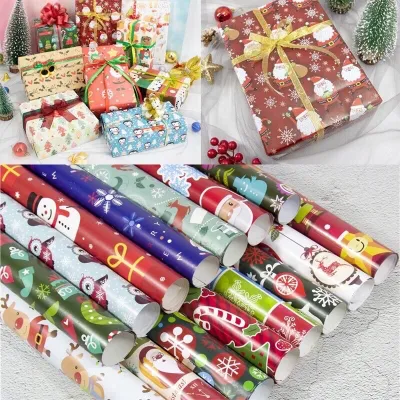
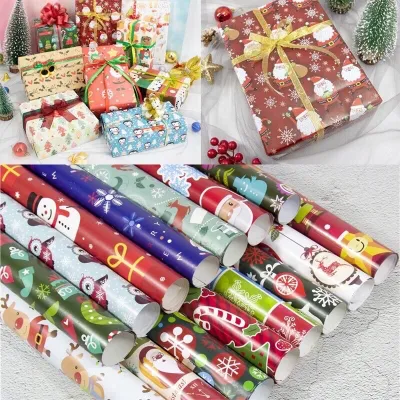
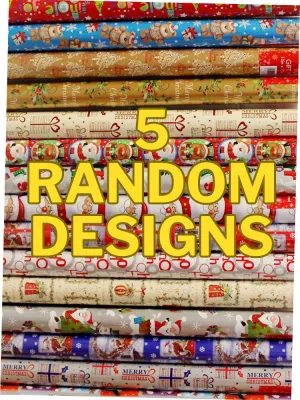
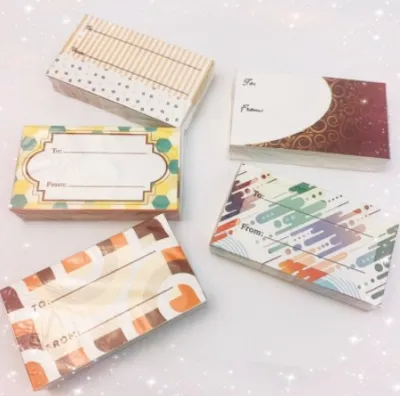
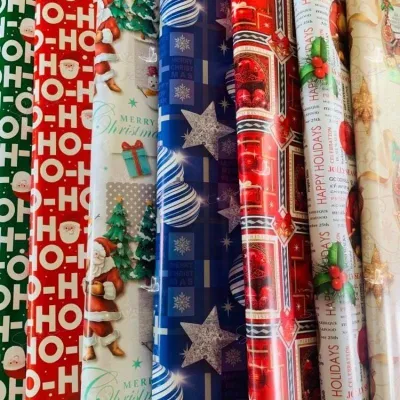
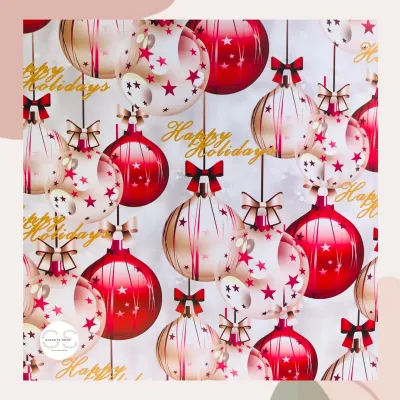
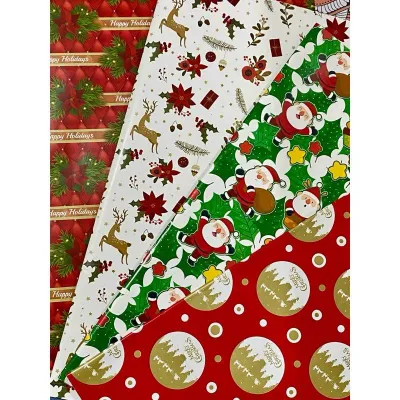
Prices are valid at publication and may change. Please refer to the product page for the latest price.
Paper weight, typically measured in grams per square meter (GSM), directly dictates how the wrapper behaves during the folding process. Standard wrapping papers usually range from 60 GSM to 90 GSM, with heavier premium options reaching up to 120 GSM. You can verify these specifications by checking the product label or online product description, or by performing a simple physical touch test to assess the paper’s stiffness. A quick ‘pinch test’—squeezing a corner of the paper between your fingers—can reveal whether the material has a dense, high-quality fiber structure or a flimsy, easily creased composition.
Choosing the right weight involves a clear trade-off between structural durability and ease of manipulation. Thicker papers (80 GSM and above) excel at wrapping heavy, sharp-edged gift boxes because they resist puncturing and prevent the dark print of the inner box from showing through. However, they require more effort to fold, demand stronger tape to hold down, and can spring open if the creases are not firmly set. Thinner papers (60 to 70 GSM) are incredibly easy to fold, allowing for crisp, clean hospital corners on small or intricately shaped gifts, but they tear easily when pulled taut and can look cheap if the paper fibers are too loose. In the humid Philippine climate, lighter papers can also absorb ambient moisture more rapidly, making them limp and even more susceptible to tearing during the wrapping process.
Evaluating Design, Print Quality, and Color Vibrancy
The visual impact of a glossy Christmas wrapper depends heavily on the precision of its printing process. When inspecting a roll or sheet, look closely at the edges of the festive motifs, such as snowflakes, reindeer, or holly leaves. High-quality prints feature sharp, crisp boundaries without any fuzzy registration errors or color bleeding where different inks meet. If you notice a blurry ‘halo’ or misaligned colors on the patterns, it indicates poor print registration, which will make the wrapped gift look messy and cheap under close inspection. Consistent color saturation across the entire surface is a hallmark of premium production, ensuring that the deep reds and forest greens do not look faded or streaky.

Scale and pattern repetition are critical factors that dictate how the design will look on your actual gifts. Large-scale patterns, such as giant Santa Claus illustrations or bold holiday greetings, look spectacular on large toy boxes but get completely lost and cut off on small jewelry boxes or perfume bottles. Conversely, tiny, dense patterns can look cluttered on massive packages. Before purchasing, estimate the average size of your holiday gifts and select a pattern repeat cycle that allows the main design elements to be fully visible on the face of the wrapped package.
The interaction between the glossy coating and decorative inks can dramatically change the paper’s appearance under different lighting conditions. Many festive wrappers incorporate metallic inks, gold foil stamping, or embossed textures to create a multi-dimensional look. In bright, warm indoor lighting—typical of Filipino family gatherings—a high-gloss coating can create intense glare that obscures the underlying design. Look for papers where the glossy laminate is applied evenly, ensuring that metallic accents catch the light elegantly rather than creating blinding reflections that wash out the holiday patterns. Testing the paper under both fluorescent store lights and warm home LEDs can help you gauge how the design will truly perform.
Checking Durability, Foldability, and Tear Resistance
A beautiful design is useless if the paper tears or cracks the moment you attempt to wrap a gift. Glossy coatings are essentially thin layers of plastic, varnish, or clay applied over a paper base, and this multi-layer structure can behave unpredictably under stress. When you make a sharp crease, watch the fold line closely for signs of cracking or whitening. Lower-quality glossy papers often suffer from coating separation, where the shiny top layer splits away from the paper backing, leaving unsightly white lines along every edge of your gift.
The strength of the underlying paper backing determines how much tension the wrapper can handle. When wrapping rectangular boxes, you must pull the paper taut to achieve a professional, snug fit. A high-quality wrapper possesses enough tensile strength to stretch slightly over sharp box corners without puncturing. If the paper feels brittle or dry, it is highly likely to burst at the corners, forcing you to patch the tear with unsightly tape or discard the sheet entirely. Understanding the paper’s grain can also help; paper tears more easily along its grain than across it, so aligning your cuts with the grain can improve overall durability.
To avoid wasting entire rolls on Christmas Eve, perform a quick, simple test on a small, inconspicuous corner of the paper before starting. Cut a small square, fold it tightly between your thumb and forefinger, and rub the crease to see if the ink or glossy coating flakes off. Pull the paper gently from opposite sides to gauge its resistance to tearing. This quick diagnostic step ensures you understand the physical limits of your chosen material before committing to wrapping your entire holiday gift list.
Eco-Friendly Options and Material Safety
As environmental awareness grows, selecting sustainable wrapping materials has become a priority for many holiday shoppers. Traditional glossy wrapping papers are often coated with a thin layer of polyethylene plastic or contain metallic foils, which makes them completely non-recyclable in standard paper recycling streams. You can identify plastic-coated paper by performing a simple tear test: if the paper stretches and resists tearing like a plastic film before finally giving way, it likely contains a synthetic laminate. Fortunately, eco-friendly alternatives exist, such as papers finished with water-based, biodegradable gloss coatings or natural clay glazes. These sustainable options provide a beautiful sheen while remaining fully compostable or recyclable.
Material safety is another crucial consideration, particularly when wrapping gifts for young children who might put the paper or their hands in their mouths. Look for wrappers printed with non-toxic, soy-based or water-based inks rather than petroleum-derived solvents. Checking for reputable environmental certifications on the packaging, such as the Forest Stewardship Council (FSC) logo, ensures the paper fibers were sourced from responsibly managed forests and processed without harmful chemical residues.
Proper disposal is the final step in an eco-conscious holiday season, especially given the waste management systems in the Philippines. If you choose plastic-coated or foil-stamped glossy papers, they must be separated from regular paper recycling and disposed of in general waste, or better yet, carefully unwrapped and saved for reuse next year. For recyclable, water-based glossy papers, ensure they are free of adhesive tape and glitter before placing them in your local dry paper recycling bin, helping to reduce the environmental footprint of your festive celebrations.
Building Your Holiday Wrapping Paper Shortlist
Creating a practical purchasing strategy helps you manage your holiday budget while ensuring you have the right materials for every gift. Start by categorizing your gift list by size and shape to determine your specific paper needs. Large, heavy items are best served by durable, heavy-weight rolls that can be cut to custom lengths, while small, delicate ornaments or books can be wrapped efficiently using pre-cut flat sheets, which are easier to store and handle without curling.
Establish a realistic budget per roll or sheet, keeping in mind that premium glossy papers generally command a higher price. In local stationery shops and online marketplaces in the Philippines, prices can range from ₱15 for a basic single sheet to over ₱250 for a premium, imported heavy-duty roll. Comparing the cost per square meter rather than the price per roll will give you a true picture of the value, helping you allocate your budget wisely between high-end papers for special recipients and budget-friendly options for general gifting.
Finally, weigh the efficiency of bulk continuous rolls against pre-cut, standardized sheets. Continuous rolls offer maximum flexibility, allowing you to wrap unusually long or large items without seams, but they require careful cutting and tend to curl tightly during the wrapping process. Pre-cut sheets lie perfectly flat, making them incredibly fast and easy to work with for standard-sized boxes, and they significantly reduce paper waste if your gifts match the sheet dimensions. Planning your cuts in advance and mapping out how each sheet will cover your boxes can minimize leftover scraps and stretch your budget even further.
Frequently Asked Questions (FAQ)
Can I use double-sided tape on high-gloss wrapping paper?
High-gloss coatings create an extremely smooth, non-porous surface that can prevent standard adhesive tapes from securing a firm grip. The slick finish reduces the surface area available for the tape’s adhesive to bond with, often causing standard double-sided tape to peel away under the tension of a folded edge. To ensure a secure hold, look for high-tack double-sided craft tapes, glue dots, or heavy-duty packing tapes designed specifically for glossy surfaces. Alternatively, you can use traditional Japanese wrapping techniques that rely on clever folding patterns to minimize the need for tape altogether, securing the final fold with a decorative ribbon or wax seal.
How should I store leftover glossy wrapping paper to prevent damage?
The tropical climate and high humidity in the Philippines can quickly degrade stored wrapping paper, causing the glossy coating to become sticky, discolor, or stick to adjacent layers. To preserve your leftover rolls for the next holiday season, store them upright in a dedicated tall plastic container or lay them flat in a shallow under-bed storage box. Keep them in a cool, dry, and dark closet away from direct sunlight and moisture, and consider tossing a few silica gel packets into the storage container to absorb excess humidity. Never fold your glossy wrapping paper for storage, as folding creates permanent creases that crack the glossy laminate, leaving unsightly white lines when you try to use the paper again.
Community discussion
Share your experience or ask a question. Comments are reviewed before publication.