
Selecting the right glow in the dark paint requires matching the paint’s chemical base to your project’s surface material, understanding how the pigments charge under light, and selecting an application method that fits your design. Whether you are customizing a costume, painting a bedroom mural, or decorating a wooden craft, the right choice ensures a bright, long-lasting glow and a durable finish. In tropical climates where humidity levels are consistently high, factors like drying time, moisture resistance, and storage conditions become critical parts of the decision-making process. By evaluating these technical specifications before purchasing, you can avoid common pitfalls such as peeling, faint glows, or ruined surfaces.
Understanding Glow Paint Formulations
Choosing the correct paint formulation is the first step in ensuring your project’s success and durability. Glow in the dark paints are generally categorized by their liquid base, which determines how they adhere, dry, and clean up.
Acrylic-based formulations are the most common and versatile option available for general crafting. These paints use an acrylic polymer emulsion as their binder, which makes them water-resistant once fully cured. They adhere well to a wide variety of surfaces, including wood, canvas, plaster, and certain plastics. For general crafting, acrylics are highly favored because they can be thinned with water during application but become durable and resistant to light moisture after drying. However, in high-humidity environments, acrylic paints may take longer to cure completely, requiring a dry, well-ventilated space to set properly.
Products mentioned in this guide
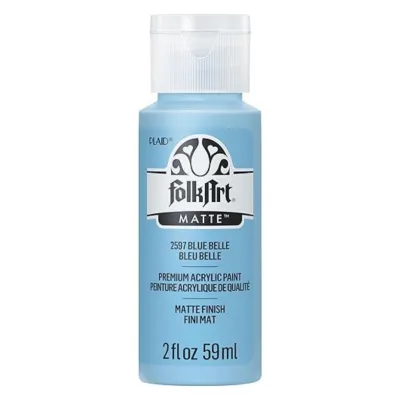
Prices are valid at publication and may change. Please refer to the product page for the latest price.
Washable water-based options are formulated specifically for easy cleanup and temporary applications. These paints are typically used for paper crafts, cardboard projects, and activities involving young children. Because they do not contain permanent binders, they can be easily washed out of clothing and off skin with simple soap and water. The trade-off for this easy cleanup is a lower resistance to moisture and wear. If a washable paint is exposed to high humidity or direct water, it will smudge, run, or dissolve, making it unsuitable for outdoor projects or items that require frequent handling.
Specialty solvent-based paints are designed for heavy-duty, industrial, or outdoor applications. These formulations use organic solvents as their carrier, which provides exceptional durability, weather resistance, and adhesion to challenging surfaces like bare metal and smooth glass. Because they emit strong fumes, solvent-based paints require proper ventilation, personal protective equipment, and specific chemical thinners for cleanup and dilution. They are generally reserved for advanced crafters, model builders, or outdoor signage where water-based alternatives would quickly degrade under intense sunlight and heavy rain.
Matching Paint to Your Project Surface
The material you are painting plays a massive role in how well the glow paint adheres and how bright the final glow appears. Different surfaces interact with paint binders in unique ways, requiring specific preparation steps.

Porous materials such as raw wood, paper, unglazed ceramics, and natural fabrics have open structures that readily absorb liquids. When you apply glow in the dark paint directly to these surfaces, the porous fibers can suck in the liquid binder, pulling the glowing pigments down into the material rather than letting them sit on the surface. This absorption often results in a dull, uneven glow. To prevent this, applying a clear or white primer coat beforehand seals the pores, ensuring the glow paint remains on the outermost layer where it can receive and emit light effectively.
Non-porous materials like glass, smooth plastics, glazed ceramics, and metals present the opposite challenge, as they lack the texture needed for paint to grip. Without proper preparation, glow paint applied to these surfaces may pool, streak, or easily peel off once dry. To achieve strong adhesion, you should lightly sand the surface to create a micro-texture, or apply a specialized primer designed for non-porous substrates. Additionally, applying a protective clear top coat after the paint cures can prevent scratches and peeling during handling.
Before purchasing any glow paint, it is essential to verify the manufacturer’s explicit surface compatibility guidelines on the product label. Some paints are formulated strictly for fabric and contain flexible agents to prevent cracking, while others are designed solely for rigid surfaces. Checking these labels also reveals washability limits, indicating whether a painted fabric item can survive a washing machine cycle or if it must be gently hand-washed to preserve the glowing effect.
Evaluating Glow Intensity and Charging Needs
To avoid disappointment, it is crucial to understand how glow pigments function and what kind of light they require to charge. Managing your expectations regarding brightness and duration will help you select the right product for your specific environment.
The brightness and duration of a paint’s glow depend heavily on the type of phosphorescent pigment used in its formulation. Strontium aluminate is a modern, highly efficient pigment that can glow significantly brighter and longer than older alternatives, making it the preferred choice for detailed art and safety markings. Zinc sulfide is an older, more traditional pigment that is highly budget-friendly but offers a shorter, dimmer glow cycle. When comparing products, look for manufacturer descriptions that specify the pigment type to ensure the performance matches your project’s requirements.
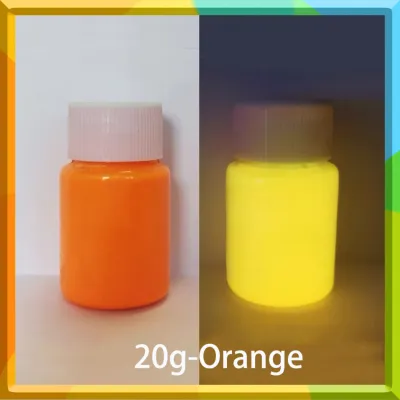
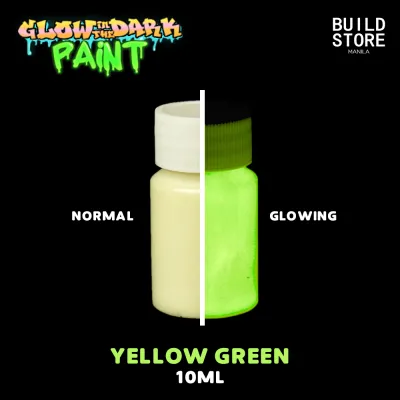
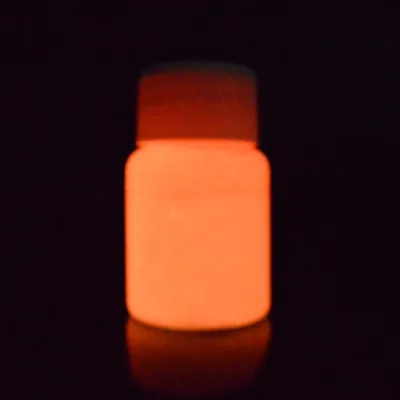
It is important to distinguish between a paint’s daylight appearance and its nighttime glow color. Many glow in the dark paints appear milky white, translucent, or pale yellow-green under normal lighting, only revealing their vibrant green, blue, or orange hues once the lights go out. Alternatively, some specialty paints are formulated as “dayglow” or fluorescent, meaning they display bright, vivid neon colors in daylight and emit a corresponding glow in the dark. Always check the product packaging to confirm both the daytime and nighttime color profiles to avoid unexpected visual results.
Phosphorescent pigments do not produce their own light; they must absorb and store energy from an external light source to glow. Direct sunlight, high-wattage incandescent bulbs, and UV (blacklight) sources are highly effective for charging these paints, whereas standard household LED bulbs may require a much longer exposure time to achieve a full charge. Before starting your project, verify the charging requirements on the product packaging to ensure your intended display environment has access to the correct type and intensity of light.
Application Tools and Drying Characteristics
The way you apply the paint and how it dries will affect both the final look of your project and the timeline of your crafting process. Different tools offer varying levels of control and coverage.
Glow in the dark paint is available in several application formats, each suited to different project scales and detail levels. Brush-on paints offer precise control for fine details, lettering, and intricate canvas work. Spray paints provide a highly even, thin coat over large areas, making them excellent for stenciling, outdoor ornaments, or broad background coverage. Squeeze-bottle applicators, often sold as dimensional or fabric paints, allow you to create raised, 3D lines that are highly popular for textile decorating and outlining designs.
Because glow pigments must allow light to pass through them to charge, the paint base is naturally translucent. Applying a single thick layer of glow paint often results in a clumpy, uneven finish with poor light absorption. For the most vibrant and uniform glow, it is highly recommended to apply multiple thin coats, allowing each layer to dry completely before applying the next. Additionally, applying these layers over a solid white base coat dramatically increases the glow’s visibility, as the white background reflects the emitted light back toward the viewer.
Understanding the difference between surface-dry time and full curing time is crucial for a successful project, especially in warm, humid climates. A paint layer may feel dry to the touch within an hour, but it can take several days to cure completely and achieve its full water resistance and durability. Handling, sealing, or exposing the project to moisture before it has fully cured can cause the paint to smudge, wrinkle, or lift from the surface. Always consult the manufacturer’s instructions for specific drying and curing timelines based on your local environmental conditions.
Building Your Shortlist: Pre-Purchase Checks
Before finalizing your purchase at a local craft store or through an online marketplace, running through a quick checklist will help ensure you select a safe, effective, and cost-efficient product.
When building your shortlist of glow in the dark paints, carefully review the product labels for specific environmental ratings and compatibility. If your project will be placed outdoors, ensure the paint is rated for outdoor use and UV resistance, as prolonged exposure to harsh sunlight can degrade some pigments and binders. Furthermore, check if the manufacturer recommends a specific type of clear top coat, as some standard sealers contain UV blockers that will prevent the glow paint from charging.
Safety is a primary consideration if the paint will be used by children, in classroom settings, or on items that come into frequent contact with skin, such as wearable art or custom costumes. Look for recognized non-toxic safety certifications, such as the Art and Creative Materials Institute’s AP (Approved Product) seal, on the packaging. This certification verifies that the product has been toxicologically evaluated and contains no materials in sufficient quantities to be toxic or injurious to humans.
Finally, compare the volume-to-price ratios of your shortlisted options in Philippine Pesos (₱) to ensure you are getting the best value for your project’s scale. For small, detailed crafts, purchasing a set of multi-colored, small-volume bottles is often more practical than buying a single large container. Because craft paints can dry out or spoil over time when stored in warm, tropical climates, buying only the volume you need for your immediate projects prevents waste and ensures you are always working with fresh, high-performing materials.
Frequently Asked Questions (FAQ)
Does glow in the dark paint work on dark-colored surfaces?
Glow in the dark paint is naturally translucent, meaning it does not have the opacity to cover dark backgrounds effectively. If you apply it directly onto a black or dark-colored surface, the dark background will absorb both the charging light and the emitted glow, resulting in an extremely faint or invisible effect. To achieve a bright glow, you should always apply a solid white or light-colored primer coat to the target area before painting with your glow formulation. This light base acts as a reflective mirror, maximizing the light output of the phosphorescent pigments.
How do I maximize the brightness and duration of the glow?
To get the brightest and longest-lasting glow from your paint, start by applying multiple thin, even coats over a solid white background. Ensure the paint is charged using a strong, direct light source; UV blacklights and natural sunlight provide the fastest and most intense charge, while standard indoor LEDs may require longer exposure. If your project is intended for outdoor use or frequent handling, protect the painted surface with a clear, non-UV-blocking sealer recommended by the manufacturer to prevent wear without interfering with the light-charging process.
Can I mix glow paint with regular acrylic paints?
Mixing glow in the dark paint directly with standard colored acrylic paints is generally not recommended, as the opaque pigments in regular paint will block light from reaching and charging the glow particles. This mixing significantly dilutes the glow intensity and can result in a muddy, non-functional finish. If you want to add color to your glowing design, it is best to apply a thin layer of translucent colored paint over the cured glow paint, or purchase pre-tinted glow paints. Always test your paint combinations on a small piece of scrap material and consult the manufacturer’s guidelines before applying them to your final project.
Community discussion
Share your experience or ask a question. Comments are reviewed before publication.