
Protecting important papers from creases, spills, and tropical humidity requires more than a standard paper folder. Choosing the right hard case for documents depends on balancing structural rigidity with your daily routine, whether you are navigating a crowded commute, traveling for field work, or organizing archives at home. By matching the case’s material, closure mechanism, and internal capacity to your specific environment, you can keep your certificates, contracts, and design prints pristine.
Identify Your Primary Use Scenario
Before browsing online marketplaces or local stationery stores, evaluate how often your documents will be in motion. A case designed for stationary home archiving prioritizes volume and stackability over lightweight portability. Conversely, if you carry documents daily, your case must withstand physical impacts, sudden downpours, and the constant friction of being pulled in and out of a bag.
The volume and format of your paperwork also dictate your choice. Loose sheets of paper require internal clips or pockets to prevent sliding, while bound reports, thick folders, or digital tablets demand a case with a deeper spine. Consider your typical transit environment as well; crowded trains, buses, and walking under the tropical sun expose your gear to physical pressure and high humidity, making external durability a top priority.
Products mentioned in this guide
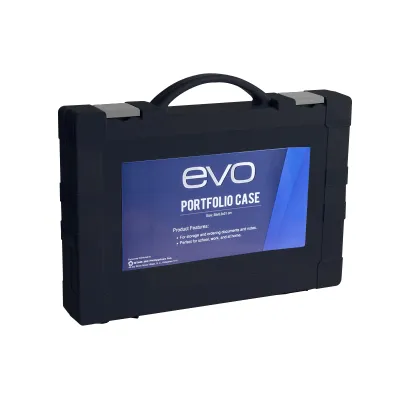
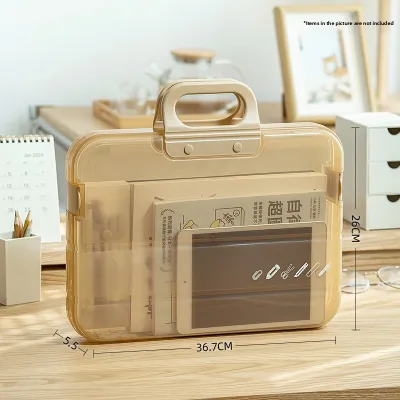
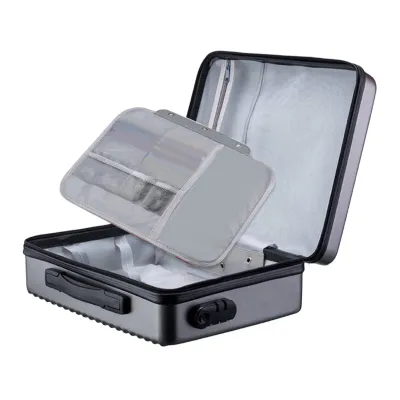
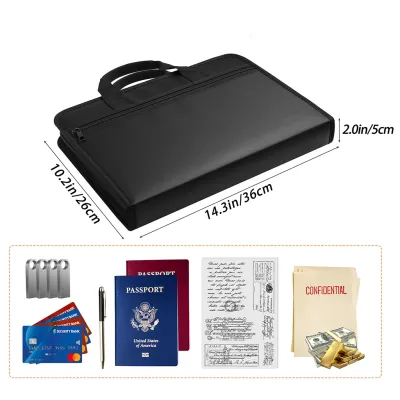
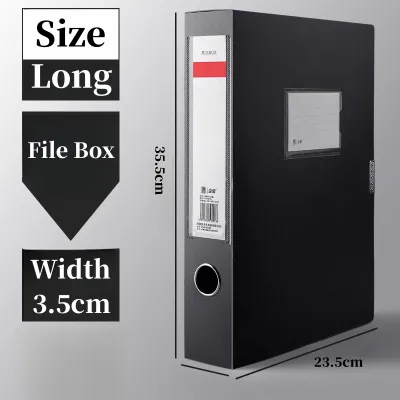
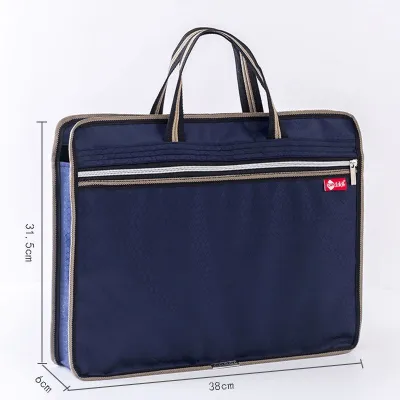
Prices are valid at publication and may change. Please refer to the product page for the latest price.
Key Features to Check Before Buying
Selecting a hard case for documents requires a close inspection of physical specifications to ensure it fits both your papers and your lifestyle.

Size and Paper Compatibility: Always verify the internal dimensions of the case rather than relying solely on external measurements. Standard letter, legal, and A4 sizes have different dimensions, and a case that is even a few millimeters too short will crimp the edges of your documents. If you plan to store laminated certificates or documents already placed inside plastic sleeves, measure those outer sleeves first, as they require extra clearance.
Material and Protection: Hard cases typically feature outer shells made of polypropylene, heavy-duty ABS plastic, or aluminum. Polypropylene offers lightweight flexibility and decent impact resistance, while ABS and aluminum provide maximum rigidity against crushing forces. In humid climates, look for materials that do not absorb moisture, and check the product description for rubber gaskets or overlapping lips that help seal out dust and damp air.
Closure and Security: The closure mechanism determines both security and ease of access. Dual snap latches provide a tight, mechanical seal that is unlikely to pop open inside a backpack, whereas zipper closures offer smooth, continuous sealing but may wear out over time if overstuffed. For sensitive documents, look for cases with integrated key locks or molded eyelets that allow you to attach a small padlock.
Portability Elements: If you travel frequently, pay attention to the handle design and overall weight. A molded, ergonomic handle reduces hand fatigue during long walks, while a slim profile allows the case to slide effortlessly into a standard laptop bag. Some heavy-duty cases also feature detachable shoulder straps or luggage pass-through bands, which are highly convenient when navigating busy transit terminals.
Matching the Case to Your Specific Needs
Your physical environment dictates which features are essential and which ones you can comfortably skip. Let us look at how these priorities shift depending on your daily routine and storage goals.
Daily Commuting and Office Use
For professionals and students commuting through busy urban areas, a lightweight and slim profile is the most practical choice. You want a hard case that fits comfortably inside your backpack or tote bag without adding unnecessary bulk or weight. Look for cases made of thin but rigid polypropylene that protect against bent corners while keeping the overall load manageable.
Quick-access closures, such as single-touch snap buttons or magnetic flaps, are ideal for retrieving documents quickly during meetings, lectures, or presentations. To keep your daily essentials organized, choose a model that features internal dividers, pen slots, or small mesh pockets. This prevents loose items like flash drives, business cards, and pens from scratching your main documents.
Occasional Travel and Field Work
When traveling long distances or working outdoors on construction sites and field surveys, your documents face higher risks of physical damage and weather exposure. In these scenarios, prioritize heavy-duty ABS plastic or aluminum cases with reinforced corners to absorb shocks from accidental drops. A robust, secure latching system is crucial to prevent the case from bursting open during transit.
Water resistance is another critical factor, especially during sudden tropical downpours. Look for cases that feature a continuous rubber gasket along the rim to block moisture, dust, and rain. If you carry electronic tablets or delicate instruments alongside your paperwork, select a case with a padded foam interior or shock-absorbing lining to keep all items secure and cushioned.
Long-Term Home Filing and Archiving
For home storage, portability features like handles, shoulder straps, and slim profiles become secondary to capacity and space efficiency. The ideal archiving case features a flat, uniform exterior and a stackable design, allowing you to store multiple units neatly on shelves or inside closets. High-capacity box files with deep spines are excellent for holding years of tax records, birth certificates, and property titles.
To protect sensitive paper from yellowing and light degradation over time, choose opaque materials rather than transparent plastic. Ensure the case seals tightly to block out dust, insects, and ambient humidity, which can encourage mold growth on paper. Label holders on the spine or front cover are also highly useful, helping you identify the contents of each case without having to open them.
Practical Tips for Testing and Maintenance
Once your hard document case arrives, perform a quick fit test before putting it into regular service. Place your thickest stack of documents inside, close the latches, and check for any bowing or stress along the hinges and seams. If the plastic bends or the zipper feels strained, the case is overcapacity, which can lead to structural failure or damaged paper edges over time.
Inspect the interior lining and edges for any sharp plastic flashing, rough seams, or exposed metal rivets that could snag or tear delicate paper. If you find minor rough spots on plastic cases, you can often smooth them down carefully with fine-grit sandpaper.
To maintain your case, wipe the exterior regularly with a damp microfiber cloth to remove dust and grime. Avoid using harsh chemical solvents or alcohol-based cleaners, as these can degrade certain plastics, strip away protective coatings, or cloud transparent windows. Always store your document cases in a cool, dry place away from direct sunlight to prevent the material from becoming brittle and to protect the paper inside from heat damage.
Frequently Asked Questions (FAQ)
Can a hard document case protect my papers from fire or extreme heat?
Standard plastic, resin, or aluminum hard cases offer very limited protection against extreme heat and will not survive a fire. Plastic cases can melt quickly, while aluminum conducts heat rapidly, which can char the papers inside even without direct flame contact. If you need to protect irreplaceable original documents like land titles or birth certificates from fire, look for specialized fire-rated document safes or bags that carry certified fire-resistance ratings.
How do I prevent my documents from sliding around inside a large case?
If your case is larger than your documents, papers can slide around, causing bent corners and frayed edges. To prevent this, secure your papers inside a slim paper folder, plastic sleeve, or envelope before placing them in the hard case. You can also look for cases equipped with internal elastic tension straps, adjustable plastic dividers, or built-in clipboards that hold the sheets firmly in place during transit.
Community discussion
Share your experience or ask a question. Comments are reviewed before publication.