
Selecting the right highlighters and markers depends on matching the tool’s tip shape, ink formula, and physical design to your specific paper type and writing tasks. Whether you are annotating thin textbook pages in a humid tropical climate, organizing a bullet journal, or preparing a presentation on a whiteboard, understanding these technical specifications prevents ink bleed-through, smudging, and premature drying. By focusing on observable product details and manufacturer specifications, you can find the ideal writing instrument for your daily routine.
Decoding Tip Shapes for Different Tasks
The shape of a marker or highlighter tip determines the line width and the level of precision you can achieve. Chisel tips are the most common for highlighting because their angled, broad edge allows you to cover an entire line of text in a single stroke, while the sharp point can be used for underlining. Bullet tips offer a consistent, rounded line that is ideal for writing, bold labeling, and drawing consistent diagrams. Fine tips, often made of plastic or metal-clad fiber, provide the precision needed for detailed margin notes, fine-line sketching, and working within tight grid formats.
Tip materials also play a critical role in how well the instrument holds up over time. Fiber tips are soft and flexible, but they can fray or split if you apply too much pressure, especially on rough paper surfaces. Plastic collar tips or hard acrylic tips maintain their shape much longer, ensuring that a fine line remains crisp throughout the life of the marker. When shopping, check the packaging or product description for the exact line width measurements, usually listed in millimeters (such as 1.0 mm to 4.0 mm), to ensure the tip matches the line spacing of your notebooks or printed documents.
Products mentioned in this guide
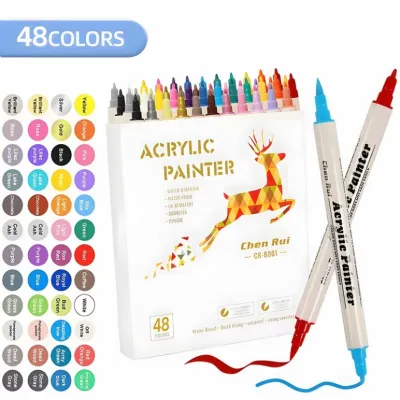
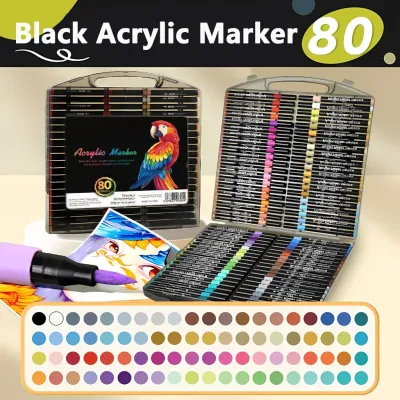
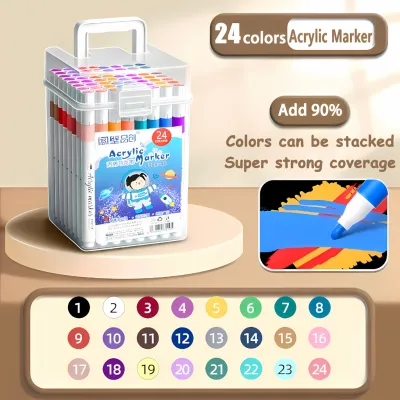
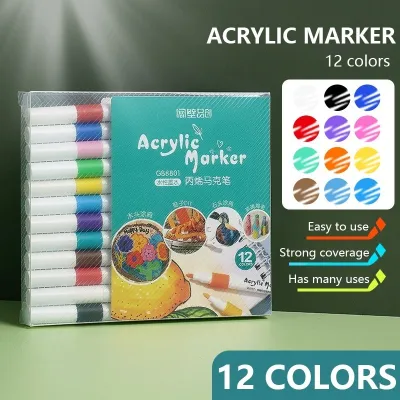
Prices are valid at publication and may change. Please refer to the product page for the latest price.
Understanding Ink Formulas and Paper Compatibility
The ink base determines how the marker behaves when it touches the page, particularly regarding drying time and paper penetration. Water-based inks are the standard for highlighters and school markers because they dry relatively quickly on standard paper and are less likely to bleed through to the other side of the page. Alcohol-based inks, common in professional illustration markers, dry almost instantly and blend smoothly, but they easily penetrate thin paper fibers. In the humid climate of the Philippines, high humidity can slightly extend the drying time of water-based inks, making quick-dry formulas highly desirable to prevent accidental smudging.

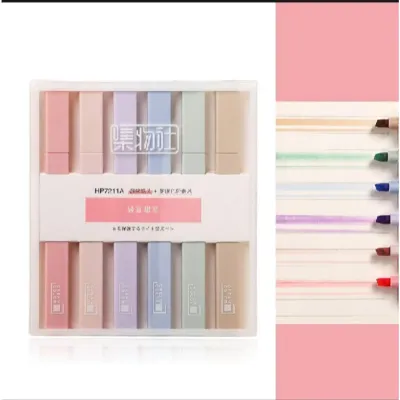
Color profiles and chemical formulas also dictate the visibility and purpose of the marker. Fluorescent inks use dyes that reflect light to make text stand out, but they can sometimes be too harsh on the eyes during long study sessions. Pastel inks offer a softer, more muted alternative that highlights information without overwhelming the page. For temporary surfaces, dry-erase formulas use a specialized polymer that prevents the ink from binding to non-porous surfaces like whiteboards, allowing for easy wiping. To verify bleed-through and quick-dry claims, look for specific paper-weight recommendations (such as “suitable for 80 GSM paper or higher”) rather than relying on generic marketing buzzwords.
Evaluating Special Features and Ergonomics
Mechanical features can significantly impact the usability and lifespan of your writing tools, especially when balancing your budget in ₱. Retractable markers offer excellent one-handed convenience and eliminate the risk of losing a cap, making them ideal for quick notes on the go. However, they rely on internal spring-loaded seals that must be kept clean to prevent drying. Capped designs, on the other hand, provide a highly reliable, airtight seal that preserves the ink for longer periods, provided the cap is securely clicked into place after every use.
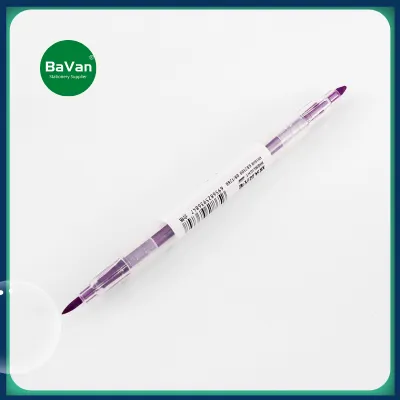
Dual-ended markers are a highly cost-efficient option, combining two different tip sizes or colors in a single barrel. This design reduces the number of individual pens you need to carry in your pencil case, though it requires horizontal storage to keep the ink distributed evenly to both tips. Ergonomics should also guide your choice; triangular or soft-grip barrels reduce finger strain during long study sessions or journaling hours, while flat, rectangular barrels prevent the marker from rolling off your desk.
Building Your Shortlist: A Specification Checklist
To find the right highlighters or markers on an online marketplace or at a local stationery store, use this step-by-step checklist to filter your options:
- Identify the Primary Task: Choose chisel tips for textbook reading, bullet tips for general writing and labeling, and fine tips for detailed margin notes or sketching.
- Match Ink to Paper Weight: Opt for water-based or pigment-based inks for standard notebook paper (70 to 80 GSM) to prevent bleed-through, and reserve alcohol-based markers for thick sketchpads (120 GSM or higher).
- Select the Color Profile: Decide between vibrant fluorescent shades for high-contrast visibility or soft pastel tones for a gentler, aesthetic look.
- Check the Seal and Grip: Choose capped models for maximum shelf life, retractable designs for quick one-handed use, and ergonomic grips if you write for extended periods.
- Verify Refillability: Look for markers with replaceable ink cartridges or refill bottles to reduce long-term costs and environmental waste.
Frequently Asked Questions (FAQ)
Can I use alcohol-based markers on standard notebook paper?
Using alcohol-based markers on standard notebook paper, which typically ranges from 50 to 80 GSM, usually results in significant bleed-through and ghosting on the back of the page. The alcohol solvent quickly penetrates thin, uncoated paper fibers, causing the ink to spread beyond your lines. If you must use alcohol-based formulas, it is best to place a thick plastic barrier sheet or a piece of scrap cardstock directly beneath your working page to protect the subsequent sheets in your notebook.
How do I prevent my highlighters from drying out?
To prevent highlighters from drying out, always store them horizontally when not in use, which ensures that the ink remains evenly distributed throughout the internal reservoir and does not pool at one end. For capped models, listen for a distinct click when closing the marker to confirm that the airtight seal is fully engaged. If you are using dual-ended markers, horizontal storage is especially critical to prevent one of the tips from losing its ink supply over time.
Community discussion
Share your experience or ask a question. Comments are reviewed before publication.