
Choosing a Himi gouache set requires understanding how your painting environment, skill level, and creative habits interact with the brand’s unique packaging. Known for its vibrant colors and distinct jelly cup design, this gouache has become a staple for students, illustrators, and hobbyists alike. However, selecting the ideal configuration involves more than just picking a favorite case color. You must evaluate color counts, cup capacities, and how the paint behaves under local environmental conditions.
To make an informed decision, it helps to understand how these sets are structured and how to verify their quality. By matching the physical specifications of the paint to your specific artistic workflow, you can avoid common pitfalls like premature drying or unnecessary bulk.
Understanding Himi Gouache Set Configurations
Himi gouache is primarily famous for its semi-moist jelly cup format, which differs significantly from traditional dry pans or squeeze tubes. Traditional dry pans require extensive wetting to activate, while tubes can sometimes dry out in the threads or lead to wasted paint. The jelly cup design provides a generous volume of pre-moistened, creamy paint ready for immediate use.
Products mentioned in this guide
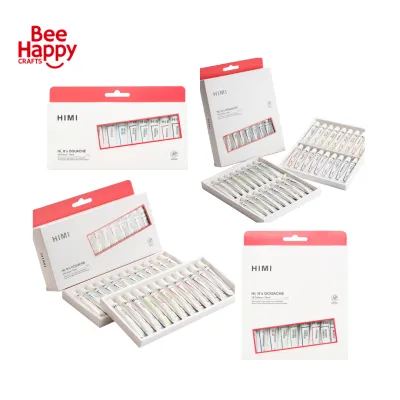
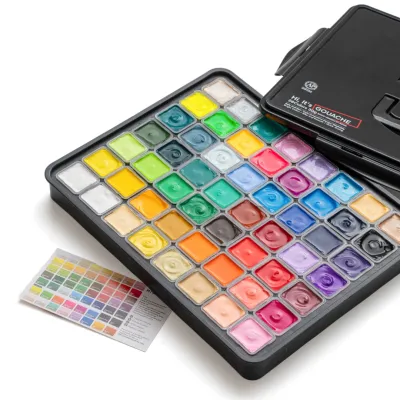
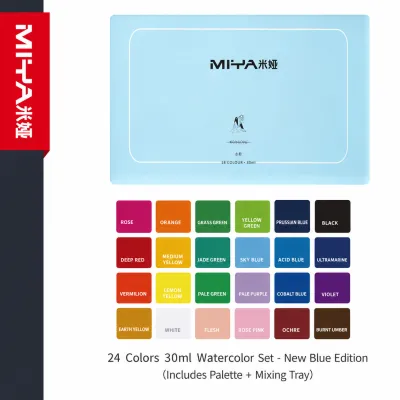
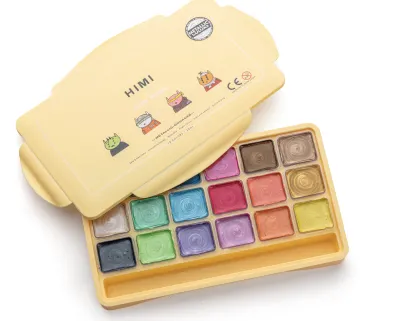
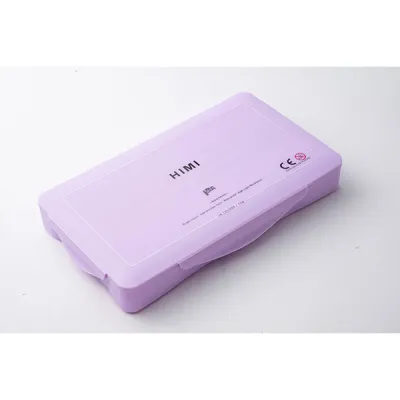
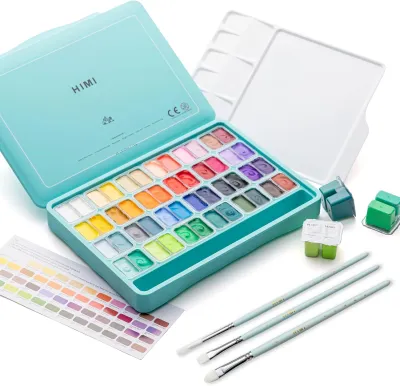
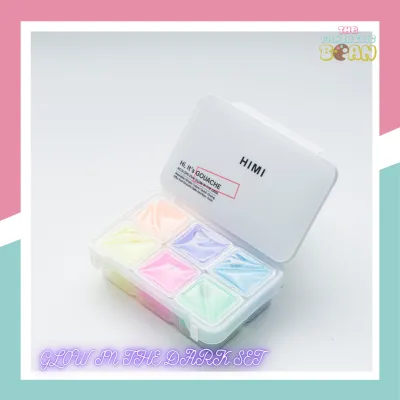
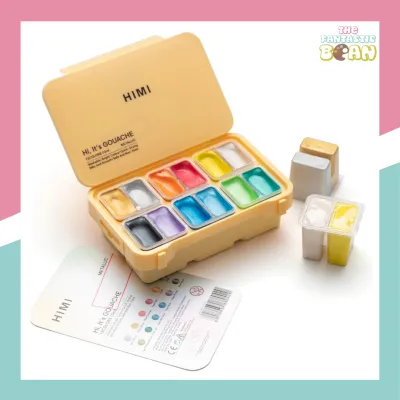
Prices are valid at publication and may change. Please refer to the product page for the latest price.
The base formulation—consisting of pigments, binders, and opacifiers—remains consistent across the brand’s various set sizes. This means that whether you purchase a compact travel set or a massive studio kit, the paint quality, opacity, and matte finish remain identical. The primary differences lie in the physical layout, the total volume of paint provided, and the portability of the protective carrying case.
When comparing configurations, focus on specifications that directly impact your workflow rather than cosmetic variations. While the brand offers cases in a wide array of pastel and vibrant colors, the critical factors are the airtightness of the lid seal, the physical weight of the case, and the layout of the mixing wells.
Choosing the Right Color Count for Your Projects
Selecting the right color count is a balance between convenience and color theory. For beginners and students, smaller sets containing 18 or 24 colors are highly recommended. These curated palettes provide all the essential primary and secondary hues needed to learn color mixing without causing decision fatigue. Working with a limited palette also teaches you how to create cohesive color schemes and avoid muddy mixtures.

Larger sets, such as those featuring 36, 50, or 56 colors, are better suited for advanced illustrators and designers. These expansive sets include a wide range of convenience colors, such as pastel pinks, muted greens, and deep earth tones, which save time during complex projects by reducing the need for constant mixing. They are also beneficial for projects requiring highly consistent color matching across multiple pieces.
However, a larger color count comes with a physical trade-off. A 56-color set is heavy and occupies a significant amount of desk space, making it impractical for small workspaces or outdoor painting. If you plan to paint in local cafes, parks, or art meetups, a smaller 18-color set offers a much more manageable footprint and fits easily into a standard backpack.
Pan Size and Format: Matching Your Workflow
The physical size of the paint cups—typically ranging from 30ml to 80ml—affects how you interact with the medium. Smaller 30ml cups are the standard for most hobbyist sets, offering a balance between paint volume and portability. Larger 80ml cups are designed for heavy users, art classrooms, or studio artists who work on large-scale canvases and consume vast amounts of background colors like white and sky blue.
Cup size also dictates your brush compatibility. Dipping a large wash brush or a wide flat brush directly into a small 30ml cup can easily lead to cross-contamination, where paint from one cup accidentally transfers to an adjacent color. If you prefer working with large brushes, you will need to scoop the paint onto a separate mixing palette using a palette knife, whereas larger cups allow for direct brush dipping.
Additionally, the exposed surface area of the paint influences its drying behavior. In the warm, tropical climate of the Philippines, high humidity can slow down drying times on paper, but high ambient temperatures can cause open paint cups to dry out quickly during long painting sessions. Larger cups expose more surface area to the air, requiring more frequent misting with distilled water to maintain their creamy, workable consistency.
Evaluating Kit Options and Included Accessories
Many Himi gouache sets are sold as comprehensive kits that include accessories such as synthetic brushes, a plastic mixing palette, a water cup, or a small cleaning sponge. Evaluating the quality of these bundled items helps determine whether a kit offers genuine value or if you should opt for a paint-only set.
The included plastic mixing palette is usually a worthwhile accessory because it is custom-designed to fit securely inside the case lid, acting as an extra seal to keep the paint moist. However, the bundled brushes are typically basic, starter-grade tools. While they are perfectly adequate for beginners learning basic strokes, they may lose their shape or shed bristles over time, especially when working with thick, heavy-body gouache.
If you already own a collection of high-quality watercolor or mixed-media brushes, purchasing a barebones paint set is often the most economical choice. For absolute beginners, a complete kit provides an accessible, all-in-one entry point, but you should budget to upgrade to dedicated gouache brushes as your techniques and blending skills progress.
Verifying Product Specifications and Authenticity
Due to the global popularity of jelly gouache, counterfeit or poorly stored sets can sometimes circulate on online marketplaces. To ensure you receive a genuine, high-quality product, always verify the product specifications and seller credentials before finalizing your purchase.
Start by checking the product packaging for clear manufacturer labeling, net weight specifications, and safety certifications. Genuine sets typically feature non-toxic certifications, indicating they are safe for prolonged skin contact and indoor use. Additionally, look for intact outer plastic wrapping and clear batch codes printed on the box, which indicate fresh manufacturing runs.
Upon delivery, inspect the individual foil seals on each jelly cup before peeling them open. The seals should be completely airtight and free from punctures or swelling. If you notice any broken seals, dried-out paint, or signs of mold, utilize the return or refund policy of your ecommerce platform immediately. Purchasing from authorized flagship stores or highly rated local art supply retailers in the Philippines is the best way to guarantee product freshness and reliable customer support.
Frequently Asked Questions (FAQ)
Can I mix Himi gouache with other brands of paint?
Yes, you can mix Himi gouache with other student-grade or professional designer gouache brands. However, keep in mind that different manufacturers use varying binders, such as dextrin or gum arabic, which can affect the paint’s overall opacity, drying speed, and final texture. When mixing brands, perform a small test swatch on your paper to ensure the mixture dries to a uniform matte finish without cracking or bleeding.
How do I keep my gouache set from drying out?
To maintain the creamy consistency of your jelly cups, lightly mist the paint with distilled water using a fine spray bottle after each painting session, then seal the airtight lid securely. In the humid climate of the Philippines, avoid over-saturating the cups with water, as excess moisture combined with heat can encourage mold growth. If a cup does dry out completely, do not discard it; simply add a few drops of warm distilled water, let it sit overnight, and stir it thoroughly with a clean palette knife to reactivate the paint.
Community discussion
Share your experience or ask a question. Comments are reviewed before publication.