
Finding the perfect daily writing instrument is a highly personal journey. The ideal ipen ballpen model for your desk is not simply the most expensive or the most popular option; rather, it is the one that aligns seamlessly with your physical writing habits, paper choices, and environmental conditions. By analyzing how you hold a pen, the speed at which you take notes, and the typical paper surfaces you encounter, you can narrow down the diverse ipen lineup to find a model that offers effortless glide, clean lines, and long-term comfort.
Choosing a pen that matches your daily routine prevents hand fatigue and ensures your notes remain legible over time. Whether you are signing official documents, drafting long-form journal entries, or taking rapid lecture notes, understanding the technical aspects of your writing tool is key to a satisfying writing experience.
Identify Your Personal Writing Style and Needs
Before exploring specific pen models, take a moment to analyze your daily writing volume and the typical length of your writing sessions. If you spend hours transcribing lectures or drafting reports by hand, your priorities will differ significantly from someone who only uses a pen to sign occasional documents or jot down quick reminders. Long writing sessions demand lightweight barrels and low-viscosity inks to minimize hand strain, while short, intermittent tasks prioritize quick deployment, such as a reliable click mechanism, and a sturdy clip for pocket carry.
Products mentioned in this guide
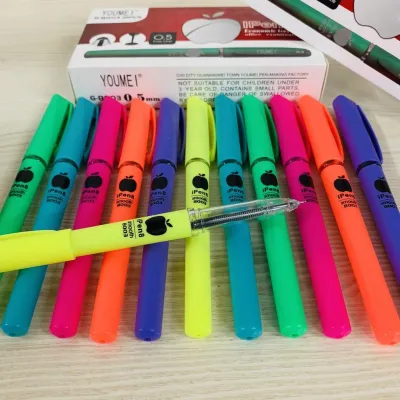
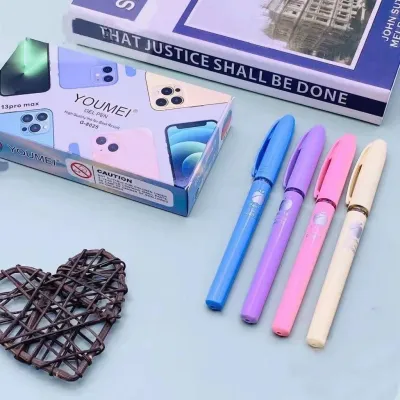
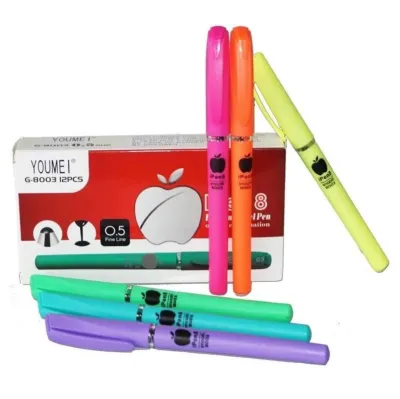
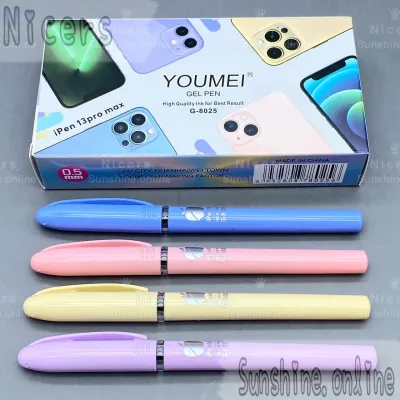
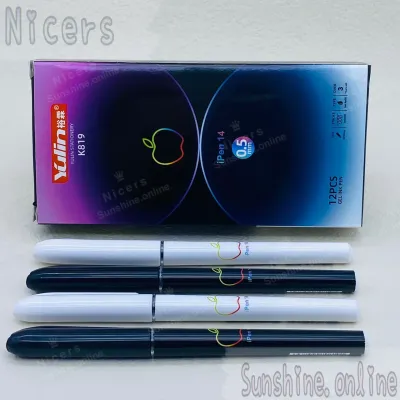
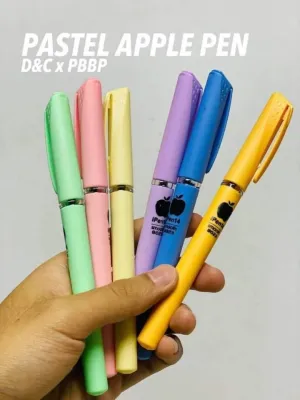
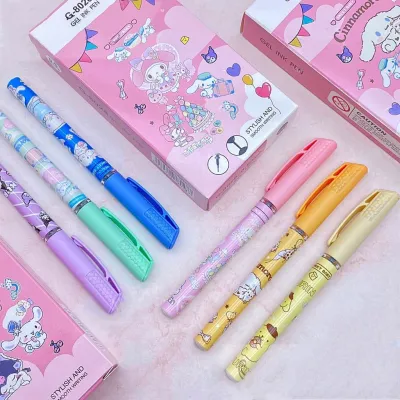
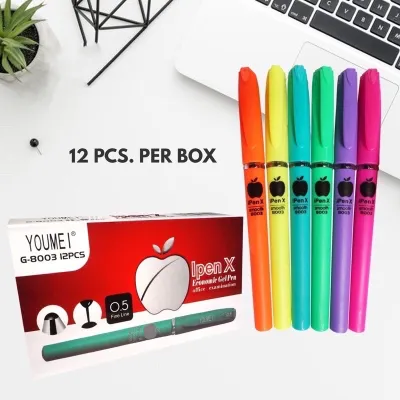
Prices are valid at publication and may change. Please refer to the product page for the latest price.
Your handwriting size and natural writing speed also play a critical role in determining the right pen model. Small, compact print requires a fine tip to prevent letters like ‘e’ and ‘a’ from filling in with ink and becoming illegible. Conversely, large, expressive cursive benefits from broader tips that can keep up with rapid, sweeping strokes without skipping or scratching the paper surface.
Finally, recognize your personal grip style and the amount of downward pressure you naturally apply to the page. Heavy-handed writers who press firmly onto the paper need a robust tip assembly and a cushioned grip to absorb shock and prevent finger soreness. Light-handed writers, on the other hand, require highly responsive, low-friction ink that flows effortlessly with minimal downward force, allowing the pen to glide across the page under its own weight.
Evaluate ipen Ballpen Tip Sizes and Ink Formulations
The performance of any ballpoint pen relies on the mechanical relationship between the rotating ball at the tip and the ink formulation housed inside the cartridge. As you write, the ball rotates within a metal socket, transferring a thin layer of ink from the reservoir onto the paper. The clearance between the ball and the socket wall dictates the ink flow rate, which directly influences line consistency, smoothness, and drying time.

Different ink viscosities behave uniquely under varying writing speeds and pressures. Traditional oil-based ballpoint ink is highly viscous, requiring slightly more downward pressure but offering excellent water resistance and longevity. Modern hybrid or low-viscosity ballpoint inks combine the smoothness of gel pens with the fast-drying, bleed-resistant properties of classic ballpoints, making them highly versatile for everyday tasks.
Matching Tip Size to Your Handwriting
Selecting the correct tip size is essential for maintaining clean, legible handwriting. Fine tips, typically measuring 0.5 mm or smaller, produce crisp, thin lines that are ideal for detailed ledger entries, margin notes, and compact planners. However, if you apply heavy pressure, a very fine tip can feel scratchy as it cuts into the paper fibers, potentially clogging the ball mechanism with paper dust.
Medium tips, usually around 0.7 mm, offer a balanced compromise for general-purpose writing on standard office paper. They provide a smoother glide than fine tips while keeping ink consumption moderate and lines distinct. For most daily tasks, from filling out forms to taking meeting notes, a medium tip delivers reliable performance across various paper qualities.
Broad tips, measuring 1.0 mm or larger, deliver a rich, dark line that is highly legible and visually impactful. These are excellent for signatures, bold headings, and expressive writing styles. Keep in mind that broader tips lay down more ink, which increases drying time and requires a more relaxed writing pace to prevent smudging.
To find your ideal match, check the manufacturer specifications on the packaging or product labels, as nominal sizes like ‘fine’ or ‘medium’ can vary slightly between different product lines. Testing different tip sizes on your preferred notebook is the most reliable way to observe how writing pressure affects line width and tip durability.
Choosing the Right Ink for Your Paper and Speed
The interaction between your pen’s ink and your paper choice determines whether your writing remains clean or becomes a smudged mess. Standard 70 gsm copy paper is highly fibrous and absorbent, which helps ink dry quickly but can cause highly fluid inks to feather or bleed through to the other side. Coated, high-density journal paper resists bleed-through but slows down ink absorption, keeping the ink wet on the surface for longer.
If you are a fast writer or left-handed, prioritize quick-drying, low-viscosity ink formulations that set almost instantly upon contact with the page. For a more relaxed writing pace, a smoother, slightly higher-viscosity ink can provide a satisfying, controlled drag that improves handwriting neatness. You can evaluate these characteristics by performing a simple cross-hatch test on your preferred paper: draw a grid of rapid lines and immediately run your finger across them to check for smearing.
Environmental factors also influence ink behavior, particularly in warm, humid climates like the Philippines. High humidity causes paper fibers to absorb ambient moisture, which can make standard inks feather more than they would in dry conditions. Choosing a water-resistant, oil-based formulation helps maintain line integrity and ensures your important documents remain legible even when exposed to humid air or accidental moisture.
Assess Ergonomics and Build Materials for Comfort
An often-overlooked aspect of pen selection is how the physical design of the barrel affects your hand comfort during extended use. The weight and balance of a pen dictate how much effort your hand muscles must exert to control its movement. A pen that is too heavy can cause rapid fatigue, while an overly light pen may feel unstable, forcing you to grip it tighter and causing finger cramps.
Look for a pen with a balanced center of gravity, ideally positioned slightly forward toward the tip. This forward-weight bias helps guide the pen along the page naturally, reducing the need for excessive downward pressure. The diameter of the grip section should also match your hand size; slender barrels under 8 mm can cause cramping in larger hands, whereas wider, contoured grips between 10 mm and 12 mm distribute pressure more evenly across your fingers.
Grip Textures and Materials
- Rubberized Sleeves: Provide excellent traction and cushioning, making them ideal for absorbing shock and preventing slipping if your hands tend to sweat in warm weather.
- Textured Plastic: Offers a lightweight, cost-effective solution with molded ridges or patterns that provide a secure hold without adding bulk.
- Textured Metal: Found on premium models, knurled or engraved metal grips offer a secure, non-slip hold that does not degrade or become sticky over time.
Barrel Materials
- ABS Plastic: Highly durable, lightweight, and impact-resistant, making it perfect for everyday carry in pockets or bags.
- Anodized Aluminum: Offers a sleek, modern aesthetic with a comfortable mid-weight feel, providing excellent structural durability for professional environments.
- Brass or Steel: Provides a heavy, premium feel that appeals to writers who prefer a substantial instrument, though it may cause fatigue during long writing sessions.
Check Refill Compatibility and Maintenance Requirements
To ensure your chosen ipen ballpen remains a reliable companion for years, consider the availability of refills and the maintenance required to keep it performing at its best. Before purchasing a specific model, unscrew the barrel to inspect the internal refill cartridge. Look for printed model numbers, brand markings, or standard shape profiles, such as the international G2 ‘Parker-style’ format, which allows you to use a wide variety of third-party refills.
Using the correct refill model is crucial for maintaining proper spring tension and tip protrusion within the click or twist mechanism. If a refill is even a millimeter too short or too long, the mechanism may fail to engage, or the tip may wobble while writing, leading to an unstable and frustrating experience.
Proper storage is essential for preventing ink from drying out or leaking, especially in tropical climates where high temperatures can thin the ink inside the cartridge. Store your pens horizontally or tip-down in a cool, dry place away from direct sunlight. Avoid leaving pens inside hot vehicles or exposed to direct sunlight on windowsills, as extreme heat can cause the air inside the cartridge to expand, forcing ink out of the tip or past the rear seal.
If your pen begins to skip or write inconsistently, try these simple troubleshooting steps before discarding the refill:
- Scribble on Rough Paper: Draw rapid circular motions on a piece of cardboard or a rubber eraser to dislodge dried ink or paper fibers from the ball socket.
- Warm Water Dip: Gently dip the metal tip of the refill into warm water for a few seconds to liquefy hardened ink clogs, then scribble on scrap paper to restore flow.
- Centrifugal Force: Securely hold the back end of the refill and swing it in a gentle downward arc to force ink back toward the tip if air bubbles have formed in the reservoir.
Create Your ipen Ballpen Selection Checklist
To simplify your decision-making process, use this structured checklist to evaluate and compare different ipen ballpen models before making a purchase. By scoring each model against your prioritized needs, you can easily identify the best fit for your daily writing tasks.
Selection Criteria Checklist
- Tip Size: Does the model offer your preferred tip size (0.5 mm for fine print, 0.7 mm for general use, or 1.0 mm for bold signatures)?
- Ink Type: Is the ink formulation suitable for your writing speed and paper quality (quick-drying hybrid ink vs. traditional water-resistant oil-based ink)?
- Ergonomics: Does the grip diameter and material feel comfortable in your hand, and is the overall weight balanced toward the tip?
- Refill System: Are replacement refills readily available in your local area or from reputable online marketplaces, and does the pen accept standard formats?
- Build Quality: Is the barrel material durable enough for your typical writing environment (lightweight plastic for travel vs. sturdy metal for office use)?
When purchasing your pen or refills from online marketplaces, always verify the seller’s reputation by checking customer feedback and looking for official distributor badges. This helps ensure you receive authentic products with fresh ink rather than old stock that may have dried out during storage. Additionally, check the return policies to protect your purchase in case of shipping damage or manufacturing defects.
Frequently Asked Questions (FAQ)
Can I use ipen ballpen refills in other pen brands?
Whether an ipen refill fits another pen brand depends entirely on the physical dimensions and design standards of both the refill and the host pen barrel. To check compatibility, measure the total length of the refill, the diameter of the plastic tube, and the placement of the plastic shoulders that hold the retraction spring in place. Even minor differences in these measurements can prevent the click mechanism from engaging or cause the tip to wobble during use.
Mixing brands without verifying compatibility can lead to poor ink flow, spring damage, or leaks inside the pen barrel. To avoid damaging your writing instruments, always consult the manufacturer’s official compatibility charts or bring your empty pen casing to a local stationery store to physically test the fit of a replacement refill before purchasing.
How do I prevent my ipen ballpen ink from smudging?
To minimize smudging, especially if you are left-handed or write quickly, try adjusting your writing angle and hand positioning to keep your palm from dragging across freshly written lines. Adopting an ‘under-writing’ posture, where your hand remains below the line of text, is highly effective for keeping your page clean.
Additionally, check product labels for low-viscosity or quick-dry hybrid ink formulations, which are designed to dry almost instantly upon contact with the page. Pair these inks with moderately absorbent paper, such as standard 80 gsm or 90 gsm notebook paper, which allows the ink to penetrate the fibers quickly without spreading or bleeding through to the reverse side.
Community discussion
Share your experience or ask a question. Comments are reviewed before publication.