
A thoughtful gift is only complete when accompanied by the right letter card. Choosing the ideal card involves matching the design and tone to the specific occasion, ensuring the physical card size complements your gift, and selecting paper that handles your chosen pen without smudging. By aligning these elements, you create a cohesive and memorable presentation that elevates your gesture.
Quick Guide: Matching Card Styles to Common Occasions
Birthdays and Festive Celebrations For birthdays, housewarmings, and festive gatherings, the card should mirror the energy of the event. Vibrant color palettes, playful hand-lettered typography, and whimsical illustrations are highly suitable here. If you are wrapping a large gift box or using a decorated gift bag, choose a standard or large card (such as 5×7 inches) so it stands out. The design can feature cheerful motifs like balloons, confetti, or tropical floral patterns that match the celebratory mood.
Thank You and Appreciation Expressing gratitude requires a design that feels sincere and personal rather than overly flashy. Elegant, minimalist layouts or soft botanical and floral motifs are excellent choices for thank-you notes. Standard sizes (like 4×6 inches) or smaller flat note cards work beautifully because they offer just enough space for a heartfelt message without leaving intimidating blank areas. Opt for clean borders and classic serif fonts to keep the focus on your words of appreciation.
Products mentioned in this guide
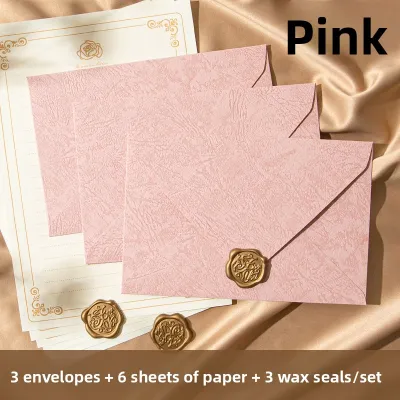
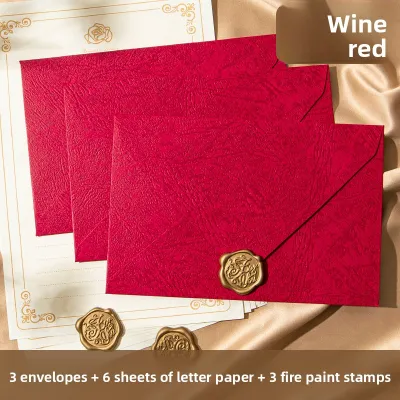
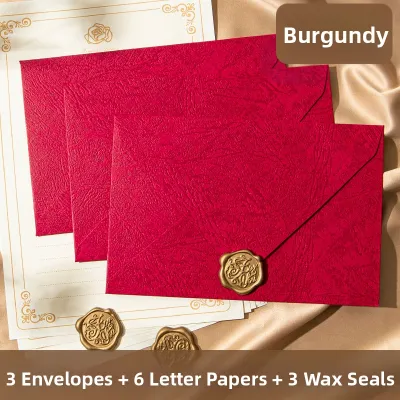
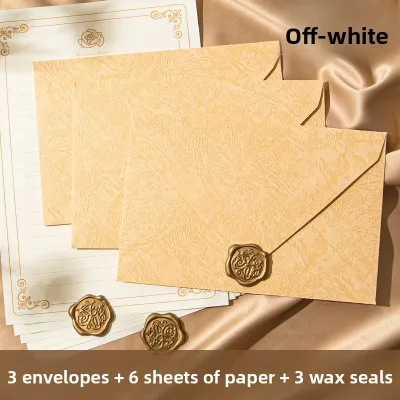
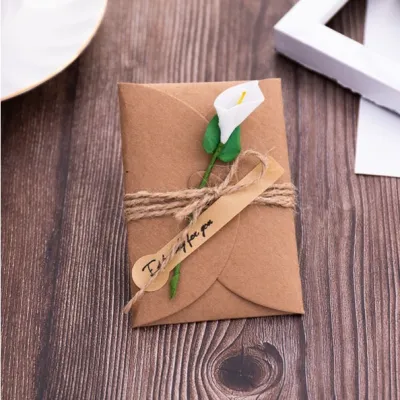
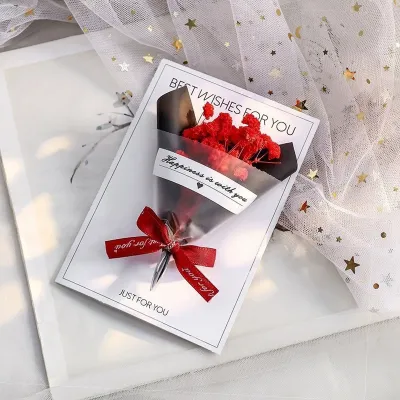
Prices are valid at publication and may change. Please refer to the product page for the latest price.
Congratulations and Major Milestones Graduations, weddings, promotions, and career milestones call for a sense of prestige and accomplishment. Look for cards with formal layouts, structured geometric patterns, or subtle metallic foil accents that catch the light. Premium paper textures, such as linen or heavy cotton cardstock, immediately signal the importance of the achievement. A folded card in a classic cream or deep navy hue provides a sophisticated backdrop for your congratulatory message.
Sympathy and Condolences During times of loss or difficulty, the card must convey warmth, respect, and quiet support. Avoid bright colors, busy patterns, or humorous text. Instead, rely on muted tones like soft gray, sage green, or pale blue, paired with simple, elegant typography. Understated designs, such as a single embossed leaf or a plain border, show thoughtfulness without being distracting. Keep the message space clean and uncluttered to allow your comforting words to stand out.
Key Factors to Consider When Selecting a Letter Card
Size and Proportion Relative to the Gift The physical scale of your letter card should harmonize with your gift packaging. A tiny enclosure card can easily get lost inside a large gift bag or slide under the folds of a massive gift box. Conversely, an oversized card might overwhelm a small, delicate jewelry box. For medium to large gifts, a standard 5×7 inch folded card is highly visible and fits neatly under a ribbon. For smaller items, a compact 3×5 inch enclosure card or a flat gift tag attached directly to the wrapping is much more balanced.

Paper Weight and Surface Texture The weight of greeting card paper is measured in grams per square meter (GSM). For a premium feel that does not bend or warp under its own weight, look for cardstock ranging from 250 GSM to 350 GSM. The surface finish also dictates how your pen behaves. Matte and uncoated textured papers (like cotton or linen blends) absorb ink quickly, making them excellent for fountain pens and gel pens. Glossy finishes look vibrant but require specialized quick-drying markers or ballpoint pens to prevent severe smearing.
Envelope Inclusion and Quality Always verify that your chosen letter card includes a matching envelope that fits its dimensions precisely. A high-quality envelope should be thick enough (usually 100 GSM or higher) to keep your message private and protect the card corners during transport. Some premium cards feature lined envelopes with contrasting colors or metallic patterns inside, adding an extra layer of elegance when opened. Ensure the envelope seal is reliable, whether it uses moisture-activated gum, a peel-and-stick adhesive strip, or requires a decorative wax seal.
Blank vs. Pre-Printed Interior Messages Deciding between a completely blank interior and a pre-printed greeting depends on your personal style and handwriting confidence. Blank cards offer ultimate flexibility, allowing you to write a long, highly personalized letter or sketch a small drawing. However, if you struggle with what to write or worry about your handwriting, a card with a brief, pre-printed sentiment provides a helpful starting point. You can then simply add a short personal sentence, the recipient’s name, and your signature below the printed text.
Tips for Handwriting and Personalizing Your Message
Testing Pen and Ink Compatibility Before you begin writing your final message, it is crucial to test your pen on a scrap piece of paper or a hidden corner of the card, such as the very bottom of the back cover. Different paper stocks react uniquely to various inks. Fountain pens and heavy gel pens may feather or bleed through thin or highly porous papers, while slick, coated papers can cause gel ink to pool and smear. If you notice bleeding or slow drying during your test, switch to a reliable ballpoint pen or a fine-liner designed for quick-drying performance.
Maintaining Straight Lines and Balanced Layouts Writing in a straight line on an unlined blank card can be challenging. To keep your text neat and organized, place a heavily lined guide sheet underneath your card if the paper is translucent enough to let the lines show through. If the cardstock is too thick, use a ruler and a very soft pencil (such as a 2B pencil) to draw light, horizontal guidelines. Write your message gently, let the ink dry completely, and then use a high-quality, non-abrasive vinyl eraser to sweep away the pencil marks without smudging your writing.
Simple Lettering Techniques for Visual Emphasis You do not need professional calligraphy skills to make your message look beautiful. You can create a faux-calligraphy effect by writing the recipient’s name in standard cursive, then drawing a second parallel line on every downward stroke of each letter and coloring in the gap. Alternatively, use a clean print style for the main body of the text and write key words—like “Congratulations” or “Thank You”—in a larger, bold script. This contrast in lettering styles adds a hand-crafted, artistic touch to the card.
Allowing Adequate Drying Time One of the most common mistakes when preparing a gift card is folding it or sliding it into the envelope too quickly. Even quick-drying inks can transfer to the opposite page or smudge against the envelope lining if they are not fully set. After finishing your message, leave the card open on a flat surface in a dry room for at least three to five minutes. In humid tropical climates, ink can take slightly longer to dry, so give it extra time before handling or sealing the envelope.
Where to Find and How to Store Greeting Cards
Sourcing High-Quality Cards When looking for the ideal letter card, local specialty stationery shops and independent bookstores often carry unique, artisan-designed cards that stand out from mass-produced options. If you prefer convenience, online marketplaces offer a vast selection of bulk card assortments and themed sets. Whether you are purchasing an individual artisan card for ₱150 or a bulk set of twenty cards, buying in bulk is highly practical, ensuring you always have a suitable card on hand for unexpected birthdays, thank-you gestures, or congratulations.
Verifying Product Specifications Online When purchasing cards from online platforms, pay close attention to the product descriptions to avoid disappointment. Check the listed paper weight to ensure it is sturdy cardstock rather than thin paper, and verify the exact dimensions so you know it fits your gift bags. Always confirm whether envelopes are included in the pack, as some minimalist card sets are sold as flat notes without matching envelopes. Reading customer reviews can also give you insight into how well the paper handles different types of ink.
Protecting Cards from Humidity and Sunlight To keep your card collection in pristine condition, proper storage is essential. In warm, humid environments, paper can easily absorb moisture from the air, leading to warping, wavy edges, or even mold. Store your unused cards flat inside an airtight plastic container or a sturdy box with a few silica gel packets to absorb excess moisture. Keep the storage box in a cool, dark closet away from direct sunlight, which can fade vibrant printed designs and turn white paper yellow over time.
Frequently Asked Questions (FAQ)
Can I use a standard letter card for a formal corporate gift?
Yes, you can use a standard letter card for a corporate gift, provided the design remains professional and understated. Avoid overly casual cards with humorous text, cartoon illustrations, or excessive glitter. Instead, opt for high-quality, heavy-weight blank note cards in neutral colors like cream, white, or charcoal gray. A simple embossed border or a subtle geometric design is highly acceptable. If you are representing a business, using official company stationery or a high-end folded card with a clean, minimalist layout is always the safest choice to maintain a professional tone.
What should I do if my pen ink smudges on the card?
If your pen ink smudges while writing, act quickly but gently. Immediately press a clean piece of absorbent paper, such as a paper towel or blotting paper, directly down onto the wet smudge without rubbing it, which would spread the ink further. If the smudge is minor, you can sometimes cover it with a small decorative sticker, a piece of matching washi tape, or a creative hand-drawn illustration. However, if the smudge is large or makes your message illegible, it is advisable to discard the card and start fresh on a new one using a faster-drying pen.
Community discussion
Share your experience or ask a question. Comments are reviewed before publication.