
Choosing the right lightstick case requires matching the unique physical dimensions of your specific idol group’s lightstick with a protective enclosure that shields it from impact, dust, and tropical humidity. Because K-pop lightsticks vary wildly in shape—ranging from standard globes to elaborate, asymmetrical designs—a single “universal” solution rarely fits all perfectly. To secure your investment, you must evaluate dimensions, material durability, internal securing mechanisms, and portability features before making a purchase.
Commuting to major concert venues in the Philippines, like the Philippine Arena in Bulacan or the Smart Araneta Coliseum in Quezon City, often involves navigating crowded public transport, sudden tropical downpours, and long hours of waiting in line. A reliable lightstick case is not just a storage accessory; it is a shield against the bumps, drops, and high humidity that can damage your precious merchandise. By taking the time to select a compatible and durable case, you ensure your lightstick remains in pristine condition for every concert, fan meeting, and display on your shelf.
Measure Your Lightstick's Dimensions and Shape
Before browsing online marketplaces or visiting local hobby shops, you must obtain the exact physical measurements of your lightstick. Because official merchandise designs range from compact cylinders to massive, top-heavy structures, guessing the size often leads to purchasing an unusable case. Use a standard ruler or a flexible sewing measuring tape to record three primary dimensions: the overall length from the top of the dome to the bottom of the handle, the maximum width at the widest point of the head, and the diameter of the handle itself.
Products mentioned in this guide
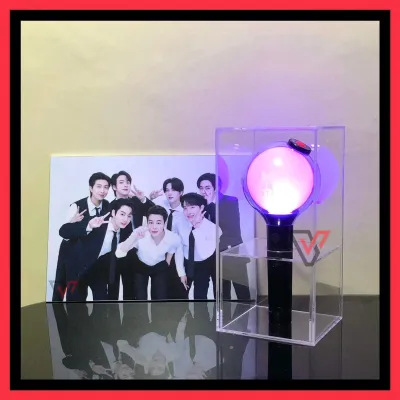
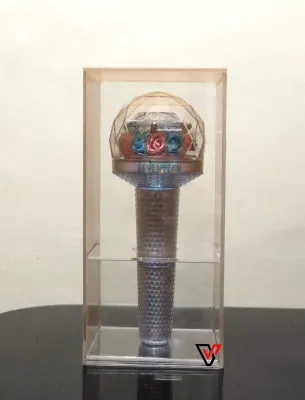
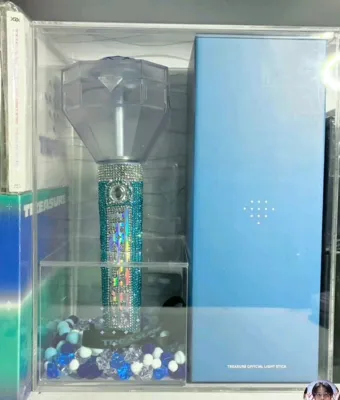
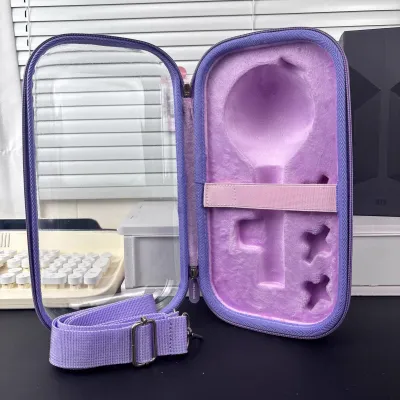
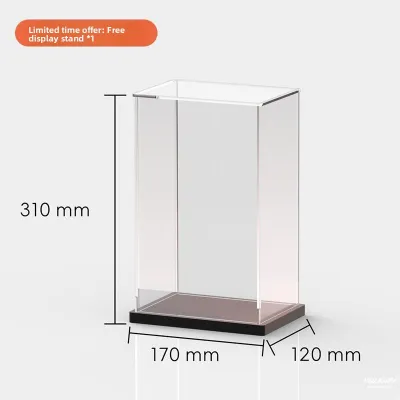
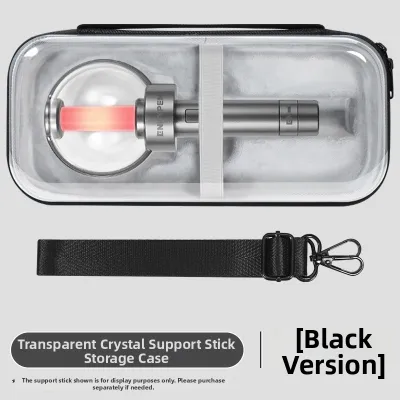
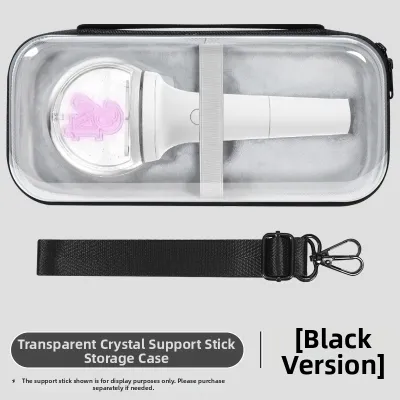
Prices are valid at publication and may change. Please refer to the product page for the latest price.
Beyond basic height and width, pay close attention to the structural geometry of your lightstick. Some models feature asymmetrical protrusions, decorative wings, or delicate external elements that can easily bend or snap under pressure. If your lightstick has detachable parts, decide whether you plan to travel with it fully assembled or disassembled, as this will drastically alter the shape and size of the case you need.
Additionally, locate the exact placement of the power buttons, mode switches, and battery compartment caps. A case that fits too tightly can compress these protruding buttons during transit, causing the lightstick to turn on accidentally inside your bag. This not only drains your batteries before you even enter the concert venue but can also cause the internal LED components to overheat in enclosed spaces. Ensure your measurements allow for at least a few millimeters of clearance around any clickable switches.
Compare Case Materials and Protection Levels
Selecting the right material for your lightstick case depends on how you plan to transport it and the level of physical hazard it will face. Hard-shell cases, typically constructed from molded ethylene-vinyl acetate (EVA) or rigid polycarbonate, offer the highest level of impact resistance. These cases act as a protective armor, shielding your lightstick from being crushed inside a packed backpack during a tight commute on the MRT or LRT, or when navigating dense crowds outside the stadium.

If you prefer a lighter, more flexible option, soft pouches made from neoprene, canvas, or velvet are excellent alternatives. While they do not protect against heavy crushing forces, they are highly effective at preventing surface scratches, scuffs, and dust accumulation. Neoprene pouches offer a slight degree of water resistance, which is incredibly valuable when sudden tropical rain showers catch you off guard during outdoor queuing. Soft pouches also compress easily, making them convenient to store inside your regular bag once you are inside the venue.
Regardless of the exterior material, the interior lining of the case is critical for preserving the aesthetic value of your merchandise. Look for cases lined with soft microfiber, brushed velvet, or dense, shock-absorbing foam. Avoid cases with rough synthetic interiors or exposed internal seams, as the constant friction of travel can rub off printed logos, scratch the glossy plastic dome, or dull the finish of decorative decals.
Verify Fit and Internal Compatibility Features
When shopping for a lightstick case, avoid relying solely on generic product titles that claim to fit “all standard lightsticks.” Instead, carefully read the product descriptions and specifications for explicit model compatibility lists. Reputable manufacturers and sellers will often list the specific group lightsticks that have been physically tested with the case, giving you peace of mind before you spend your hard-earned money.
A secure fit is determined by how well the lightstick is held in place once the case is zipped shut. Look for internal securing mechanisms such as adjustable hook-and-loop straps, elastic bands, or custom-cut foam inserts that cradle the handle and head. Without these features, a lightstick stored in a slightly oversized case will slide and rattle around, leading to internal component damage or surface scuffing from repeated impact against the case walls.
Finally, ensure the case has dedicated space for essential accessories. A high-quality case should feature internal mesh pockets or zippered compartments to hold spare AAA batteries, wrist straps, photo cards, and decorative keychains. Keeping these items separated from the main compartment prevents them from scratching the delicate plastic dome of your lightstick during movement, while keeping your concert essentials organized in one place.
Evaluate Portability for Concert Days and Travel
Concert days are physically demanding, often requiring you to carry your gear for twelve hours or more. Therefore, the portability features of your lightstick case are just as important as its protective qualities. Look for cases equipped with reinforced wrist loops, detachable shoulder straps, or heavy-duty carabiner clips. A carabiner allows you to clip the case securely to the exterior of your backpack, freeing up valuable internal space for water bottles, portable fans, and personal items.
Consider the overall bulk and weight of the case when fully loaded. While a heavy-duty, double-layered hard case provides maximum security, it can become incredibly tiring to carry around your neck or shoulder during a long day of walking and standing. Balance your need for protection with your personal comfort, especially if you plan to commute long distances or stand in the general admission section.
Furthermore, keep venue security protocols in mind. Many stadiums and arenas enforce strict bag policies, which may include size limitations or mandatory bag inspections. A lightstick case with a smooth, dual-zipper design allows you to open the compartment quickly and completely for security personnel. This speeds up the inspection process at the gates, reducing hassle for both you and the security staff during peak entry hours.
Navigate E-Commerce Platforms and Official Stores Safely
Finding the perfect lightstick case often involves navigating various online marketplaces and specialty shops. Official merchandise stores occasionally release custom-molded cases specifically tailored to their artists’ lightsticks, which guarantee a perfect fit and high-quality materials. However, these official options are often limited editions, sell out rapidly, and can carry high shipping fees.
If you turn to third-party sellers on e-commerce platforms, you must exercise caution to avoid low-quality counterfeits or poorly sized imitations. Prices for third-party cases typically range from ₱300 to ₱1,200, depending on the materials and features. To ensure you are getting a reliable product, closely examine buyer-uploaded photos and read customer reviews. Look for specific feedback regarding zipper durability, chemical odors, and how well the case fits the exact lightstick model you own.
Before finalizing your purchase, always verify the seller’s return and exchange policies. Because minor manufacturing variances can occur, there is always a small chance the case might be slightly too tight or loose upon arrival. Shopping with sellers who offer straightforward return or replacement options protects your investment and ensures you can secure a properly fitting case before your next big concert event.
Frequently Asked Questions (FAQ)
Can I use a universal hard case for an irregularly shaped lightstick?
Yes, you can use a universal hard case for an irregularly shaped lightstick, but you must take extra precautions to prevent damage. Because universal cases do not have custom-molded interiors, an irregular lightstick will likely slide around inside, risking friction scratches or bent decorative parts. To stabilize it, wrap the lightstick in a soft microfiber cloth or use customizable foam inserts to fill the empty space and cushion the protruding elements.
How do I clean a lightstick case without damaging the interior?
To clean a lightstick case, wipe the exterior shell with a slightly damp microfiber cloth to remove dust, dirt, and fingerprints. Avoid using harsh chemical solvents, bleach, or soaking the case entirely in water, as excessive moisture can weaken the adhesives holding the inner lining and degrade EVA foam. Always allow the case to air dry completely in a shaded, well-ventilated area before placing your lightstick back inside.
Should I remove batteries before long-term storage in the case?
Yes, you should always remove the batteries from your lightstick before storing it in a case for more than a few days. The high humidity in tropical climates can accelerate battery degradation, leading to corrosive acid leaks that can permanently ruin the lightstick’s battery terminals and internal wiring. Additionally, removing the batteries prevents the lightstick from accidentally turning on if the case interior presses against the power switch during storage.
Community discussion
Share your experience or ask a question. Comments are reviewed before publication.