
In the Philippines, organizing school projects, certificates, and office documents often requires a specific type of folder known as a long clear book. This stationery staple is designed to hold longer sheets of paper, keeping them flat, clean, and professional. However, choosing the wrong folder can lead to crumpled edges, torn plastic sleeves, or documents that awkwardly stick out of the top.
Selecting the right clear book long size involves more than just picking your favorite cover color. You must consider the exact dimensions of your documents, the thickness of the plastic sleeves, the overall page capacity, and how the folder will be transported. By understanding these key factors, you can find a durable organizing tool that perfectly matches your daily academic or professional needs.
Understanding Long Size Dimensions and Paper Compatibility
One of the most common frustrations when buying a long clear book is discovering that your documents do not fit properly. In the local market, the term “long” typically refers to the Folio paper size, which measures 8.5 by 13 inches (216 mm x 330 mm). This is a standard size for school worksheets, government forms, and local business contracts.
Products mentioned in this guide
![COLORED SHORT CLEARBOOK / COLORED LONG CLEARBOOK / SCHOOL MATERIAL CLEAR BOOK/ OFFICE DOCUMENT ORGANIZER CLEAR BOOK/ HOME ORGANIZER CLEAR BOOK [ SALE ]](https://img.lazcdn.com/g/p/127bba37d462203da96160c7a9a18e69.jpg_400x400q80.jpg_.webp)
Prices are valid at publication and may change. Please refer to the product page for the latest price.
However, many imported stationery items are designed for the standard US Legal paper size, which measures 8.5 by 14 inches (216 mm x 356 mm). If you purchase a clear book designed for US Legal paper, your local long documents will fit, but you will have an extra inch of empty plastic at the top of each sleeve. Conversely, if you attempt to place a US Legal document into a local long clear book, the top of the paper will stick out, leaving it vulnerable to dirt, moisture, and tearing. Always check the exact product dimensions printed on the label rather than relying solely on the word “long.”
To ensure a perfect fit, you must also consider the thickness of your document stacks. If you plan to insert multiple pages into a single sleeve—such as a multi-page report or a thick piece of cardstock—the bulk of the paper will pull the sides of the plastic sleeve inward. This physical stretching reduces the effective width of the sleeve, making it harder to insert pages without bending their corners.
Additionally, pay close attention to the welding seam allowance inside the sleeves. The plastic pockets are sealed at the bottom and along the spine using heat-welding techniques. This seam can take up to several millimeters of space inside the sleeve. If the manufacturer did not design the sleeve with a generous tolerance, standard long paper might catch on these seams, requiring you to force the paper in and risk damaging the edges.
Key Selection Criteria for Long Clear Books
Selecting the ideal clear book requires evaluating several physical and structural attributes. The primary variables to consider are the sleeve count, the thickness of the plastic cover and inner pockets, and the binding style. These features do not exist in isolation; they interact to determine the overall weight, flexibility, and protective qualities of the folder.

For instance, a high sleeve count combined with thick plastic results in a heavy, rigid folder that is excellent for desktop archiving but highly impractical for carrying in a backpack. Understanding these trade-offs is key to making an informed decision that balances durability with daily usability.
Sleeve Count and Document Capacity
Clear books are generally categorized by their sleeve count, which directly dictates their storage capacity. Low-capacity options, typically containing 20 to 40 sleeves, are lightweight and highly portable. They are ideal for single-subject school portfolios, brief presentations, or active project files that you need to carry daily.
High-capacity clear books, ranging from 60 to 100 or more sleeves, are designed for heavy-duty archiving, comprehensive reference manuals, or multi-year school records. While they offer massive storage, they become exceptionally bulky and heavy when fully loaded. Carrying a 100-pocket clear book filled with double-sided documents can add significant strain to your bag.
Overstuffing individual sleeves is a common mistake that shortens the lifespan of your clear book. Shoving multiple sheets of paper into a single sleeve stretches the plastic, weakens the heat-welded seams, and can eventually cause the binding to split. If you need to display a large volume of information, consider double-sided printing or loading pages back-to-back—placing two sheets per sleeve facing outwards—to maximize your sleeve count without putting undue physical stress on the plastic pockets.
Plastic Thickness and Page Protection
The durability of your clear book depends heavily on the quality and thickness of the plastic used for both the cover and the inner sleeves. Most clear books use polypropylene, which is acid-free and archival-safe, ensuring your documents will not degrade over time. Sleeve thickness is often measured in microns; thicker sleeves offer superior resistance to tearing and creasing but add significant weight to the folder.
When evaluating the inner sleeves, consider the finish. Crystal-clear, glossy sleeves offer excellent color contrast and are perfect for vibrant graphics, certificates, or photographs. However, they reflect overhead lights, which can cause glare and eye strain during presentations. If you plan to read documents under bright office fluorescent lights or in sunny classrooms, look for sleeves with an anti-glare or matte finish.
Inspect the edges of the sleeves closely before purchasing. High-quality clear books feature reinforced welding edges along the spine and outer seams to prevent splitting. The seams should be smooth and free of plastic burrs or rough edges, which can scratch your hands or snag on other items inside your bag.
Binding, Spine, and Closure Mechanisms
The binding style determines how easily you can organize your documents and whether the clear book will lie flat on a desk. Fixed-bound clear books have sleeves that are permanently welded to the spine. They are highly stable and prevent pages from falling out, but they offer no flexibility if you need to add, remove, or rearrange sleeves later.
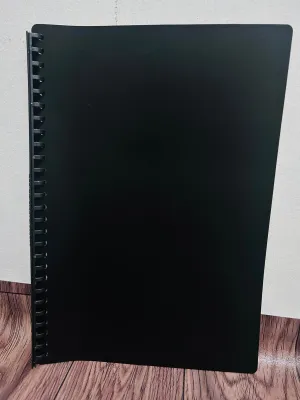
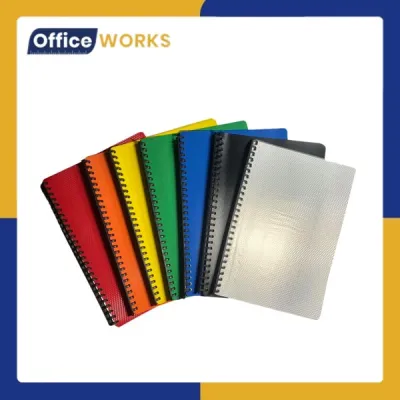
Refillable clear books feature a ring-bound or slide-lock mechanism that allows you to open the spine and insert replacement or additional sleeves. This is highly convenient for dynamic projects, though the binding mechanism itself adds extra bulk and weight. It also allows you to replace individual damaged sleeves without discarding the entire folder.
The spine width must match the volume of your documents. A rigid, narrow spine on an overfilled clear book will prevent the folder from closing flat, causing it to fan open and expose the edges of your papers to dust and moisture. Look for flexible spines that expand slightly as you add more pages.
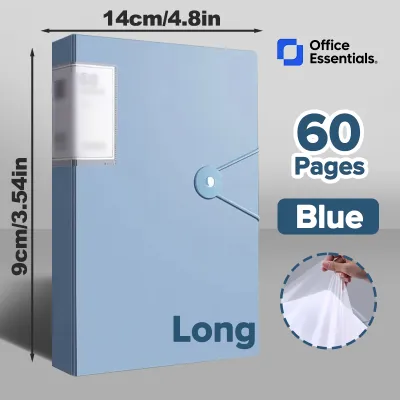
To keep your documents secure during transit, consider the closure mechanism. Clear books equipped with elastic bands, snap buttons, or full-zippered protective cases prevent the folder from accidentally opening inside a bag. This keeps your papers safe from crumpled corners and unexpected spills during your daily commute.
Building Your Shortlist: Matching Features to User Profiles
The right combination of clear book features depends entirely on your daily routine and the environment in which you operate. A student commuting to campus has vastly different requirements than an administrative assistant managing legal archives in an office. By mapping the physical attributes of clear books to specific user profiles, you can narrow down your choices to the options that balance portability, protection, and capacity for your specific tasks.
For Students Managing School Requirements
Students frequently need to transport portfolios, art projects, and compiled worksheets between home and school. For this lifestyle, portability is paramount. A lightweight clear book with a moderate sleeve count of 20 to 40 pockets is usually the sweet spot, preventing your backpack from becoming excessively heavy.
Look for clear books that feature a customizable spine label or a clear plastic insert on the front cover. This allows you to easily label the folder with your subject name, grade level, or project title, saving you time when rushing between classes. Brightly colored covers can also help you color-code your subjects for quick identification.
Because school bags are often packed tightly with textbooks and water bottles, choose a clear book with a flexible but durable cover and tear-resistant sleeves. This ensures the folder can bend slightly without cracking, protecting your hard work from the wear and tear of a daily commute. Water-resistant covers are also highly beneficial for protecting papers from sudden tropical downpours.
For Professionals Filing Office and Legal Documents
In an office setting, clear books are primarily used for archiving contracts, organizing client presentations, or storing standard operating procedures. Here, long-term document preservation and a professional appearance are the top priorities. Budget-friendly options under ₱100 may work for temporary storage, but investing in premium materials is recommended for client-facing documents.
Opt for high-capacity clear books with thick, heavy-duty plastic sleeves that protect sensitive papers from fingerprints, dust, and moisture. Fixed-bound styles with rigid, solid-colored covers in dark or neutral tones present a clean, formal aesthetic during board meetings and client consultations.
Ensure the clear book’s dimensions are a precise match for your office’s standard paper size. If your office primarily uses local long-size contracts, verify that the sleeves are long enough to fully enclose the paper. Any overhang will leave the edges of important legal documents vulnerable to fraying, dust accumulation, and accidental tearing.
Inspection Checklist for Online and In-Store Purchases
To avoid the disappointment of a flimsy or incorrectly sized folder, it is essential to inspect the product thoroughly before making a final decision. Whether you are shopping in a physical stationery store or browsing an online marketplace, a systematic check will ensure you get a durable product.
If you are shopping in-store, take the opportunity to physically test the clear book. Flex the outer cover to check its rigidity; it should feel sturdy enough to protect the inner pages without cracking. Open and close any snap buttons, zippers, or elastic bands several times to ensure they operate smoothly and securely. Run your fingers along the inner welding seams of the sleeves to check for weak spots, tears, or sharp plastic burrs that could damage your documents.
When purchasing from an online marketplace, you must rely on product descriptions and customer feedback. Read user reviews carefully, paying close attention to comments regarding the actual plastic thickness and whether the sleeves fit local long-size paper without overhang. Look for reviews that mention how the item was packaged, as clear books can easily get bent or cracked during shipping if not protected by sturdy cardboard.
Finally, always verify the seller’s return and exchange policy. This provides a safety net in case the clear book arrives with manufacturing defects, such as misaligned binding rings, torn sleeves, or incorrect dimensions that do not match the product listing. Keeping your receipt or taking an unboxing video can make the return process much smoother.
Frequently Asked Questions (FAQ)
Can I replace individual sleeves if one gets torn?
Whether you can replace individual sleeves depends entirely on the binding style of your clear book. If you have a fixed-bound clear book, the sleeves are permanently melted into the spine, meaning you cannot replace a single torn sleeve without cutting it out, which leaves an unsightly gap and can weaken the surrounding binding.
If you choose a refillable clear book, you can easily replace damaged sleeves. These models feature a ring or slide-lock spine that opens, allowing you to slide out the torn pocket and insert a fresh refill sleeve. Just ensure that the replacement sleeves you purchase match the exact hole configuration and dimensions of your clear book’s binding mechanism.
How do I prevent documents from sticking to the plastic sleeves?
In warm, humid tropical climates, documents can easily stick to plastic sleeves over time, potentially transferring ink and ruining your papers. To prevent this, always ensure that printed documents—especially those from laser printers or fresh inkjet prints—are completely cool and dry before you slide them into the sleeves.
For highly sensitive documents, original certificates, or glossy photographs, consider placing a blank sheet of plain, acid-free paper behind the document as a protective buffer. This absorbs residual moisture and prevents the printed surface from making direct, prolonged contact with the plastic.
Additionally, store your clear books upright on a shelf in a cool, dry room away from direct sunlight. High heat and humidity can cause the plastic material to degrade, become tacky, and fuse with the ink on your papers.
Community discussion
Share your experience or ask a question. Comments are reviewed before publication.