
Choosing a long clipboard requires matching the board’s physical dimensions and material properties to your specific document sizes and working environment. For professionals handling legal-size documents, architectural sketches, or field reports, a standard letter-size board is insufficient. The right choice ensures that papers remain flat, secure, and protected from environmental factors like high humidity or wind. By evaluating key features such as material rigidity, clip tension, and storage capacity, you can find a tool that enhances your daily productivity and protects your valuable paperwork.
Understanding Long Clipboard Dimensions and Document Fit
In the Philippines, legal-size paper (often referred to locally as “long bond paper”) measures 8.5 by 13 inches (215.9 x 330.2 mm), while international legal paper measures 8.5 by 14 inches (215.9 x 355.6 mm). A true long clipboard typically features a backing board measuring at least 9 by 15 inches to provide a protective border around these extended sheets. This extra margin prevents the edges of your documents from fraying, bending, or tearing when you place the clipboard inside a bag or carry it under your arm.
When selecting a board, measure the top margin of your documents. The clip mechanism usually occupies between 1 to 2 inches of vertical space at the top of the board. Ensure that your printed text or binding margins do not sit directly under the clamp, which could obscure critical signatures, case numbers, or headers. If you frequently use pre-printed forms, look for a clipboard with a low-profile clip that minimizes the amount of paper surface covered.
Products mentioned in this guide
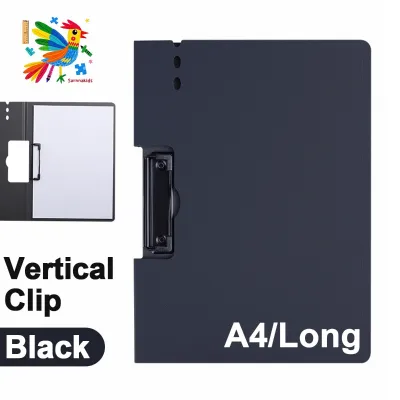
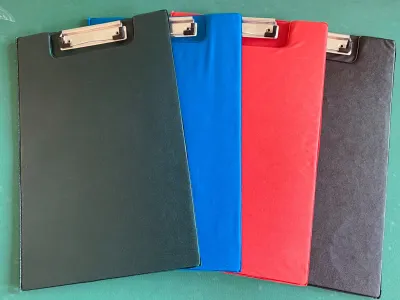
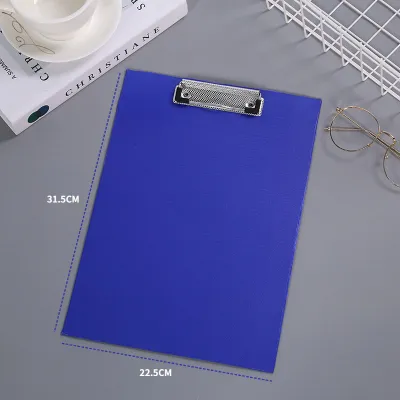
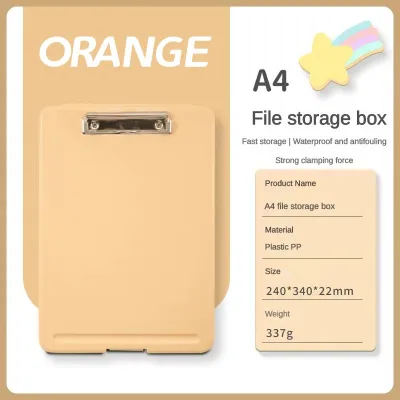
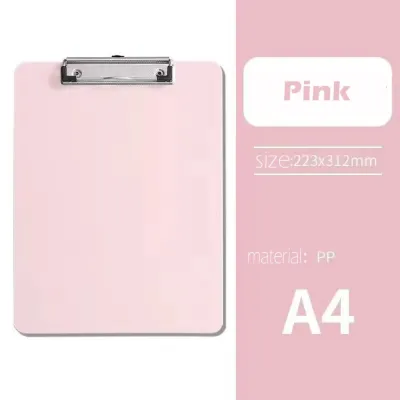
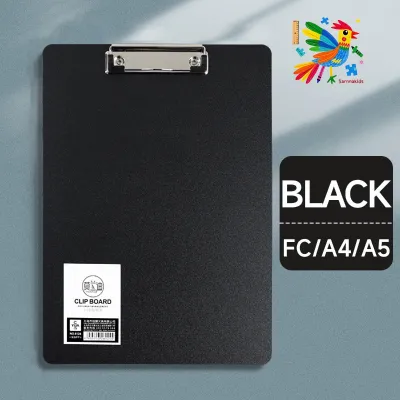
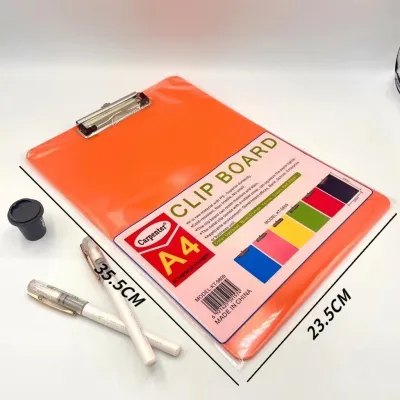
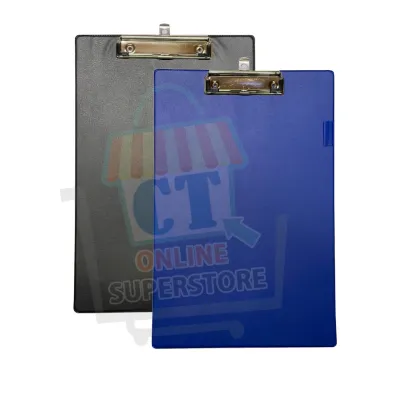
Prices are valid at publication and may change. Please refer to the product page for the latest price.
Examine the physical edges of the board before purchase. Run a finger along the perimeter to check for rough fibers, splinters, or sharp plastic flashing. A smooth, bevelled edge prevents paper from snagging or tearing when you slide sheets in and out of the clip during fast-paced work. Additionally, verify the thickness of the backing material. A board that is too thin will flex under the pressure of a pen, leading to uneven handwriting and potential tears. For reliable stability, look for a minimum thickness of 3 millimeters in plastic or hardboard options.
Matching Clipboard Features to Your Work Scenario
Legal and Office Work
Legal professionals and administrative staff frequently handle thick stacks of long bond paper. For these environments, a smooth, non-porous writing surface is essential to ensure clean ink lines when signing contracts or taking deposition notes. Lightweight materials like high-density plastic or polished hardboard reduce fatigue during long meetings or court sessions where you might write without a desk. The clip tension should be firm enough to hold a full legal pad of up to 50 sheets without crimping or tearing the top pages.

Architecture and Portfolios
Architects, designers, and engineers often work with oversized prints, blueprints, or design portfolios that exceed standard legal dimensions. These documents require an extra-large, highly rigid backing board to prevent large-format papers from sagging at the corners. Look for specialized portfolio clipboards that feature protective vinyl covers or fold-over flaps. These flaps shield delicate drawings from dust, smudges, and accidental folds while transporting them between the office and client presentations.
Field Reporting and Outdoor Use
Field researchers, site inspectors, and logistics coordinators face unpredictable outdoor conditions, especially in tropical climates. For these scenarios, water-resistant materials such as anodized aluminum or heavy-duty molded plastic are vital. A built-in storage compartment underneath the writing surface keeps extra forms, reference manuals, and pens dry and organized. Additionally, outdoor clipboards require high-tension spring clips with rubber-coated grips to prevent loose papers from blowing away in sudden gusts of wind.
Evaluating Board Materials and Clip Mechanisms
Board Materials
Hardboard (often made of compressed wood fibers) offers excellent rigidity and a classic, smooth writing surface at an affordable price, but it is highly susceptible to moisture damage. Aluminum provides maximum durability, is completely water-resistant, and is easy to sanitize, though it can feel heavy and can become hot if left in direct sunlight. Plastic clipboards are lightweight, water-resistant, and available in various colors for color-coding, but cheaper varieties may flex under heavy writing pressure.
Clip Mechanisms
Low-profile clamps are ideal if you need to stack multiple clipboards or slide them easily into a backpack or briefcase, though they hold fewer sheets. Traditional lever-arch or high-tension spring clips offer a much larger vertical clearance, allowing you to secure thick pads or up to a hundred loose sheets at once. To test grip strength, insert a single sheet of paper and pull gently; the paper should remain firmly in place without slipping or tearing.
Safety and Comfort
Always check for rounded corners on both the board and the metal clip. Sharp metal corners can scratch skin, snag clothing, or damage vehicle upholstery during transit. If you carry the board for hours, look for models with integrated rubber grips along the clip edge to protect your fingers when opening the clamp.
Cross-Scenario Compatibility and Daily Maintenance
If your work transitions between the office and the field, look for versatile hybrid designs. A folding clipboard with a rigid plastic cover provides the professional appearance of a folder in meetings, yet folds back completely to serve as a sturdy writing platform on-site. Dual-sided models with a writing surface on one side and a storage box on the other offer the best of both worlds for multi-tasking professionals.
To maintain your clipboard, wipe the surface regularly with a damp microfiber cloth to remove dust, ink residue, and sweat. Avoid using harsh chemical solvents on plastic or hardboard surfaces, as they can degrade the material or strip away protective coatings. Keep the metal spring mechanism dry, and occasionally clear out any trapped paper fibers or debris using a small brush.
Inspect your clipboard periodically for signs of wear. If the spring tension weakens and papers begin to slide out, or if a hardboard backing starts to warp or swell from humidity, it is time to replace the board. Rust on the metal clip can stain important legal documents, making immediate replacement necessary.
Frequently Asked Questions (FAQ)
Can I use a standard letter-size clipboard for legal documents?
Using a standard letter-size clipboard for legal-size documents is not recommended because the bottom two to three inches of the paper will overhang the edge of the board. This lack of support makes writing on the bottom portion of the document extremely difficult and leaves the unsupported paper vulnerable to creasing, tearing, or catching on objects during transport.
How do I prevent my field clipboard from warping in humid conditions?
To prevent warping in humid environments, choose clipboards made of aluminum or high-grade plastic rather than standard hardboard. Always store your clipboard in a cool, dry place away from direct sunlight and moisture when not in use. If you must use a wood-based board, check the manufacturer’s care instructions to see if the edges are sealed, and avoid leaving it in damp vehicles or outdoor storage sheds.

Community discussion
Share your experience or ask a question. Comments are reviewed before publication.