
Finding the right long file organizer requires balancing document dimensions with physical workspace constraints. To make the correct choice, you must identify the exact internal clearance needed for your specific paper sizes, calculate the volume of your files, and measure your desk or shelf space while accounting for retrieval clearance. Selecting the appropriate material and structural design ensures your documents remain protected and accessible.
Determine the Right Internal Dimensions for Your Documents
In the Philippines, office documents come in various sizes, with “long bond paper” (often referring to US Legal or Folio sizes) being highly common alongside standard A4 and Letter sizes. A standard US Legal sheet measures 8.5 by 14 inches (216 by 356 mm), while Folio paper measures 8.5 by 13 inches (216 by 330 mm). When shopping for a long file organizer, always verify the internal clearance rather than relying solely on the external product label. An organizer labeled “legal size” might refer to its outer dimensions, leaving the interior too tight for documents housed in folders or plastic sleeves.
To estimate your capacity needs, assess the total volume of your paperwork. A standard ream of 500 sheets of paper typically requires about 5 centimeters of depth or spine width. If you plan to store documents in individual manila folders, hanging files, or plastic sheet protectors, you must account for the extra bulk these accessories add. Sheet protectors and binder tabs extend beyond the edge of standard paper, meaning you will need an organizer with extra width and height to prevent the edges of your files from bending or getting crushed when the lid is closed.
Products mentioned in this guide
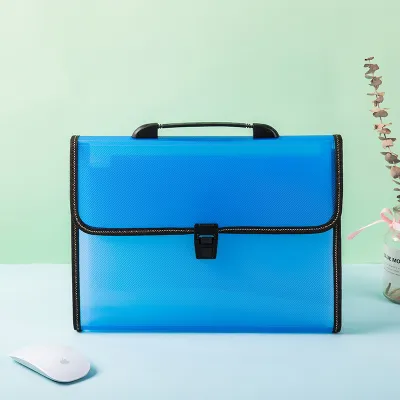
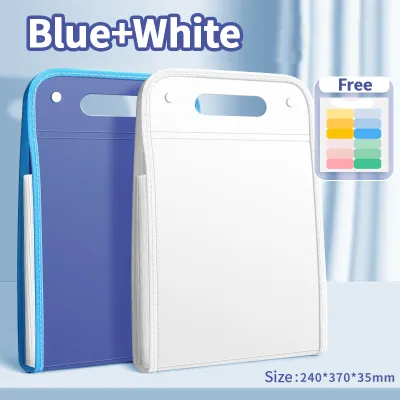
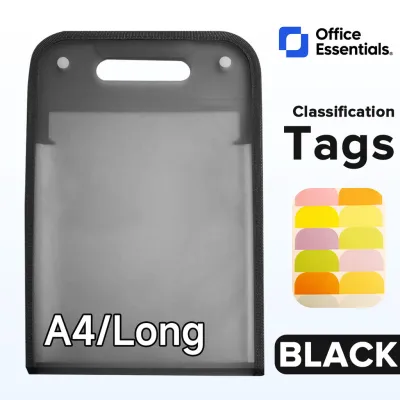
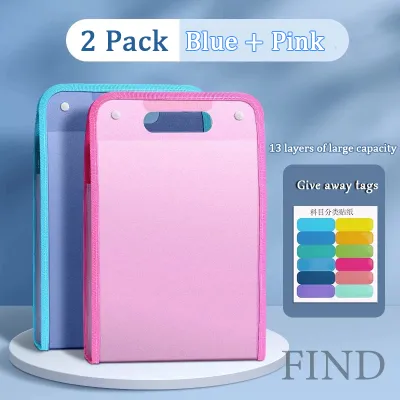
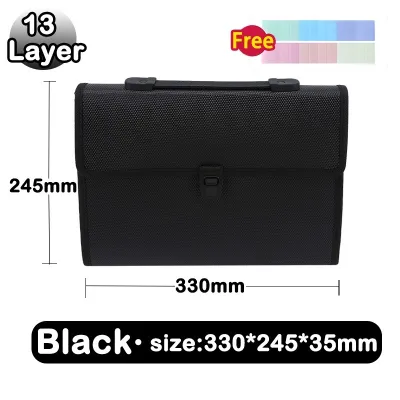
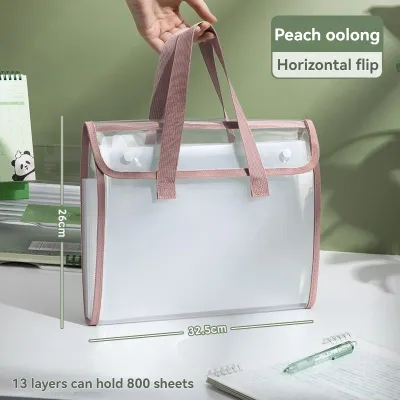
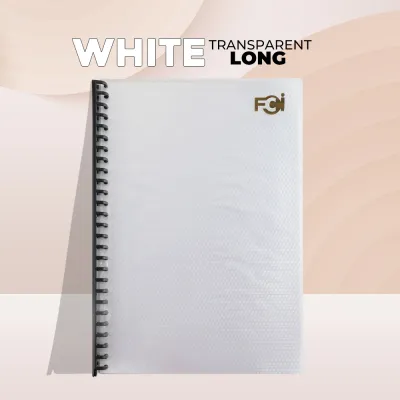
Prices are valid at publication and may change. Please refer to the product page for the latest price.
Measure Your Desk, Shelf, or Drawer Space Accurately
Before purchasing any organizer, take precise measurements of the physical area where it will sit. If you plan to place the organizer on a shelf, measure the height, depth, and width of the opening. Always leave at least 3 to 5 centimeters of vertical clearance above the organizer. This empty space is crucial because it allows your hands to reach in, grasp the files, and pull them out without scraping your knuckles against the shelf above.

For desktop placement, evaluate the available surface area to ensure the organizer does not encroach on your active workspace. A long file organizer has a larger footprint than standard letter-sized holders, so it must be positioned where it will not block your keyboard, mouse path, or computer monitor. If you prefer concealed storage, measure the interior of your desk drawers. Be sure to measure the clearance of the drawer lip and any sliding mechanisms, as these hardware components can snag on the top of a tall file organizer when the drawer is opened or closed.
Select the Best Organizer Style for Your Layout
The physical orientation of your organizer significantly impacts both space efficiency and daily workflow. Vertical or upright organizers are excellent for saving desk space because they utilize height rather than width. They allow you to flip through files quickly, making them ideal for active documents that you retrieve multiple times a day. Horizontal or stacking organizers, on the other hand, are better suited for archival storage or heavy binders. While they keep papers perfectly flat, retrieving a document from the bottom of a stack can be cumbersome.
You must also choose between open-top and lidded designs. Open-top organizers offer immediate access and can accommodate slightly taller folders, but they leave your documents exposed to dust and environmental factors. In tropical climates with high humidity, open storage can expose paper to moisture, leading to warping or mold over time. Lidded organizers provide excellent protection against dust and humidity, and they allow you to stack multiple units on top of one another. However, they require extra steps to open and retrieve files.
Material selection plays a vital role in durability and aesthetics. Rigid plastic organizers are highly durable, water-resistant, and easy to wipe clean, making them ideal for humid environments. Heavy-duty cardboard options are lightweight and budget-friendly, often costing under ₱500, but they can sag or weaken if exposed to moisture or overloaded with heavy files. Wood or thick acrylic organizers offer a premium, sturdy feel that complements professional office spaces, though they are heavier to move around.
Check Build Quality and Practical Features Before Buying
A reliable long file organizer must withstand the weight of dense paper loads without losing its shape. When inspecting an organizer, look for reinforced corners and double-walled bases, which prevent the structure from bowing. Run your fingers along the edges and seams to ensure there are no sharp plastic burrs or rough wooden splinters that could snag your documents or scratch your desk surface.
Practical features can greatly improve your filing efficiency. Look for built-in label holders on the front or spine of the organizer so you can identify the contents at a glance. Internal dividers or adjustable slots are incredibly useful for keeping files upright when the organizer is not completely full. If you need to transport your files between home and the office, prioritize models with sturdy, integrated handles that are molded directly into the frame rather than flimsy attached straps.
If you plan to expand your storage vertically in the future, check for specific stackability features. High-quality stackable organizers feature interlocking lids, recessed bases, or alignment tabs that prevent the top unit from sliding off the bottom one. Avoid stacking plain, flat-topped boxes that lack these safety features, as a slight bump to your desk could cause the entire stack to topple over.
Avoid Common Sizing and Placement Mistakes
One of the most frequent mistakes is purchasing an organizer based entirely on its advertised external dimensions. Thick plastic walls, decorative trim, and protruding handles can reduce the actual internal storage space by several centimeters, leaving you with an organizer that cannot hold your legal-sized documents. Always look for the specified internal dimensions or bring a sample folder with you to test the fit.
Another common error is overloading lightweight materials. Cardboard and thin plastic organizers have strict weight limits; packing them tightly with heavy magazines, catalogs, or bound reports will cause the sides to bulge and the bottom to sag. This structural failure not only damages the organizer but can also crease and ruin your important documents.
Finally, remember to account for the “pull-out” clearance required for your storage setup. If you place a deep horizontal organizer on a narrow shelf, you must have enough room in front of the shelf to pull the drawers or files completely out. Additionally, always distribute weight carefully. Placing a heavy file organizer on a flimsy shelf or at the very edge of a narrow desk creates a tipping hazard that can lead to accidents or damaged equipment.
Frequently Asked Questions (FAQ)
Can I store A4 documents in a legal-size long file organizer?
Yes, A4 documents will easily fit inside a legal-size long file organizer because A4 paper is shorter and narrower than legal-size paper. However, because of the extra space, smaller documents may slide around, sag, or fall flat. To keep your A4 files neat and upright, use internal dividers, hanging folders, or place the papers inside standard folders before filing them.
How do I prevent plastic file organizers from warping under heavy paper loads?
To prevent plastic organizers from warping, avoid overloading them beyond their structural capacity. Distribute the weight of your documents evenly across the organizer rather than concentrating heavy items on one side. Keep the organizer away from direct sunlight and heat sources, which can soften the plastic, and choose models designed with reinforced ribbed walls or double-layered bases for added rigidity.
Community discussion
Share your experience or ask a question. Comments are reviewed before publication.