
The ideal love letter card acts as a physical bridge between your emotions and your partner’s heart, but its success depends heavily on matching the card to your current relationship stage. A card that feels perfect for a couple celebrating a decade of marriage might feel overwhelming for a new romance, while a long-distance partnership requires a design that can withstand the journey and bridge physical miles. Selecting the right card involves balancing visual design, paper weight, and writing compatibility to ensure your handwritten message lands exactly as intended. By aligning the card’s physical and aesthetic qualities with your shared history, you create a meaningful keepsake that honors your unique connection.
Understanding How Card Design Sets the Emotional Tone
Every greeting card communicates a message before it is even opened. The visual and tactile elements of a love letter card establish a baseline expectation, preparing the recipient for the tone of the handwritten words inside. Color psychology plays a significant role here; soft pastels, warm creams, and whimsical illustrations suggest a lighthearted, playful affection, whereas deep jewel tones, minimalist layouts, or elegant metallic foil accents convey a more formal, deeply romantic sentiment. Typography also guides the reader’s mood, with clean sans-serif fonts feeling modern and casual, while intricate calligraphy or classic serif lettering signals tradition and emotional weight.
Beyond the visual design, the physical feel of the paper speaks volumes about the card’s intended longevity. Paper weight, typically measured in grams per square meter (GSM), serves as a primary indicator of quality and keepsake value. A card crafted from heavy, textured cardstock (such as 300 GSM or higher) feels substantial in the hand and resists warping, which is particularly important in humid tropical climates where thin paper can easily absorb moisture and lose its structure. Finally, you must align the card’s pre-printed content with your personal communication style. If you are naturally humorous, a witty or slightly playful card will feel authentic; if you prefer deep emotional expression, a blank, high-quality canvas allows your own words to take center stage without distraction.
Products mentioned in this guide
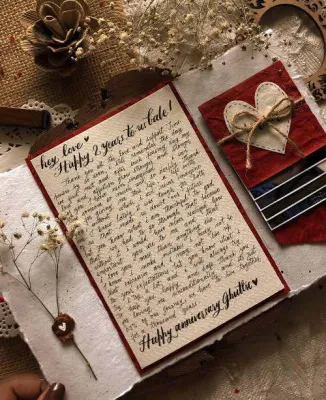
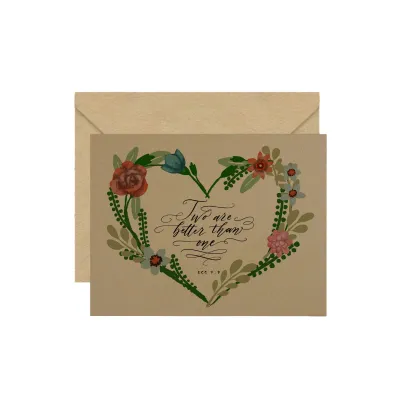
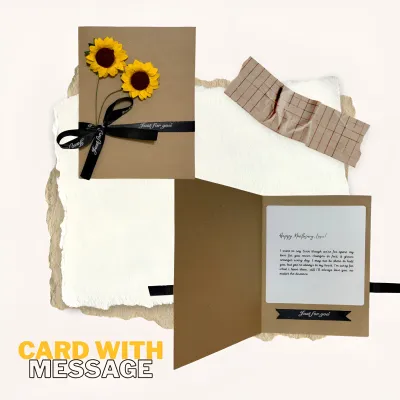
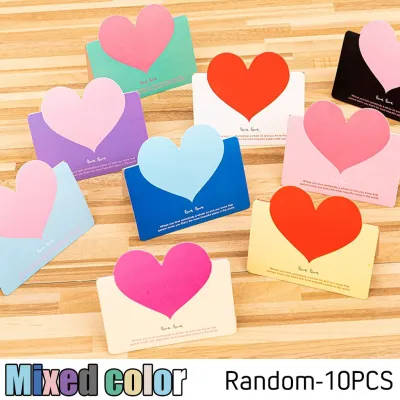
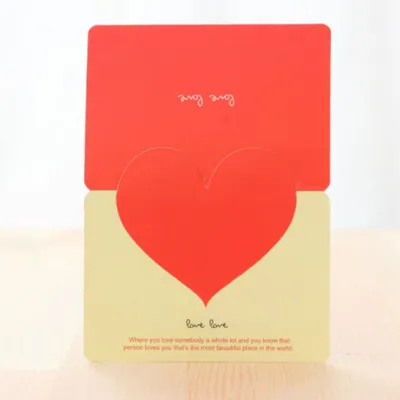
Prices are valid at publication and may change. Please refer to the product page for the latest price.
Choosing a Card for a New Romance: Sincere and Thoughtful
Navigating the early stages of a relationship requires a delicate balance of warmth and restraint. When selecting a love letter card for a new romance, the goal is to express genuine, growing affection without overwhelming your partner or rushing the relationship timeline. Prioritize understated designs, lighthearted illustrations, or simple, sincere messages that match your current comfort level. Whimsical drawings, botanical prints, or cards featuring gentle humor are excellent choices because they convey thoughtfulness without carrying the heavy emotional weight of long-term commitment.

Avoid cards that feature intense, pre-printed declarations of eternal love, highly elaborate keepsake structures, or overly intimate themes. These choices can inadvertently create pressure or feel premature, potentially making the recipient uncomfortable. Instead, look for single-fold cards or flat note cards that offer a clean, inviting space for a brief message. A simple card that costs around ₱100 to ₱200 can feel incredibly special when paired with a short, sincere note highlighting a favorite shared memory, a recent fun date, or an inside joke. This approach keeps the gesture sweet, authentic, and perfectly proportioned to your blossoming connection.
Selecting Anniversary Cards: Depth, Memories, and Keepsake Quality
An anniversary is a celebration of shared history, resilience, and deep commitment, demanding a card that reflects the substance of your journey. For these milestones, look for premium materials that signal the card is meant to be preserved as a long-term keepsake. Cards featuring thick cotton paper, letterpress printing, or subtle foil accents offer a tactile richness that elevates the entire experience. These high-end finishes not only look beautiful but also withstand the test of time, allowing your partner to revisit your words years down the road without the paper degrading.
The design of an anniversary card should ideally mirror the unique narrative of your relationship. Look for visual themes that resonate with your shared milestones, such as illustrations of cozy home settings, travel adventures, or symbolic timelines. If you have a wealth of memories and gratitude to express, choose a completely blank, high-quality card. A blank interior provides an uninterrupted canvas for a lengthy, deeply personal handwritten letter. This allows you to detail your appreciation for your partner’s support, reflect on challenges you have overcome together, and share your dreams for the future, transforming the card into a priceless historical record of your love.
Bridging the Gap: Long-Distance Cards That Create a Tangible Connection
When physical distance separates a couple, a love letter card becomes more than just a message—it serves as a physical surrogate for your presence. To bridge the geographical gap, explore interactive or multi-part card formats that extend the reading experience. Pop-up cards, accordion-style fold-outs, or a curated set of “open when” envelopes create a dynamic, sensory interaction that unfolds in your partner’s hands, making the distance feel a little easier to bear.
Because these cards must travel through the postal system, durability is a critical factor. Prioritize sturdy, high-GSM cardstock and standard envelope sizes that can easily survive transit without bending, tearing, or getting caught in sorting machines. Avoid cards with delicate, exposed external embellishments like loose sequins or fragile ribbons that might get crushed in the mail. Visually, designs that incorporate metaphors for distance—such as maps, overlapping horizons, constellations, or paper airplanes—beautifully acknowledge the physical reality of your separation while emphasizing that your emotional bond remains completely unbroken.
Matching Your Handwritten Message to the Card's Layout and Paper
The ultimate success of your love letter card depends on how your writing instrument interacts with the paper. Before putting pen to paper, it is essential to evaluate the paper’s porosity and finish to prevent frustrating writing mishaps. Highly textured, uncoated papers like cotton cardstock absorb ink beautifully, but they can cause fountain pen ink to feather or bleed if the ink flow is too heavy. On the other hand, glossy or heavily coated finishes resist bleeding but suffer from incredibly slow drying speeds. In humid environments, this slow evaporation can easily lead to smudging if you close the card too quickly or accidentally drag your hand across the page.
To ensure a clean, legible presentation, always perform a quick ink test on a hidden corner of the card or an accompanying envelope scrap. This simple check helps you verify drying times and choose the right pen, whether that is a quick-drying gel pen, a reliable ballpoint, or a fine-tip calligraphy marker. Additionally, adapt your lettering size and spacing to the card’s layout. If the card features pre-printed graphics or borders, plan your text to flow naturally around these elements rather than crowding them. If you have a longer message than the card’s main panel allows, utilize the interior structure creatively by adding a neatly folded insert of matching lightweight paper, keeping the presentation organized and elegant.
Frequently Asked Questions (FAQ)
Can I use a digital love letter card instead of a physical one?
Digital cards are highly convenient for casual, spontaneous check-ins or when physical delivery is impossible due to tight timelines. However, they lack the tactile intimacy and lasting presence of a physical card. For major milestones, anniversaries, and long-distance relationships, a physical card remains the gold standard. The weight of the paper, the texture of the cardstock, and the unique imperfections of your handwriting create a sensory connection that a screen simply cannot replicate. A physical card can be displayed on a desk, tucked under a pillow, or preserved in a keepsake box, serving as a constant, tangible reminder of your affection.
How do I mail a delicate or pop-up love letter card safely?
To ensure an intricate or 3D pop-up card arrives undamaged, place it inside a rigid cardboard mailer or sandwich the envelope between two clean sheets of stiff chipboard before mailing. This prevents the card from bending or crushing under the weight of other mail. Always check your local post office’s size, thickness, and weight guidelines, as non-standard, square, or unusually thick envelopes often require additional postage or manual sorting. Taking these precautions prevents delivery delays and ensures your thoughtful gesture arrives in pristine condition.
Community discussion
Share your experience or ask a question. Comments are reviewed before publication.