
Finding the right M&G gel pen requires matching the pen’s technical specifications to your specific writing habits, paper choices, and environmental conditions. Because gel pens combine the smooth flow of rollerballs with the vibrant, pigment-rich ink of ballpoints, they are highly sensitive to how you apply pressure, the speed of your hand, and even the ambient humidity. By evaluating key features such as tip size, ink formulation, and grip ergonomics, you can select a writing instrument that feels natural, prevents hand fatigue, and keeps your work clean and legible.
Define Your Writing Tasks and Paper Types
Before selecting a pen, identify the primary tasks you perform daily and the specific paper surfaces you encounter. Rapid note-taking during lectures or meetings demands a fast-flowing ink that can keep up with quick, sweeping hand movements without skipping. Conversely, detailed journaling, planner organization, or ledger bookkeeping require precise control and minimal ink spread to keep small characters legible. For official document signing, the priority shifts to ink permanence, requiring a formula that resists fading and tampering over time.
The paper you use plays an equally critical role in how a gel pen performs. In tropical climates like the Philippines, high relative humidity can cause paper fibers to absorb moisture from the air, making them more porous and prone to ink feathering or bleed-through. Standard copy paper, school notebooks, and high-grade journal pages all react differently to gel ink. Writing with a heavy-flowing pen on thin, moisture-heavy paper often results in unsightly ghosting on the reverse side of the page. Assessing these factors beforehand helps you determine whether you need a fine, dry-writing tip or a highly specialized ink formula.
Products mentioned in this guide
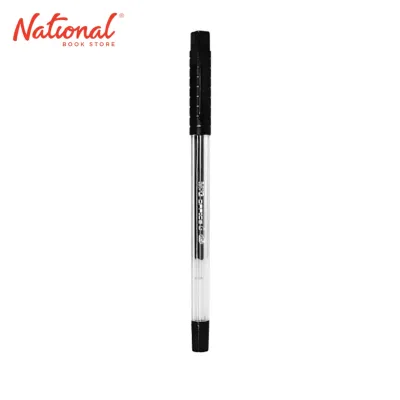
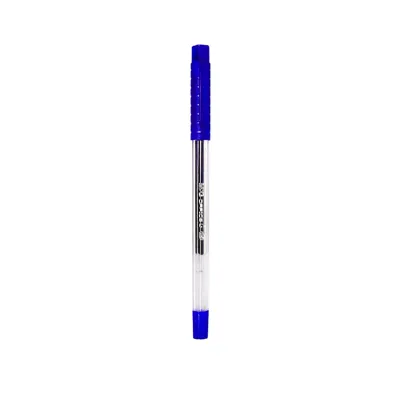
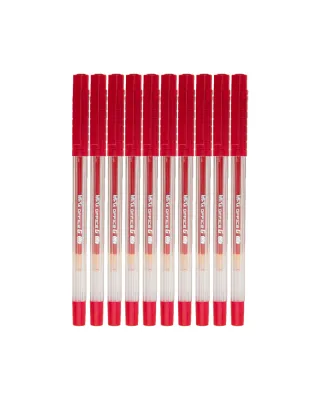
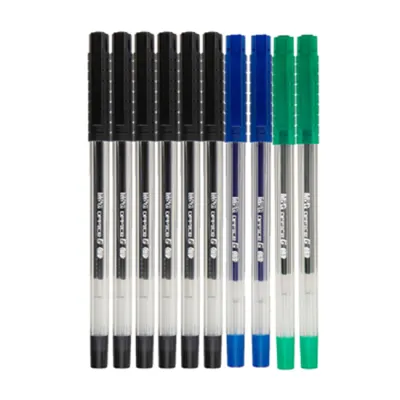
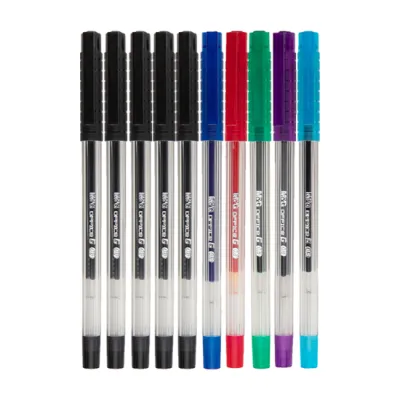
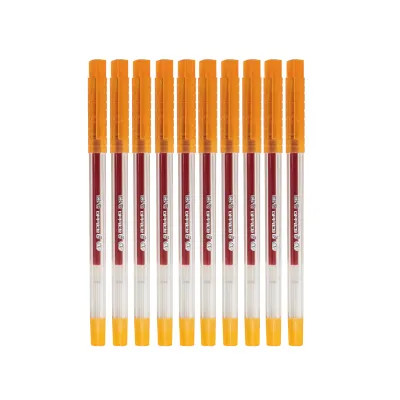
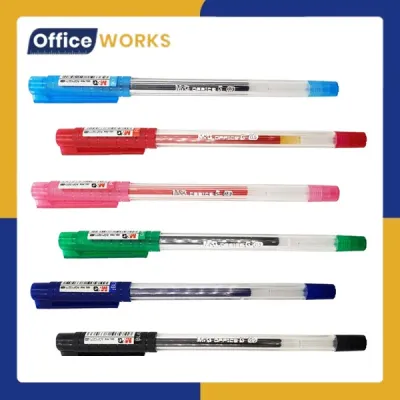
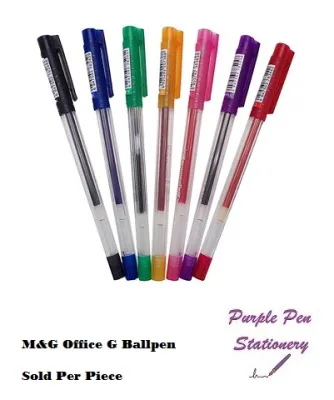
Prices are valid at publication and may change. Please refer to the product page for the latest price.
Match Tip Size to Your Handwriting and Spacing
The diameter of the pen tip directly influences the line width, ink consumption, and overall neatness of your writing. Fine tips, typically ranging from 0.35mm to 0.5mm, are highly suitable for individuals with small, compact handwriting or those who write in tight grid patterns. These ultra-fine tips restrict ink flow, allowing you to fit complex characters and detailed annotations into narrow margins without the lines bleeding together. They are also excellent for drawing diagrams, filling out compact forms, or working with thin paper where excess ink would easily bleed through.

Medium tips, usually measuring around 0.7mm, represent the standard for everyday writing tasks. A 0.7mm tip provides a balanced compromise, offering a noticeably smoother glide across the page than finer tips while maintaining clean, readable lines. This size is highly versatile, making it a reliable choice for general office work, essay writing, and creative journaling. The slightly increased ink flow cushions the metal tip against the paper, reducing the scratchy sensation that some writers experience with ultra-fine points.
Bold or broad tips, measuring 1.0mm or larger, are designed for high-visibility tasks and expressive writing. These tips lay down a thick, rich line of ink that is highly visible from a distance, making them ideal for signatures, bold headings, and decorative lettering. However, because broad tips release a significant volume of ink, they require longer drying times and are best paired with thick, high-quality paper. Understanding your natural writing pressure and spacing ensures you select a tip size that complements, rather than crowds, your handwriting.
Choose the Right Ink Formula for Flow and Durability
M&G gel pens utilize different ink formulations to address varying writing speeds, environmental conditions, and archival needs. Standard gel ink is celebrated for its exceptionally smooth glide and vibrant color payoff. This formula flows effortlessly from the reservoir, requiring minimal downward pressure to produce a solid, unbroken line. While standard gel ink is excellent for relaxed, creative writing, its slower drying speed can pose challenges in humid environments or during high-speed writing sessions where accidental smudges are common.
To address the risk of smearing, quick-drying ink formulations are engineered to penetrate paper fibers rapidly or evaporate quickly upon contact with the air. This type of ink is highly beneficial for fast writers who need to turn pages quickly, as well as left-handed individuals whose hands naturally drag across recently written text. By choosing a quick-dry variant, you can maintain the smooth, dark lines characteristic of gel pens without worrying about messy ink transfers on your hands or paper.
For documents that require long-term preservation, such as legal contracts, official certificates, or permanent archives, pigment-based or water-resistant gel inks are essential. Unlike dye-based inks that can dissolve or fade when exposed to moisture or light, pigment inks bind securely to the paper fibers. This creates a highly durable mark that resists water spills, highlighter smudging, and UV degradation. When selecting a pen for official business, always check the packaging for terms indicating water resistance or archival quality to ensure your signatures remain legible for years to come.
Evaluate Grip Design and Barrel Comfort for Long Sessions
The physical construction of the pen barrel and grip area determines how comfortable the instrument remains during extended writing sessions. Rubberized or textured grips are highly effective at preventing your fingers from slipping down the barrel, especially in warm, tropical climates where hands can easily become sweaty. A soft, cushioned grip absorbs excess finger pressure, reducing the physical strain on your joints and preventing the formation of painful calluses during long exams or intensive office shifts.
Barrel thickness and weight distribution also play a significant role in hand comfort. Writers with larger hands often find wider, contoured barrels more comfortable, as they do not require the fingers to curl as tightly to maintain control. Conversely, those with smaller hands may prefer slim, lightweight plastic barrels that offer greater agility and ease of movement. The balance point of the pen—whether it feels heavier near the tip or toward the cap—affects how much effort is required to guide the pen across the page, with front-weighted pens generally promoting a more relaxed grip.
Ergonomic contours, such as triangular barrels or specialized finger-molding zones, encourage proper finger placement and a more natural writing posture. These designs help distribute the gripping force evenly across your hand, minimizing muscle fatigue in the forearm and wrist. If you frequently experience hand cramps or stiffness after writing for more than fifteen minutes, transitioning to a pen with a dedicated ergonomic grip and a lightweight body can significantly improve your writing endurance.
Verify Refill Compatibility and Local Availability
Choosing a gel pen is not just a one-time purchase; it is also an investment in a writing system that you may want to use continuously. Before committing to a specific pen model, verify the availability and compatibility of its refills. Many M&G pen bodies are designed to accept standard refill sizes, allowing you to keep using a comfortable, high-quality barrel while simply replacing the internal ink cartridge. This practice is both cost-effective and environmentally friendly, reducing plastic waste over time.
When shopping for refills, ensure the replacement cartridge matches the specific series required by your pen barrel, as physical dimensions and spring placement can vary between retractable and capped models. You should also check if the refill series offers the specific tip size and ink color you prefer, giving you the flexibility to swap a medium tip for a fine tip within the same pen body. Standard M&G refills are widely accessible in local stationery shops, major department stores, and online marketplaces, making it easy to stock up on replacements. Keeping a small supply of compatible refills on hand ensures you are never left with an unusable pen during critical tasks.
Test and Validate Your Pen Before Buying in Bulk
Before purchasing a large quantity of pens for school, office, or personal use, it is highly practical to conduct a simple performance test. Start by performing a continuous writing test on your preferred paper type, drawing long, continuous loops and rapid zig-zag lines. This exercise allows you to observe if the ink flows consistently without skipping, scratching the paper surface, or leaving pools of excess ink at the turns. A reliable gel pen should maintain a steady, uniform line from the moment the tip touches the page.
Next, evaluate the drying speed of the ink by writing a short sentence and immediately swiping your finger across the text. This simple swipe test helps you determine how long the ink takes to set on your specific paper, which is crucial for avoiding smudges in fast-paced environments. Finally, assess the overall physical comfort of the pen by writing a full paragraph of text. Pay close attention to any tension in your hand, the slip resistance of the grip, and how easily the pen glides, ensuring the instrument matches your natural writing style before you make a bulk commitment.
Frequently Asked Questions (FAQ)
Are M&G gel pens suitable for left-handed writers?
Yes, left-handed writers can successfully use M&G gel pens by selecting specific configurations designed to prevent smudging. The primary challenge for left-handed individuals is that their writing hand moves directly over the freshly written text, making quick-drying ink formulations absolutely essential. Choosing a finer tip size, such as 0.5mm or 0.38mm, also helps because these tips lay down less ink on the page, allowing the line to dry almost instantly. Additionally, left-handed writers should pay attention to their writing angle; holding the pen at a slightly more upright angle can reduce drag and prevent the metal tip from digging into the paper, resulting in a smoother, smudge-free writing experience.
Can I use M&G gel pens on glossy or coated paper?
Standard gel pens are generally not recommended for use on highly glossy or coated papers, such as photographs, thermal receipts, or laminated planner pages. Because gel ink is water-based, it relies on the porous fibers of standard paper to absorb the liquid and bind the pigment to the surface. On non-porous, coated surfaces, the ink cannot penetrate the paper, causing it to pool, bead up, or smear easily even hours after writing. If you must write on coated surfaces, look for specialized quick-dry or permanent marker variants, or perform a small test in an inconspicuous corner to verify if the ink can dry completely before proceeding with your work.

Community discussion
Share your experience or ask a question. Comments are reviewed before publication.