
To select the ideal magic coloring book for a school art class, you must prioritize mess-free usability, physical durability, and alignment with early childhood development goals. In a bustling classroom environment—especially one subject to tropical humidity and high student activity—the right choice keeps cleanup minimal while maximizing active learning time. Teachers and parents should focus on the underlying technology of the book, the structural quality of the pages, and the practical logistics of managing pens and accessories during a busy school day.
Unlike traditional coloring activities that require a wide array of crayons, colored pencils, or liquid paints, magic coloring books streamline the art experience. They allow students to explore color, form, and cause-and-effect relationships without the risk of permanent stains on school uniforms, desks, or walls. However, because these books are subjected to heavy, repetitive use by multiple children, a casual purchase can lead to warped pages, lost pens, and frustrated students. Understanding the specific features that make these books classroom-ready ensures a smooth, productive art lesson every time.
Understanding Magic Coloring Book Types for the Classroom
Selecting the right type of magic coloring book requires an understanding of how different technologies interact with a classroom environment. The two primary categories available are water-reveal books and chemical color-change or invisible ink books. Each type has distinct operational requirements, cleanup profiles, and lifespans that directly impact classroom management.
Products mentioned in this guide
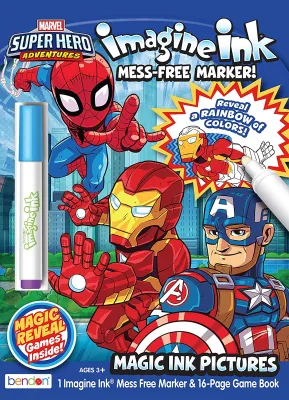
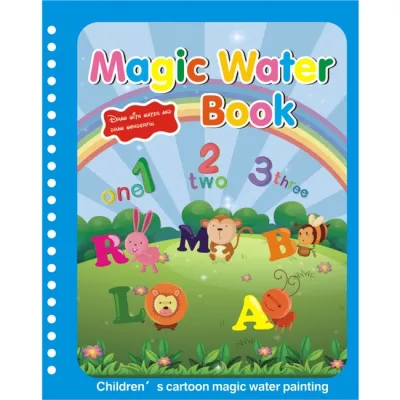
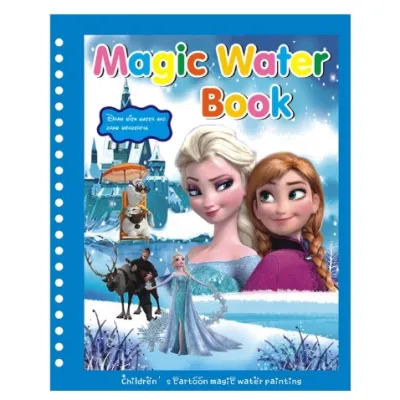
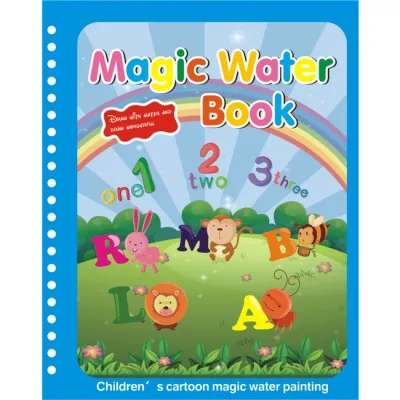
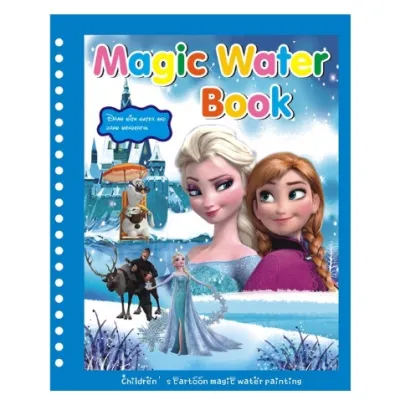
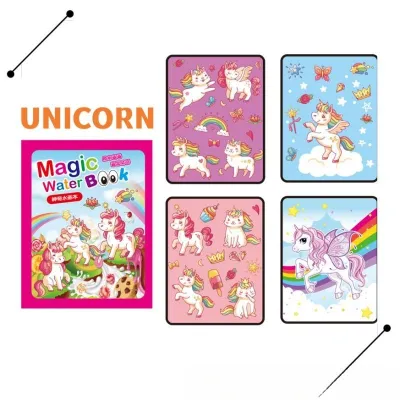
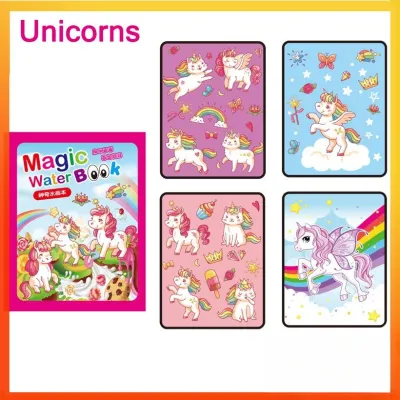
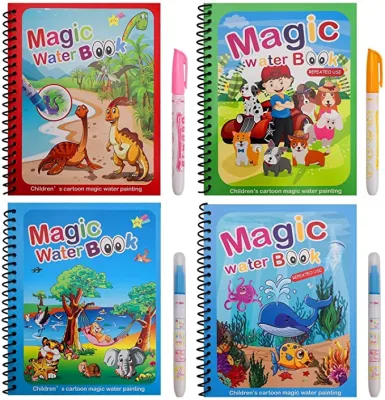
Prices are valid at publication and may change. Please refer to the product page for the latest price.
Water-reveal books utilize a specialized white coating applied over pre-printed, colorful illustrations. When a student runs a wet brush or a refillable water pen over the page, the white layer becomes temporarily transparent, revealing the vibrant colors underneath. As the water evaporates, the white coating returns to its opaque state, hiding the image once more. This cycle allows the book to be reused dozens of times, making it a highly sustainable option for schools operating on limited budgets.
In contrast, color-change or invisible ink books rely on chemical markers that react with specially treated paper. When the marker tip touches the page, a chemical reaction occurs, causing specific colors to appear. Because this reaction is permanent, these books are strictly single-use. Once a page is colored, it cannot be reset. While this limits their long-term value for a shared classroom library, it provides a permanent keepsake that students can take home to show their parents, which can be a valuable outcome for specific art projects.
From a classroom management perspective, water-reveal books offer the lowest risk of mess. If a student accidentally draws on their skin, clothing, or a classmate’s desk with a water pen, the only residue left behind is plain water. This eliminates the need for protective smocks or extensive desk-covering routines before the lesson begins. Chemical magic markers, while designed to be low-mess and formulated not to color on skin or fabric, still contain chemical compounds that require careful supervision to prevent students from drawing on unauthorized surfaces or putting the marker tips in their mouths.
Drying times and page turnaround speeds are critical factors when planning a lesson around water-reveal books. In tropical climates where ambient humidity is naturally high, water evaporates much slower than in dry, air-conditioned spaces. A page that might dry in five minutes under dry conditions could take fifteen to twenty minutes to reset in a naturally ventilated classroom. If your lesson plan relies on students rotating books or passing them to a peer during a single art session, you must account for this variable drying rate to avoid damp pages sticking together or tearing.
Essential Features to Evaluate for School Art Activities
Once you have decided on the technology type, you must evaluate the physical construction of the books to ensure they can withstand the rigors of daily school use. Children can be enthusiastic and heavy-handed when coloring, meaning flimsy materials will quickly deteriorate under pressure.

The thickness and material composition of the pages are the first indicators of durability. For water-reveal books, look for thick, compressed cardboard or heavy board-book pages. Thin paper backings will quickly absorb excess water, leading to warping, pilling, and eventual tearing of the white reveal layer. The binding of the book also plays a major role in its longevity. Spiral-bound books are highly recommended for classrooms because they allow the book to lay completely flat on a desk. This prevents the pages from curling or flipping back on their own, which can transfer moisture to dry pages and cause them to stick together.
Pen storage and accessory management are equally vital for maintaining a complete art kit. In a busy classroom, small parts like pens and caps are easily misplaced. Look for magic coloring books that feature integrated storage compartments, such as a plastic blister pack built directly into the front cover or a dedicated slot on the backboard. Some models offer a small loop or hole near the binding that allows you to tether the pen to the book using a short piece of string or yarn. This simple modification prevents pens from rolling off desks or getting mixed up among students.
The design of the pen cap is another detail that should not be overlooked. Caps should be large enough to avoid being a choking hazard and should feature a secure snap-lock mechanism that younger students can operate independently. For water pens, a secure seal prevents water from slow-dripping onto school bags or desks when stored. For chemical markers, an airtight cap is essential to prevent the specialized ink from drying out, which would render the entire book useless.
Finally, consider the visual design and age-appropriateness of the illustrations. For younger students in preschool or kindergarten, look for books with bold, thick outlines and large, simple shapes. These designs help early learners practice spatial awareness and hand-eye coordination without becoming overwhelmed. For older elementary students, look for books that incorporate hidden-picture challenges, search-and-find elements, or basic spelling and counting activities. The thematic content should align with standard educational topics, such as marine life, community helpers, or basic geometric patterns, allowing you to integrate the art activity with other subjects like science or social studies.
Aligning the Coloring Book with Art Curriculum Goals
While magic coloring books are often viewed as quiet-time activities, they can be powerful tools for achieving specific educational outcomes when integrated thoughtfully into an art curriculum. They should serve as active learning aids rather than mere time-fillers.
One of the primary physical benefits of using these books is the development of fine motor skills and proper pencil grip. The physical act of holding a pen and applying controlled pressure to a page strengthens the small muscles in a child’s hand. For very young learners, chunky, textured water pens are ideal because they accommodate a palmar grasp while providing enough friction to help the child control their movements. As students progress, transitioning to slimmer magic markers helps them practice the tripod grip necessary for writing. Because the color only appears when the pen is in direct contact with the page, students receive immediate visual feedback on their grip and pressure control.
The reveal mechanism itself is an excellent vehicle for teaching cognitive concepts such as cause-and-effect, color recognition, and pattern exploration. Teachers can structure lessons around prediction and observation. For example, before a student colors a section, the teacher can ask them to identify the shapes visible in the white coating and predict what colors or objects will appear underneath. This turns a simple coloring exercise into an interactive science or language arts lesson, encouraging students to describe their observations and use descriptive vocabulary.
To foster genuine creativity, look for magic coloring books that include open-ended drawing spaces alongside pre-printed illustrations. Some books feature blank pages coated entirely in the white water-reveal material, allowing students to paint their own freeform designs, practice writing letters, or create custom patterns. This open-ended format encourages creative storytelling, as students can watch their custom drawings gradually fade away, giving them a clean slate to start a new story. This cycle of creation and disappearance can also help reduce the anxiety some children feel about making mistakes in their artwork, as any error will naturally vanish in a few minutes.
Building a Practical Shortlist for Bulk or Individual Purchase
When finalizing your selection for a school art class, practical purchasing logistics and safety standards must guide your decision. Whether you are a teacher sourcing materials for an entire grade level or a parent contributing to a classroom supply list, managing costs and safety is paramount.
For classroom-wide implementation, individual retail packaging is rarely cost-effective. Instead, look for bulk classroom packs offered by educational supply distributors or online marketplaces. When comparing options, calculate the unit cost in ₱ by dividing the total package price by the number of books included. This allows you to compare different brands on an equal footing. Keep in mind that a slightly higher initial unit cost in ₱ for durable, reusable water-reveal books often represents better long-term value than a lower unit cost for single-use chemical marker books that must be constantly replaced.
The availability and cost of replacement parts is another critical factor in your long-term budget. Water pens are prone to wear and tear; students may press down too hard, splaying the nylon nibs, or they may chew on the tips. Before committing to a specific brand of coloring book, verify that compatible replacement pens are readily available for purchase. Factor the cost of a small stock of spare pens in ₱ into your initial budget so that a single damaged or lost pen does not render an entire book unusable for the rest of the school year.
Safety must always be verified before bringing any art material into a school environment. Examine the product packaging or manufacturer specifications for clear non-toxic certifications, such as ASTM D-4236 or EN71 compliance. These labels indicate that the materials have been tested and deemed safe for children’s use. Additionally, check the manufacturer’s age recommendations to ensure the product is appropriate for your students. For younger classrooms, pay close attention to the size of the pen caps and any small parts that could present a choking hazard, ensuring that all materials meet the safety standards required by your school administration.
Frequently Asked Questions (FAQ)
Can magic coloring books be shared among multiple students in one session?
Yes, magic coloring books can be shared, but successful sharing depends on managing drying times and hygiene. In a typical classroom, the time it takes for a water-reveal page to dry and reset is influenced by ambient temperature, humidity, and the amount of water the student applied. To facilitate sharing, establish a rotation system where students work on different pages or alternate between coloring and another quiet activity. If a page is heavily saturated, place the open book near a window or fan to speed up evaporation. For hygiene, especially during cold and flu seasons, require students to wash or sanitize their hands before and after using shared pens, and wipe down the plastic pen barrels with a mild disinfectant wipe between uses.
How do you clean up if a magic marker leaks on a school desk?
If a chemical magic marker leaks or is accidentally drawn onto a school desk, your first step should always be to consult the manufacturer’s specific cleanup instructions printed on the packaging. Most school-safe magic markers use water-soluble inks that can be easily cleaned with mild soap and warm water. Dampen a soft cloth with soapy water and gently wipe the affected area. Avoid using harsh chemical solvents, abrasive scrubbing pads, or strong alcohol-based cleaners immediately, as these can strip the protective varnish or laminate finish off school desks. If the stain persists or if you notice the desk’s finish reacting poorly to the soap, stop cleaning immediately and consult your school’s maintenance staff for professional guidance.
Are water-reveal books suitable for outdoor or field trip art activities?
Water-reveal books are highly portable and can be excellent for outdoor activities, provided you manage environmental factors. Direct sunlight and warm outdoor breezes will significantly accelerate drying times, which can be advantageous if you want pages to reset quickly for reuse. However, extreme heat can sometimes cause the pages to warp if they are left exposed for prolonged periods. To prevent accidental water spills during transport, empty the water pens completely before packing them into school bags, and carry a small, secure water bottle to refill the pens once you arrive at your destination. Keep the books stored flat in a waterproof folder or plastic sleeve to protect them from unexpected rain or damp ground surfaces.
Community discussion
Share your experience or ask a question. Comments are reviewed before publication.