
Selecting the perfect marker is the difference between a flawless presentation and a permanently ruined whiteboard, or a legible shipping label and a smudged, unreadable package. To make the right choice, you must match the marker’s ink chemistry to the porosity of your writing surface and the required durability of the mark. By evaluating whether your task demands temporary erasability, waterproof permanence, or artistic blendability, you can confidently navigate the stationery aisle and avoid costly mistakes.
Understanding Marker Ink Types and Surface Compatibility
The relationship between marker ink and your writing surface determines how well the mark adheres, how fast it dries, and whether it will smudge. Ink formulations generally fall into three categories: water-based, alcohol-based, and oil-based. Each behaves differently depending on whether the target surface is porous, like paper and cardboard, or non-porous, like plastic, metal, and glass.
Water-based inks use water as the primary solvent, making them low-odor and less likely to bleed through standard paper. However, because they dry through evaporation, high humidity levels—common in tropical climates like the Philippines—can noticeably extend their drying times on non-porous surfaces.
Products mentioned in this guide
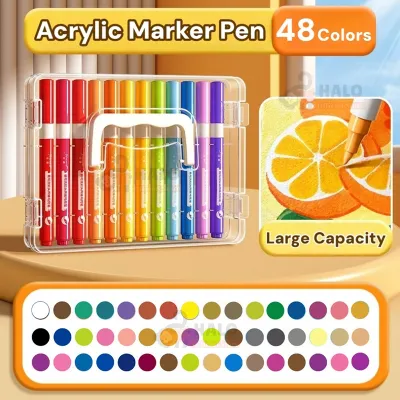
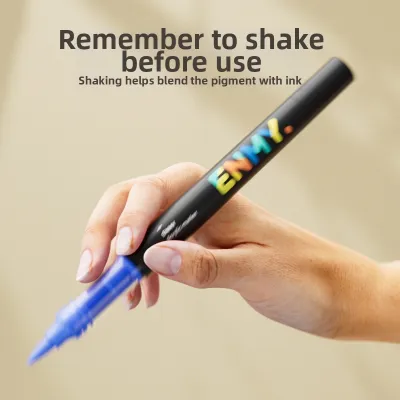
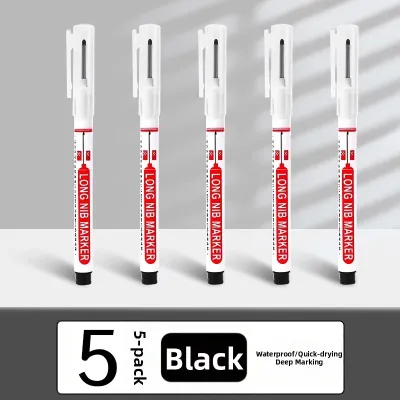
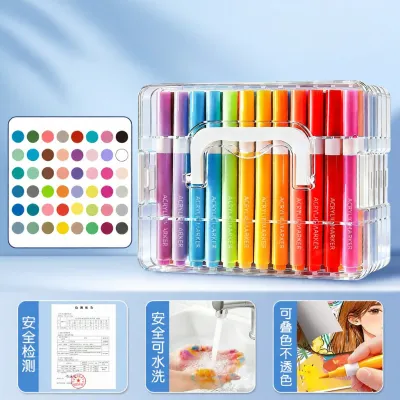
Prices are valid at publication and may change. Please refer to the product page for the latest price.
Alcohol-based inks dry almost instantly because alcohol evaporates rapidly, even in humid conditions. This quick-drying nature makes them excellent for glossy surfaces, though they can easily bleed through thin or uncoated paper.
Oil-based inks are highly durable, offering strong adhesion to challenging surfaces like wet plastics or dusty metals. They resist water and fading exceptionally well, making them the standard choice for heavy-duty industrial tasks.
Before purchasing, check the product packaging for terms like “pigment-based,” “dye-based,” or specific surface recommendations. Porous surfaces absorb ink deeply, which locks in water-based and alcohol-based dyes, while non-porous surfaces require specialized binders found in dry-erase or oil-based formulas to either release cleanly or grip the slick material.
Markers for Whiteboard and Presentation Tasks
Whiteboard and presentation tasks require high-contrast visibility and effortless erasability. The two primary options for these smooth, non-porous surfaces are dry-erase and wet-erase markers.

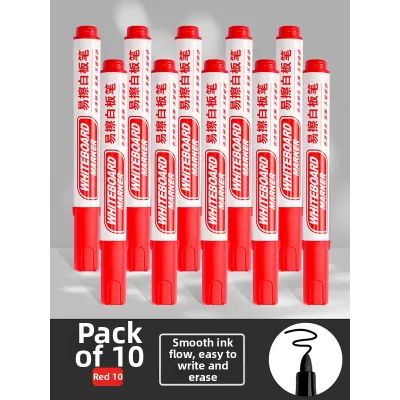
Dry-erase markers use an alcohol-based solvent mixed with a silicone release agent. When the ink dries, it forms a dry, erasable powder that adheres lightly to the board and wipes away cleanly with a dry cloth or eraser.
Wet-erase markers, on the other hand, utilize water-soluble binders. The resulting marks are highly smudge-resistant against accidental hand contact during a presentation, but they require a damp cloth to remove completely.
To avoid the nightmare of permanently staining an expensive office or classroom whiteboard, always inspect the marker barrel for the explicit label “dry-erase” or “whiteboard.” Avoid any marker labeled “permanent” or “multi-surface” unless you have verified its erasability on a small, inconspicuous corner of your board first.
Your choice of tip shape directly impacts how well your audience can read your writing from a distance. Chisel tips allow you to vary your line width by changing the angle of your hand, making them ideal for bold headers on large boards. Bullet tips provide a consistent, uniform line width that is perfect for detailed diagrams, smaller personal whiteboards, or structured lists.
Permanent Markers for Labeling and Packaging
Labeling storage boxes, shipping packages, or outdoor equipment requires ink that can withstand handling, moisture, and environmental exposure. Permanent markers are designed for these demanding tasks, but their performance varies based on their chemical base.
Alcohol-based permanent markers are the most common choice for everyday labeling on cardboard and paper packaging. They dry quickly, reducing the risk of smudging as you stack boxes, but they can fade over time when exposed to direct sunlight.
For outdoor items, plastic containers, or metal surfaces, oil-based permanent markers offer superior durability. The oil carrier allows the pigment to bind tightly to slick, non-porous materials, resisting heavy rain, high humidity, and physical abrasion.
When selecting a permanent marker, match the tip size to your labeling space. Fine and ultra-fine tips are best for small plastic plant tags or detailed shipping labels, while broad chisel tips or jumbo markers are necessary for large cardboard boxes that must be readable from several meters away.
Always verify the manufacturer’s specific claims on the packaging regarding water resistance, UV fade resistance, and temperature tolerance. In hot, tropical environments, standard inks can degrade or fade rapidly under intense sunlight, making UV-resistant formulas essential for outdoor signage or exposed utility labels.
Art and Craft Markers for Creative Projects
Creative projects demand precise color control, smooth blending, and minimal paper damage. Choosing between alcohol-based and water-based art markers depends entirely on your artistic goals and the paper you use.
Alcohol-based art markers are favored by illustrators and designers for their ability to blend seamlessly without tearing the paper fibers. Because the solvent evaporates quickly, you can layer colors to create smooth gradients and realistic shadows without leaving harsh streak lines.
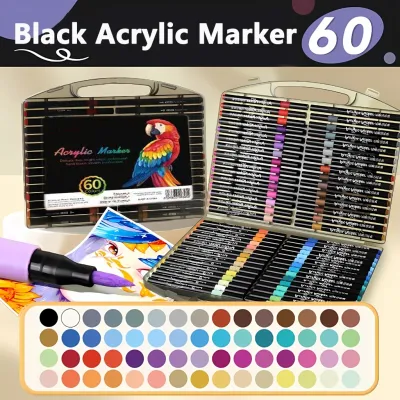
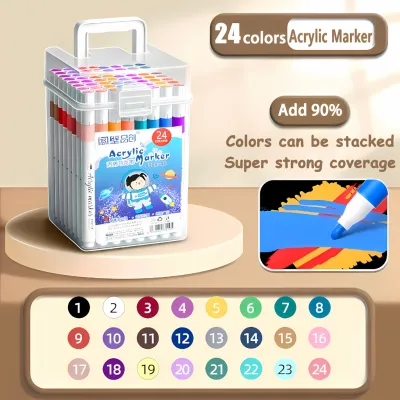
Water-based art markers are excellent for fine details, bullet journaling, and watercolor-like effects. They do not bleed through most paper types as easily as alcohol markers, and you can blend them using a wet brush to create soft washes.
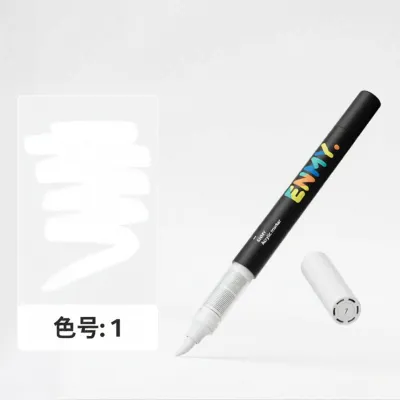
Tip configurations play a crucial role in line weight control. Brush tips mimic the flexibility of a traditional paintbrush, allowing you to transition from thin lines to broad strokes with a simple change in pressure. Dual-tip markers, featuring a brush tip on one end and a fine-liner or chisel tip on the other, offer maximum versatility for both coloring and detailing.
To prevent frustrating bleed-through and feathering, always check your paper weight and coating. Standard copy paper will quickly saturate and bleed; instead, opt for heavyweight marker paper, mixed-media paper, or cardstock designed to handle heavy ink saturation.
Specialty Markers for Fabric, Glass, and Unique Surfaces
Standard markers often fail on specialized materials like textiles, ceramics, and glass, resulting in bleeding, washing out, or peeling. Specialty markers are formulated with unique binders to ensure long-term adhesion on these challenging surfaces.
Fabric markers contain specialized pigments that resist spreading through woven fibers. To make your designs permanent and washable, most fabric markers require a curing process, such as air-drying for 24 hours or heat-setting with a dry household iron before the first wash.
Glass and ceramic markers typically use acrylic or oil-based paint formulas. Depending on the specific product instructions, these marks must either air-cure for several days or undergo a baking process in a home oven to fuse the pigment permanently to the glazed surface.
Always read the manufacturer’s instructions carefully to identify surface limitations and safety certifications. If you are working on crafts with children or decorating items that will hold food or drinks, verify that the markers are certified non-toxic and labeled as food-safe or intended only for non-contact decorative areas.
Cross-Scenario Compatibility: Can One Marker Do It All?
While the idea of a single “all-surface” marker is appealing, relying on one tool for every task involves significant performance trade-offs. Multi-purpose markers often compromise on either erasability or long-term durability to achieve their broad compatibility.
An all-surface marker might write decently on plastic, cardboard, and metal, but it will fail on a whiteboard where clean erasability is non-negotiable. Similarly, using a temporary marker on a shipping package will lead to smudged, illegible addresses if the box encounters rain or high humidity.
To build an efficient stationery setup, prioritize your purchases based on your most frequent tasks. If your daily routine involves office meetings and brainstorming sessions, invest in a high-quality set of dedicated dry-erase markers first.
If your work centers on shipping, organizing, or crafting, separate specialized markers are strictly necessary. Spending ₱150 to ₱400 on a dedicated set of specialized markers prevents ruined materials, saves time spent correcting mistakes, and ensures your work remains legible and vibrant over time.
Frequently Asked Questions (FAQ)
How do I safely remove permanent marker from a whiteboard?
If someone accidentally writes on a whiteboard with a permanent marker, you can easily lift the ink using a standard dry-erase marker. Simply color directly over the permanent ink lines with the dry-erase marker, wait a few seconds for the solvents to mix, and then wipe both inks away with a clean eraser or cloth.
If any ghosting or stubborn residue remains, apply a small amount of isopropyl alcohol or a dedicated whiteboard cleaner to a soft microfiber cloth and gently wipe the surface. Avoid using abrasive scrubbing pads, steel wool, or harsh industrial solvents, as these will permanently strip the whiteboard’s protective glossy coating and make future marks impossible to erase.
What is the practical difference between chisel tip and bullet tip markers?
Chisel tips feature a slanted, flat edge that allows you to create multiple line widths depending on how you hold the marker. You can use the wide flat side for bold, thick strokes or the sharp point for fine lines, making them highly versatile for hand lettering and large presentations.
Bullet tips have a rounded, symmetrical point that produces a consistent, uniform line width regardless of the angle or pressure applied. This predictable line makes bullet tips much easier to control for everyday writing, sketching, and taking detailed notes.
For a quick decision, choose a chisel tip when you need to create eye-catching headers or fill in large areas quickly, and opt for a bullet tip when legibility, consistent line weight, and precise writing are your primary goals.
Community discussion
Share your experience or ask a question. Comments are reviewed before publication.