
Choosing the right material for your jewelry project depends heavily on balancing durability, visual appeal, and budget. When working with 6mm beads, you are using one of the most versatile and popular sizes in the jewelry-making world. This size is large enough to showcase intricate textures and colors, yet small enough to remain lightweight and comfortable for daily wear. Whether you are crafting a delicate bracelet, a layered necklace, or a pair of statement earrings, the material you select will dictate how your finished piece drapes, how long it lasts, and how much it costs to produce.
There is no single “best” material for every project; instead, the ideal choice depends on your specific design goals and wear conditions. A material that works beautifully for a high-end bridal necklace may be entirely impractical for an everyday stretch bracelet or a children’s craft project. By understanding the physical properties, strengths, and limitations of each bead material, you can make an informed decision that ensures your jewelry remains beautiful and structurally sound for years to come.
Understanding the Role of 6mm Beads in Jewelry Design
In jewelry design, 6mm beads serve as an ideal midpoint between delicate seed beads and bulky statement beads. This specific diameter offers enough surface area to display rich details, such as the natural banding of gemstones or the brilliant facets of cut crystal, without overwhelming the wearer’s wrist or neckline. Consequently, they are the go-to choice for classic beaded bracelets, spacer elements in complex necklaces, and drop earrings that require a subtle touch of color.
Products mentioned in this guide
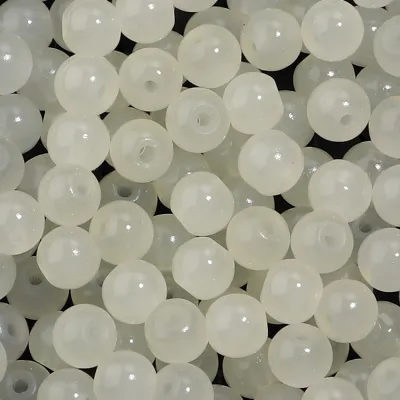
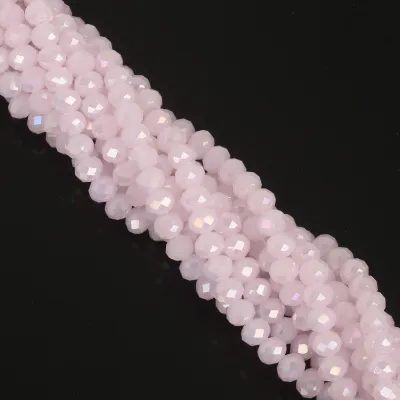
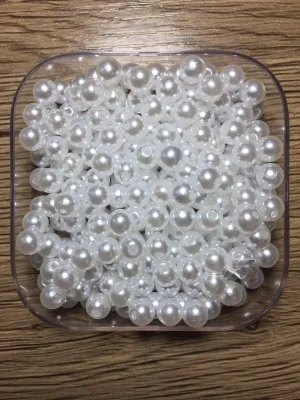
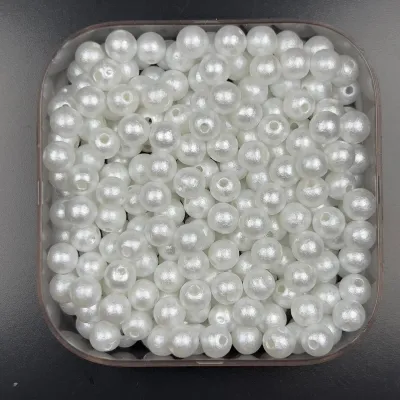
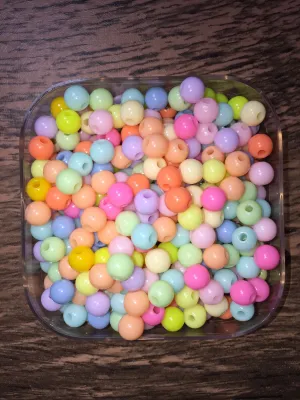
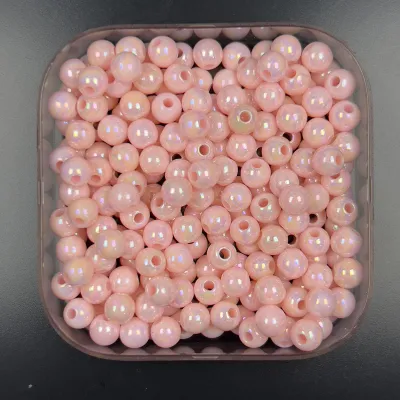
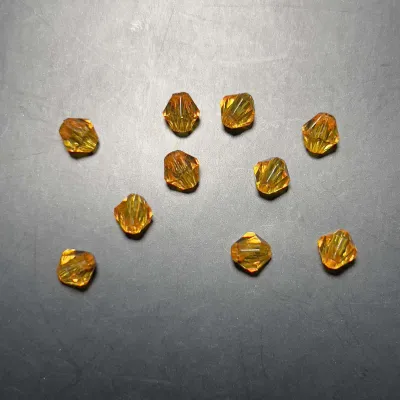
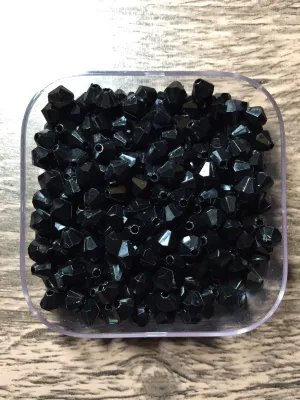
Prices are valid at publication and may change. Please refer to the product page for the latest price.
The physical weight and drape of your finished jewelry are directly tied to the material density of your chosen beads. Heavy materials like glass, crystal, and dense gemstones pull the stringing medium downward, creating a fluid, substantial drape that sits closely against the skin. Conversely, lightweight materials like wood, acrylic, and hollow synthetics float more easily, making them ideal for multi-strand designs where heavy materials would cause uncomfortable sagging or strain on the elastic or wire.
Durability is another critical factor influenced by your material selection. A bracelet made from soft, organic pearls or unsealed wooden beads requires vastly different care and structural support than one constructed from hard quartz or impact-resistant acrylic. Understanding these physical differences allows you to design jewelry that not only looks beautiful on day one but also withstands the specific environmental conditions and wear patterns it will encounter over time.
Ultimately, there is no single “best” material for 6mm beads; the ideal option is entirely dependent on your project’s goals. A designer creating high-end bridal jewelry will naturally gravitate toward genuine freshwater pearls or high-lead crystals, while someone hosting a community crafting workshop or designing lightweight summer wear will find greater value in acrylic or treated wood. By matching the physical properties of the bead to the intended lifestyle of the wearer, you ensure a successful and long-lasting creation.
Comparing Popular Materials for 6mm Beads
To make an informed decision, it is essential to evaluate the distinct characteristics, advantages, and limitations of the most common bead materials available on the market. Each material brings a unique aesthetic and set of handling requirements to the workbench.

Glass and Crystal Beads
Glass and crystal 6mm beads are highly favored for their exceptional clarity, brilliant light refraction, and satisfying physical weight. These beads can be manufactured in an endless array of finishes, from frosted matte and metallic coatings to highly polished, multi-faceted surfaces that catch the light with every movement. When held, they have a cool, premium feel that instantly elevates the perceived value of a jewelry piece, making them a staple for both casual and formal designs.
However, glass-based materials carry inherent physical limitations that require careful handling during assembly and wear. Because glass is brittle, these beads can chip or shatter if dropped on hard surfaces like tile or concrete, or if subjected to sudden impacts. Additionally, the manufacturing process of glass beads can sometimes leave microscopic sharp edges or glass dust around the drill holes, which can gradually saw through delicate stringing threads over time.
To ensure the longevity of your glass bead designs, always inspect the drill holes before stringing. Running a bead reamer or a thick needle through the hole can help clear out any residual debris or smooth down minor imperfections. For high-friction pieces like bracelets, pairing glass beads with a durable, nylon-coated stainless steel beading wire rather than a simple elastic cord will significantly reduce the risk of unexpected breakage.
Natural Gemstone and Pearl Beads
Natural gemstones and organic pearls offer an unmatched level of luxury, characterized by unique color variations, natural inclusions, and individual character. No two gemstone beads are identical, which adds an organic, artisanal quality to your jewelry that synthetic materials simply cannot replicate. From the deep, opaque blues of lapis lazuli to the translucent, shimmering depths of labradorite, 6mm gemstone beads provide a rich, tactile experience and a timeless aesthetic.
Despite their beauty, gemstones vary widely in physical hardness, which is measured on the Mohs scale. Harder stones like quartz, agate, and jasper are highly resistant to scratches and everyday wear, making them excellent choices for daily-wear bracelets. Softer stones, such as turquoise, malachite, and fluorite, are far more delicate and can easily be scratched or gouged if they rub against harder beads or metal findings in your design.
When purchasing natural materials, it is crucial to verify the supplier’s product labels to determine if the stones have been dyed, heat-treated, or stabilized, as these treatments can affect how the beads react to sunlight, moisture, and skin oils. Pearls, being organic gems, are exceptionally sensitive to external elements; they can easily lose their luster or suffer surface damage if exposed to acidic sweat, perfumes, hairsprays, or household cleaning chemicals.
Wood and Natural Seed Beads
Wood and natural seed beads are celebrated for their organic, earthy aesthetic, warm tactile feel, and incredibly lightweight profile. These materials are perfect for creating bohemian-style jewelry, yoga bracelets, and chunky multi-strand necklaces that remain comfortable to wear all day long. Because they do not conduct heat the way metals or stones do, wooden beads feel warm against the skin and offer a relaxed, grounded style.
However, because wood is a highly porous natural material, it is uniquely sensitive to environmental moisture and humidity. In tropical climates, such as the high-humidity environment of the Philippines, unsealed wooden beads can absorb moisture from the air or from skin sweat, leading to swelling, warping, color bleeding, or structural degradation over time. This makes the choice of finish and sealant absolutely critical for the survival of the piece.
Before incorporating wooden 6mm beads into your project, check the quality of their outer finish and sealant. High-quality wooden beads are treated with water-resistant varnishes or natural waxes that lock out moisture and prevent the wood dye from bleeding onto the wearer’s skin or clothing. If you suspect the beads are unsealed, you can apply a thin coat of beeswax or a jewelry-safe clear sealant to protect them before assembly.
Acrylic, Resin, and Plastic Beads
Acrylic, resin, and plastic beads represent the most budget-friendly, highly durable, and lightweight options available to jewelry makers. These synthetic materials can be molded into virtually any shape, color, opacity, or texture, often mimicking the appearance of expensive glass, gemstones, or wood at a fraction of the cost. Their high impact resistance makes them virtually shatterproof, which is an excellent safety feature for children’s jewelry or high-activity accessories.
While highly practical, synthetic beads do have some aesthetic and physical drawbacks that may limit their use in premium collections. They lack the cold, substantial weight of glass or stone, which can sometimes give the finished jewelry a less premium or “cheap” feel. Over time, acrylic surfaces are also highly susceptible to fine scratches from everyday friction, and lower-quality resins may gradually yellow or fade when exposed to prolonged ultraviolet (UV) sunlight.
When working with synthetic 6mm beads, the primary quality concern is the presence of molding seams. Mass-produced plastic beads often feature a raised ridge or a sharp plastic burr around the drill holes where the two halves of the mold met. These sharp edges can easily slice through elastic cords or nylon threads, so it is highly recommended to inspect the beads and use a small file or craft knife to smooth down any rough edges before stringing.
Matching Bead Materials to Your Project Needs
Choosing the right material is a balancing act between the practical demands of the jewelry piece and your creative vision. By categorizing your project priorities, you can quickly narrow down the ideal material for your 6mm beads.
For Everyday Durability If you are designing jewelry meant for daily wear—such as a stack of everyday stretch bracelets that will be exposed to handwashing, friction, and occasional bumps—prioritize highly resilient materials. Hard gemstones (like agate, jasper, or aventurine), high-quality glass, and premium acrylics are excellent choices because they resist scratching and do not degrade when exposed to moisture. Avoid using soft stones, unsealed wood, or delicate pearls for these high-wear items, as they will quickly lose their beauty under daily stress.
For High-End Appearance For formal wear, bridal jewelry, or statement pieces designed to make an impression, focus on materials that offer superior light play and surface finish. Faceted crystal, high-luster freshwater pearls, and premium semi-precious gemstones (like amethyst, garnet, or lapis lazuli) provide the weight, shine, and depth required for luxury designs. When sourcing these materials, always check the supplier’s detailed descriptions to verify whether the beads are natural, synthetic, or color-treated, ensuring your marketing claims match the physical reality of the piece.
For Budget and High-Volume Projects If you are producing jewelry in large quantities for commercial markets, teaching a crafting class, or designing playful accessories for children, budget and ease of assembly are your primary drivers. Acrylic, molded plastic, and basic glass beads are highly economical options that allow you to purchase in bulk without a significant financial investment. These materials also allow beginners to practice tension control, knotting, and pattern design without the fear of wasting expensive components.
Verification Checks Regardless of your project’s scope, never rely solely on generic marketing titles on e-commerce platforms, which often use misleading terms like “jade glass” or “synthetic gemstone” to confuse buyers. Always look for explicit material specifications, care instructions, or direct manufacturer details to confirm exactly what you are purchasing. Testing a single bead from a bulk batch under a magnifying glass or performing a simple scratch test on a hidden area can save you from using inferior components in your final designs.
Practical Tips for Working with 6mm Beads
Once you have selected your bead material, the physical properties of that material will dictate the tools, stringing mediums, and assembly techniques you must use to build a secure and beautiful piece of jewelry.
Hole Size Verification One of the most common pitfalls in beadwork is assuming all 6mm beads have the same drill hole diameter. In reality, hole sizes vary drastically by material; natural gemstones and pearls are often drilled with incredibly fine holes (typically 0.5mm to 0.8mm) to maximize the stone’s weight and value, while wood and acrylic beads often feature much larger holes (1.0mm to 1.5mm or more). Always measure your bead holes or verify the supplier’s technical specifications before purchasing your stringing wire, elastic, or thread to ensure a proper fit.
Weight and Drape The density of your chosen material directly influences how your jewelry behaves when worn. A necklace made of heavy 6mm glass or hematite beads requires a strong, multi-strand nylon-coated stainless steel wire (such as 49-strand wire) to maintain its structural integrity and prevent the stringing material from stretching out or snapping under the weight. Conversely, lightweight wood or acrylic beads can easily be strung on flexible elastic cords or delicate silk threads without causing the unsightly sagging or tension loss that heavy beads produce.
Knotting and Spacing Traditional hand-knotting—placing a small, tight knot between each individual bead—is a highly effective technique when working with delicate or high-value materials. For 6mm pearls and soft gemstones, knotting prevents the beads from rubbing against one another and causing surface scratches. Additionally, if the necklace or bracelet should ever break, the knots ensure that only a single bead is lost rather than the entire strand scattering. For harder beads, using small metal or silicone spacer beads can achieve a similar protective separation while adding a decorative design element.
Frequently Asked Questions (FAQ)
Can I mix different materials in the same 6mm beaded bracelet?
Yes, you can absolutely mix different materials in a single design, but you must take precautions regarding material hardness. If you string a very hard bead, such as quartz or glass, directly next to a soft material like wood, pearl, or acrylic, the harder bead will gradually scratch or wear away the surface of the softer one as the bracelet moves on the wrist. To prevent this damage, place smooth metal spacer beads, seed beads, or small protective knots between contrasting materials to keep them physically separated.
How do I clean and maintain natural gemstone 6mm beads?
To preserve the natural beauty of your gemstone beads, clean them gently by wiping the surface with a soft, clean, slightly damp microfiber cloth after each wear to remove skin oils and dust. Avoid using harsh household detergents, abrasive soaps, or ultrasonic jewelry cleaners, as these can strip away protective polishes, dissolve natural color treatments, or cause porous stones to crack. Always allow your beaded jewelry to air-dry completely in a shaded, well-ventilated area before storing it away from direct sunlight.
Community discussion
Share your experience or ask a question. Comments are reviewed before publication.