
Gift wrapping is no longer just about concealing a present until the moment of unboxing; it has evolved into an essential part of the gifting experience itself. Mesh pouches offer a highly versatile, elegant, and sustainable alternative to traditional single-use wrapping paper. Their sheer texture provides a delicate sneak peek of the contents inside, immediately elevating the presentation of any gift. Because these pouches are durable and aesthetically pleasing, recipients often keep and reuse them for storage, travel, or organizing daily essentials, adding long-term value to your gesture.
Choosing the ideal mesh pouch requires looking beyond simple color choices. To ensure your gift is both secure and beautifully presented, you must evaluate several practical factors. These include selecting the correct size and capacity, assessing the material quality and weave density, examining the drawstring or closure mechanism, and aligning the overall design with the occasion. By focusing on these core elements, you can find a packaging solution that protects your gift while creating a memorable unboxing experience.
Why Use Mesh Pouches for Gift Packaging?
Traditional wrapping paper often ends up in the trash immediately after a celebration, contributing to unnecessary waste. Mesh pouches offer an eco-friendly alternative that aligns with modern sustainable practices. Their durable construction allows recipients to repurpose them multiple times, whether for organizing cosmetics, storing jewelry, or keeping small travel items sorted. This reusability transforms the packaging from a temporary wrapper into a functional, secondary gift that continues to provide utility long after the initial exchange.
Products mentioned in this guide
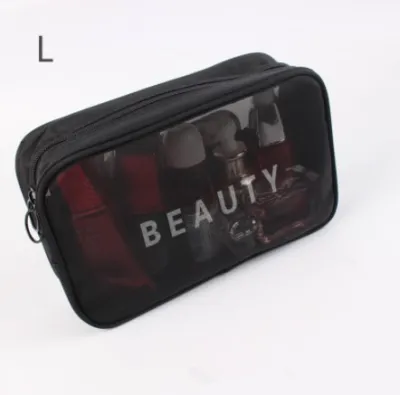
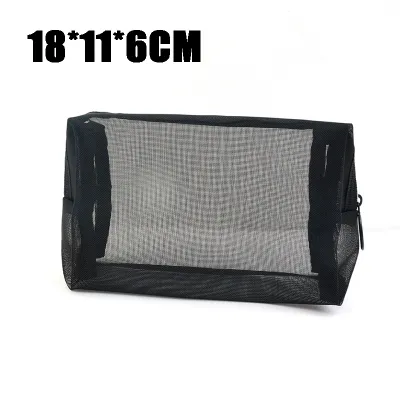
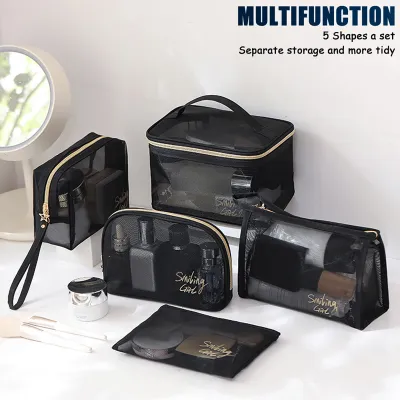
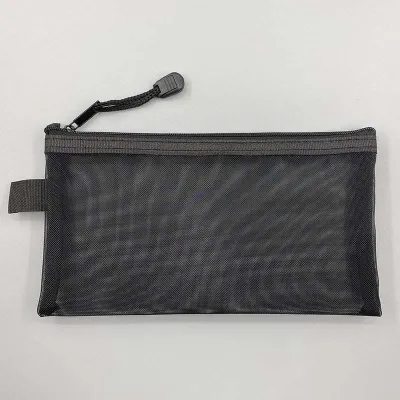
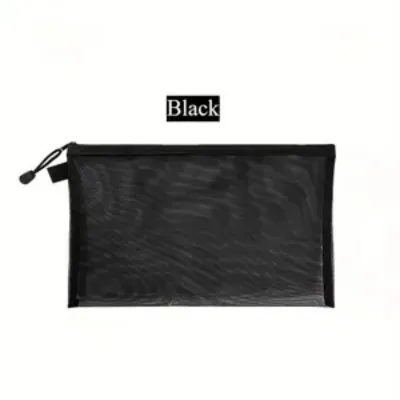
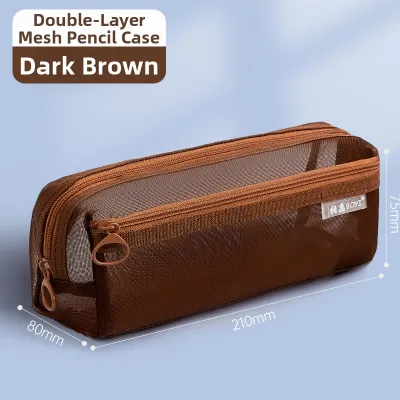
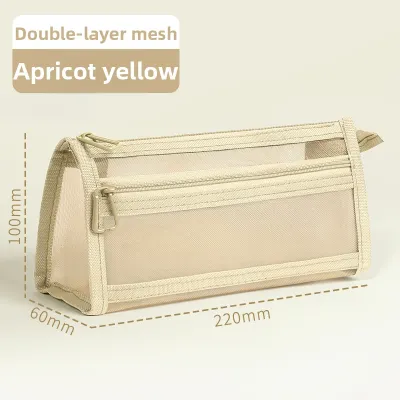
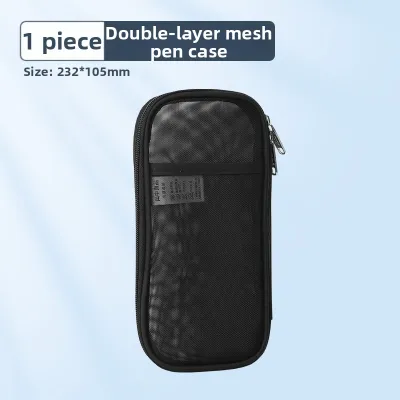
Prices are valid at publication and may change. Please refer to the product page for the latest price.
The visual appeal of a mesh pouch lies in its semi-transparent nature, which strikes a balance between mystery and anticipation. Unlike opaque boxes or bags, a mesh pouch allows colors, shapes, and textures to peek through the fabric. This partial visibility creates an immediate sensory connection, teasing the recipient’s curiosity without fully revealing the surprise. It adds a layer of sophistication, making even simple items feel thoughtfully curated and premium.
These pouches are particularly well-suited for specific categories of gifts that benefit from breathability and visual exposure. Artisan soaps, scented candles, and dried potpourri are ideal candidates, as the open weave allows their fragrances to diffuse naturally. Small accessories like delicate necklaces, hairpieces, or handmade trinkets are beautifully showcased against the soft backdrop of the mesh. Curated sample sets, such as miniature skincare bottles or gourmet tea selections, also look exceptionally organized and appealing when gathered neatly inside a structured pouch.
Core Buying Criteria for Mesh Pouches
Selecting the right mesh pouch involves understanding how its physical properties interact with your gift. A pouch that is too small will distort the item’s shape, while one made from weak fibers may tear under the weight of a heavier present. To avoid these issues, you must look closely at the technical specifications and construction details of each option. Evaluating these functional attributes ensures that your packaging is not only visually appealing but also structurally sound and reliable.

Sizing and Capacity Matching
One of the most common mistakes when purchasing mesh pouches is relying solely on flat lay dimensions. A pouch measured flat on a table will lose a significant portion of its usable width and height once a three-dimensional object is placed inside. For items with noticeable depth, such as jars or small boxes, look for gusseted pouches that feature built-in side or bottom folds. These folds expand naturally to accommodate bulkier shapes, preventing the fabric from stretching tightly or pulling at the seams.
To determine the correct size, measure your gift’s height, width, and depth carefully, then add a generous margin to your calculations. This extra space is essential for accommodating internal padding, decorative tissue paper, or a small greeting card. A good rule of thumb is to choose a pouch that is at least two to three centimeters larger than your item on all sides. This buffer ensures the gift slides in easily and sits comfortably without forcing the fabric to its absolute limit.
Overfilling a mesh pouch can ruin the entire presentation and compromise its structural integrity. When a pouch is stuffed too tightly, the tension strains the delicate seams and distorts the mesh weave, creating unsightly gaps or uneven patterns. It can also make the drawstring closure difficult to pull shut, leaving the top of the gift exposed and vulnerable to falling out. Ensuring a relaxed, comfortable fit preserves the elegant drape of the fabric and keeps the closure fully functional.
Material Quality and Mesh Weave
The fiber content of the pouch determines its texture, durability, and overall feel in the hand. Natural fibers like cotton mesh offer a soft, rustic, and organic aesthetic that pairs beautifully with eco-friendly or handmade gifts. Synthetic fibers, such as nylon or polyester, provide excellent strength, a slight sheen, and resistance to moisture and wear. Checking the manufacturer’s fiber label helps you select a material that matches the tone of your gift and stands up to handling.
Weave density is another critical factor, especially when packaging items with delicate surfaces or intricate details. A very loose, wide weave can easily snag on jewelry clasps, rough wooden surfaces, or sharp corners, leading to pulled threads and ruined packaging. For delicate gifts, opt for a tight, fine weave—often referred to as micro-mesh or organza-style mesh—which provides a smooth surface that minimizes friction. A denser weave also offers better structural support for slightly heavier items.
The longevity of a reusable pouch depends heavily on the quality of its construction. Examine the edge stitching, hem quality, and seam reinforcement, particularly around the bottom and sides of the pouch. Raw, unfinished edges inside the pouch can fray quickly over time, especially after washing or repeated use. Look for double-stitched seams or overlocked edges that lock the fibers in place, ensuring the pouch remains intact and presentable for years to come.
Drawstring and Closure Types
The closure mechanism plays a vital role in both the security of the gift and the overall unboxing experience. Single drawstring closures feature a single cord that pulls from one side, which can sometimes result in an uneven, bunched opening that is difficult to tie securely. Double drawstring closures, on the other hand, utilize two cords pulling in opposite directions. This design creates a symmetrical, balanced gather at the top of the pouch, making it much easier to open, close, and tie into a neat bow.
Depending on the style and weight of your gift, you may want to consider alternative closure features. Some mesh pouches incorporate plastic or wooden cord locks and toggles, which secure the opening instantly without requiring a knot. For a more luxurious presentation, ribbon ties offer a soft, elegant touch, while zipper closures provide security for travel-friendly pouches. Choose a closure type that complements the aesthetic of your gift while offering the appropriate level of security.
Before making a bulk purchase, it is wise to verify the physical quality of the closure components. Check that the cord or ribbon is thick enough to withstand repeated pulling without fraying or snapping. The drawstring channel should be wide enough to allow the cord to glide smoothly without catching on the mesh fabric. Additionally, ensure that the ends of the drawstrings are securely anchored or knotted at the seams to prevent them from slipping back into the channel during use.
Design and Aesthetic Alignment
The visual design of the mesh pouch should harmonize with the occasion, your brand identity, or the recipient’s personal style. Opacity levels vary widely depending on the weave density and fiber type. A highly transparent, fine organza mesh highlights the gift’s details clearly, making it well-suited for colorful items like bath bombs or decorated cookies. Conversely, a denser, semi-opaque cotton mesh offers a more understated, mysterious look, keeping the exact nature of the gift hidden until the pouch is opened.
In tropical climates like the Philippines, high humidity can sometimes cause dyes to transfer from packaging materials onto the gifts inside. To prevent this, it is crucial to verify the colorfastness of the dyed mesh fabric, especially if you are packaging light-colored items, textiles, or handmade soaps. Opting for natural, undyed fibers or high-quality synthetics that specify colorfast properties will protect your gifts from unsightly stains and preserve their pristine appearance.
Decorative elements can elevate a simple mesh pouch into a stunning piece of art. Look for options that feature delicate embroidery, subtle beadwork, printed patterns, or contrasting metallic trims that catch the light. If you are using the pouches for business gifting, custom-printed logos can reinforce your brand identity. Keep in mind that heavy embellishments may affect the washability and flexibility of the pouch, so balance your desire for decorative flair with the practical need for durability and ease of care.
Building Your Condition-Based Shortlist
To simplify your buying process, create a structured decision framework that matches specific gifting scenarios to the right pouch specifications. For example, heavy or solid items like ceramic mugs, stone coasters, or thick candle jars require a robust polyester or nylon mesh with reinforced double-stitched seams to prevent sagging. Delicate, lightweight items like lace handkerchiefs, dried flower sachets, or single jewelry pieces are better suited for soft, fine-weave cotton or organza pouches that protect without scratching.
Budget planning is essential, particularly when preparing for large events like weddings, corporate gatherings, or holiday gift-giving. Establish a clear per-unit budget in ₱ to guide your search. Purchasing in bulk from wholesale suppliers often significantly reduces the cost per unit, but you must pay close attention to the minimum order quantities (MOQs). Balancing the total cost against the quantity you actually need prevents overspending on excess inventory that may sit unused.
Finally, prioritize secondary features based on the values and lifestyle of your recipients. If your target audience values sustainability, prioritize pouches made from organic cotton or certified compostable materials. For gifts intended for daily use, such as travel makeup bags or gym organizers, prioritize machine-washable synthetic mesh that can be easily cleaned and sanitized. Aligning these features with recipient expectations ensures your packaging is appreciated and utilized to its fullest potential.
Sourcing and Pre-Purchase Verification
When browsing online marketplaces or local stationery suppliers, take the time to analyze user reviews and feedback. Look for real-world photos and comments specifically addressing sizing accuracy, as actual dimensions can sometimes differ slightly from the seller’s description. Pay attention to any complaints regarding snagging risks, loose threads, or drawstrings that slip out of their channels. This feedback provides valuable insights into the actual quality of the product before you commit to a purchase.
If you plan to place a large bulk order for a major event, always request a physical sample from the supplier first. Testing a single pouch in person allows you to verify the texture, color accuracy, seam strength, and drawstring functionality with your actual gift items. Additionally, review the supplier’s return and exchange policies to ensure you are protected in case the delivered batch does not match the approved sample or contains manufacturing defects.
Timely delivery is crucial for any gifting event, so always confirm shipping conditions and lead times to your location in the Philippines. Factor in potential delays due to customs processing, peak holiday seasons, or inclement weather. Choosing suppliers that offer reliable tracking services and clear delivery estimates ensures your mesh pouches arrive well in advance, giving you plenty of time to assemble and complete your gift presentations.
Frequently Asked Questions (FAQ)
Can mesh pouches be washed and reused?
Yes, most mesh pouches can be washed and reused, but the exact care method depends on the material. Natural fibers like cotton mesh are highly breathable but may shrink slightly if washed in hot water or dried on high heat; they are best washed by hand in cool water and air-dried. Synthetic materials like polyester and nylon are highly durable and can typically handle gentle machine washing in a mesh laundry bag, making them incredibly easy to maintain for long-term reuse. Always check the manufacturer’s care label for specific instructions to preserve the pouch’s shape and color.
How do I prevent small items from falling through the mesh?
To keep tiny or granular items from slipping through the holes of a mesh pouch, select a pouch with a very tight weave or micro-mesh construction. If you are using a wider, more open weave for its aesthetic appeal, you can wrap the small items in a piece of decorative tissue paper or place them inside a small, solid inner liner like a cotton or satin bag first. This double-layer approach keeps your items secure while still allowing the beautiful texture of the outer mesh pouch to be the highlight of your presentation.
Are mesh pouches suitable for heavy or sharp gifts?
Standard mesh pouches are generally not recommended for heavy or sharp items, as sharp edges can easily catch on the weave and cause tears, while heavy weights can strain the seams and drawstring channel. If your gift has sharp corners, consider placing it in a small protective inner box or wrapping it in thick paper before inserting it into the pouch. For heavier items, look for specialized heavy-duty mesh bags made from thick polyester or canvas-blend materials with reinforced, double-stitched seams to ensure the pouch can support the weight safely.
Community discussion
Share your experience or ask a question. Comments are reviewed before publication.