
To choose the right metal marker, you must match the tool’s tip size, ink formulation, and color contrast to your specific metal surface and environmental conditions. Whether you are labeling steel beams in a humid workshop, detailing handmade metal jewelry, or organizing steel shelving units in your home, the wrong marker can result in smudged lines, faded text, or surface damage. By evaluating how the marker interacts with different metal textures and exposures, you can select a tool that delivers clean, lasting results.
Understanding the physical properties of your metal substrate is the first step toward a successful project. Raw, untreated metals like iron or hot-rolled steel often carry oily residues or rust, which require aggressive, high-adhesion inks. Conversely, finished metals like anodized aluminum or painted steel have smooth, non-porous surfaces that allow for cleaner lines but are highly susceptible to scratching if the marker tip is too abrasive.
Identify Your Core Requirements: Tip Size, Ink Permanence, and Color
Selecting the ideal metal marker begins with defining the physical demands of your project. The tip size and shape dictate the level of detail you can achieve and how easily the marking can be read from a distance. Fine and extra-fine tips, typically ranging from 0.5mm to 1.5mm, are designed for high-precision tasks such as marking small measurements on copper pipes or detailing metal art. Medium tips, usually around 2mm to 4mm, serve as the standard for general labeling, while broad chisel or block tips exceeding 5mm are reserved for large-scale industrial marking where visibility from several meters away is necessary.
Products mentioned in this guide
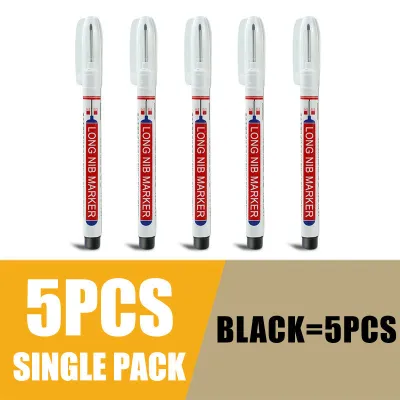
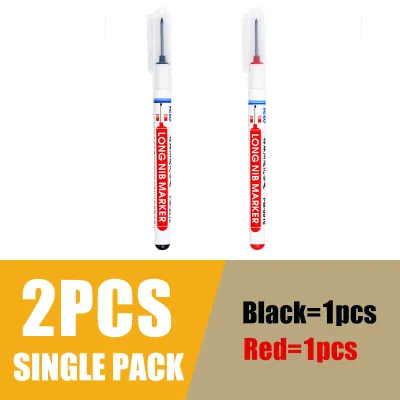
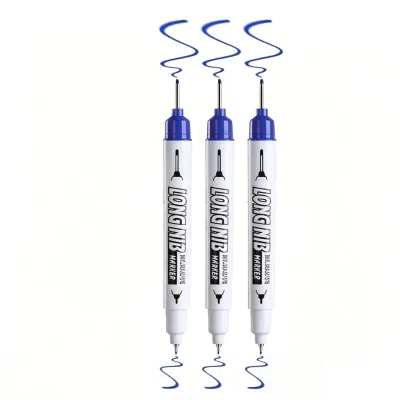
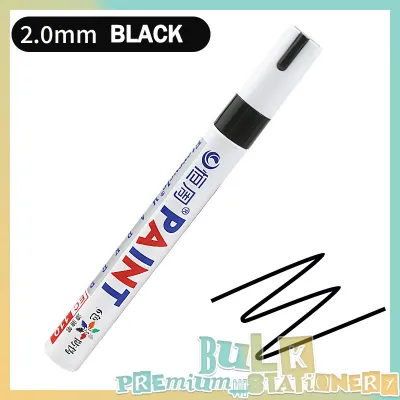
Prices are valid at publication and may change. Please refer to the product page for the latest price.
Ink permanence is another critical factor that must align with the environment where the metal will reside. Standard permanent markers use alcohol-based inks that dry quickly on clean, dry metals but may fade under direct sunlight or wash away when exposed to solvents. For harsher environments, specialized waterproof and weather-resistant formulations are required. If your metal components will undergo heat treatment, welding, or prolonged exposure to tropical heat, look for markers explicitly labeled as extreme-temperature or heat-resistant, which use specialized pigments that do not degrade under high thermal stress.
Color contrast is the final pillar of your baseline specifications. A marker with excellent adhesion is useless if the marking cannot be easily read against the metal substrate. For dark, unpolished metals like raw iron, cast iron, or hot-rolled steel, opaque white, yellow, or silver paint markers provide the highest contrast. For bright, reflective surfaces like polished stainless steel, chrome, or brass, dark colors such as black, deep blue, or red offer the best legibility. Always consider the lighting conditions of your workspace, as reflective metal surfaces can create glare that obscures low-contrast markings.
Match Markers to Workshop and Industrial Labeling
In workshop and industrial settings, metal surfaces are rarely pristine. Raw steel plates, copper tubing, and iron fittings are frequently coated in protective oils, cutting fluids, rust, or dust. Standard ink markers will quickly clog or fail to adhere to these contaminated surfaces. To overcome this, professionals rely on liquid paint markers or specialized oil-based markers. These markers feature a valve-action mechanism that pumps thick, opaque paint to the nib, allowing the ink to cut through surface oils and form a durable bond directly with the underlying metal.

Environmental resistance is paramount for industrial markings, especially in tropical climates where high humidity and intense sunlight accelerate weathering. When selecting a marker for outdoor steel structures, electrical boxes, or automotive parts, check the manufacturer’s specifications for UV resistance and waterproofing. High-quality industrial paint markers use pigments that resist fading under intense solar radiation and will not wash off during heavy monsoon rains. For components that face extreme heat, such as engine parts or exhaust pipes, verify the specific temperature limits listed on the marker’s technical data sheet to ensure the markings remain legible.
Safety and visibility are also crucial in busy industrial environments. High-visibility and fluorescent colors, such as neon orange, bright yellow, and lime green, are highly recommended for marking hazards, identifying structural cut lines, or color-coding inventory. These bright shades help workers quickly identify critical markings in low-light conditions or dusty workshop corners. When working in specialized environments like shipyards or chemical plants, ensure the marker’s ink formula is free of corrosive halogens and chlorides, which can degrade stainless steel over time.
Select Markers for DIY, Crafting, and Home Organization
For home projects, crafting, and organizing, the priorities shift from rugged durability to precision, aesthetics, and user comfort. If you are engraving metal jewelry, personalizing brass keychains, or creating detailed metal scrapbooking elements, fine or extra-fine tips are essential. These delicate nibs allow you to write clearly on small surfaces without the ink bleeding or pooling. Acrylic-based paint markers are highly popular for these creative tasks, as they offer vibrant, opaque colors that dry to a smooth, professional finish on decorative metal items.
Indoor safety and odor are significant considerations when working in enclosed home spaces. Many industrial-grade markers rely on strong solvents like xylene or toluene, which emit harsh fumes and require heavy ventilation. For home DIY and crafting, look for water-based or low-odor solvent formulations. Water-based paint markers are virtually odorless, non-toxic, and safe for prolonged use indoors, making them ideal for family crafting sessions or organizing metal pantry tins. They dry to a permanent finish on metal but are much easier to handle and clean up during the application process.
Reversibility is another valuable feature for home organization and temporary labeling. If you are labeling metal storage bins, toolboxes, or steel shelving units, you may want the flexibility to change the labels in the future. In these scenarios, look for temporary or chalk-based metal markers. These markers use dry-erase or wet-erase formulations that adhere well to smooth metal surfaces but can be easily wiped clean with a damp cloth or mild soapy water. This allows you to update your organization system without leaving permanent stains or sticky adhesive residue on your metal containers.
Evaluate Cross-Scenario Compatibility and Marker Care
If you work on a mix of light crafting and basic home repairs, you might wonder if a single marker can handle both worlds. While specialized markers excel in their specific niches, a medium-tip, oil-based permanent marker offers the best cross-scenario versatility. It provides enough precision for basic labeling on toolboxes and storage bins while retaining the durability needed to mark copper pipes or outdoor metal fixtures. However, keep in mind that a versatile marker is a compromise; it will not offer the extreme detail of an extra-fine crafting pen or the heavy-duty oil resistance of an industrial paint marker.
Proper storage is key to maximizing the lifespan of your metal markers, especially valve-action paint markers. Most manufacturers recommend storing these markers horizontally when not in use. Horizontal storage keeps the ink pigments evenly distributed and prevents the heavy paint solids from settling at the bottom of the barrel or clogging the valve mechanism. If stored vertically with the tip down, the nib can become flooded and leak; if stored tip up, the nib can dry out completely, making it difficult to restart the ink flow.
Maintaining the marker’s tip is equally important for ensuring consistent ink flow and clean lines. Over time, the nib of a metal marker can become clogged with dust, rust particles, or dried paint from the surface you are marking. To revive a clogged or dried nib, consult the manufacturer’s instructions for approved cleaning methods. Many paint markers feature reversible or replaceable nibs; you can simply pull the nib out, flip it around, or insert a fresh replacement. Avoid using harsh, unapproved solvents to clean the nib, as this can dissolve the binder in the ink and ruin the marker’s internal valve system.
Frequently Asked Questions (FAQ)
Can I use a standard permanent marker on metal instead of a specialized metal marker?
While a standard permanent marker can write on clean, smooth metal surfaces, it is generally not recommended for long-term or demanding projects. Standard permanent inks are thin and translucent, meaning they will not show up well on dark or textured metals. Additionally, these inks lack the adhesion and UV resistance of specialized metal markers, causing them to smudge easily, fade quickly in sunlight, or wash away when exposed to moisture. For reliable legibility and durability, it is best to use a marker specifically formulated for metal surfaces.
How do I safely remove permanent metal marker ink if I make a mistake?
To safely remove permanent metal marker ink, you must consider both the chemical base of the ink and the finish of the metal. For alcohol-based inks, rubbing alcohol (isopropyl alcohol) or acetone is usually highly effective. For oil-based or acrylic paint markers, a mild solvent like mineral spirits or a specialized paint thinner may be required. Always test the solvent on a small, hidden area of the metal first to ensure it does not dull, discolor, or strip the metal’s protective coating or paint finish, and stop immediately if you notice any degradation.
Community discussion
Share your experience or ask a question. Comments are reviewed before publication.