
Choosing the right m g gel pen variant depends on matching your writing style, paper type, and task requirements to the pen’s tip size and ink formulation. Whether you are a student rushing through lecture notes in a humid classroom, a planner enthusiast organizing a detailed layout, or a professional signing legal documents, selecting the correct specifications ensures a seamless writing experience. Understanding how these pens perform under different conditions will help you avoid common issues like smudging, bleeding, and hand fatigue.
By evaluating key features such as line width, drying speed, and refill compatibility, you can easily identify the ideal pen for your daily routine. This guide breaks down the essential selection criteria to help you make an informed decision.
Quick Selection Guide for MG Gel Pens
To make an immediate decision, you can map your primary writing tasks to the most compatible pen specifications. The table below outlines how different writing needs align with specific tip sizes and ink formulations to deliver the best results.
Products mentioned in this guide
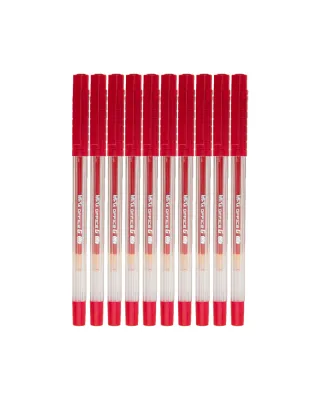
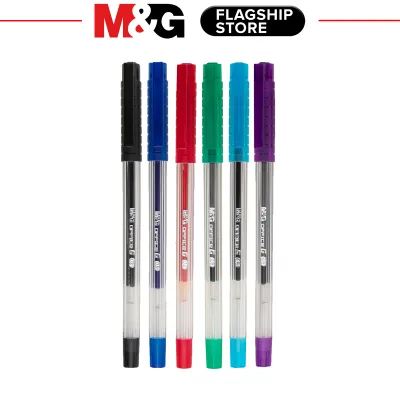
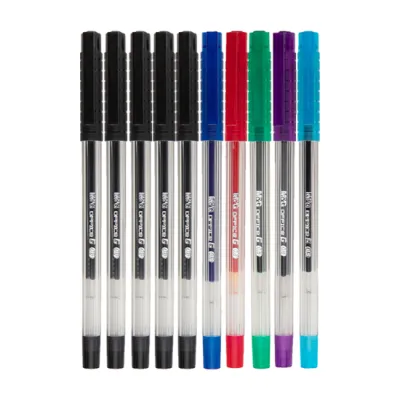
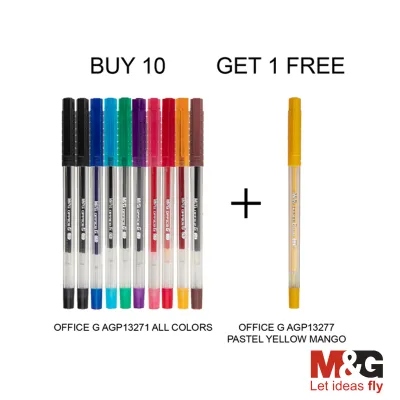
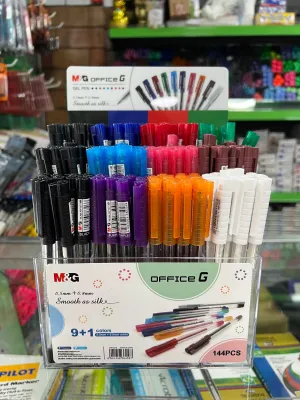
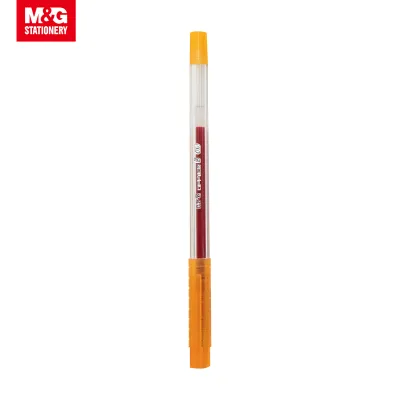
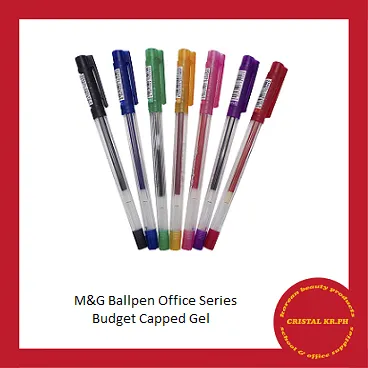
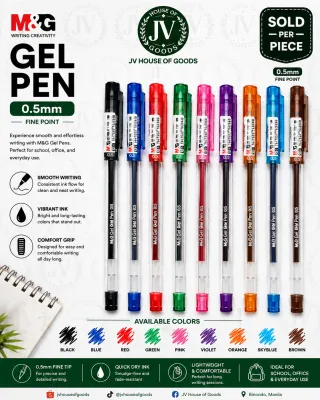
Prices are valid at publication and may change. Please refer to the product page for the latest price.
| Primary Writing Task | Recommended Tip Size | Ideal Ink Type | Key Performance Benefit |
|---|---|---|---|
| Rapid Note-Taking & Studying | 0.5mm | Quick-Dry Gel | Prevents smudging during fast page turns |
| Detailed Journaling & Planners | 0.38mm | Standard Gel | Crisp, ultra-fine lines with minimal bleed-through |
| Official Signing & Legal Forms | 0.7mm | Pigment-Based Archival | High visibility, water resistance, and permanence |
| Creative Color-Coding & Art | 0.5mm or 0.7mm | Colored Standard Gel | Vibrant, highly saturated hues for visual organization |
When selecting a pen, consider your paper type. Standard gel ink performs exceptionally well on high-quality, uncoated paper, whereas specialized quick-dry ink is highly recommended for coated papers or high-humidity environments where moisture slows down evaporation.
Before purchasing, look for key visual cues on the pen packaging or barrel. M&G pens typically feature clear labels indicating their series, the exact tip size printed on the cap or barcode, and specific callouts like “Quick Dry” or “Waterproof” to guide your choice.
Decoding Tip Sizes and Line Widths
The tip size of a gel pen determines the thickness of the line left on the page, which directly influences how neat and legible your handwriting appears. M&G gel pens generally fall into three main categories: fine, standard, and bold. Each size serves a distinct purpose and behaves differently depending on your writing style and the paper you use.

Fine tips, typically measuring 0.38mm or smaller, are engineered for precision. They are highly favored by individuals with small, compact handwriting and those who write intricate characters or detailed mathematical formulas. In the Philippines, where students and professionals frequently use compact planners, pocket notebooks, or grid-lined paper, a 0.38mm tip is invaluable. It deposits a minimal amount of ink, which significantly reduces the risk of the ink feathering or bleeding through thin, low-gsm paper. However, because the tiny tungsten carbide ball has a smaller surface area, fine tips can sometimes feel slightly scratchy on rough, fibrous paper textures.
Standard tips, measuring 0.5mm, represent the sweet spot for everyday writing. This size balances a smooth, gliding sensation with a controlled ink flow that suits almost all handwriting styles. Whether you are drafting an essay, filling out forms, or writing in a daily journal, a 0.5mm m g gel pen provides a consistent, clean line without excessive pooling. It is robust enough to handle slightly textured paper without catching on the fibers, making it the most versatile option for general use.
Bold tips, measuring 0.7mm or larger, are designed for those who prefer a rich, highly saturated line. The larger ball diameter allows a generous volume of ink to flow onto the page, resulting in an incredibly smooth, effortless writing experience. Bold tips are excellent for headings, signatures, and emphasis, though they require thicker, high-quality paper to prevent ghosting on the reverse side of the page. If your handwriting is naturally large and cursive, a bold tip will complement your strokes beautifully, whereas it may cause small, cramped letters to merge and become illegible.
To verify the tip size before buying, inspect the pen cap, the push-button mechanism of retractable models, or the adhesive barcode label on the side of the barrel. M&G clearly prints the numerical millimeter measurement on these components, ensuring you do not accidentally purchase a bold pen when you need an ultra-fine line.
Evaluating Ink Properties and Drying Times
The formulation of the ink inside your gel pen determines how quickly it dries, how vibrant it looks, and how well it resists environmental factors like moisture and light. M&G utilizes several distinct ink technologies to cater to different writing speeds and preservation needs.
Standard gel ink consists of water-based suspended pigments that offer exceptionally bright, vivid colors and a smooth glide. However, because it is water-based, it dries relatively slowly. In warm, humid tropical climates, the ambient moisture in the air can delay drying times even further. If you close your notebook too quickly or run your hand over the freshly written text, standard gel ink is prone to smearing.
To combat this issue, quick-dry gel ink formulations use fast-evaporating solvents that penetrate paper fibers almost instantly upon contact. This technology is highly beneficial for left-handed writers whose hands naturally follow the path of the pen, as well as for students taking rapid-fire notes during lectures. If you frequently write on smooth, coated, or semi-glossy paper surfaces, a quick-dry variant is essential to prevent messy smudges.
For documents that must stand the test of time, pigment-based archival ink is the superior choice. Unlike standard dye-based inks that can fade under sunlight or dissolve when exposed to water, archival pigment ink contains microscopic solid particles that bind permanently to the paper fibers. Once dry, this ink is highly water-resistant and fade-resistant, making it virtually impossible to wash away or alter.
You can verify these properties by checking the product packaging for specific symbols or terms such as “Waterproof,” “Fade-Resistant,” or “Document Proof.” If you want to test a pen’s water resistance yourself, write a few lines on a scrap piece of paper, allow it to dry completely for a few minutes, and then place a small drop of water over the text. Standard gel ink will begin to bleed and run, while pigment-based ink will remain perfectly sharp and legible.
Matching Variants to Your Primary Writing Tasks
To get the most out of your M&G gel pens, it is helpful to match specific pen designs and features to your primary daily activities. Different tasks demand different balances of comfort, precision, and ink performance.
For note-taking and intensive studying, comfort and speed are your top priorities. Writing continuously for hours can lead to hand fatigue and finger cramps. To prevent this, look for M&G variants that feature soft, ergonomic rubber or silicone grips. These grips cushion your fingers and reduce the gripping pressure required to maintain control. Pair an ergonomic barrel with a 0.5mm quick-dry gel pen; this combination ensures that your hand remains comfortable during long study sessions, and your notes remain pristine as you quickly flip through pages to write more.
Journaling and creative planning call for a different set of features. Planners often contain thin, delicate paper where heavy ink flow can cause distracting ghosting or bleed-through. To keep your layouts clean, opt for a 0.38mm fine-tip variant, which deposits less ink while maintaining crisp lines. Journaling is also a highly visual activity, making M&G’s extensive color palette a major advantage. Utilizing different colors for task categorization, habit tracking, and highlighting key events makes your planner both functional and visually appealing.
When dealing with official documents, legal contracts, and signing checks, the requirements shift entirely toward legibility and security. A 0.7mm bold-tip pen is ideal for these tasks, as it creates a thick, authoritative line that is easy to read and stands out clearly on official forms. It is critical that the pen you choose for these tasks uses black or dark blue pigment-based, waterproof ink. This ensures that signatures cannot be easily smudged, erased, or damaged by accidental liquid spills, preserving the integrity of important records.
Verifying Compatibility and Refill Options
Maintaining your writing instruments should be both cost-effective and convenient. Before committing to a specific m g gel pen model, it is wise to evaluate its long-term maintenance requirements, refill availability, and physical mechanism.
One of the most significant advantages of using high-quality gel pens is the ability to replace the ink cartridge rather than discarding the entire pen. M&G produces many models that accept standard, widely compatible refill cartridges. By checking the packaging or removing the internal cartridge, you can identify whether your pen uses a standard format or a proprietary design. Opting for models with easily sourceable refills is highly beneficial for both your wallet and the environment, as it reduces plastic waste.
From a financial perspective, purchasing refills is far more economical than buying brand-new pens. In the Philippines, a premium complete gel pen might cost anywhere from ₱35 to ₱60, whereas a pack of compatible refills often costs only ₱10 to ₱20 per piece. Over a school semester or a year of office work, switching to refills can save you hundreds of pesos while allowing you to keep using a comfortable, broken-in pen barrel.
The physical mechanism of the pen also plays a role in its durability and safety. Capped pens are excellent for long-term storage and carrying in bags, as the physical cap provides a secure seal that prevents the ink from drying out and protects your pockets from accidental stains. On the other hand, retractable click pens offer unmatched one-handed convenience for quick note-taking on the go. However, you must ensure the click mechanism feels sturdy and locks securely to prevent the tip from extending while clipped inside a pocket.
If you are ever uncertain about which refill fits your specific M&G pen, bring the empty pen barrel to a local stationery store in the Philippines to physically compare the cartridge length, spring placement, and tip shape, or consult the manufacturer’s official online compatibility charts.
Frequently Asked Questions (FAQ)
Can I use MG gel pens on thermal paper or receipts?
Standard gel pens are generally not recommended for use on thermal paper or store receipts. Thermal paper is coated with a smooth, heat-sensitive chemical layer that lacks the porous texture of standard paper. Because gel ink is water-based, it cannot easily penetrate this slick coating, causing the ink to pool on the surface, smear easily, and take an exceptionally long time to dry. Additionally, the chemicals present in thermal paper can react negatively with the gel ink formula, which may cause the written text to fade or disappear entirely over time. For signing receipts or writing on thermal labels, a traditional ballpoint pen with oil-based ink is a much safer and more reliable choice.
How do I revive an MG gel pen that has skipped or dried out?
If your gel pen begins to skip or seems to have dried out, start with a quick visual inspection. Look through the transparent plastic of the pen barrel or the refill cartridge to verify that ink remains inside and check for any visible air bubbles or gaps in the ink column. If you spot a gap, hold the pen firmly and tap it tip-down against a hard surface to force the ink back toward the writing tip. To revive a dry tip, scribble firmly in circular motions on a piece of rough scratch paper or cardboard; the friction helps heat the tiny metal ball and loosen any dried ink residue. You can also try scribbling gently on a damp paper towel, as the moisture can dissolve stubborn clogs at the tip. To prevent future flow issues, always store your gel pens horizontally or tip-down in a pen holder, and ensure caps are clicked on tightly or retractable tips are fully drawn in when not in use. If these troubleshooting steps do not restore a smooth flow, it is time to replace the refill or the pen.

Community discussion
Share your experience or ask a question. Comments are reviewed before publication.