
Choosing the right money card design depends on matching the card’s visual formality, material quality, and structural features to the specific cultural expectations of the event. Whether it is the elegant sophistication of a wedding, the playful personalization of a birthday, or the traditional symbolism of Chinese New Year, the card serves as both a secure vessel for your monetary gift and a tangible expression of your well-wishes.
In the Philippines, where cash gifts (often in denominations of ₱500 or ₱1,000) are highly practical and widely appreciated, presenting your gift in a thoughtfully selected card elevates the gesture from a simple transaction to a meaningful token of respect.
Understanding Money Card Etiquette and Cultural Tones
A dedicated money card features specialized internal slots, pockets, or bands designed to hold paper currency securely without folding it excessively. In contrast, standard greeting cards often lack these structural elements, requiring you to loose-leaf the bills, while plain white envelopes can feel transactional, clinical, or like an afterthought.
Products mentioned in this guide
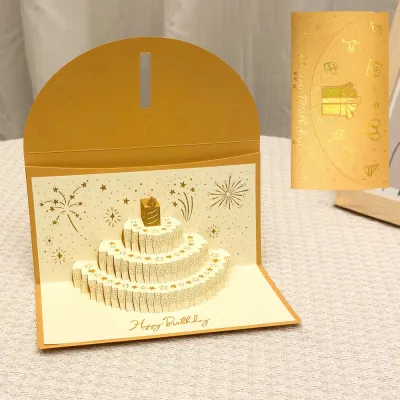
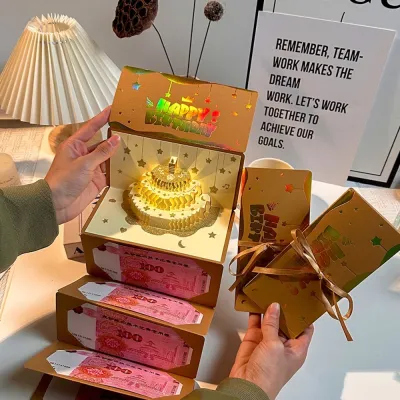
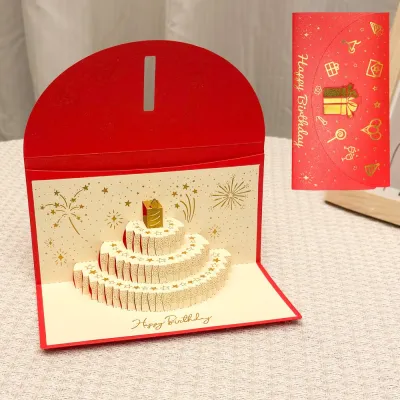
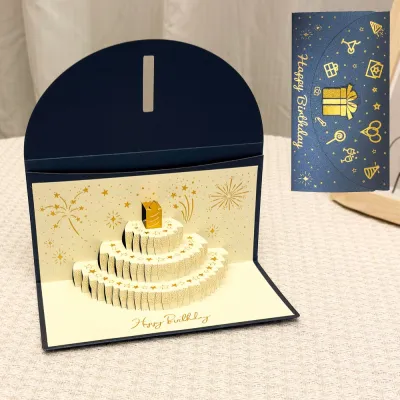
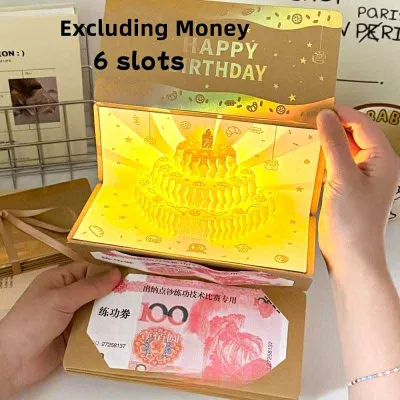
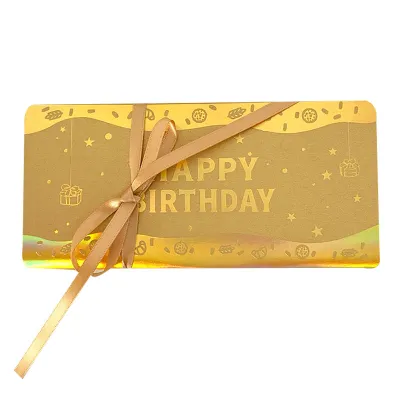
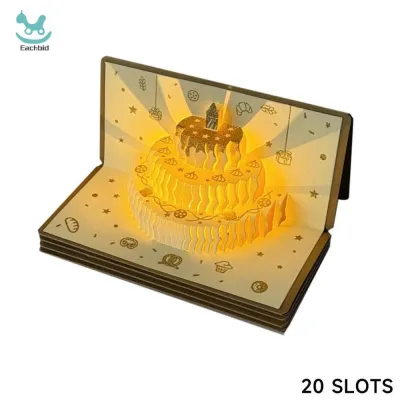
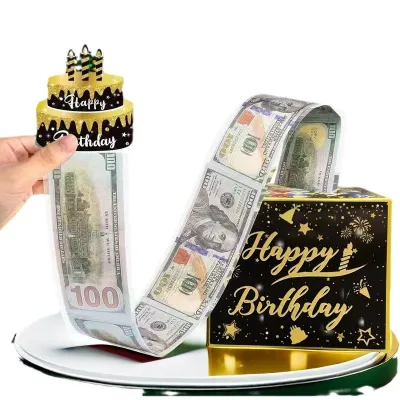
Prices are valid at publication and may change. Please refer to the product page for the latest price.
Gifting monetary tokens in the Philippines carries distinct social expectations. Presenting crisp, uncreased bills is a sign of respect and preparation, signaling that you planned the gift in advance rather than pulling cash from your wallet at the last minute.
The physical weight of the card stock and the complexity of its finish should align with the event’s setting. A high-end hotel ballroom reception demands a heavy, textured card that mirrors the formal dress code, whereas a casual backyard gathering allows for lighter, more playful paper options.
Selecting Wedding Money Card Designs
For weddings, elegant and celebratory color palettes are essential. Classic choices include cream, ivory, champagne, blush pink, and soft pastel tones, which harmonize with traditional bridal themes. It is generally best to avoid solid black or dark gray designs, as these colors are culturally associated with mourning and can feel out of place at a matrimonial celebration.

Elevate the card’s formality by selecting materials with tactile finishes. Look for heavy cardstock (typically 250 gsm or higher) featuring elegant details like gold or silver foil stamping, embossed floral patterns, or delicate laser-cut borders. These premium textures ensure the card feels substantial when handed to the couple or placed in the reception’s gift box.
Ensure the card has sufficient interior space or a dedicated insert for writing a personal message. Weddings often prompt longer, heartfelt wishes for the couple’s future, or require space for multiple family members to sign their names. Verify that the paper surface is compatible with your writing instrument; highly glossy interiors can cause gel pens or calligraphy ink to smear, so matte or uncoated writing surfaces are preferred.
Picking Birthday Money Card Designs
Milestone birthdays—such as a debut (18th birthday), a 21st, or senior golden years—demand a more sophisticated design approach, often incorporating elegant numbering, metallic accents, and refined layouts. Casual yearly celebrations, on the other hand, offer the freedom to choose vibrant colors, whimsical illustrations, or trendy graphic patterns.
Tailor the visual style to the recipient’s personality. A minimalist design with clean lines and subtle typography suits a colleague or a friend who appreciates modern aesthetics, while highly illustrated or humorous cards are excellent for close friends and younger relatives. Always ensure the humor remains lighthearted and universally appropriate for a family-friendly gathering.
Look for practical structural features that keep the cash secure. High-quality birthday money cards often include pre-cut diagonal slots to hold the corners of the bills, integrated paper pockets, or even interactive pull-out tabs that reveal the cash dynamically. These features prevent the bills from slipping out when the card is opened in a busy party environment.
Choosing Chinese New Year Money Card Designs
Traditional Chinese New Year designs rely heavily on vibrant red and brilliant gold, colors symbolizing luck, prosperity, and joy. Verify that the card features auspicious motifs such as the current zodiac animal, traditional Chinese coins, or citrus fruits like mandarins, which represent wealth and good fortune.
Select the design based on the recipient’s relationship to you. Red envelopes (ang pao) given to children and unmarried younger relatives often feature playful, cartoonish illustrations of zodiac animals or friendly deities. Conversely, cards intended for elders or business associates should feature elegant, formal calligraphy of traditional blessings on high-quality textured paper.
If you prefer a contemporary aesthetic, look for modern adaptations that respect core cultural traditions. Minimalist layouts featuring a single, clean gold-foil character on a matte crimson background offer a sophisticated, understated look. These designs bridge the gap between traditional customs and modern stationery trends without losing their symbolic meaning.
Maximizing Versatility Across Multiple Occasions
Keeping a curated stock of versatile money cards saves time and ensures you are always prepared for unexpected invitations. Look for geometric patterns, elegant botanical illustrations, or abstract watercolor designs in neutral palettes like sage green, navy blue, or warm terracotta. These designs can easily transition from a birthday to a housewarming or a wedding with a simple change of your written message.
Opt for cards with blank interiors to maximize their utility. A blank canvas allows you to personalize the card for any occasion, whether you want to write a simple note or showcase your hand-lettering skills. When practicing calligraphy or brush lettering, verify the paper’s bleed resistance and drying speed by testing your ink on a small, inconspicuous corner of the card first.
In the tropical climate of the Philippines, high humidity can cause paper products to warp, discolor, or stick together over time. Store your unused money cards in an airtight plastic container or a sealed drawer, away from direct sunlight. Placing a few packets of silica gel inside the storage container will absorb excess moisture and keep your stationery in pristine, gift-ready condition.
Frequently Asked Questions (FAQ)
Can I use a regular greeting card as a money card?
Yes, you can adapt a regular greeting card by securing the bills inside. Use a small piece of low-tack decorative tape (such as washi tape) or a clean paper clip to hold the cash flat against the interior page, ensuring the bills do not fall out when the envelope is opened. Avoid using standard adhesive tape, which can tear the paper currency or leave a sticky residue.
Is it acceptable to give a digital money card instead of a physical one?
Digital money cards and bank transfers are highly convenient for casual occasions, close friends, and tech-savvy younger recipients. However, for formal events like traditional weddings, milestone celebrations, or cultural holidays like Chinese New Year, a physical money card remains the preferred standard. The physical presentation conveys a level of effort, respect, and personal touch that digital transactions cannot fully replicate.
How do I securely fold or place money inside the card?
To present your monetary gift neatly, use crisp, uncreased bills and place them flat inside the card’s designated slots or pocket. If the card is smaller than the currency, fold the bills gently in half once rather than rolling them or making multiple tight folds, which can make the cash difficult to handle and count. Ensure the bills are fully tucked in so they do not slide out when the card is pulled from its envelope.
Community discussion
Share your experience or ask a question. Comments are reviewed before publication.