
Choosing a happy birthday card with music involves aligning the auditory experience, visual aesthetic, and written sentiment with the recipient’s personal style and age. In the Philippines, where family celebrations are vibrant and highly valued, a musical card acts as a memorable, sensory gift. Selecting the right card requires evaluating its physical construction, matching the audio-visual theme to your relationship with the recipient, and using the correct writing instruments to personalize the message without smudging.
Quick Guide to Choosing a Musical Birthday Card
A successful musical greeting card balances sensory delight with physical durability. The primary decision path begins with identifying the recipient’s personality, matching it with a suitable musical genre, and verifying that the card’s physical components can survive handling and local climate conditions.
Before purchasing, check the paper weight to ensure it supports the internal electronic module, and test the sound clarity to avoid distorted or overly quiet playback. Ultimately, the perfect card harmonizes a well-chosen song, an appealing visual layout, and a thoughtfully penned message that complements the pre-recorded audio rather than competing with it.
Products mentioned in this guide
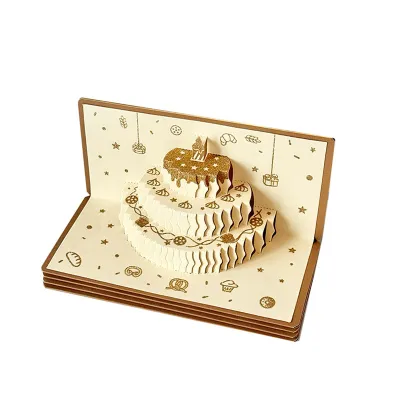
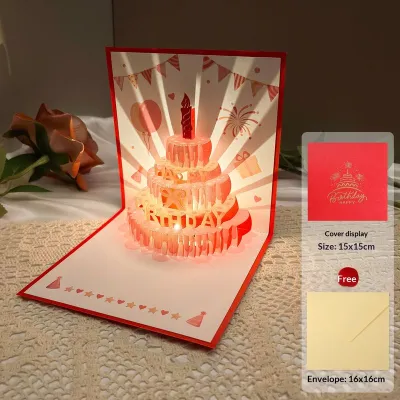
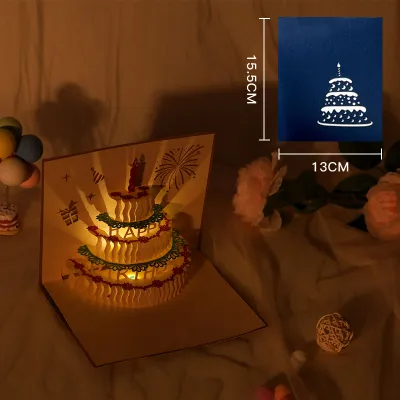
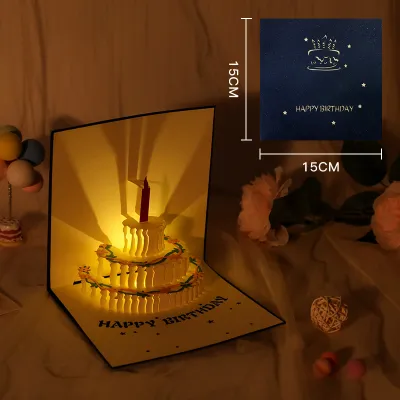
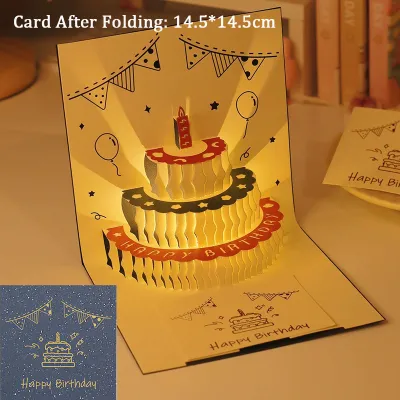
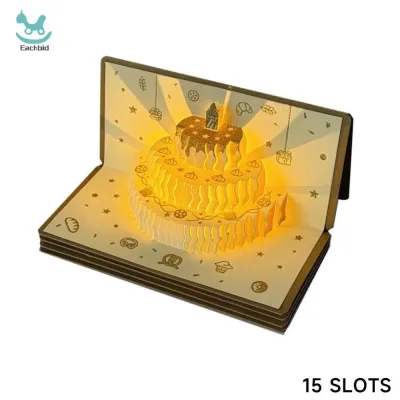
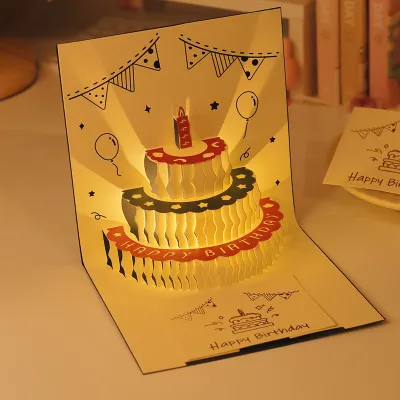
Prices are valid at publication and may change. Please refer to the product page for the latest price.
Key Features to Check Before Buying a Musical Card
Music Module and Sound Quality
The heart of any musical card is its electronic sound chip, which ranges from simple single-tone microchips to sophisticated polyphonic or recordable modules. Basic microchips play monophonic, retro-sounding bleeps that evoke early video games, while polyphonic modules deliver richer, multi-layered instrumental tracks or actual vocal recordings. When shopping in local boutiques or online marketplaces, listen closely to the speaker’s clarity; a tiny, low-quality speaker will sound tinny, muffled, or distorted when the card is fully opened. Verify if the volume level is appropriate for the intended setting, as some cards can be surprisingly loud with no way to adjust the decibels or mute the sound once triggered.

Paper Quality and Size
Because musical cards contain a battery, speaker, and wiring, they require heavy cardstock to maintain their structural integrity. Look for paper weights of at least 300 GSM (grams per square meter) to ensure the card does not sag, bend, or tear under the weight of the embedded electronics. In humid tropical environments, lighter paper can absorb moisture from the air, causing the card to warp and potentially misalign the internal trigger mechanism. Standard greeting card sizes like 5×7 inches or 6×8 inches are common, but larger, three-dimensional pop-up musical cards may require specialized envelopes and extra care during transit.
Battery and Trigger Mechanism
Most musical cards rely on small alkaline or lithium coin cell batteries (such as LR44 or CR2032) that are permanently sealed inside the paper layers. High-end or recordable options sometimes feature a small, hidden compartment allowing battery replacement, which significantly extends the card’s lifespan as a keepsake. The sound is activated by a trigger mechanism, most commonly a slide tab that pulls apart when the card is opened, a light-sensitive sensor that reacts to ambient light, or a micro-switch embedded in the hinge. Slide tabs are generally the most reliable, whereas light sensors may fail to trigger in dimly lit party venues or may accidentally play inside a semi-translucent envelope under bright light.
How to Match the Song, Design, and Tone to Your Recipient
A musical card is a multi-sensory gift that bridges visual art and sound to create an emotional connection. The ideal card matches the recipient’s specific tastes, ensuring the melody brings a smile rather than causing mild embarrassment or confusion. By tailoring the visual design and audio genre to the recipient’s age and your relationship closeness, you transform a simple paper product into a memorable birthday highlight.
For Parents and Grandparents
When selecting a card for older family members, prioritize classic, nostalgic, or soothing instrumental melodies that evoke fond memories. Traditional renditions of the birthday song, classical compositions, or gentle acoustic arrangements are excellent choices that show respect and warmth. Look for elegant visual designs featuring soft watercolor illustrations, floral motifs, classic gold foil accents, or traditional typography on a matte paper finish. Ensure the audio output is clear but gentle; loud, high-pitched electronic synthesizers can be jarring or difficult to process for elderly relatives. Keep the accompanying handwritten message respectful, appreciative, and focused on family gratitude.
For Friends and Colleagues
For peers, friends, and professional associates, you can explore upbeat, contemporary, or humorous themes that reflect shared experiences or inside jokes. Upbeat pop melodies, retro disco beats, or even a recordable card where you can capture a group shout-out work exceptionally well for this group. Visual designs can be bold and modern, incorporating pop-culture references, minimalist graphic illustrations, vibrant neon colors, or playful caricatures. Keep the message tone casual, witty, or highly personal. A relaxed, conversational handwritten note on the side panel pairs perfectly with a lively musical theme, making the interaction feel spontaneous and fun.
For Children and Teens
Younger recipients respond best to high-energy, interactive, and visually stimulating cards that feel more like toys than traditional stationery. Look for cards that combine music with flashing LED lights, intricate 3D pop-up structures, or moving parts that react when the card is opened. Choose energetic melodies, popular children’s tunes, or theme songs associated with current animated characters, gaming motifs, or sports themes. The paper construction must be exceptionally durable to withstand enthusiastic, repetitive opening and closing by curious hands. Keep your written message encouraging, bright, and brief, leaving plenty of room for the child to focus on the card’s interactive features.
Pairing Your Card with the Right Handwritten Message and Pen
Pen Selection for Cardstock
Writing on a musical card requires careful consideration of the paper surface to prevent unsightly ink smudges. Many premium musical cards feature a glossy or semi-gloss coating on the interior panels to protect the printed graphics, which does not absorb liquid ink quickly. For glossy surfaces, choose quick-drying gel pens with pigment-based ink or fine-point permanent markers, and allow the ink to sit undisturbed for several minutes before attempting to fold the card. If the card interior has a matte or textured finish, you can safely use fountain pens, water-based felt liners, or ballpoint pens, though it is always wise to perform a tiny scratch test on an inconspicuous corner first to verify drying speed and bleed resistance.
Message Tone and Layout
Your handwritten message should complement the pre-printed greeting and the musical theme rather than repeating them word-for-word. If the card plays a humorous song, match that energy with a lighthearted joke; if the music is sentimental, write a sincere note reflecting on your relationship. To elevate the presentation, use basic calligraphy or neat print lettering for the recipient’s name at the top and your signature at the bottom. Keep the paragraphs short and visually aligned, ensuring the text flows naturally around any printed illustrations or design elements inside the card.
Space Management
Because musical cards house batteries, wires, and speaker components, the physical layout inside is often uneven. The central fold or one of the thick panels will contain the raised electronic module, which limits the flat writing area and makes writing directly on that section difficult. Examine the card beforehand to identify the flat, unobstructed areas—usually the back of the front cover or a dedicated side panel—and plan your message length accordingly. Avoid pressing too hard with your pen over the areas containing the internal wiring, as excessive pressure can puncture the paper or damage the delicate electronic connections underneath.
Practical Tips for Gifting, Mailing, and Battery Care
Mailing Considerations
Due to the embedded electronics, a happy birthday card with music is significantly thicker, heavier, and more rigid than a standard paper greeting card. When sending these cards through the post, standard letter rates will rarely suffice; they often require parcel postage or additional stamps due to their non-machinable nature. Use a sturdy, padded envelope or a rigid cardboard mailer to protect the speaker and prevent the card from bending, which could damage the internal circuitry or trigger the music prematurely during sorting. If you are mailing the card, consider the transit times and potential exposure to high humidity in sorting facilities, opting for reliable courier services that offer tracked shipping.
Battery Preservation
Most musical cards are shipped with a plastic “try me” pull-tab inserted into the battery contact path to prevent the music from playing during shipping and storage. Keep this tab firmly in place until you are ready to gift the card, or reinsert it if you are storing the card for an extended period before the recipient’s birthday. If the card does not have a pull-tab and relies on a light sensor, ensure it is placed inside an opaque, dark envelope so that ambient light does not trigger the music while it is resting in a mailbox or delivery bag. Avoid exposing the card to extreme heat or direct sunlight, such as leaving it inside a hot car, as high temperatures can degrade the battery life and cause the adhesive holding the speaker to melt or shift.
Gifting Presentation
To maximize the surprise, present the card in a way that allows the recipient to trigger the music naturally upon opening. If you are handing the card over in person, place it on top of the main gift box rather than tucking it deep inside a crowded gift bag where the hinge might get squished or bent. If the card is designed to stand upright while playing, gently pre-crease the fold lines so it can sit securely on a table or shelf, allowing the recipient to display it and enjoy the music throughout their birthday celebration.
Frequently Asked Questions (FAQ)
Can I record my own voice or song on a musical birthday card?
Yes, recordable musical cards are widely available on online marketplaces and in specialty stationery shops. These cards feature a small microphone and a recording button—usually activated by holding down a designated icon while speaking or playing music. Most modules allow for 10 to 30 seconds of audio, and it is best to record in a quiet, carpeted room to minimize background echo and ensure clear playback.
How do I stop a musical card from playing continuously?
Closing the card completely should disengage the slide switch or block the light sensor, stopping the audio immediately. If the card continues to play when closed, the internal trigger mechanism may be misaligned or warped; you can try gently pressing along the spine to reseat the switch, or as a last resort, locate the small speaker bump and carefully puncture the paper backing to slide out the coin battery.
Are musical greeting cards recyclable?
Standard paper greeting cards are highly recyclable, but musical cards cannot be thrown directly into standard paper recycling bins due to their electronic components. To recycle the card responsibly, you must carefully peel open the paper layers to separate the cardboard from the alkaline battery, copper wires, and circuit board. The paper portion can then go into your local recycling bin, while the electronics should be disposed of at a designated e-waste collection point.
Community discussion
Share your experience or ask a question. Comments are reviewed before publication.