
Number stickers are more than just decorative embellishments; they are versatile tools that bridge the gap between play and early mathematical comprehension. For young learners, peeling a small, colorful numeral and placing it on a page transforms abstract concepts into tactile, memorable experiences. In tropical environments like the Philippines, where high humidity can affect paper crafts and adhesive performance, selecting the right type of sticker ensures that learning sessions remain engaging rather than frustrating. By understanding how design, material, and adhesive properties interact, parents and educators can curate the ideal toolkit for early numeracy and creative projects.
Using stickers in educational activities also supports physical development. The act of grasping, peeling, and positioning a sticker refines fine motor skills and hand-eye coordination, which are essential precursors to writing. When children manipulate these small items, they build strength in the tiny muscles of their fingers and hands. Choosing the right stickers involves balancing these developmental benefits with practical considerations like durability, readability, and safety.
Key Factors for Choosing Educational Number Stickers
When selecting number stickers for educational purposes, visual clarity should be your primary consideration. Early learners rely on distinct, unambiguous shapes to recognize and memorize numbers. Fonts should be simple, sans-serif, and free of distracting flourishes or overly stylized curves that could confuse a child. High contrast between the numeral and its background—such as bold black numbers on a bright yellow or white background—helps children identify the character quickly. Avoid busy patterns or illustrations behind the numbers, as these can clutter the visual field and hinder recognition.
Products mentioned in this guide

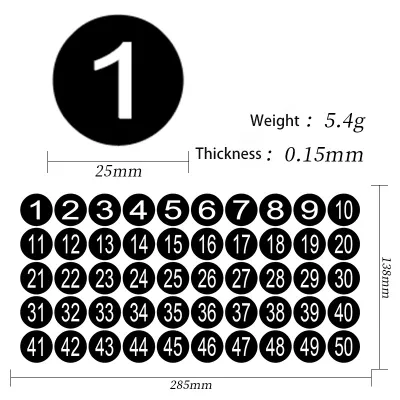
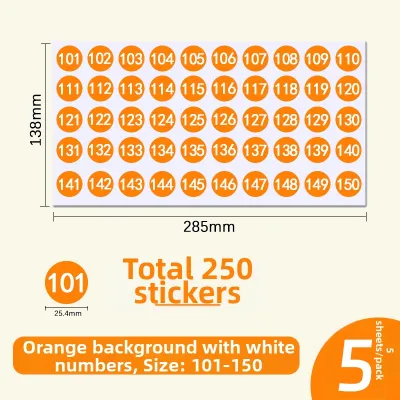
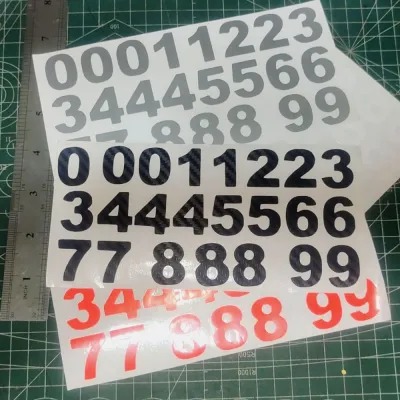
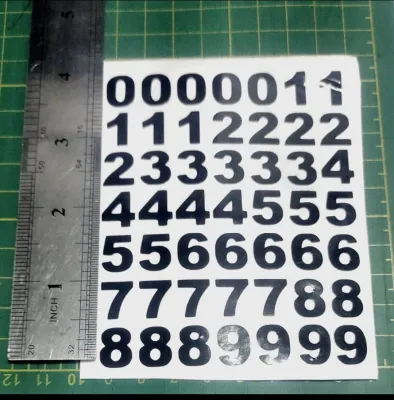
Prices are valid at publication and may change. Please refer to the product page for the latest price.
The physical layout of the sticker sheet also plays a critical role in how easily a child can use them. If stickers are packed too tightly on a backing sheet, small fingers will struggle to isolate a single number, often leading to torn paper and frustration. Look for sheets with generous spacing between individual stickers, particularly those where the waste matrix (the excess material around the cut shapes) has been removed. The physical size of the sticker should match the child’s current grip capacity; larger stickers are easier for tiny hands to grasp, while smaller ones challenge older children to refine their pincer grasp.
Adhesive strength is another essential factor that dictates how and where the stickers can be used. Adhesives generally fall into three categories: repositionable, static-cling, and permanent. Repositionable stickers use low-tack adhesives that allow children to correct mistakes, rearrange sequences, or move numbers around during interactive math games without tearing the paper. Static-cling options require no adhesive at all, relying on cohesive forces to stick to smooth surfaces like windows or whiteboards, making them excellent for temporary classroom lessons. Permanent stickers are best reserved for finished craft projects, scrapbooks, or customized learning charts where long-term durability is required.
Matching Sticker Types to Age Groups and Skill Levels
For toddlers and early preschoolers, the primary goal of sticker play is sensory exploration and basic hand-eye coordination. Children in this developmental stage benefit most from large, chunky designs that are easy to manipulate. Puffy stickers or those made from thick foam provide tactile feedback that helps children understand the physical boundaries of the shape. Look for sheets with easy-peel edges or extended backing paper, which allow toddlers to work independently without needing constant adult intervention to start the peel.

Preschoolers and kindergarteners are transitioning to formal number recognition and basic counting. Standard flat stickers work well for this age group, especially those that pair the numeral with a visual representation of its value. For example, a sticker showing the number “5” alongside five small dots or five tiny illustrations helps reinforce the concept of quantity. This visual scaffolding bridges the gap between symbolic numbers and concrete amounts, making counting exercises intuitive and self-correcting.
As children enter early elementary school and begin basic arithmetic, their sticker needs shift toward versatility and complexity. Smaller stickers are ideal for creating custom number lines, filling out math grids, or labeling science diagrams. Look for comprehensive sets that include not just numbers 0 through 9, but also basic mathematical symbols like plus, minus, multiply, divide, and equals signs. This allows students to construct physical equations on paper, turning abstract math homework into an interactive, hands-on activity.
Material and Durability Considerations for Crafts
Paper stickers are highly cost-effective and widely available, making them perfect for high-volume classroom activities, daily practice sheets, or single-use worksheets. However, they tear easily and are highly susceptible to moisture and humidity. In warm, humid climates, standard paper stickers can curl at the edges or absorb moisture from the air, which weakens their adhesive over time. If your projects need to last, or if they will be handled frequently, paper may not be the most durable option.
Vinyl or plastic stickers, such as those made from PET or PVC, offer superior tear resistance and can easily withstand spills, damp fingers, and humid weather. If the stickers will be used to label personal items like water bottles, lunchboxes, or outdoor craft projects, vinyl is the most reliable choice. These materials maintain their color and structural integrity even when exposed to light moisture, ensuring that the educational tools remain legible and intact over weeks of use.
Sensory options like puffy, felt, foam, or glitter stickers add an exciting tactile dimension to crafting and learning. Tactile engagement keeps young learners focused and can be particularly beneficial for kinesthetic learners. However, safety must remain a priority when dealing with textured materials. Very young children who still explore objects with their mouths should not be left unsupervised with small, thick, or textured stickers, as these can pose a choking hazard if peeled off and swallowed. Always check the manufacturer’s age recommendations and ensure that glitter or small parts do not shed easily during play.
Building Your Shortlist: What to Check Before Buying
Before purchasing number stickers from an online marketplace or a local stationery store, take a moment to verify the safety certifications on the packaging. Look for clear labels indicating that the product is non-toxic, acid-free, and safe for children. Certifications such as EN71 or ASTM D-4236 show that the materials and adhesives have undergone safety evaluations. Since children often have prolonged skin contact with stickers, ensuring the adhesive is free from harmful solvents or allergens is vital for a safe crafting environment.
The quality of the die-cutting is another practical detail to check. A poorly cut sticker sheet is a major source of frustration for both children and adults. If you are shopping in a physical store, inspect the sheet to ensure the cuts are clean and fully defined. The stickers should separate easily from the backing without tearing the surrounding paper. If you are buying online, look closely at product photos or customer videos that demonstrate the peeling process to confirm that the shapes release smoothly.
User reviews on ecommerce platforms can provide valuable insights into how the stickers perform in real-world conditions. Search the reviews specifically for feedback regarding adhesive failure, tearing, or sticky residue. In tropical regions, pay close attention to comments about how the stickers hold up in warm, humid weather. If multiple users report that the adhesive degrades quickly or leaves a stubborn, gooey residue on surfaces, it may be wise to look for a different brand or material type.
Finally, calculate the cost per sticker to ensure you are getting genuine value. Do not rely solely on the overall price of the package, as pack sizes vary significantly. Divide the total price in ₱ by the number of individual stickers included in the set. A larger pack that costs ₱150 and contains 500 stickers offers a much lower cost per unit than a ₱50 pack containing only 50 stickers. This simple calculation helps you compare different options objectively and choose the most economical set for your home or classroom.
Frequently Asked Questions (FAQ)
Are reusable number stickers worth the investment?
Reusable options, such as static-cling or heavy-duty vinyl stickers, generally carry a higher upfront cost in ₱ compared to standard paper sheets, but their extended lifespan often justifies the investment. Static-cling stickers are particularly valuable for temporary educational setups, as they adhere easily to windows, mirrors, and whiteboards without any sticky adhesive, allowing children to practice math sequences daily without creating waste. To maximize their lifespan, keep the original backing sheet for storage, wash the stickers gently with clean water if they lose their cling due to dust, and store them flat in a cool, dry place away from direct tropical sunlight.
How can I safely remove sticker residue from craft surfaces?
When permanent stickers are peeled off tables, books, or plastic toys, they often leave behind a sticky residue that attracts dust. To clean this safely, start with the gentlest, most reversible method: press a damp, warm microfiber cloth against the residue for a few minutes to soften the adhesive, then gently wipe it away. For stubborn spots on non-porous surfaces, a drop of mild soapy water or a tiny amount of cooking oil can help break down the stickiness, followed by a clean wipe. Always check the care instructions of the underlying surface material before applying any cleaning agents, and if the surface is delicate, painted, or easily damaged, stop and consult the manufacturer to prevent permanent damage.
Community discussion
Share your experience or ask a question. Comments are reviewed before publication.