
To keep long bond paper pristine without folding, bending, or fraying its edges, you must use organizers designed for Folio or F4 dimensions, featuring internal clearance of at least 9 by 13.5 inches. In Philippine offices and schools, “long bond paper” refers to a unique 8.5 by 13-inch format. Standardizing your storage around this specific size prevents the inevitable dog-ears and tears that occur when forcing these sheets into standard A4 or Letter-sized folders. Selecting the right organizer requires matching your daily workflow—whether active handling, bulk archiving, or presentation—with a format that provides rigid structural support along the entire 13-inch length.
Understanding Long Bond Paper Dimensions and Clearance Needs
Finding the right storage solution starts with understanding the exact dimensions of the paper used in your daily tasks. In the Philippines, “long bond paper” almost universally refers to sheets measuring 8.5 inches wide by 13 inches long (216 mm x 330 mm). This size is distinct from international standards and is closely aligned with the transitional Folio or F4 paper sizes rather than the standard US Legal format.
Many buyers mistakenly purchase US Legal organizers, assuming they are identical to local long bond paper. However, US Legal paper measures 8.5 by 14 inches (216 mm x 356 mm). While a US Legal organizer will easily accommodate the width of long bond paper, the extra inch of length creates a loose fit inside the folder. This excess space allows the sheets to slide around during transport, leading to crumpled corners and misaligned stacks.
Products mentioned in this guide
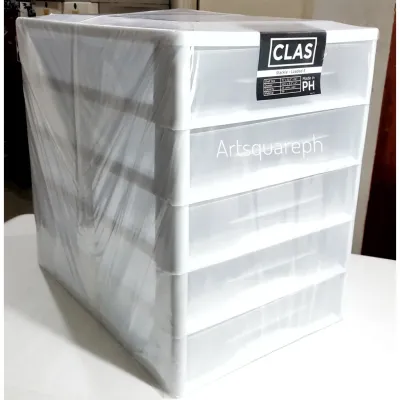
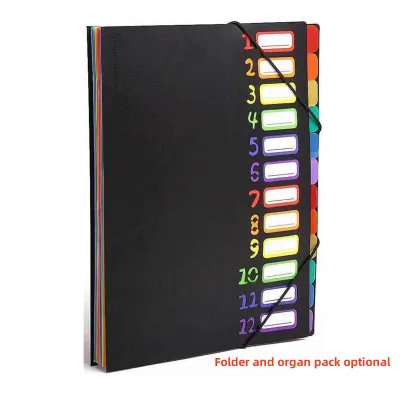
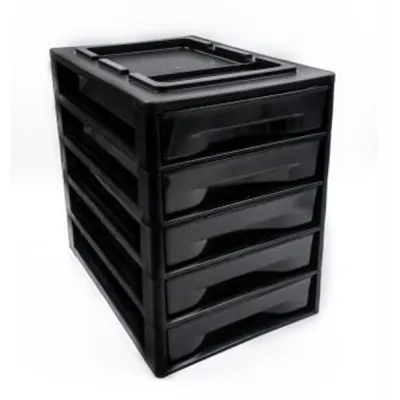
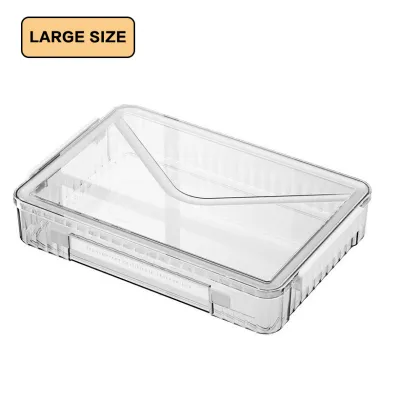
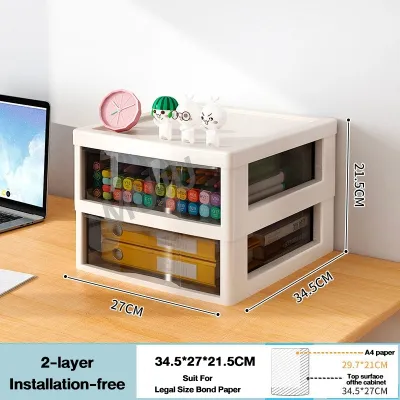
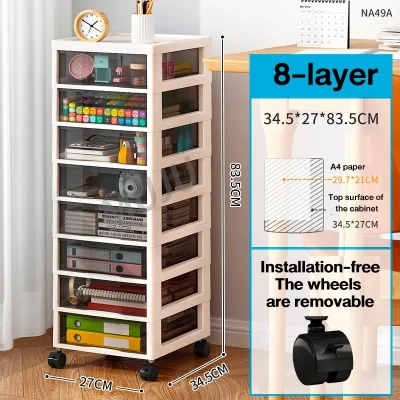
Prices are valid at publication and may change. Please refer to the product page for the latest price.
Conversely, standardizing on A4 (8.27 x 11.69 inches) or US Letter (8.5 x 11 inches) organizers is a recipe for damaged documents. When long bond paper is placed in these smaller folders, approximately 1.3 to 2 inches of the paper projects past the protective cover. This exposed edge is highly vulnerable to catching on bags, desks, and other office supplies, resulting in unsightly creases and tears.
To guarantee complete edge protection, an organizer must offer a safe clearance margin. The ideal internal dimensions for a long bond paper organizer should be at least 9 inches wide by 13.5 inches long. This extra half-inch of clearance on all sides ensures that you can insert and retrieve documents smoothly without friction. It also prevents the edges of the paper from scraping against the seams, zippers, or fasteners of the organizer.
Evaluating Organizer Formats for Edge Protection
Protecting your documents from physical wear requires analyzing how different storage formats handle weight, access, and movement. The ideal organizer must support the entire 13-inch length of the paper while accommodating your specific volume and retrieval needs.

Expandable Files and Document Boxes
Expandable files and document boxes are excellent for high-capacity storage, but their design details dictate how well they preserve paper edges. Top-loading expandable files allow you to drop documents in vertically, which is highly efficient for active filing. However, if the file is not fully packed, sheets can sag under their own weight, especially in high-humidity environments where paper absorbs moisture and loses rigidity. Side-loading document boxes, on the other hand, keep the paper flat, distributing the weight evenly and eliminating gravitational stress on the bottom edges.
When choosing an expandable file, pay close attention to the internal dividers and gussets. Cheaply constructed dividers often have sharp, unreinforced plastic or paper edges that can snag the corners of your long bond paper during insertion. Look for files with reinforced, rounded divider tabs and flexible fabric gussets that expand smoothly without pinching the sides of your document stacks.
Structural rigidity is the final critical factor for bulk storage. A flimsy plastic or cardboard box will bow outward when filled, causing the base to sag. This sagging forces the bottom edges of your long bond paper to curve and buckle under the weight of the stack. Opt for heavy-duty polypropylene or thick, laminated chipboard boxes that maintain their flat, rectangular shape even when loaded to maximum capacity.
Clear Books and Sheet Protectors
For presentations, portfolios, or documents that require frequent handling, clear books with integrated plastic sleeves offer excellent individual page protection. However, standard clear books are almost exclusively manufactured for A4 or Letter sizes. To protect long bond paper, you must source specialized Folio-sized clear books.
Before committing to a clear book, verify the sleeve depth and the quality of the welding seams. The plastic sleeves must measure at least 13.2 inches in height internally. If the welding seam at the bottom of the sleeve is too thick or placed too high, the top of your 13-inch paper will protrude from the opening, leaving it exposed to dust and friction. The paper must sit entirely below the top opening of the sleeve.
The insertion style also affects edge safety. Top-loading sleeves are standard, but they require you to slide the paper down a long, narrow pocket. If the plastic is highly static or tight, the paper can bunch up and crease. Side-loading sleeves or those with a slight top flap offer easier insertion, reducing the risk of folding the corners. Additionally, ensure the binder spine is wide enough; a narrow spine will pinch the outer edges of the sleeves when the book is closed, causing the paper inside to bow.
Binders and Filing Cabinets
For long-term archiving and active desk organization, ring binders and filing cabinets provide robust, structured systems. However, adapting these systems for 13-inch paper requires careful alignment of hardware and accessories.
If you choose to use ring binders, hole-punch compatibility is your primary concern. Standard two-ring or three-ring configurations designed for Letter or A4 paper will not align correctly with the length of long bond paper, leading to uneven weight distribution and tearing around the punched holes. You must use adjustable hole punches set specifically for Folio spacing, or utilize heavy-duty, multi-ring binders that support the paper at multiple points along its 13-inch margin to prevent sagging.
Filing cabinet drawers must also be evaluated for depth and suspension frame width. Standard lateral or vertical filing cabinets are often built to accommodate US Legal or Letter suspension folders. If you hang Folio-sized folders in a frame adjusted for Letter size, the folders will bunch up, and the drawer slide mechanism will crush the edges of your long bond paper. Ensure the cabinet’s suspension rails are adjustable and set precisely to the width of Folio hanging folders.
For lever arch files, the internal metal clip mechanism must be positioned so that it does not overlap or press down directly on the top or side margins of your documents. A misaligned arch clip can leave deep, permanent indentations or sharp creases on your papers. Look for binders where the clamping bar sits completely clear of the usable 8.5 x 13-inch paper area.
Key Features to Check Before Buying
To avoid the disappointment of buying an organizer that claims to fit “all paper sizes” but fails to protect your documents, you should use a practical verification checklist before making a purchase.
First, always look for internal dimension specifications rather than relying on external product measurements. Manufacturers often list the outer dimensions of a folder or box, which include the thickness of the plastic, zippers, handles, or decorative borders. An organizer with an external length of 13.5 inches might only have an internal usable length of 12.8 inches due to thick seams or zipper tracks, which will inevitably bend the edges of your long bond paper.
Second, look for explicit compatibility labels. In the Philippine market, look for terms like “Folio,” “F4,” or simply “Long” on the packaging. Avoid products labeled generically as “Legal” unless you have verified that the internal dimensions are adjustable or specifically accommodate the shorter 13-inch length without allowing excessive shifting. If a product only lists “A4” or “Letter,” it will not fit your long bond paper.
Third, evaluate the closure mechanism of the organizer. Snap buttons, zippers, elastic bands, and plastic buckles are common, but they can pose a threat to paper edges if the organizer is overpacked. For example, elastic band closures that wrap around the corners of a folder can pull the plastic covers inward, pinching and bending the corners of the paper inside. Choose organizers with rigid protective flaps, secure slide locks, or perimeter zippers that run along a raised track, ensuring the closure never makes direct contact with the paper edges.
Common Sizing Mistakes to Avoid
Many document storage issues stem from common purchasing oversights that are easily avoidable with a bit of foresight.
One of the most frequent mistakes is confusing external product dimensions with internal usable space. This is especially common when shopping on online marketplaces, where product descriptions can be vague or misleading. A folder might be advertised as “13 inches long,” but this often refers to the outer plastic shell. Once you attempt to slide your long bond paper inside, you will find that the internal space is too tight, forcing the paper to curve or the corners to fold back.
Another mistake is assuming that A4 or standard Letter folders will work “just fine” with a little overhang. While it might seem like a minor inconvenience to have an inch of paper sticking out, this exposed section quickly degrades. In a busy office or school environment, exposed edges are easily caught in drawer runners, bent by backpack zippers, or stained by accidental spills. Over time, this compromises the professional appearance of your documents.
Finally, buyers often ignore the impact of paper stack thickness. A folder might easily hold a single sheet of long bond paper, but as you add more pages, the stack thickens. This thickness pulls the sides of the folder inward, reducing the effective internal width and height. In expandable files, a thick stack can force the paper to bow or buckle against the bottom and sides of the compartment. Always choose an organizer with an expandable base or a spine width that matches your expected document volume.
Frequently Asked Questions (FAQ)
Can I use US Legal size organizers for long bond paper?
Yes, you can use US Legal size organizers, but they are not the ideal solution. Because US Legal paper is 14 inches long, a Legal organizer will leave an extra inch of empty space at the top or bottom of your 13-inch long bond paper. This gap allows the sheets to slide around when the organizer is carried or stored vertically. Over time, this shifting can cause the paper edges to hit the sides of the folder, leading to bent corners and misaligned stacks. If you must use a Legal organizer, consider using a paper stopper or keeping the folder stored horizontally to minimize movement.
How do I store long bond paper if I only have A4 folders?
If you only have A4 folders available, do not attempt to force or fold the long bond paper to make it fit, as this will permanently damage the documents. Instead, use rigid A4 clipboards or flat document trays as temporary horizontal storage. Keeping the papers flat on a desk or shelf prevents them from sagging or creasing. Alternatively, you can store the papers temporarily in a clean, flat drawer until you can acquire proper Folio-sized organizers. Avoid carrying long bond paper in A4 folders inside a bag, as the exposed edges will quickly tear.
Community discussion
Share your experience or ask a question. Comments are reviewed before publication.