
Choosing the right outline pen set depends on matching the nib’s physical feedback and ink chemistry to your paper type and drawing speed. Beginners benefit from rigid, forgiving tips that maintain consistent line widths under uneven hand pressure, while advanced artists require variable line weights and highly pigmented, archival inks that withstand layering. In humid tropical climates like the Philippines, ink drying times and paper moisture absorption play a critical role in how lines settle. Finding the ideal set is not about chasing the most expensive professional brand, but rather verifying how a pen’s specifications align with your specific creative workflow.
Assess Your Current Skill Level and Line Work Needs
Developing a consistent drawing style requires tools that match your physical control and muscle memory. For beginners, the primary challenge is maintaining steady pressure. Standard student-grade fineliners with rigid plastic nibs or metal-clad felt tips are highly recommended for this stage. These tips resist bending even when you apply too much downward force, allowing you to focus entirely on line direction and hand-eye coordination. A comfortable, slightly textured barrel grip also helps prevent your fingers from slipping as you practice basic strokes.
As your control improves, you will naturally transition to intermediate and advanced techniques that demand more expressive line work. Intermediate artists often experiment with variable line widths to add depth and shadow to their drawings. This is where flexible brush tips and ultra-fine micro-tips become essential. Brush pens require a delicate touch, as slight changes in hand pressure translate directly into thick or thin lines. Meanwhile, advanced artists working on highly detailed illustrations rely on micro-tips as fine as 0.03mm or 0.05mm for intricate cross-hatching, which requires a steady hand to avoid bending the fragile metal sleeves.
Products mentioned in this guide
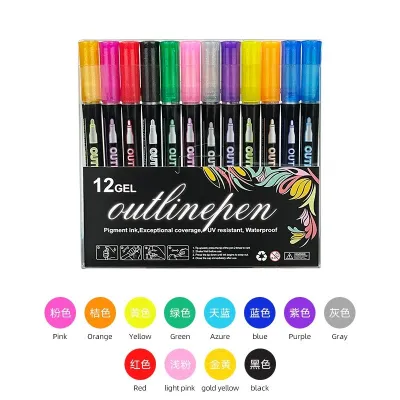
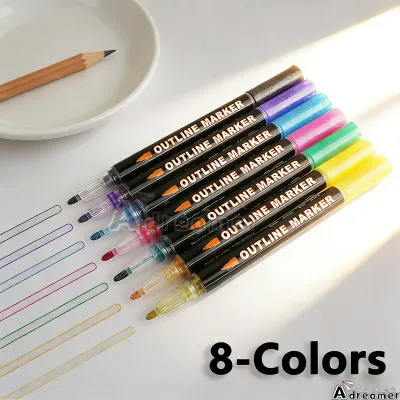
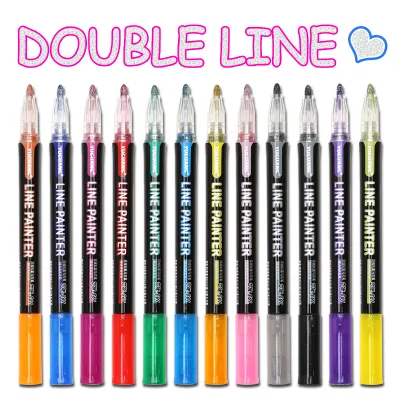
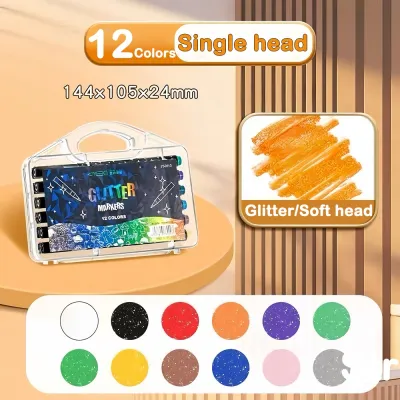
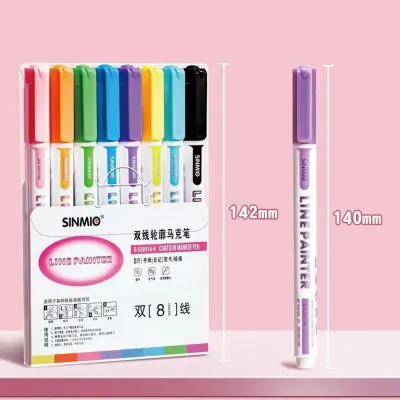
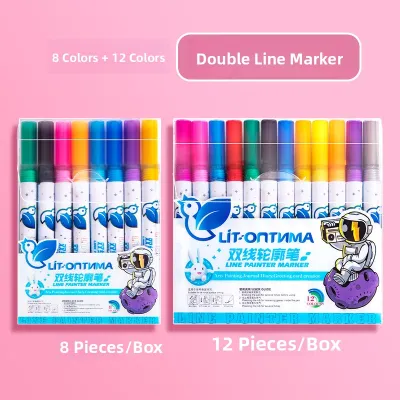
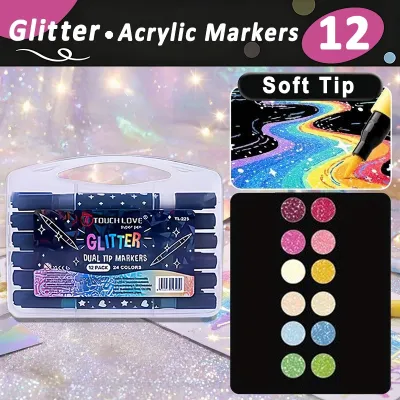
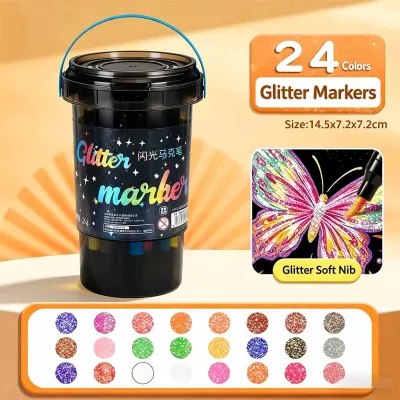
Prices are valid at publication and may change. Please refer to the product page for the latest price.
Recognizing when to upgrade from basic student sets to professional tools is crucial for preserving your artwork. If your current lines bleed when you apply watercolor washes, or if the black ink fades to a dull gray over time, your tools are limiting your progress. Professional-grade outline sets feature archival-quality, lightfast pigment inks that remain dark and crisp for decades. Upgrading to these tools ensures that your finished illustrations maintain their visual integrity, whether they are stored in a portfolio or displayed under gallery lighting.
Match Pen Specifications to Your Art Style
Every artistic style demands a specific combination of nib flexibility and ink performance. Fineliners, brush pens, and bullet tips each serve distinct creative purposes. Fineliners feature a long, metal-jacketed plastic tip that works exceptionally well with rulers and templates, making them the standard choice for technical drawings, architectural sketches, and clean comic panels. Brush pens offer a dynamic, expressive line that mimics traditional calligraphy brushes, making them ideal for organic shapes, character hair, and bold manga outlines. Bullet tips provide a sturdy, rounded point that maintains a uniform medium-to-thick line, which is highly useful for bold graphic designs, journaling, and quick layout sketches.

Ink properties are just as critical as nib shapes, especially when layering different mediums. Water-based dye inks are vibrant and dry quickly, but they will bleed or dissolve if they come into contact with water, making them unsuitable for mixed-media work. Pigment-based inks contain microscopic solid particles that bind to the paper fibers, offering excellent water resistance and lightfastness once fully dry. Alcohol-based inks flow smoothly and blend beautifully, but they are highly prone to bleeding through thin or low-gsm paper, requiring heavy cardstock or specialized marker paper to prevent ruining the pages underneath.
Selecting the right variety of line weights prevents you from buying redundant tools. A standard starter set typically includes a range of sizes such as 0.1mm, 0.3mm, 0.5mm, and 0.8mm. If your style focuses on highly detailed, small-scale illustrations, you will need a set concentrated on ultra-fine tips. For bold graphic art, lettering, or large-scale sketches, a set featuring medium bullet tips and brush pens will be far more practical than a collection of delicate fineliners. Assess your typical canvas size and level of detail to determine the exact millimeter range you need.
Evaluate Set Configurations and Practical Features
While a massive multi-color outline set looks appealing on a shelf, most line artists primarily rely on black, cool gray, and warm sepia. In humid environments, buying a large set of colors you rarely use increases the risk of the ink drying out or the nibs clogging before you can finish them. A smaller, focused set of high-quality black pens in varying line weights is often a more cost-effective and practical investment. This approach allows you to allocate your budget toward superior ink quality rather than a wide variety of unused shades.
The physical design of the pen barrel directly impacts your drawing endurance and comfort. Thicker, triangular, or rubber-coated barrels prevent the pen from slipping in sweaty hands, which is a common issue during warm afternoons in the Philippines. Lightweight plastic barrels reduce wrist fatigue during long sketching sessions, whereas weighted metal barrels offer a more grounded, deliberate feel for slow, precise lines. Testing different barrel shapes in your hand can help you identify which design minimizes tension in your fingers and wrist.
Long-term maintenance and longevity should also influence your purchasing decision. Disposable pens are convenient but generate plastic waste and require buying a whole new set if your favorite size runs out. Some manufacturers offer individual pen replacements, refillable ink cartridges, or replaceable nibs to extend the life of your favorite tools. While refillable systems are more expensive upfront, they save money over time and ensure you always have your preferred line weight ready without needing to purchase an entire new set.
Build Your Shortlist and Verify Before Buying
Before making a final purchase, it is essential to look past generic marketing terms like “super smooth” or “professional grade” on the packaging. Instead, read the technical specifications on the label to verify the exact nib sizes and ink base. Look for explicit terms such as “pigment ink,” “acid-free,” and “waterproof after drying.” This verification ensures that the pens will perform as expected when paired with your existing art supplies, preventing frustrating chemical reactions or smudging.
Because paper textures and absorption rates vary wildly, always test your shortlisted pens on the exact paper stock you plan to use. High-humidity conditions can cause paper to absorb ambient moisture, which increases the likelihood of ink feathering or bleeding through the page. Draw a few test lines, wait a few seconds, and run a wet brush or alcohol marker over them to observe the actual drying time and water resistance. This hands-on trial is the only reliable way to verify how the ink and paper combination will behave during your creative process.
When you are ready to buy, compare prices in Philippine Pesos (₱) across local art supply stores and reputable online marketplaces. If you choose to order online, check customer reviews specifically for shipping quality to ensure the pens are packaged securely. Extreme heat during transit can cause the air inside the pen barrels to expand, leading to ink leaks or dried-out nibs upon arrival. Choosing a seller that uses protective, airtight wrapping helps guarantee your new outline pen set arrives in perfect working condition.
Frequently Asked Questions (FAQ)
How do I prevent my outline pens from drying out?
To maximize the lifespan of your outline pens, always store them horizontally. This position keeps the ink evenly distributed throughout the barrel, preventing the nib from drying out or becoming oversaturated. Always listen for a distinct click when capping your pens to ensure an airtight seal. Avoid leaving pens uncapped even during short drawing breaks, as fine plastic and felt nibs can dry out within minutes of exposure to air.
Can I use outline pens over wet watercolor or marker ink?
No, you should never use fine outline pens on wet or damp paper. The moisture softens the paper fibers, making them highly susceptible to tearing under the pressure of a sharp metal or plastic nib. Additionally, drawing on a wet surface allows water to seep into the nib, diluting the ink and potentially clogging the capillary system of the pen. Always wait until your watercolor or marker base is completely dry to the touch before applying your final outlines.
Community discussion
Share your experience or ask a question. Comments are reviewed before publication.