
Choosing the right paint pen depends entirely on matching the ink formulation to the porosity of your target surface and selecting a tip size that suits your detail level. In the warm, humid climate of the Philippines, factors like drying time, ink adhesion, and moisture resistance become even more critical to the success of your project. By understanding how different inks interact with non-porous glass, flexible fabrics, and absorbent wood, you can ensure your designs remain vibrant and durable without smudging, cracking, or peeling.
Understand Paint Pen Ink Formulations
When searching for the ideal pen paint tool, understanding the chemical makeup of the ink is your first step. Paint pens generally fall into three categories: water-based, acrylic, and oil-based. Each formulation behaves differently depending on the surface material and environmental conditions.
Water-based paint pens are highly popular for paper, cardstock, and light crafting. They are virtually odorless, dry quickly, and rarely bleed through heavy paper. However, because they are water-soluble before drying, they offer limited water resistance unless sealed with a protective topcoat. They are excellent for indoor projects and temporary window displays that you plan to wipe away later.
Products mentioned in this guide
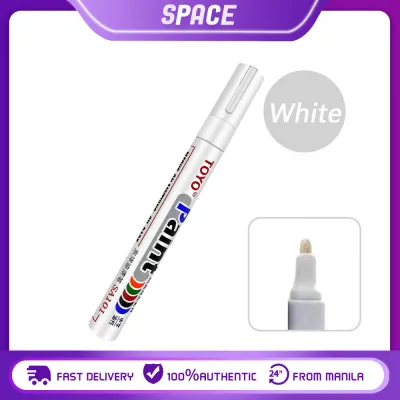
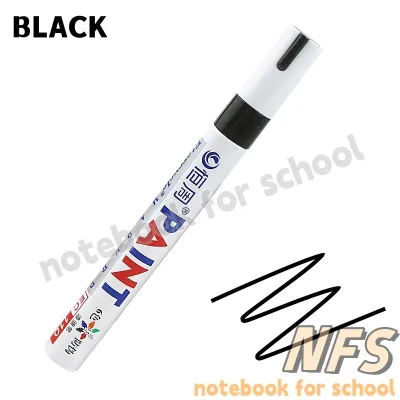
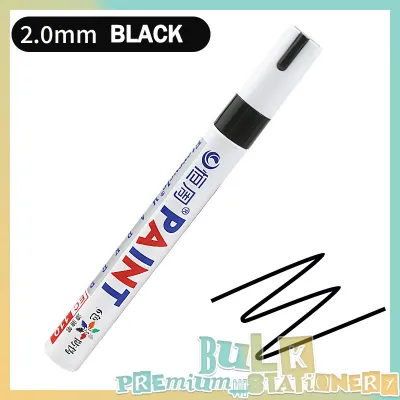
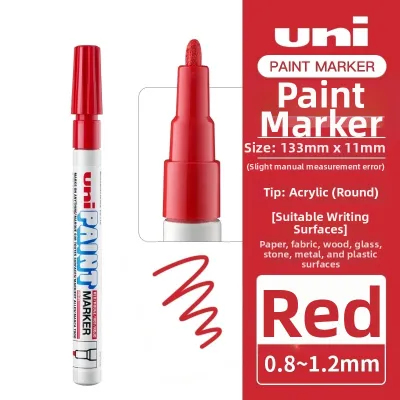
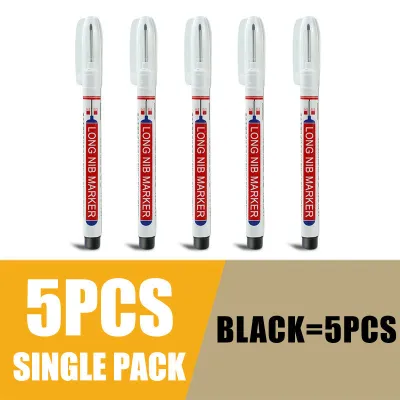
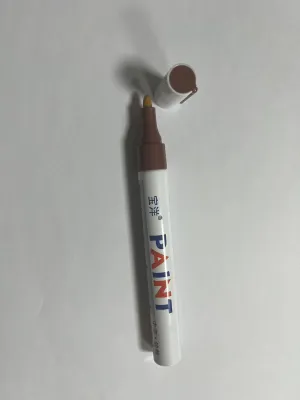
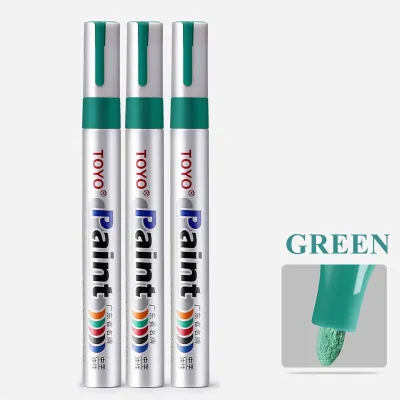
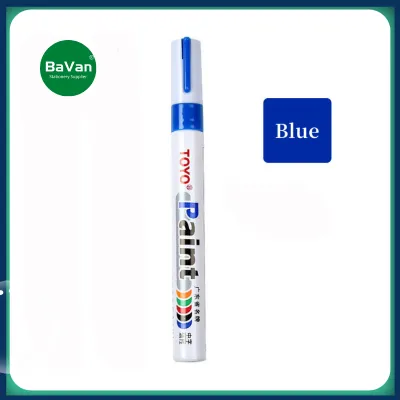
Prices are valid at publication and may change. Please refer to the product page for the latest price.
Acrylic paint pens utilize an acrylic polymer binder that becomes water-resistant once fully cured. They offer excellent opacity, vibrant colors, and work beautifully on a wide variety of semi-porous and porous surfaces. Acrylic ink is highly versatile, making it the go-to choice for rock painting, canvas art, and treated wood projects.
Oil-based paint pens are the most durable option, creating a permanent, glossy, or matte finish that resists water, fading, and abrasion. The solvent-based carrier allows the pigment to bind tightly to smooth, non-porous surfaces. You should prefer oil-based inks over water-based options for outdoor items, metal fixtures, and glazed ceramics that will undergo frequent handling or exposure to tropical rain and humidity.
Before purchasing, always check the manufacturer’s label for surface compatibility and safety warnings. Solvent-based or oil-based pens often require use in well-ventilated areas due to strong fumes. Additionally, look for non-toxic certifications if you plan to use the pens for children’s crafts or indoor activities.
Match the Tip Size and Shape to Your Project
The nib of your paint pen determines both the precision of your lines and the speed at which you can fill in large areas. Nibs are typically made of felt, plastic, or polyester, and they come in several distinct shapes and sizes.

Fine and extra-fine tips (ranging from 0.7mm to 1mm) are ideal for detailed illustrations, outlining, and writing clear text. Medium tips (around 2mm to 3mm) serve as the most versatile option, allowing you to draw clean lines and color in medium-sized shapes. Broad chisel and block tips (4mm to 8mm or wider) are designed for bold signage, calligraphy, and covering large surface areas quickly.
Surface texture plays a significant role in how your pen tip wears down over time. Rough, abrasive surfaces like raw concrete, unpolished stone, or coarse wood grain will quickly shred delicate felt nibs and clog the ink flow. For highly textured materials, look for pens with durable synthetic nibs that resist fraying.
To extend the lifespan of your writing instruments, check if the pen features a reversible or replaceable nib. Many high-quality paint markers allow you to pull the nib out, flip it around to reveal a fresh tip, or replace it entirely once it becomes worn or dried out. This feature saves money and reduces waste over long-term use.
Select the Right Paint Pen for Specific Surfaces
Matching the porosity of your material is the golden rule of paint pen selection. Porous surfaces absorb liquids rapidly, while non-porous surfaces require the ink to cling to the top layer without soaking in.
Glass, Metal, and Smooth Non-Porous Surfaces
Slick, non-absorbent materials like glass, glazed ceramics, and polished metals offer no natural grip for standard water-based inks. To achieve a lasting design, you must use oil-based or specialized multi-surface acrylic inks that cure into a hard, cohesive film on top of the material.
Proper surface preparation is absolutely essential for these materials. Before you begin painting, clean the surface thoroughly with rubbing alcohol or a dedicated degreaser to remove fingerprints, dust, and manufacturing oils. Any residue left on the surface will prevent the paint from adhering correctly, leading to premature peeling.
If you are decorating items that will be washed, such as mugs or glassware, check the pen packaging for dishwasher-safe or heat-cure instructions. Many specialized acrylic pens require baking the finished item in a home oven to fully cure the paint, though hand-washing is still recommended to preserve the design over time.
Fabric and Textiles
Fabrics present a unique challenge because they bend, stretch, and fold during use and washing. Standard acrylic or oil-based inks will dry into a stiff, brittle layer that cracks and flakes off when the fabric moves. For wearable art, you must select flexible, fabric-specific ink formulations.
Most fabric paint pens require heat-setting to lock the pigments into the textile fibers. This is typically done by letting the paint dry completely for 24 hours, then pressing the reverse side of the fabric with a dry iron or placing the item in a clothes dryer on medium heat. Always verify the specific curing steps on the manufacturer’s label.
Fabric weave and base color also affect your results. Loose weaves like canvas or denim absorb more ink and may cause fine lines to bleed slightly, while tight weaves offer cleaner lines. If you are working on dark fabrics, ensure the pen label explicitly states it is highly opaque, as transparent inks will disappear into dark backgrounds.
Wood, Canvas, and Porous Materials
Porous materials like raw wood, terracotta, and cotton canvas are highly receptive to paint pens. Water-based and standard acrylic inks work beautifully on these surfaces because the fibers absorb the liquid, creating a strong mechanical bond that holds the pigment in place.
However, raw, untreated wood can act like a sponge, drawing the ink along the wood grain and causing your lines to feather or bleed. To prevent this, apply a thin coat of clear gesso, acrylic primer, or wood sealer before painting. This seals the pores, ensuring your lines remain sharp and your colors stay vibrant.
When working on large, textured surfaces like wooden signs or stretched canvas, select broader tips to cover the area efficiently. Fine tips can get caught in the wood grain or canvas weave, causing the nib to splatter ink across your work.
Evaluate Finish, Opacity, and Durability Needs
Beyond surface compatibility, you must consider the visual effect and longevity of your finished project. Paint pens are available in matte, gloss, and metallic finishes, each offering a distinct aesthetic. Matte finishes provide a modern, chalk-like appearance, while gloss finishes mimic traditional oil paint, and metallics add a reflective shimmer that stands out beautifully on dark surfaces.
Opacity levels determine how well the paint covers the underlying surface color. High-quality paint pens use dense, suspended pigments rather than liquid dyes, allowing them to cover dark backgrounds with ease. Always test your pen on a scrap piece of the same material to evaluate the opacity and see if you will need to apply a second coat once the first layer dries.
For items that will be exposed to the elements, high humidity, or frequent handling, evaluate the need for a clear protective sealant. Even durable oil-based inks can benefit from a spray-on or brush-on clear acrylic topcoat. A sealant protects your artwork from UV fading, moisture, and physical wear, ensuring your hard work lasts for years.
Preparation and Application Best Practices
Achieving professional results with paint pens requires proper technique from preparation to storage. Start by ensuring your workspace is clean, dry, and free of dust. Sand rough wood lightly to smooth out the grain, wash fabrics without fabric softener to remove sizing agents, and degrease smooth surfaces completely.
Most paint pens utilize a valve-action mechanism to control ink flow. To prime a new pen, shake it vigorously with the cap securely on to mix the pigment and solvent. Next, press the tip vertically down onto a scrap piece of paper several times until you see the ink begin to saturate the nib. Avoid pressing too hard or pumping the pen repeatedly, as this can flood the tip and cause messy drips on your project.
Proper storage is critical to prevent your pens from drying out or separating. Store your paint pens horizontally in a cool, dry place away from direct sunlight. In tropical climates, keeping them away from extreme heat prevents the ink inside the barrel from drying out prematurely or building up excess pressure, which can lead to splattering when you open the cap.
Frequently Asked Questions (FAQ)
Can I use the same paint pen on both glass and fabric?
Generally, no. Glass requires a hard-curing, non-porous ink formulation that bonds to slick surfaces, while fabric requires a highly flexible ink that can bend and stretch without cracking. Using a glass-formulated pen on fabric will result in the paint peeling and cracking during wear or washing, while a fabric pen will slide off or wash off glass easily. Always check the manufacturer’s label for explicit multi-surface compatibility claims before attempting to use one pen for both materials.
How do I fix a paint pen tip that has dried out?
For water-based or acrylic paint pens, you can often revive a dried tip by removing the nib and soaking it in warm water for a few minutes to dissolve the hardened paint. For oil-based pens, dip the tip in a small amount of rubbing alcohol or mineral spirits to soften the dried solvent. Once clean, blot the nib dry with a paper towel, re-insert it into the pen, and gently prime it on scrap paper. If the nib is frayed or completely clogged with cured paint, replace the nib if the manufacturer offers replacements, or replace the pen entirely to avoid damaging your project.
Community discussion
Share your experience or ask a question. Comments are reviewed before publication.