
Selecting the right painting set for your child is more than just picking the largest box with the most colors. It requires matching the physical design of the tools and the chemical properties of the paint to your child’s physical development, attention span, and school requirements. By aligning these factors, you can foster a genuine love for art while keeping cleanup manageable and avoiding wasted money on unused supplies.
An age-appropriate art kit encourages independent play and builds confidence. When a child struggles with a brush that is too thin or paint that dries too quickly, they can become frustrated and lose interest in creative expression. This guide will help you navigate the options available in local stationery stores and online marketplaces, ensuring you choose a set that matches your child’s developmental stage.
Understanding Your Child's Developmental Stage and Art Skills
Before purchasing any art supplies, observe how your child interacts with everyday objects. A child’s physical grip and hand-eye coordination dictate what kind of paint applicator they can use comfortably. Younger children naturally use a palmar grasp, holding objects with their entire fist, which makes thin, delicate brushes difficult to control. As they grow, they transition to a transitional tripod grasp, eventually developing the fine motor skills required for standard adult-sized brushes.
Products mentioned in this guide
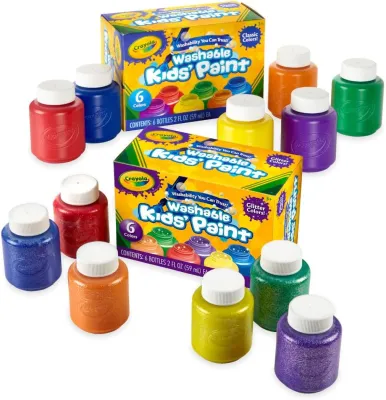
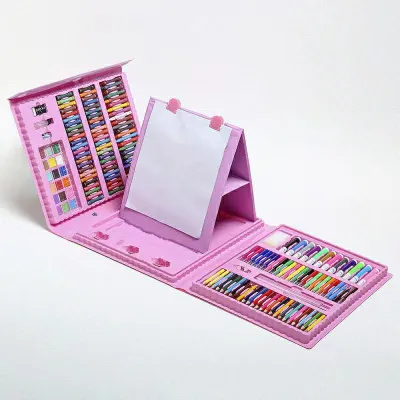
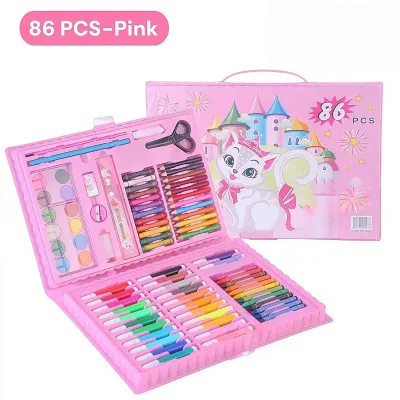
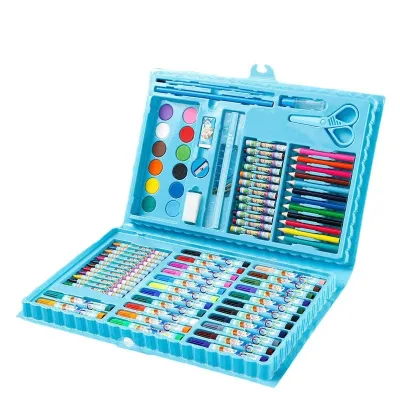
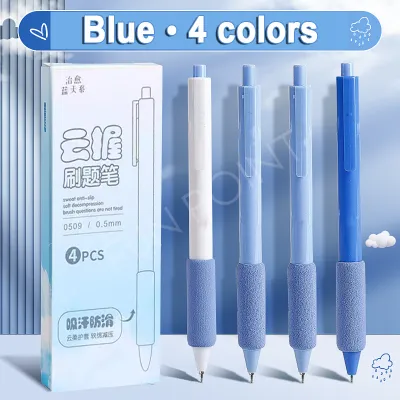
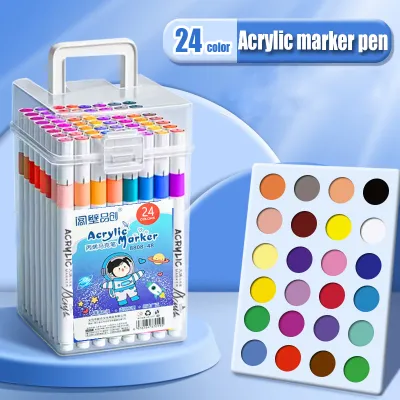
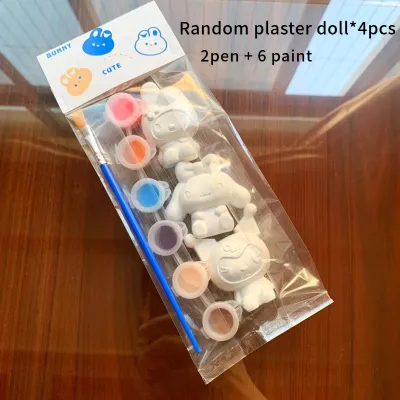
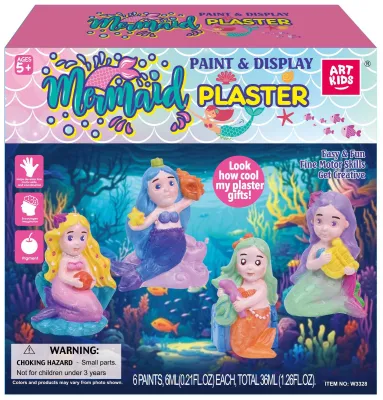
Prices are valid at publication and may change. Please refer to the product page for the latest price.
Matching the paint format to your child’s attention span is equally important. Toddlers and preschoolers thrive on immediate sensory feedback and typically enjoy single-step painting activities where they can apply color directly to a surface. They are not yet focused on creating realistic representations, so the process of mixing and spreading paint is more valuable to them than the final product. For these younger artists, quick-drying, high-coverage paints prevent frustration and keep the activity engaging.
As children enter early elementary school, they begin to transition from sensory play to structured, representational art. They start planning their paintings, attempting to depict recognizable objects like houses, trees, and family members. This stage requires tools that allow for greater precision, such as medium-sized round brushes and paint that does not run or bleed excessively on standard drawing paper. They also begin to explore basic color mixing, making primary-color sets highly educational.
By the time children reach late elementary and pre-teen years, their fine motor skills are highly refined. They can handle multi-step painting projects that require patience, such as layering watercolors or waiting for acrylic layers to dry before adding details. These older kids appreciate a wider variety of brush shapes, including flat, angled, and detail brushes, which allow them to experiment with different techniques and textures on canvas or heavy watercolor paper.
Key Features to Check on Painting Set Labels
When browsing the stationery aisle, the product packaging is your primary source of safety and quality information. Always look for recognized non-toxic certifications printed directly on the box. Standard international safety seals, such as the AP (Approved Product) seal from the Art and Creative Materials Institute (ACMI) or compliance with EN71 standards, indicate that the formulation has been evaluated for safety. These certifications are crucial for school environments where children work closely together.

Washability is another critical factor that varies significantly between brands. A label that reads “washable” may only mean the paint washes off skin with warm water and soap, while still leaving permanent stains on cotton or polyester school uniforms. Look for terms like “ultra-washable” or “machine-washable” if you want to ensure the pigment can be easily removed from fabrics during a standard laundry cycle. Testing a small dab of paint on an old scrap of fabric is a reliable way to verify these claims at home.
It is easy to be tempted by massive art cases boasting over a hundred pieces, but these sets often prioritize quantity over quality. Many of these large kits contain cheap plastic brushes with stiff bristles that shed easily, along with tiny paint pots that dry out quickly. Instead, look for smaller, focused sets that offer high-quality pigments and durable brushes. A set with twelve vibrant, smooth-flowing colors is far more useful to a developing artist than a massive box of chalky, low-pigment paints.
Finally, consider the long-term usability and environmental impact of the painting set. Check if the manufacturer offers individual refills for popular colors or if the paint pans are a standard size that can be easily replaced. Since children often use up specific colors like white, blue, and yellow much faster than others, buying a set with replaceable components prevents you from having to purchase an entirely new kit when a few colors run dry.
Recommended Painting Set Types by Age Group
Different paint formats—such as liquid squeeze bottles, solid pans, tubes, and pre-portioned pods—are designed to accommodate specific motor skills and project types. Choosing the right format ensures that the paint is easy to manage, reducing both waste and cleanup time.
Toddlers and Preschoolers (Ages 2–5)
For toddlers and preschoolers, finger paints are the ideal introduction to color exploration. These paints have a thick, viscous consistency that resists dripping, allowing young children to explore textures safely using their hands. Look for sets that come in wide-mouthed tubs or low-profile pots, which make it easy for small hands to access the paint without tipping the containers over.
If you want to introduce brushes at this stage, select chunky brush sets designed specifically for small hands. These brushes feature bulbous, textured handles that fit comfortably in a toddler’s fist, along with durable synthetic bristles that can withstand rough use. Flat-bottomed handles are particularly useful because they allow the brush to stand upright on the table, preventing wet paint from rolling onto furniture.
To encourage independent play without constant adult supervision, consider water-reveal books or mess-free paint boards. These innovative formats use a water-filled brush to reveal vibrant colors on a specially coated surface, which then fade away as the water dries. This allows young children to practice brush strokes and hand-eye coordination repeatedly without any risk of staining clothes or walls.
When using liquid paints with this age group, avoid large squeeze bottles that can lead to accidental over-pouring and massive spills. Instead, opt for pre-portioned paint pods or strip cups that limit the amount of paint accessible at one time. This simple step keeps the creative session manageable and ensures that paint is not wasted during enthusiastic mixing sessions.
Early Elementary (Ages 6–8)
For children in early elementary school, basic watercolor pans are an excellent choice for both home and classroom use. Watercolor cakes are highly portable, dry quickly on paper, and present a very low risk of spills, making them perfect for school bags. Look for sets that feature a sturdy plastic lid that doubles as a mixing palette, providing a dedicated space for color experimentation.
Washable tempera paints in squeeze bottles are also highly recommended for this age group, especially for larger school projects and poster-making. Tempera paint offers excellent opacity and vibrant colors that stand out on colored construction paper. To keep things organized, purchase a small plastic paint tray with separate wells, allowing your child to squeeze out only what they need for their current project.
This developmental stage is the perfect time to introduce basic color theory. Instead of buying a set with dozens of pre-mixed shades, choose a basic set containing the primary colors—red, yellow, and blue—along with black and white. Encouraging your child to mix their own secondary colors, like green, orange, and purple, builds a deeper understanding of how colors interact and enhances their problem-solving skills.
Older Kids and Pre-Teens (Ages 9–12)
Older children who have developed precise brush control are ready to transition to tube watercolors. Tube paints offer richer pigments and a creamier consistency than dry pans, allowing young artists to control the paint-to-water ratio more accurately. This format is excellent for teaching advanced watercolor techniques, such as wet-on-wet blending and dry-brush texturing.
Acrylic paint sets are highly popular among pre-teens because they provide permanent, vibrant coverage on a wide variety of surfaces, including canvas, wood, terracotta, and air-dry clay. Because acrylics dry to a water-resistant finish, they allow kids to create lasting crafts and decorative items. However, because they are permanent once dry, they require a higher level of responsibility and careful workspace preparation.
To support detailed work, provide a variety of brush shapes and sizes, such as fine detail liners, flat washes, and angled shaders. You can also introduce specialized mediums like fabric paints for customizing canvas tote bags or dimensional paints for adding raised textures to school posters. These unique mediums keep older kids engaged by expanding their creative possibilities beyond traditional paper.
Building a School Art Supply Kit: Essentials vs. Extras
When assembling a painting kit for school art activities, always start by cross-referencing the teacher’s official supply list. Many schools specify the exact paint medium required, such as “poster paint” or “watercolor cake set,” to ensure all students can follow the same lesson plan. Buying the wrong format can make it difficult for your child to keep up with classroom instructions.
Distinguish between daily classroom consumables and special project materials to keep your budget in check. High-use items like standard drawing paper, basic watercolor pans, and mixing palettes should be durable and easy to pack. Special mediums, like metallic acrylics or canvas boards, can be purchased on an as-needed basis for specific assignments rather than carried in the school bag daily.
For high-use items like tempera paint and standard brushes, budget-friendly bulk buying is highly practical. Purchasing larger bottles of primary colors and decanting them into smaller, airtight containers for school use can save money over time. Look for durable synthetic brushes with wooden or sturdy plastic handles, as these tend to hold their shape longer than cheap plastic alternatives.
When shopping in the Philippines, you can find excellent bundle deals at local stationery stores and trusted online marketplaces. A complete, high-quality basic kit—consisting of a 12-color watercolor pan, a set of three synthetic brushes, and a pad of thick drawing paper—typically costs between ₱250 and ₱500. Investing in these reliable essentials ensures your child has the tools they need to succeed in school art activities without overspending on unnecessary novelty items.
Safety, Storage, and Cleanup Considerations
Safety should always be the top priority when managing children’s art supplies. Always check the packaging for age warnings and potential choking hazards, especially in sets that include small caps, mixing cups, or plastic accessories. If you have younger siblings in the household, ensure that all paint tubes and small components are stored securely out of their reach.
Proper storage is essential for maintaining the quality of your art supplies, especially in tropical climates where high humidity is a constant factor. Liquid paints, such as tempera and acrylics, can develop mold if they are contaminated with dirty water or left unsealed. Ensure all paint caps are twisted tightly after use, and store the bottles in a cool, dry cabinet away from direct sunlight to prevent the binders from separating.
Watercolor pans require specific care to prevent them from becoming sticky or growing mildew in humid conditions. After a painting session, use a clean tissue or damp cloth to wipe away any muddy color mixtures from the plastic palette area. Leave the watercolor set open in a well-ventilated room until the paint cakes are completely dry to the touch before snapping the lid shut for storage.
To make cleanup quick and stress-free, set up a dedicated workspace before the paint bottles are even opened. Cover the table with a reusable plastic tablecloth or old newspapers to protect the surface from spills. Keep two cups of water handy—one for rinsing dark pigments off the brush and one containing clean water for mixing new colors—along with a roll of paper towels for quick wipe-ups.
Frequently Asked Questions (FAQ)
Can I use regular adult acrylic paints for my child's school project?
It is generally not recommended to use adult acrylic paints for children’s school projects. Adult-grade paints often contain heavy metals and toxic pigments, such as cadmium or cobalt, which are unsafe for young children who might accidentally ingest them or wipe them on their skin. Additionally, adult acrylics are highly permanent and require specialized solvents for cleanup, whereas kids’ acrylics are formulated to be non-toxic and wash off skin and clothes much more easily.
How do I keep watercolor pans from drying out or getting muddy?
To keep watercolor pans in top condition, always wipe the plastic mixing areas clean with a damp cloth or tissue after each use. Allow the wet paint cakes to air-dry completely in a well-ventilated room before closing the lid, which prevents mold growth and keeps the colors from becoming sticky. Using the two-cup water method—one cup for rinsing dirty brushes and one cup of clean water for wetting the paint—will also prevent colors from mixing in the pans and getting muddy.

Community discussion
Share your experience or ask a question. Comments are reviewed before publication.