
Selecting the perfect paper bag for a gift is more than an afterthought; it is the first physical interaction the recipient has with your gesture. A bag that is too small risks tearing or exposing the gift prematurely, while an excessively large bag allows the contents to slide around, suggesting a lack of preparation. Choosing the correct size and style ensures the gift remains secure, stands upright, and presents a polished, intentional aesthetic.
To achieve this balance, you must evaluate the gift’s physical dimensions, weight, and fragility alongside the bag’s material strength and design. In the Philippines, where tropical humidity can soften paper fibers and social gatherings often involve transporting gifts across varied distances, selecting a structurally sound bag is particularly important. By mastering a few simple measurements and structural guidelines, you can confidently pair any item with its ideal paper vessel.
Measure and Assess Your Gift to Determine Bag Requirements
Before browsing through retail shelves or online marketplaces, you must obtain the exact physical measurements of your gift. If the item is already housed in a commercial box, measure the box itself; if it is unboxed, measure the item at its widest, longest, and tallest points. Use a standard ruler or measuring tape to record the length (across the front), the width or depth (from front to back), and the height (from the base to the top).
Products mentioned in this guide
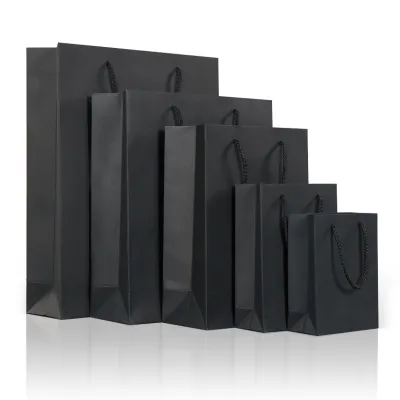
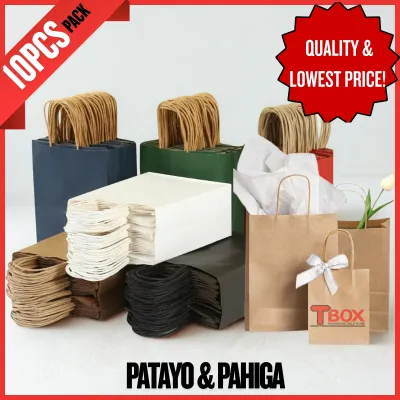
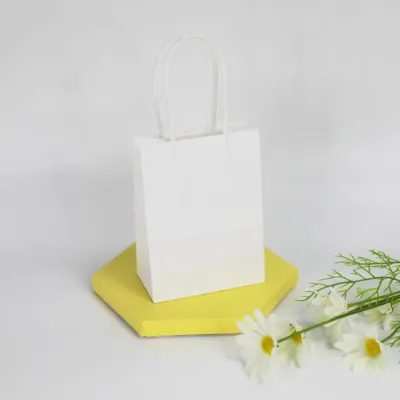
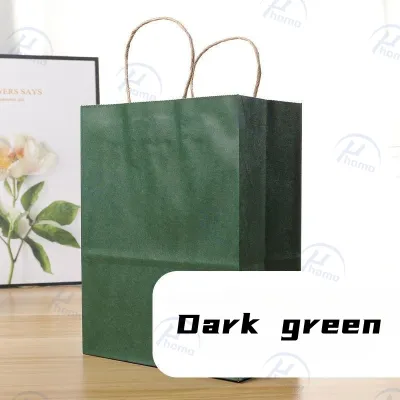
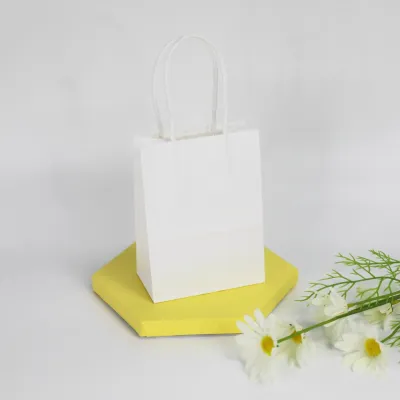
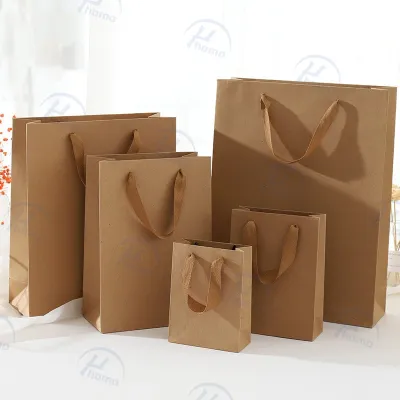
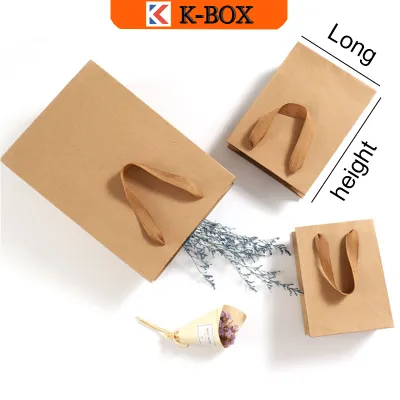

Prices are valid at publication and may change. Please refer to the product page for the latest price.
Never choose a bag that matches these dimensions exactly. A tight fit makes inserting and removing the gift difficult, often leading to crumpled edges or ripped paper. As a general rule, add an allowance of 1 to 2 inches (approximately 2.5 to 5 centimeters) to each dimension. This extra space accommodates the thickness of wrapping paper, decorative tissue paper, or protective bubble wrap without straining the seams of the bag.
Beyond physical dimensions, assess the weight and center of gravity of the item. Heavy objects, such as ceramic mugs or books, exert concentrated downward pressure on the bag’s base, requiring a reinforced bottom. Top-heavy items or those with an irregular center of gravity are prone to tipping over during transport, which demands a wider, more stable base. Fragile items require a bag spacious enough to hold protective cushioning without pressing tightly against the bag’s outer walls.
Translate Gift Measurements into Correct Bag Dimensions
When shopping for paper bags, you will encounter three primary dimensions: width, gusset (or depth), and height. The width represents the horizontal measurement of the front panel, the gusset is the side panel that expands to give the bag its volume, and the height is the vertical measurement from the base to the top rim. Understanding these terms is essential for matching your pre-measured gift to the correct bag size.

To calculate the minimum height required for your bag, use a simple structural rule of thumb. The bag’s height should equal the height of your gift plus at least half of the bag’s gusset depth. This allowance ensures that the top of the bag can either fold over neatly or leave enough space for decorative tissue paper to billow outward without exposing the gift. If the bag is too short, the gift will peek out of the top, spoiling the surprise and leaving the item vulnerable to dust or sudden tropical showers.
Conversely, you must avoid the common “too large” trap. Placing a small, dense gift into a massive bag creates excessive empty space, which allows the item to slide back and forth during transit. This shifting can damage delicate corners, scratch polished surfaces, or cause the bag to tip over when set down. Furthermore, an oversized bag can visually diminish the gift inside, making the presentation look careless or rushed.
While manufacturers often categorize paper bags using generic labels like “small,” “medium,” “large,” or “boutique,” these designations vary widely between brands. A “medium” bag from one supplier might match a “small” bag from another. Use these labels only as an initial filtering tool, and always verify the exact millimeter or inch measurements provided in the product specifications before making a purchase.
Select the Right Paper Material and Handle Style for the Weight
The material composition and handle design of a paper bag determine both its weight capacity and its visual appeal. Kraft paper, recognizable by its natural brown or bleached white appearance, is highly durable due to its long wood fibers. Standard Kraft bags (typically ranging from 100 to 150 GSM) are excellent for carrying heavier, rustic, or artisanal gifts, offering excellent tear resistance and a classic, organic look.
For premium presentations, glossy or matte coated papers (often 150 to 200+ GSM) provide a smooth, stiff surface that supports high-resolution color printing and hot stamping. While these coated papers offer excellent structural rigidity, they can sometimes be more prone to visible creasing along the fold lines if handled roughly. Recycled paper bags offer an eco-conscious alternative, though they may have slightly lower tensile strength than virgin Kraft paper, making them best suited for lightweight to medium-weight items.
The handle style must also align with the gift’s weight and the overall aesthetic. Twisted paper handles, made by tightly spinning Kraft paper, are surprisingly strong and cost-effective, making them the standard choice for retail and casual gifting. Flat paper handles, pasted to the inside of the bag, offer a clean profile but are generally rated for lighter loads. For luxury gifts, soft cotton cords, satin ribbons, or grosgrain ribbons provide a comfortable grip and an elegant drape, though they require secure anchoring—either through metal eyelets or reinforced inner knots.
Finally, pay close attention to the bottom construction of the bag. A reinforced flat bottom, which features a thick cardboard insert glued to the base, is essential for any gift that must remain upright, such as bottles, jars, or structured boxes. This insert distributes the weight evenly across the base, preventing the paper from sagging or bursting. In contrast, pinch-bottom bags, which lack a flat gusseted base, are designed solely for flat, lightweight items like greeting cards, stickers, or single art prints.
Tailored Sizing and Style Strategies for Common Gift Shapes
Different gift categories present unique packaging challenges that cannot be solved with a one-size-fits-all approach. By tailoring the bag’s shape and material to the specific geometry of the item, you ensure both a secure journey and an elegant presentation.
Wine Bottles and Tall Cylinders
Tall, narrow items like wine bottles, artisanal olive oils, or cylindrical thermos flasks require specialized bottle bags. These bags feature a narrow width (typically 4 to 5 inches), a matching shallow gusset, and an extended height of 12 to 14 inches to prevent the bottle from tipping sideways. Because glass and liquids are heavy, prioritize bags made from thick Kraft paper or heavy laminated cardstock. Ensure the bag has a reinforced cardboard base insert and robust twisted paper or thick rope handles to support the concentrated vertical load safely.
Books, Tech Gadgets, and Flat Boxes
Dense, flat items like hardcover novels, tablet computers, or boxed board games exert concentrated pressure on a bag’s seams. For these shapes, select a bag with a wide front panel and a shallow gusset that closely matches the thickness of the box. This tight depth alignment prevents the item from sliding side-to-side or flipping flat against the bottom. Stiffer paper materials, such as high-GSM coated cardstock, are ideal here because they maintain their crisp, rectangular silhouette even when carrying heavy, hard-edged items.
Fragile Items Like Glassware and Ceramics
When gifting delicate items like ceramic mugs, glassware, or scented candles, the paper bag must accommodate both the item and its protective packaging. Choose a bag that is significantly wider and deeper than the item itself to allow for a thick layer of bubble wrap, tissue paper, or honeycomb paper wrap. Opt for a bag with thick, multi-ply paper walls and securely glued handle patches. The extra space ensures the fragile item does not press directly against the outer paper, minimizing the risk of impact damage if the bag bumps against a hard surface.
Apparel and Soft Goods
Clothing, plush toys, and knitted accessories are flexible and bulky, requiring a different structural approach. Instead of tall, narrow bags, opt for wide, shallow “boutique-style” bags. These bags have a wide opening that allows folded garments to lie flat without being compressed or wrinkled. Because soft goods are lightweight and lack sharp edges, you do not need heavy-duty reinforced paper; instead, you can focus on decorative elements, pastel colors, or textured finishes that enhance the unboxing experience.
Oddly Shaped or Unboxed Items
Gifts that lack a defined geometric shape, such as potted succulents, handmade sculptures, or loose gourmet treats, require creative stabilizing. Measure the item at its absolute widest and tallest projections to select the bag size. To prevent the item from shifting or tipping, fill the bottom and sides of the bag with crinkle-cut paper shred or folded tissue paper. This filler acts as a custom mold, stabilizing the odd shape while creating a uniform, visually appealing silhouette from the outside of the bag.
Verify the Fit and Add Finishing Touches
Once you have selected your bag and placed the gift inside, perform a quick physical verification before presenting it. The most reliable test is the “lift test”: gently lift the loaded bag by its handles a few inches off a flat surface. Observe the bottom of the bag; if the paper sags significantly or the handles stretch tense, the gift is too heavy for the material, and you should transfer it to a bag with a higher GSM rating or a reinforced base.
If you find that your bag is slightly too large, you can easily correct the excess space using decorative fillers. Stuffing the bottom with colorful crinkle paper or layering sheets of acid-free tissue paper around the gift stabilizes the item and prevents it from shifting. To achieve a professional look, fold tissue paper sheets in half, pinch them in the center, and tuck them into the bag so the pointed corners flare upward out of the opening, concealing the gift entirely.
Finally, coordinate the visual elements to create a cohesive presentation. Match the color or pattern of the paper bag with the tissue paper and ribbon. For a rustic Kraft bag, pair it with jute twine, a simple wooden gift tag, and forest green or burgundy tissue paper. For a glossy, elegant bag, opt for satin ribbons and metallic-foiled gift tags. This attention to detail elevates the simple act of bag selection into a memorable, premium gifting experience.
Frequently Asked Questions (FAQ)
Can I recycle or compost coated paper gift bags?
Plain, uncoated Kraft paper and recycled paper bags are fully recyclable and compostable, provided they are free from heavy grease or food residue. However, bags featuring glossy plastic laminations, metallic foil stamping, glitter, or synthetic dyes cannot be recycled or composted and must be disposed of in general waste. Before recycling any paper bag, always cut off and discard non-paper elements, such as polyester ribbon handles, metal eyelets, or plastic cord locks.
How should I store unused paper bags in humid climates?
In humid climates like the Philippines, moisture in the air can soften paper fibers and weaken the adhesives holding the handles and base together. Store your unused paper bags flat in a cool, dry, and well-ventilated cabinet or airtight plastic storage bin. Avoid folding or bending the bags during storage, as permanent creases weaken the paper’s structural integrity and reduce its weight-bearing capacity when reused.
Community discussion
Share your experience or ask a question. Comments are reviewed before publication.