
Choosing the right paper weight is the single most important decision you can make to protect your artwork from bleed-through, buckling, and tearing. The ideal paper weight—measured in Grams per Square Meter (GSM)—depends entirely on how much moisture, pressure, and pigment your medium applies to the page. For quick pencil sketches, a light paper is perfectly adequate, but heavy ink washes or watercolors demand a much sturdier sheet. Selecting the correct sketch book ensures your creative process remains smooth and your finished pieces last for years.
What Does GSM Actually Mean for Sketchbook Paper?
GSM stands for Grams per Square Meter. It is a standardized metric unit that measures the density and physical weight of paper. If you were to cut a sheet of paper to exactly one square meter, its weight in grams would equal its GSM rating. Consequently, a higher GSM number indicates a thicker, heavier, and typically more durable sheet of paper.
However, GSM alone does not tell the whole story of how a paper will behave. While weight dictates a page’s resistance to buckling and tearing, it does not determine the surface texture, also known as the “tooth.” It also does not define the chemical treatment, or “sizing,” applied during manufacturing. Sizing controls how liquid is absorbed by the paper fibers.
Products mentioned in this guide
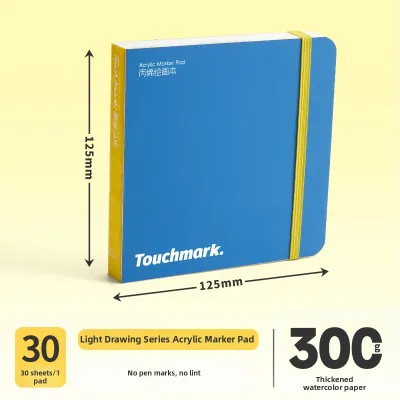
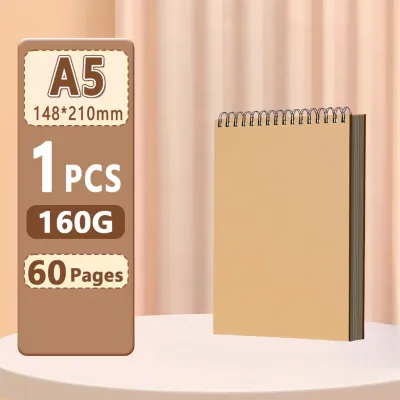
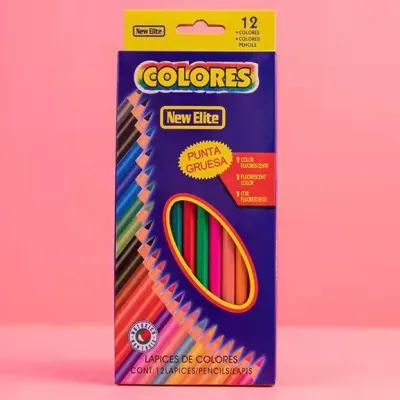
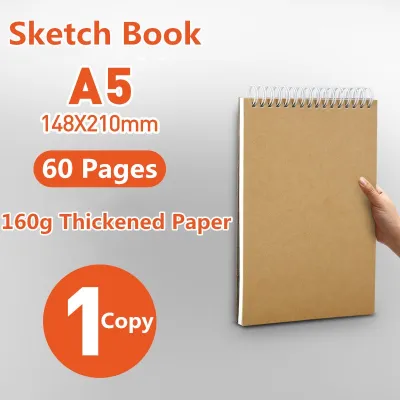
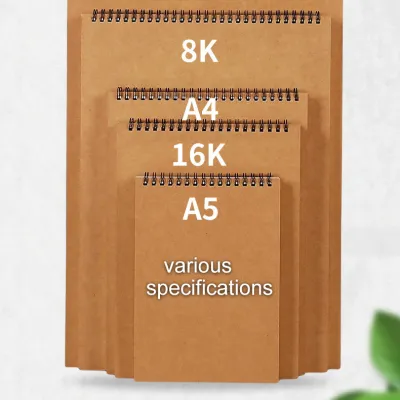
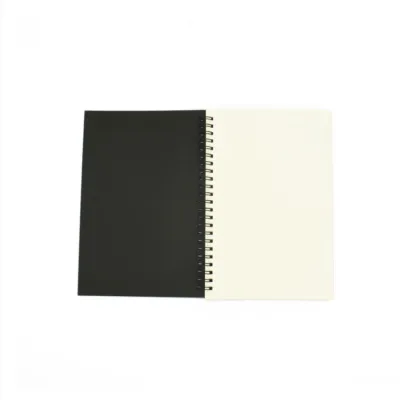
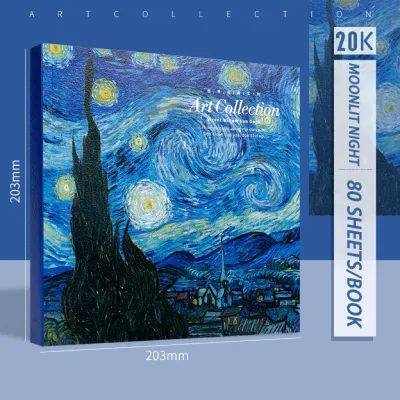
Prices are valid at publication and may change. Please refer to the product page for the latest price.
In humid tropical environments like the Philippines, paper naturally absorbs ambient moisture from the air over time. This makes understanding the relationship between weight and surface treatment even more critical. Without proper sizing or sufficient weight, paper exposed to high humidity can soften, making it highly susceptible to feathering, bleeding, or fiber breakdown when you apply ink or wet media.
Best Paper Weight for Dry Media: Pencil, Charcoal, and Pastel
If your primary tools are graphite pencils, colored pencils, charcoal, or pastels, you do not need extremely thick paper. The ideal GSM range for dry media is typically 80 to 120 GSM. This range is common in standard, everyday drawing pads and loose-leaf sketchbooks.

Using a lighter, standard-weight paper is highly cost-effective, especially for quick drafts, gesture drawings, and daily practice. You can easily find affordable options in local bookstores across Manila or Cebu. Because dry media do not introduce moisture, bleed-through is not a concern, allowing you to use both sides of every page without issue.
Instead of focusing purely on weight, dry media artists must prioritize the paper’s tooth. Tooth refers to the microscopic texture of the paper surface. A rougher tooth grabs onto graphite, charcoal, or pastel particles, allowing for rich layering and smooth shading. Extremely smooth paper will struggle to hold multiple layers of pigment, causing the medium to slide off, smudge, or pool unevenly.
Erasability is another crucial factor to consider. Low-GSM paper (under 80 GSM) or overly smooth paper can easily tear, crease, or “pill” (form tiny fiber balls) when subjected to heavy erasing. If you frequently use firm polymer erasers or kneaded erasers to lift highlights, opt for at least 100 GSM with a sturdy surface finish to handle the friction.
Best Paper Weight for Ink, Fineliners, and Fountain Pens
Liquid ink presents a different set of challenges. When using fineliners, dip pens, brush pens, or fountain pens, the paper must handle wet pigment without letting it spread or seep through to the next page. The ideal GSM range for ink work is 100 to 150 GSM.
At this weight, the paper is thick enough to prevent “ghosting”—where you can see the shadow of the drawing on the reverse side of the sheet—while remaining smooth enough for clean, precise lines. However, the physical thickness is only half the battle. The paper’s sizing plays a massive role here. Properly sized paper keeps the ink on the surface long enough to dry cleanly, preventing “feathering,” which is when ink spreads outward along the paper fibers like tiny spiderwebs.
In highly humid conditions, ink drying times can slow down significantly. To find the perfect match for your favorite pen, conduct a simple trial on a corner of your page. Draw a few solid lines and crosshatches, then observe if the edges remain crisp or if they blur. Check the reverse side of the page after a minute to ensure there is no bleed-through. If the ink dries quickly with sharp edges and no ghosting, your paper is well-suited for ink.
Managing Bleed-Through: Markers and Alcohol Inks
Alcohol-based markers are notorious for their intense bleed-through. Because alcohol evaporates quickly, the dye-based ink is designed to flow rapidly and saturate the paper fibers. Consequently, standard sketchbook paper—even thick mixed-media sheets of 150 GSM or higher—will almost always allow alcohol ink to bleed through to the next page.
To manage this, you have two distinct paths. The first is using dedicated marker paper, which is surprisingly thin (often only 70 to 90 GSM) but features a special barrier coating on the back. This coating prevents the ink from soaking through while keeping the pigment vibrant on the surface. The trade-off is that these pages are semi-translucent and not ideal for double-sided sketching.
The second path is using heavyweight paper (150+ GSM) that is uncoated. While the marker ink will still saturate the sheet, the sheer thickness of the paper holds more liquid, reducing the amount of ink that transfers to the pages underneath.
A simple, practical workaround when using a standard sketch book with markers is to place a loose, protective scrap sheet of heavy cardstock or plastic directly behind your working page. This shield catches any excess bleed-through, saving the subsequent pages from ruin without requiring you to buy specialized, expensive marker pads.
Best Paper Weight for Wet Media: Watercolor and Gouache
Wet media like watercolor, gouache, and heavy acrylic washes demand the toughest paper available. When you introduce water, paper fibers expand. If the paper is too thin, it will unevenly expand, leading to buckling or warping. The ideal GSM range for wet media is 200 to 300+ GSM, with 300 GSM (often labeled as 140 lb) being the gold standard.
Standard sketchbook paper quickly fails under wet washes. Without sufficient thickness and sizing, the water saturates the fibers entirely, causing the paper to warp into waves. As you brush over the wet surface, the friction will tear the weakened fibers, creating unsightly paper pilling.
Dedicated watercolor sketchbooks are specifically engineered to withstand this water volume. They feature heavy internal and external sizing (often using starch or gelatin) that regulates water absorption. This allows the water and pigment to pool and blend beautifully on the surface rather than soaking straight through.
Cold-Pressed vs. Hot-Pressed Surfaces
When choosing heavy watercolor paper, you must also select a surface texture. Cold-pressed paper has a textured, bumpy surface. This texture is excellent for trapping water, creating beautiful paint granulation, and allowing you to easily lift pigment. It is the most popular choice for traditional watercolor landscapes and loose washes.
Hot-pressed paper, on the other hand, is pressed with hot rollers during manufacturing to create a smooth, flat surface. This is the preferred choice for detailed botanical illustrations, mixed-media work combining fine-line ink with light washes, and scanning your artwork. Match your surface choice to your technique: choose cold-pressed for classic watercolor textures, and hot-pressed for crisp details.
Quick Reference: Matching Your Medium to Sketchbook Specs
To help you quickly verify the best paper for your artistic style, use this reference guide before purchasing your next sketchbook.
| Art Medium | Recommended GSM Range | Key Paper Feature to Look For |
|---|---|---|
| Graphite, Charcoal, Pastel | 80 – 120 GSM | Pronounced surface tooth for pigment grip |
| Fineliners, Fountain Pens | 100 – 150 GSM | Smooth finish, high bleed resistance (sizing) |
| Alcohol Markers | 70 – 90 GSM (Coated) or 150+ GSM | Barrier coating or protective backing sheet |
| Watercolor, Gouache | 200 – 300+ GSM | Heavy sizing, high wet strength, warp resistance |
Always check the manufacturer’s label or product specifications for explicit media compatibility. Chemical treatments, sizing formulas, and fiber compositions vary widely by brand, so a quick test on a spare page or the back of the book is always recommended before starting a major piece.
Frequently Asked Questions (FAQ)
Can I use a single mixed-media sketchbook for everything?
Yes, a mixed-media sketchbook is an excellent all-in-one solution for artists who love to experiment. These sketchbooks typically feature paper weights between 150 and 180 GSM. This weight serves as a versatile middle ground, easily handling dry pencil sketches, heavy ink work, and light watercolor or gouache washes without major issues.
However, mixed-media paper does have its limitations. If you apply heavy, wet-on-wet watercolor washes, the paper will still buckle and warp more than a dedicated 300 GSM watercolor sheet. Similarly, alcohol-based markers will still bleed through to the reverse side, even if they do not reach the next page.
For casual sketching, travel journaling, or planning layouts, a mixed-media sketchbook offers unmatched convenience. But for professional-grade watercolor paintings or heavy marker illustrations, investing in dedicated, medium-specific sketchbooks will yield far superior results.
Community discussion
Share your experience or ask a question. Comments are reviewed before publication.