
Finding the perfect replacement refill for your favorite fountain or gel pen requires matching the physical dimensions, the ink delivery system, and the specific connection mechanism of your pen body. While many pens look similar on the outside, their internal chambers and feed systems are engineered to highly precise tolerances. Choosing the wrong refill can lead to messy leaks, poor ink flow, or a completely unusable writing instrument.
To find the correct match, you must first identify whether your pen uses a proprietary or standard international system. From there, measuring the physical length and diameter of your current refill will prevent rattling or jamming. Finally, selecting the right ink formulation and tip size ensures your writing remains crisp and legible on your chosen paper.
Identify Your Pen's Refill Mechanism and System
Fountain pens and gel pens operate on entirely different ink delivery principles, meaning their refill systems are completely incompatible. Fountain pens rely on liquid ink stored in a reservoir, which is drawn to the paper via capillary action through a metal nib. Gel pens, on the other hand, use a thick, water-based gel ink housed inside a plastic or metal tube, delivered to the paper via a tiny rolling ball at the tip.
Products mentioned in this guide
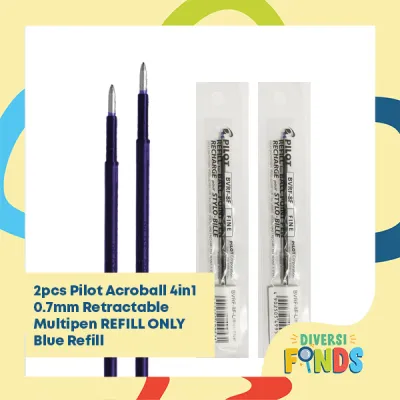
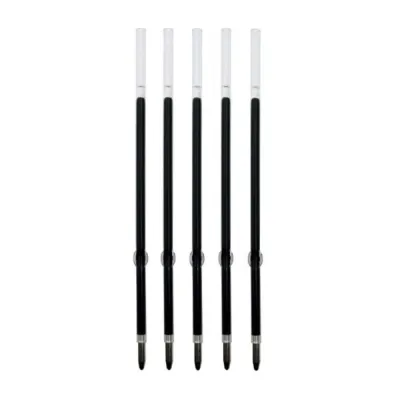
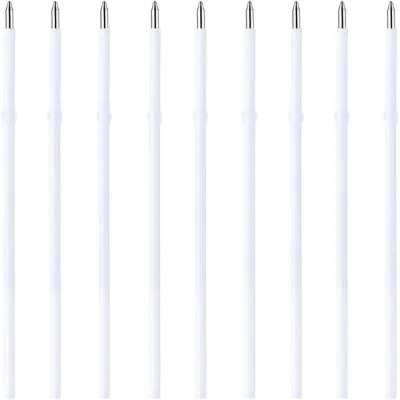
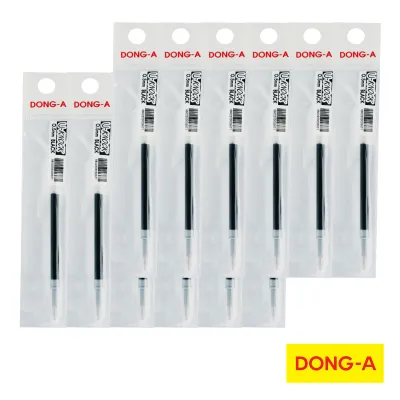
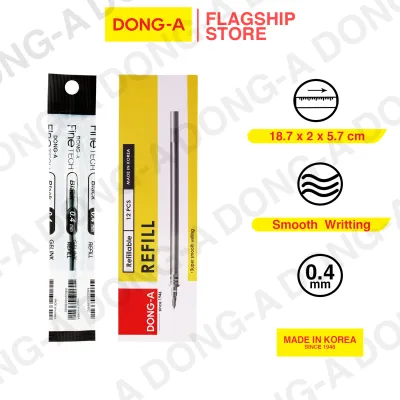
![Ballpen Dong-A Fine Tech RT Sign Pen Dong-A Fine Tech RT Refill 0.3MM-SOLD PER PIECE Ballpen Ball pen Ballpen Refill Ball pen Refill Black Blue Red EACH SOLD SEPARATELY [Future Industries]](https://img.lazcdn.com/g/p/72f83c13340f571e07156924a929eed1.jpg_400x400q80.jpg_.webp)
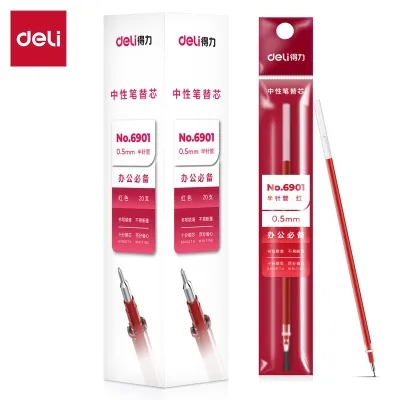
Prices are valid at publication and may change. Please refer to the product page for the latest price.
Within the realm of fountain pens, you will primarily choose between ink cartridges and ink converters. Cartridges are small, pre-filled plastic capsules designed for single-use convenience. Converters are mechanical, refillable reservoirs that allow you to draw bottled ink into the pen using a piston, squeeze, or plunger mechanism. If you prefer the convenience of swapping pre-filled units, cartridges are your best option; if you enjoy a vast array of custom ink colors, a converter is essential.
Gel pens utilize a self-contained refill tube that houses both the ink and the rolling ball tip. When you replace a gel pen refill, you are replacing the entire writing mechanism, including the tip. This makes gel pen maintenance incredibly simple, as any wear on the ball point is discarded with the old refill.
To determine which system your pen uses, start by inspecting the original packaging or the manufacturer’s official documentation. If these are unavailable, unscrew the pen barrel to examine the existing setup. Look for any brand markings or model numbers printed directly on the cartridge, converter, or gel refill tube.
A critical distinction to make during this step is whether your pen uses a proprietary system or a standard international format. Many prominent stationery brands design their pens to only accept their own proprietary refills. This design choice ensures optimal performance but limits your replacement options to that specific brand. Conversely, many European and Asian manufacturers adopt standard international sizes, allowing you to mix and match refills from various third-party brands.
Measure and Match the Physical Dimensions
Even if two refills look identical at a glance, a difference of just a fraction of a millimeter can prevent a pen from assembling or functioning correctly. A refill that is too long will prevent the barrel from screwing shut, while one that is too short will slide around inside, causing the tip to retract when you write.

To ensure a precise fit, use a ruler or a pair of calipers to measure the physical dimensions of your original refill. First, measure the total length from the very tip of the writing point to the flat end of the tube. Next, measure the outer diameter of the widest part of the refill body. For gel pens, also measure the diameter of the collar—the small plastic ridge near the tip that rests against the pen’s internal spring.
Standard international fountain pen cartridges generally come in two lengths: short (approximately 38 mm) and long (approximately 73 mm). Both sizes share a standard collar diameter of 2.6 mm, which fits the feed of standard international pens. However, some proprietary cartridges use unique collar diameters, such as 3.0 mm or 3.2 mm, which will not fit a standard international feed.
For gel pens, the most common standard is the Euro-refill format, which typically measures around 110 mm in length with a body diameter of approximately 6 mm. Many retractable gel pens use this standard, but subtle variations in the shape of the tip or the spring-stop collar can still cause compatibility issues. Always compare your physical measurements against the technical specifications provided by the refill manufacturer.
When dealing with fountain pen converters, you must also inspect the connection point. Some converters push directly onto the feed post, relying on friction to create an airtight seal. Others feature threaded collars that screw into the section of the pen. A loose or incorrect connection will allow air to enter the system, leading to ink leaks inside the barrel or a complete failure of ink flow to the nib.
Select the Ink Format and Tip Size for Your Paper
Once you have established the physical compatibility, you must select an ink formulation and tip size that suit your writing style and paper choice. The interaction between ink and paper is highly dependent on environmental factors, especially in warm, humid climates like the Philippines, where paper tends to absorb moisture from the air.
Fountain pen inks are primarily water-based and highly fluid. On standard copy paper or highly absorbent notebook pages, liquid fountain pen ink can easily feather (spread out along the paper fibers) or bleed through to the other side. If you must write on low-weight or absorbent paper, opt for a fine or extra-fine nib size, and look for inks labeled as “feather-resistant” or “dry-writing.”
Gel pen inks consist of pigments suspended in a water-based gel. This formulation offers a smooth, skip-free writing experience with highly vibrant colors. However, gel ink generally takes longer to dry than traditional oil-based ballpoint ink. In humid conditions, this drying time can extend further, increasing the risk of smudging. If you are left-handed or write quickly, look for gel refills that specify fast-drying properties on their packaging.
Tip size is another crucial variable. For gel pens, tip sizes typically range from ultra-fine (0.3 mm to 0.4 mm) to medium (0.7 mm) and bold (1.0 mm). Ultra-fine tips are excellent for precise calculations, margin notes, and compact handwriting, but they can feel scratchy on rough paper. Medium and bold tips glide effortlessly across the page but lay down more ink, which requires heavier, high-quality paper to prevent bleed-through.
Before purchasing a new refill format, check the manufacturer’s recommended paper weight. For fountain pens and wet gel pens, paper with a weight of 80 gsm (grams per square meter) or higher, featuring a smooth, coated finish, generally provides the best results. If you must use standard 70 gsm school or office paper, stick to finer tip sizes and drier ink formulations to maintain clean, legible lines.
Verify Compatibility and Perform a Test Fit
Before purchasing refills in bulk, it is wise to verify the exact model compatibility and perform a physical test fit. This step protects your investment and prevents potential damage to your writing instruments.
Start by cross-referencing your pen’s model name with the refill manufacturer’s official compatibility charts. Most reputable stationery brands publish detailed lists showing which of their refills fit specific pen models. If you are looking at third-party alternatives, check authorized retailer listings or community-verified compatibility databases to see if other users have successfully paired the two.
When your new refill arrives, perform a careful visual inspection before installing it. Compare the new refill side-by-side with the old one. Check that the length, tube diameter, tip shape, and collar placement match exactly. For fountain pen cartridges, ensure the sealed end is intact and free of cracks.
Gently insert the refill into the pen barrel. It should slide in smoothly without requiring excessive force. If you are installing a fountain pen cartridge or converter, push it firmly onto the feed post until you feel or hear a distinct click, indicating a secure seal. For retractable gel pens, ensure the internal spring seats correctly against the refill’s collar.
Never force a refill into a pen barrel if you encounter resistance. If the barrel does not screw back together easily, or if the click mechanism feels stiff or jammed, stop immediately. Forcing a mismatched refill can crack the pen’s internal threads, bend the spring, or rupture the ink reservoir. If you experience persistent fit issues or leaks, consult the pen manufacturer’s customer support or visit a specialty stationery retailer for professional assistance.
Frequently Asked Questions (FAQ)
Can I use third-party ink cartridges in a branded fountain pen?
Yes, but only if your branded fountain pen is designed to accept standard international cartridges. Many brands use proprietary connection ports that are slightly wider or narrower than the standard 2.6 mm interface. To determine compatibility, measure the opening of your empty original cartridge and compare it with standard sizing charts. Additionally, review your pen’s manual, as some manufacturers state that using third-party inks or cartridges may void the product warranty if a leak causes damage.
How do I know if a gel pen refill is completely empty?
For transparent gel pen refills, you can easily monitor the ink level by looking at the clear plastic tube. You will see the colored gel column gradually recede, followed by a clear, thick follow-up liquid (the follower gel) that prevents the ink from leaking out the back. For opaque or metal-bodied refills, you must rely on functional cues. If your pen begins to skip, write with a faded line, or scratch against the paper despite applying normal pressure, the ink supply is likely exhausted or dried out.
Community discussion
Share your experience or ask a question. Comments are reviewed before publication.