
Finding the right permanent paint marker requires matching the ink’s chemical base to the physical characteristics of your target surface. While many products claim to be universal, a marker that adheres beautifully to a smooth metal sheet may easily peel off a flexible plastic container or wash out of a cotton t-shirt. To achieve a truly permanent finish, you must evaluate the surface’s porosity, flexibility, and exposure to environmental factors like moisture and friction.
By understanding how different ink formulations interact with non-porous, semi-porous, and porous materials, you can select a tool that resists smudging, fading, and cracking. This guide provides a practical framework to help you identify the correct marker specifications, prepare your materials, and ensure your designs withstand daily wear and tear.
Understanding Paint Marker Ink Types and Surface Compatibility
Permanent paint markers generally fall into three primary chemical categories: oil-based, water-based, and acrylic. Oil-based markers utilize organic solvents to carry pigments, creating a highly durable, water-resistant bond that excels on hard, non-porous surfaces. Water-based markers use water as the primary solvent, offering a low-odor alternative that is less likely to bleed through paper or damage sensitive synthetic materials. Acrylic paint markers contain suspended acrylic polymer emulsions, providing vibrant, opaque coverage that mimics traditional tube paint once dry.
Products mentioned in this guide
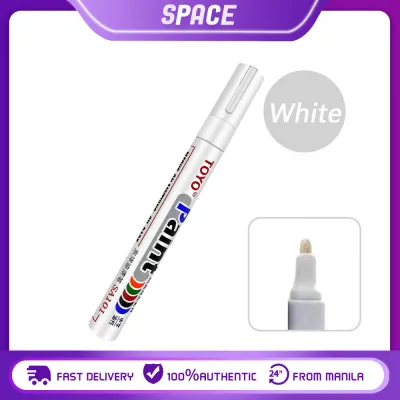
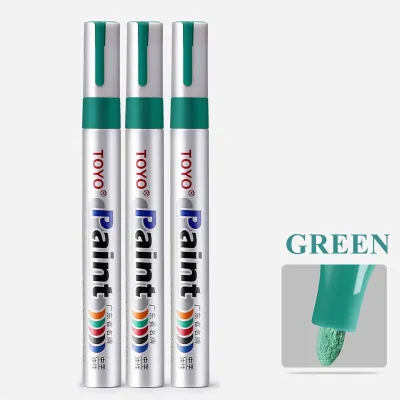
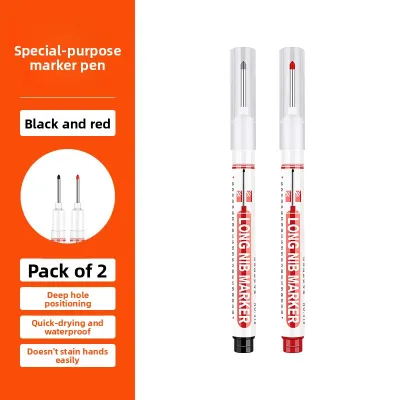
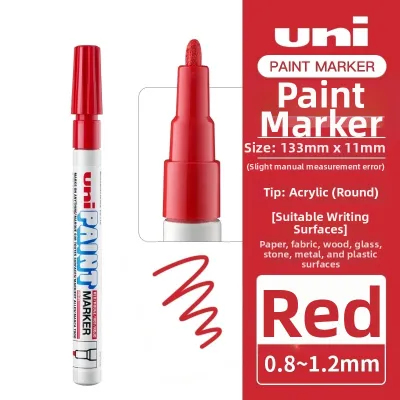
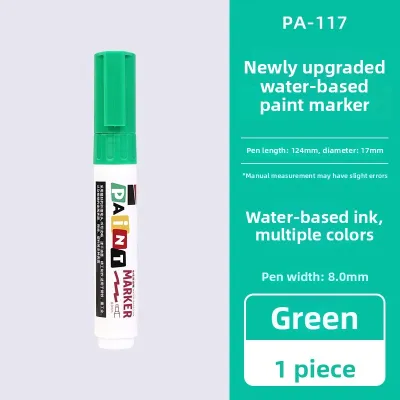
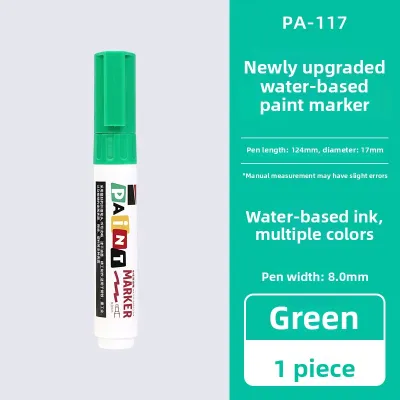
Prices are valid at publication and may change. Please refer to the product page for the latest price.
The porosity of your target material dictates how these different formulations behave during and after application. Porous surfaces, such as raw wood or natural fabrics, readily absorb liquid ink, drawing it deep into the fibers where it can dry and lock in place. Conversely, non-porous surfaces like glass, glazed ceramics, and polished metals offer no microscopic pockets for the ink to penetrate. On these smooth materials, the paint must rely entirely on surface adhesion, forming a thin, solid film as the solvent evaporates. If the ink chemistry is incompatible with the surface, this film will easily scratch, flake, or peel away under light pressure.
To avoid project failures, always look beyond generic “permanent” marketing claims on the front of the packaging. Turn the marker over to inspect the manufacturer’s detailed label for explicit surface compatibility listings. Reliable manufacturers will specify whether the ink is formulated for glass, metal, plastics, or textiles, as these designations indicate that the binder resins have been engineered to adhere to those specific substrates.
Matching Markers to Specific Surfaces
A single, truly universal paint marker is a chemical impossibility because different materials demand opposing physical properties from dried paint. For instance, a rigid surface like glass requires an ink that cures into a hard, scratch-resistant shell, whereas a flexible surface like a canvas bag requires an ink that remains elastic to prevent cracking when bent.

When planning your project, prioritize either rigid adhesion or elastic flexibility based on how the finished item will be handled. If the object is a decorative metal sign that will hang undisturbed, high adhesion is your primary goal. If you are marking a plastic squeeze bottle or a piece of clothing, the paint must be able to stretch and flex alongside the underlying material without losing its bond.
Metal and Glass (Non-Porous Surfaces)
For non-porous materials like steel, aluminum, copper, and glass, oil-based paint markers or specialized glass-rated acrylics are the most reliable choices. The solvent-based carriers in oil markers allow the paint to wet the smooth surface evenly without pooling or bead formation, which is a common issue with standard water-based inks. Once the solvent evaporates, the remaining oil-resin binder cures into a tough, water-resistant layer that resists light abrasion and moisture.
If you are decorating glassware or ceramic mugs that will undergo regular cleaning, look specifically for markers labeled as dishwasher-safe or heat-settable. These formulations contain specialized polymers that cross-link when baked in a home oven, significantly increasing their resistance to warm water and detergents. Without this specific heat-curing capability, even high-quality oil-based paint will eventually degrade and peel off during washing.
The physical shape and texture of your non-porous surface also dictate the type of nib you should use. Curved, slippery, or highly reflective surfaces like glass bottles or polished metal pipes are difficult to mark with soft, flexible brush tips, which can slip and cause uneven paint distribution. Instead, opt for durable plastic or firm, rounded fiber nibs that allow you to apply consistent downward pressure to activate the marker’s flow valve without losing control of your line work.
Plastic and Fabric (Semi-Porous and Porous Surfaces)
Plastics present a unique challenge because they are semi-porous, chemically inert, and often coated with slick manufacturing residues. When marking plastics, avoid highly aggressive, solvent-heavy industrial markers unless they are explicitly rated for synthetic polymers. Strong solvents can chemically react with certain plastics, causing the surface to soften, warp, melt, or become permanently sticky. Instead, look for acrylic-based or mild water-based paint markers that list plastic compatibility, as these rely on safe adhesive binders that cling to the surface without degrading the polymer structure.
Fabric and textiles require an entirely different approach because the paint must penetrate the porous fibers and remain highly flexible after drying. Standard oil-based paint markers cure into a rigid, brittle film that will quickly crack, flake, and crumble away when the fabric is folded, stretched, or run through a washing machine. For textile projects, select markers formulated with flexible acrylic binders or dedicated fabric paint inks that move dynamically with the weave of the cloth.
To ensure your fabric designs survive repeated laundering, you must lock the pigment into the fibers using heat-setting techniques or specialized fabric mediums. After the paint has dried completely, applying dry heat with a household iron or a clothes dryer helps fuse the acrylic binders directly to the textile threads. Always check the garment’s care label first to ensure the fabric can safely withstand the heat required for this setting process.
Key Features to Check Before Buying
When browsing options in local stationery shops or online marketplaces, pay close attention to the marker’s delivery mechanism. Valve-action markers feature a spring-loaded internal valve that controls the flow of paint to the nib. When you press the tip down onto a hard surface, the valve opens, saturating the nib with fresh, opaque paint. This system is excellent for smooth, non-porous surfaces where you need a rich, consistent layer of ink. However, on highly textured or rough surfaces like cast iron or coarse canvas, a standard felt-tip marker without a valve may be easier to control, as it prevents accidental paint pooling and splattering.
Whether you are purchasing a single ₱120 marker for a quick home repair or investing in a professional multi-color set, you should verify the opacity, lightfastness, and weather resistance ratings printed on the product packaging. Opacity determines how well the paint will cover dark or colored backgrounds; high-quality paint markers use dense, finely ground pigments rather than dyes to ensure a single stroke completely hides the underlying surface. Lightfastness indicates the paint’s resistance to fading when exposed to ultraviolet (UV) light, which is critical if your finished project will sit near a window or outdoors.
Finally, consider the working environment and safety requirements associated with your chosen marker. Solvent-based and oil-based paint markers often emit strong chemical fumes that can cause headaches or dizziness if used in poorly ventilated, enclosed spaces. If you are working indoors, look for markers certified as non-toxic, low-odor, or water-based, especially if the project involves children or prolonged close-up work.
Surface Preparation and Curing for Maximum Adhesion
No paint marker, regardless of its quality or price, can adhere properly to a dirty, greasy, or dusty surface. Before you begin writing, thoroughly clean the target material to remove any oils, fingerprints, dust, or factory coatings. For metal and glass, wiping the surface with isopropyl alcohol or a mild glass cleaner is highly effective. For plastics, a gentle wash with dish soap and warm water will remove mold-release agents without damaging the material. Ensure the surface is completely dry before applying any paint, as trapped moisture will prevent the ink from bonding.
Before committing to your main design, always perform a quick patch test on an inconspicuous area of your material. This trial allows you to observe how the ink behaves: check if it bleeds or halos along the edges, pools into droplets, or causes an adverse chemical reaction with the substrate. A patch test also lets you verify the actual color and opacity of the paint once it dries, ensuring it matches your expectations.
It is crucial to understand the difference between touch-dry and fully cured paint, particularly in warm, humid tropical climates. While a paint marker stroke may feel dry to the touch within five to fifteen minutes, the underlying solvents and binders can take anywhere from 24 hours to several days to fully cure and achieve maximum durability. High humidity slows down the evaporation of solvents, meaning you should allow extra curing time before exposing the marked item to heavy handling, moisture, or outdoor conditions.
Frequently Asked Questions (FAQ)
Can I use the same paint marker for both indoor and outdoor projects?
Standard indoor paint markers are not formulated to withstand constant exposure to rain, wind, and direct sunlight. If used outdoors, the UV rays from the sun will quickly break down the pigments, causing the colors to fade or chalk, while rainwater can wash away non-weatherproof binders. To ensure your outdoor projects last, look for markers explicitly labeled as weatherproof, UV-resistant, or outdoor-safe. These specialized formulations contain highly stable pigments and robust binders designed to resist moisture and sun damage over extended periods.
How do I prevent paint markers from fading or washing off fabric?
To prevent your designs from fading or washing out of textiles, you must properly heat-set the paint after it has dried completely. First, check the garment’s care label to determine the maximum safe heat setting for the fabric. Place a clean pressing cloth or a piece of parchment paper over the painted design to protect your iron, then press the area with a dry iron (no steam) for several minutes, moving it constantly to avoid scorching. Alternatively, you can tumble dry the painted garment on high heat for 30 to 40 minutes, provided the fabric type allows it, to lock the pigments securely into the fibers.
Community discussion
Share your experience or ask a question. Comments are reviewed before publication.