
Finding the right specialty pens in the Philippines requires balancing your creative or professional needs with the unique challenges of a tropical climate. Whether you are a student organizing lecture notes, an artist drafting intricate illustrations, or a professional signing documents, the ideal Pilot specialty pens are those that match your specific paper choices and writing style. Selecting the right “pilot goodies” involves evaluating nib designs, ink formulations, and paper compatibility to ensure a smooth, smudge-free writing experience. By focusing on authentic products and understanding how different inks behave in high humidity, you can build a reliable stationery collection that delivers consistent performance day after day.
Match the Pen Type to Your Specific Use Case
For calligraphy and hand lettering, the flexibility of the pen tip determines the dramatic variation between your thick and thin strokes. Elastomer brush tips are highly popular for modern calligraphy because they offer excellent control and resilience. Hard elastomer tips are ideal for beginners as they provide steady resistance, allowing for sharp hairline strokes and clean transitions. Soft elastomer tips require a lighter touch but deliver bold, expressive lines suitable for larger lettering projects. If you prefer a classic look, fountain pens equipped with stub or italic nibs offer natural line variation without requiring varied pressure, making them excellent for elegant everyday writing.
Technical drawing and drafting demand absolute precision, consistent ink flow, and reliable line widths. Technical pens and fineliners are engineered with hard polyacetal or metal-collared tips that resist bending or splaying under pressure. This structural integrity ensures that your lines remain uniform even when drawing against plastic or metal rulers. When selecting technical pens, look for pigment-based, water-resistant inks that will not smudge or bleed when you apply watercolor washes or alcohol-based markers over your finished linework.
Products mentioned in this guide
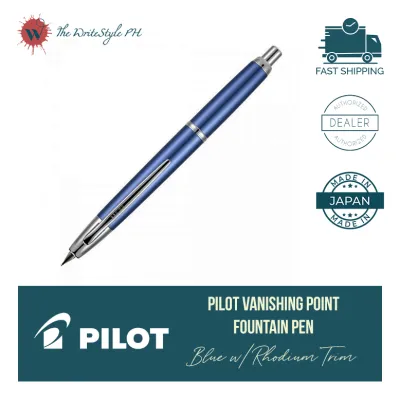
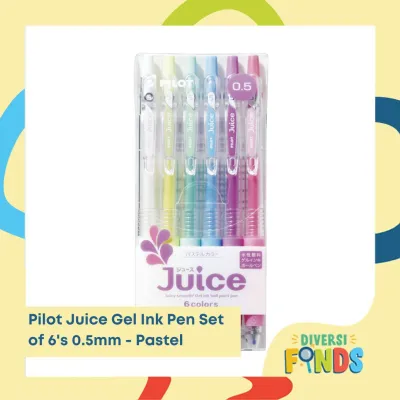
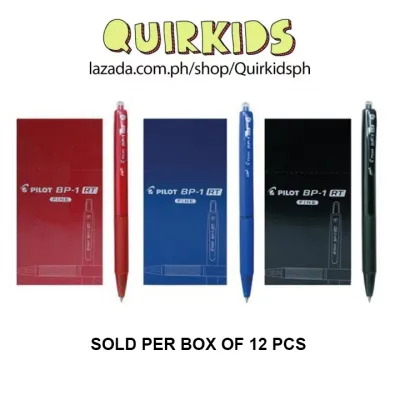
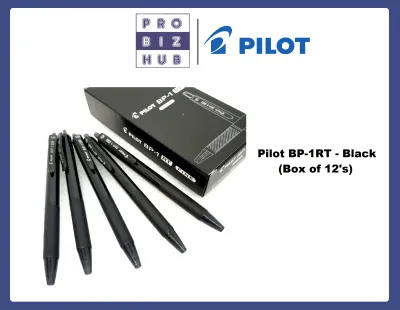
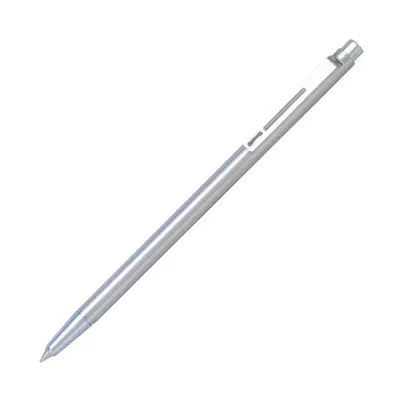
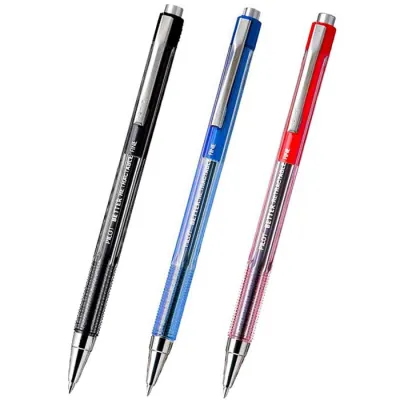
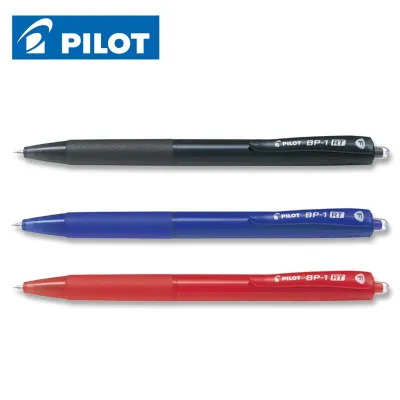
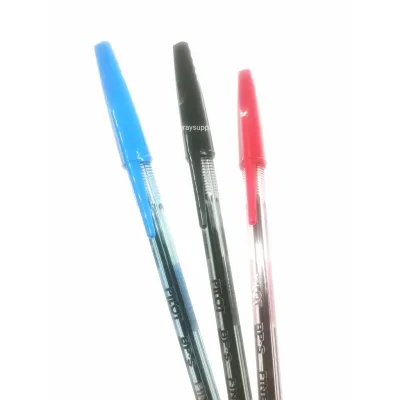
Prices are valid at publication and may change. Please refer to the product page for the latest price.
Journaling and planning require versatile pens that can handle daily use across various paper types. Erasable gel pens offer unmatched flexibility for daily planners and bullet journals, allowing you to modify schedules and correct mistakes without messy correction tape. However, because these heat-sensitive inks rely on friction to become transparent, they require careful handling on delicate planner pages. Alternatively, ultra-fine gel pens with hybrid inks provide vibrant colors and crisp lines that fit perfectly within tight grid layouts, making them ideal for color-coding tasks and tracking habits.
Left-handed writers face the constant challenge of their hand trailing over freshly written text, which often leads to smudged pages and ink-stained hands. To prevent this, prioritize quick-drying liquid gel inks or advanced oil-based inks that set almost instantly upon contact with the paper. The angle of the nib also plays a critical role; a rounded, highly polished tip or a specialized left-handed nib profile can reduce paper catching and skipping, providing a smoother push-stroke experience that traditional right-handed pens often struggle to deliver.
Essential Specifications to Verify for Local Paper and Climate
When browsing specialty pens, always check the manufacturer’s packaging for exact millimeter measurements rather than relying solely on generic terms like “fine” or “medium.” Japanese stationery brands typically produce nibs that are significantly finer than their Western counterparts. For instance, a Japanese medium nib often produces a line width comparable to a Western fine nib. Verifying the precise millimeter output helps you select a pen that matches your handwriting size and prevents your letters from closing up during fast writing.

Understanding the chemical properties of your pen’s ink is essential for long-term document preservation. Verify whether the ink is classified as dye-based, pigment-based, or archival-quality. Dye-based inks offer exceptionally vibrant colors but are highly susceptible to water damage and fading over time. Pigment-based inks, on the other hand, contain solid particles that bind to the paper fibers, offering superior water resistance and lightfastness. If you are working on legal documents, permanent records, or artwork intended for display, always opt for pigment-based or archival-certified inks.
The performance of any specialty pen is deeply tied to the quality of the paper you use. In the Philippines, standard school notebooks and office copy papers often have lower weight (gsm) and looser fibers, which can lead to feathering (ink spreading along the fibers) and bleed-through (ink soaking through to the back of the page). Before committing to a specific pen, conduct a physical test on a sample sheet of your preferred notebook. Observe how the ink behaves: look for clean line edges and minimal show-through, which indicates that the paper can handle the ink volume without degrading.
The tropical climate of the Philippines, characterized by high relative humidity and warm temperatures, directly impacts how pens and inks perform. High humidity can slow down the drying time of water-based inks, increasing the risk of accidental smudges. Conversely, warm air can accelerate the evaporation of water from fountain pen feeds and open gel pen tips, leading to hard starts and clogging. To mitigate these climate-related issues, choose pens with tightly sealing caps, such as those featuring spring-loaded inner caps, and store your writing instruments horizontally in a cool, dry place away from direct sunlight.
Where to Find Authentic Pilot Goodies in the Philippines
To ensure you are purchasing genuine products that deliver the intended performance, always source your stationery from authorized physical stores, official brand distributors, or verified online mall flagship stores. While unauthorized third-party sellers on general online marketplaces may offer lower prices, they often carry counterfeit items or old stock that has dried out due to improper storage. Buying from authorized channels guarantees that you receive fresh, high-quality pens backed by genuine manufacturer standards.
Spotting counterfeit stationery requires a keen eye for detail. Examine the product packaging closely for clear, high-resolution printing, accurate branding logos, and official distributor labels. Genuine specialty pens often feature specific security markings, holographic stickers, or unique batch codes printed on the barrel or packaging. Be wary of pens sold without packaging, those with misspelled labels, or products offered at prices that seem too good to be true, as these are common indicators of counterfeit goods.
Before investing in a premium specialty pen system, evaluate the long-term cost and local availability of replacement refills, ink cartridges, and spare parts. A high-quality pen body is only useful if you can easily source the correct refills when the ink runs out. Check if your local authorized stationery shops regularly stock the specific refill models and converters you need. Comparing the prices of these consumables in ₱ across different authorized channels will help you estimate the ongoing cost of ownership and avoid inflated reseller markups.
Building Your Final Pilot Pen Shortlist
Begin building your shortlist by defining a clear maximum budget per pen, factoring in both the initial purchase price and the ongoing cost of refills. It is often more practical to invest in one or two high-quality primary pens for your daily writing tasks rather than buying multiple inexpensive pens that may not last. Reserve specialized pens, such as flexible brush pens or technical fineliners, for specific projects where their unique capabilities are truly required, thereby keeping your overall stationery expenses manageable.
Before making your final purchase, research recent user feedback from local stationery communities, focusing on long-term durability, nib consistency, and real-world ink performance under local conditions. Once you have narrowed down your choices, start by purchasing a small test batch of one or two pens. This allows you to personally verify their grip comfort, weight balance, and paper compatibility in your daily routine before committing to a larger collection of stationery goodies.
Frequently Asked Questions (FAQ)
Are Pilot erasable pens suitable for signing official documents in the Philippines?
Erasable gel pens utilize heat-sensitive ink that becomes transparent when subjected to friction or high temperatures. Because of this unique property, erasable ink is not suitable and generally not accepted for signing legal contracts, banking checks, school exams, or official government documents in the Philippines. If a document signed with erasable ink is exposed to high heat—such as being left inside a hot vehicle or passed through a laminating machine—the writing may disappear entirely. For all official, legal, or archival purposes, always use permanent, fade-resistant, and waterproof pigment ink.
How can I prevent my Pilot fountain pen from drying out in a tropical climate?
To prevent your fountain pen from drying out in a warm, humid climate, establish a regular maintenance routine. Flush the pen with clean, room-temperature water every two to four weeks, especially when changing ink colors or if the pen has been idle. Always ensure the cap is securely clicked or screwed shut immediately after writing to prevent air from drying out the nib and feed. Storing your fountain pens horizontally or upright with the nib pointing upward in a dedicated pen case can also help maintain consistent ink flow and prevent clogging.
Do Pilot specialty pens come with a warranty in the Philippines?
Warranty coverage for specialty pens varies depending on the specific model and the authorized retailer from whom you purchased the item. High-end writing instruments, such as premium fountain pens, often come with a limited manufacturer’s warranty that covers defects in materials and workmanship. To ensure your purchase is protected, always ask for the official warranty card and receipt from the authorized local distributor at the time of purchase, and review the specific terms, coverage limits, and claim procedures.
Community discussion
Share your experience or ask a question. Comments are reviewed before publication.