
Choosing the right pipe cleaner craft kit for kids in the Philippines involves looking beyond bright packaging to evaluate wire density, accessory completeness, and safety features. These kits, centered around the versatile pipe cleaner fuzzy wire (also known as chenille stems), offer an excellent screen-free activity for rainy afternoons, school art projects, or quiet weekends at home. However, because quality varies widely among products sold online and in local bookstores, parents need a clear framework to select kits that inspire creativity rather than cause frustration. By focusing on material durability, age-appropriate safety, and complete out-of-the-box components, you can find a kit that provides hours of engaging, hands-on entertainment.
Key Evaluation Criteria for Kids' Fuzzy Wire Kits
To find a kit that offers genuine educational and creative value, you must look closely at the physical characteristics of the materials. The primary component, the pipe cleaner fuzzy wire, serves as the structural foundation for every project. A high-quality wire features a core made of flexible, galvanized iron that can be bent, twisted, and straightened multiple times without snapping or losing its structural integrity. If the wire core is too thin or brittle, children will struggle to build stable three-dimensional figures, leading to frustration and abandoned projects.
Equally important is the density and security of the fuzzy pile. The plush coating, typically crafted from polyester or nylon fibers, should be densely wrapped around the wire core to create a soft, uniform texture. Low-grade kits often suffer from excessive shedding, where the fibers easily pull away from the wire during normal handling. This not only creates a messy workspace but also leaves bare patches of metal exposed, which can be sharp and unsightly. When evaluating a kit, look for close-up product images or user reviews that confirm the fibers are tightly locked into the twisted metal spine.
Products mentioned in this guide
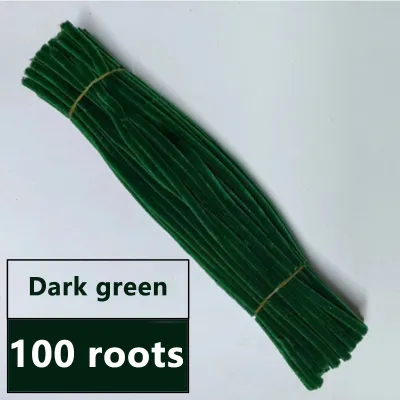
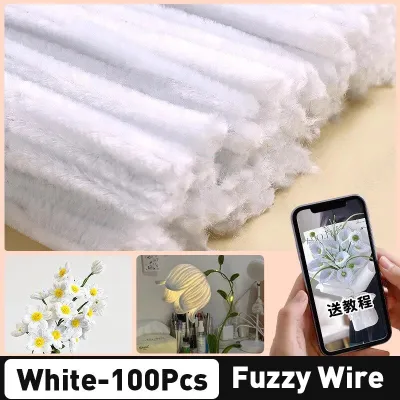
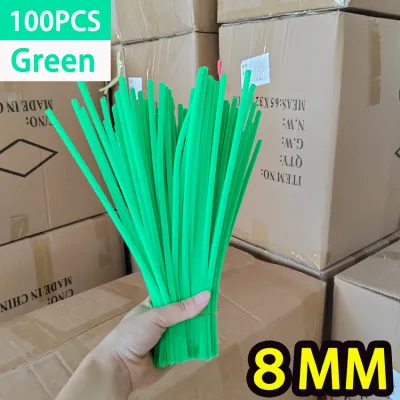
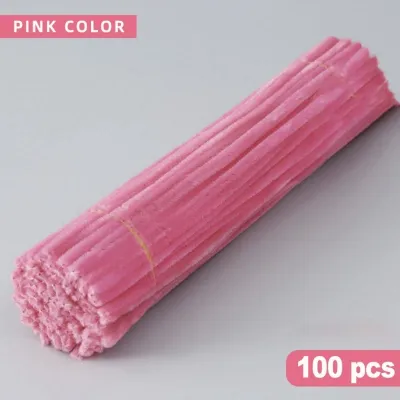
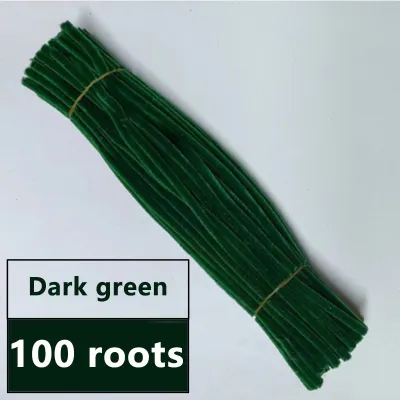
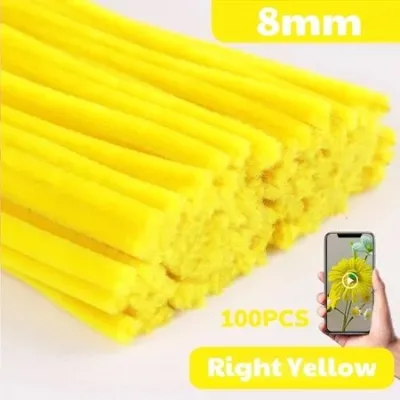

Prices are valid at publication and may change. Please refer to the product page for the latest price.
Color and texture variety play a crucial role in keeping a child’s interest alive. A basic kit might only offer a few standard primary colors, which can limit creative expression. The best kits provide a diverse palette, including bright neon shades, soft pastel tones, and specialty textures like metallic tinsel, glitter, or multi-colored striped wires. This variety allows children to explore sensory contrasts and create more realistic or imaginative designs, such as combining matte brown wires for an animal’s body with shiny gold wires for its crown.
Clear, accessible instructions are the bridge between raw materials and a finished masterpiece. A high-quality craft kit should include a printed guide with large, colorful, step-by-step diagrams that children can easily follow. For younger crafters, visual instructions that rely on clear illustrations rather than dense text are essential for fostering independent play. Some modern kits also feature QR codes that link to short, easy-to-follow video tutorials, providing an excellent alternative for visual learners who benefit from seeing the twisting techniques demonstrated in real-time.
Finally, a proper value assessment requires looking beyond the physical size of the packaging. It is common for low-cost kits to use oversized boxes filled with plastic air pockets to create the illusion of a massive set. Instead, compare the total piece count and the specific types of materials included against the price in ₱. A well-curated kit containing 150 high-density fuzzy wires, a generous selection of matching accessories, and a detailed instruction booklet offers far greater value than a cheaper, larger box containing sparse, easily broken components.
Must-Have Components in a Complete DIY Craft Kit
A truly complete DIY craft kit should contain everything a child needs to complete multiple projects from start to finish without requiring an immediate trip to the local stationery store. The core of any successful pipe cleaner project lies in the supplementary accessories that bring the creations to life. Look for kits that include a generous supply of googly eyes in various sizes, colorful pom-poms of different diameters, and vibrant pony beads. These accessories allow children to add expressive faces, soft bodies, and decorative joints to their wire sculptures, transforming simple twists into recognizable characters.

Adhesives and specialized tools are also critical components of a self-contained kit. While twisting is the primary method of joining fuzzy wires, securing accessories like felt cutouts or googly eyes often requires glue. The ideal kit should include a bottle of child-safe, non-toxic white craft glue or, even better, sheets of double-sided adhesive dots. Adhesive dots are highly recommended for younger children as they eliminate drying time and prevent messy spills on clothes and furniture. If the kit includes cutting tools, ensure they are child-safe, blunt-nosed scissors capable of cutting through the soft fibers and thin wire cores without dulling instantly.
Given the tropical climate of the Philippines, storage is an often-overlooked but essential aspect of a craft kit. High humidity can cause exposed paper instructions to warp and can lead to the degradation of cheap adhesives over time. A high-quality kit should come housed in a durable, reusable storage container, such as a plastic organizer box with adjustable compartments or a heavy-duty, zippered vinyl pouch. This not only protects the delicate materials from moisture and dust but also teaches children the valuable habit of organizing their supplies and keeping small parts contained after their crafting session is finished.
To maximize engagement, the kit must offer a diverse range of project templates rather than focusing on a single, repetitive design. A well-designed kit might include templates and instructions for creating animals, flowers, wearable jewelry, and seasonal decorations. Some kits also provide pre-cut felt shapes, cardboard backings, or plastic headbands that serve as structural bases. These templates are incredibly helpful for beginners, providing a clear starting point that guarantees a successful first project before they transition to completely open-ended, imaginative sculpting.
Safety Checks and Age-Appropriate Project Guidelines
While crafting with fuzzy wires is generally a safe and enriching activity, parents must match the kit’s contents and complexity to their child’s specific developmental stage. The most immediate safety concern with comprehensive craft kits is the presence of small parts. Googly eyes, pony beads, and small pom-poms are classic choking hazards. Consequently, most complete kits carry a safety warning indicating they are not suitable for children under three years of age. If you have younger toddlers in the home, it is vital to keep these kits stored securely out of reach and to conduct all crafting sessions in a separate, supervised area.
Another safety aspect unique to pipe cleaners is the structural wire core. Because these wires are cut to specific lengths during manufacturing, the ends can sometimes feature sharp, exposed metal tips. Before allowing your child to handle the wires, take a moment to inspect the ends. You can easily make them safe by using a small pair of pliers to fold the sharp tips back on themselves, creating a smooth, rounded loop. Alternatively, teaching older children to cap the wire ends with a small dab of craft glue or a plastic bead is an excellent way to prevent accidental pokes and scratches.
Complexity scaling is key to maintaining a positive and frustration-free crafting experience. For younger children aged three to five, projects should focus on basic motor skills. Simple activities like threading large pony beads onto a single wire, wrapping wires around a pencil to make spirals, or bending them into basic geometric shapes are ideal. For older children aged six and above, you can introduce more complex structural challenges. These include weaving multiple wires together to create three-dimensional animal figures, designing wearable crowns, or constructing intricate floral arrangements that require precise twisting and layering.
Finally, always verify the non-toxic credentials of the kit’s components. Look for clear safety certifications on the packaging, such as ASTM D-4236 (which certifies that art materials have been evaluated for chronic hazards) or EN71 (the European standard for toy safety). These certifications provide peace of mind that the dyes used to color the fuzzy wires, the plastics in the beads, and the ingredients in the adhesives are completely safe for prolonged skin contact and do not emit harmful chemical fumes, ensuring a safe creative environment for your family.
Shopping Checklist for Online and Local Craft Stores
Navigating the vast array of craft kits available on online marketplaces and in local stationery stores requires a systematic approach to avoid low-quality products. Start by conducting a thorough analysis of customer reviews on your preferred e-commerce platform. Do not rely solely on the overall star rating; instead, filter the reviews to look at customer-uploaded photos and videos. This allows you to verify the actual thickness of the fuzzy wires, check if the colors are as vibrant as advertised, and see if other parents have complained about missing parts or excessive shedding.
Seller verification is another crucial step in ensuring a smooth purchasing experience. When shopping online in the Philippines, look for established sellers with high positive ratings, quick response rates, and official store badges. Purchasing from an authorized distributor or a highly-rated local craft shop reduces the risk of receiving counterfeit or poorly stored inventory. Additionally, check the seller’s return and refund policies so you have a clear course of action if the kit arrives damaged or incomplete.
Before making your purchase, weigh the benefits of a curated bundle against buying bulk supplies. If you are purchasing a gift, introducing a child to crafting for the first time, or want a structured activity with zero preparation, a curated DIY kit is undoubtedly the best option. However, if you are buying for a classroom, a large family event, or a child who already crafts daily, purchasing bulk packs of generic fuzzy wires alongside separate containers of googly eyes and pom-poms is often much more economical and provides a larger volume of materials for the same budget.
Lastly, consider the impact of shipping and handling on your craft kit. The tropical heat and high humidity in the Philippines can sometimes affect adhesives during transit, causing glue sticks or adhesive dots to melt or lose their effectiveness. Furthermore, rough handling during delivery can easily crush flimsy cardboard packaging, damaging the delicate wires inside. To mitigate this, look for sellers who explicitly state that they use sturdy outer boxes and bubble wrap for shipping, and make it a habit to inspect the contents of your kit immediately upon delivery to ensure everything is in perfect, usable condition.
Frequently Asked Questions (FAQ)
Can regular fuzzy wires be used instead of a branded craft kit?
Yes, regular bulk fuzzy wires can certainly be used for crafting, but there are distinct trade-offs to consider. Buying bulk generic pipe cleaners is highly cost-effective and ideal for classrooms, large group activities, or experienced young crafters who already have a well-stocked supply of accessories. However, for beginners or as a gift, a branded craft kit is often superior because it provides a curated selection of matching colors, pre-measured accessories like googly eyes and pom-poms, and structured, step-by-step project instructions. A kit eliminates the need to source multiple separate items, saving you time and ensuring that children can start creating immediately without any missing components.
How should leftover pipe cleaners and small craft parts be stored?
Proper storage is essential to maintain the quality of your craft supplies, especially in the humid climate of the Philippines. To prevent fuzzy wires from becoming permanently bent, kinked, or tangled, store them flat or neatly coiled in a dedicated compartment. Small accessories like googly eyes, beads, and pom-poms should be kept in clear, labeled plastic containers with secure, snap-tight lids to prevent accidental spills and keep them out of reach of younger children. Keeping your supplies organized in a dry, cool place not only protects the metal cores from rusting and the adhesives from degrading but also makes it easy for children to see what materials are available for their next creative project.
Are pipe cleaner crafts safe for toddlers under three years old?
Generally, standard pipe cleaner craft kits are not recommended for toddlers under three years old due to several safety risks. The small accessories commonly included in these kits, such as beads, googly eyes, and tiny pom-poms, present a severe choking hazard. Additionally, the sharp metal ends of cut pipe cleaners can easily scratch delicate skin or poke sensitive eyes. If you want to introduce a toddler to fuzzy wires, you must modify the activity completely: remove all small accessories, use extra-thick jumbo chenille stems, fold and secure the sharp metal ends with heavy-duty tape, and provide active, undivided adult supervision throughout the entire play session to ensure their safety.
Community discussion
Share your experience or ask a question. Comments are reviewed before publication.