
Choosing the right plastic envelope is the simplest way to prevent your important papers from turning into a crumpled, damp mess. Whether you are a student rushing between classes in a sudden afternoon downpour or a professional organizing land titles, the correct filing tool keeps your documents pristine. However, a single trip to a local stationery store reveals a dizzying array of options, from expanding pockets with button ties to flat zip-lock sleeves.
When searching for a reliable plastic envelop, the ideal choice balances quick access with secure containment. Selecting the wrong size can force you to fold irreplaceable certificates, while an unsuitable closure might spill receipts across your bag during a crowded commute. By understanding your specific storage environment, paper sizes, and daily routine, you can choose an envelope that offers lasting protection.
Diagnose Your Document Storage and Handling Needs
Before purchasing any filing supplies, you must evaluate what you are storing and how those items will travel. Different documents demand different levels of physical defense. For instance, high-value papers like birth certificates, land titles, and notarized contracts require maximum security and environmental isolation. On the other hand, daily school worksheets, homework packets, or temporary office memos only need a basic barrier against dust and light handling.
Products mentioned in this guide
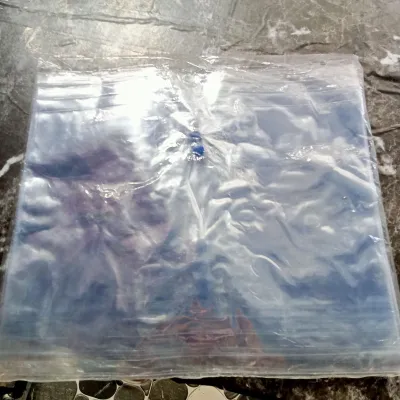
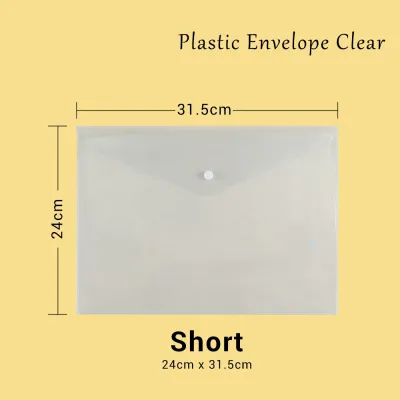
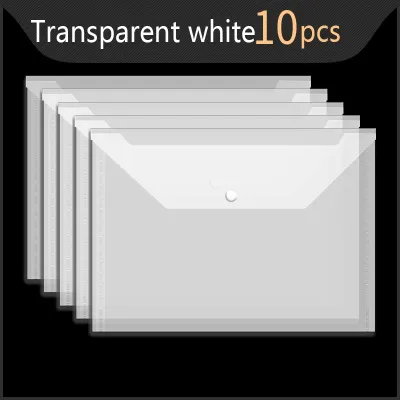
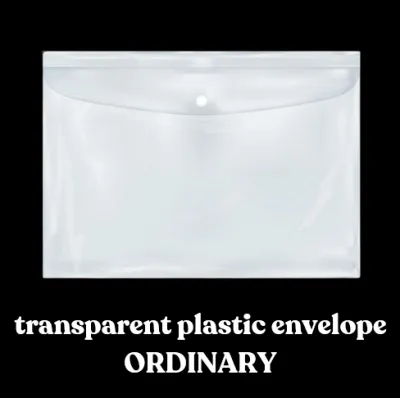
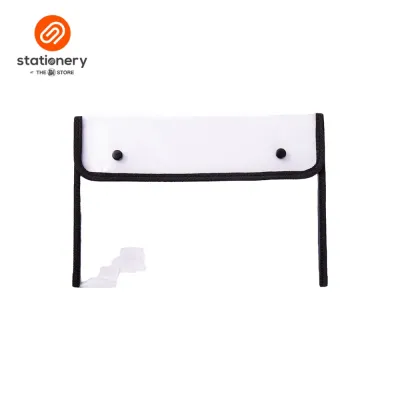
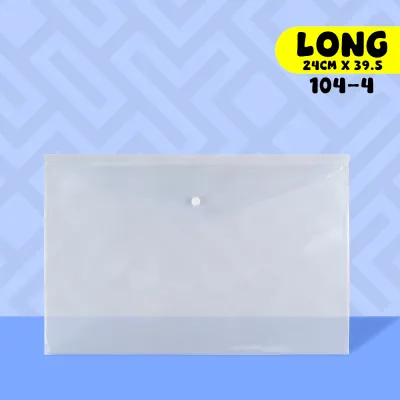
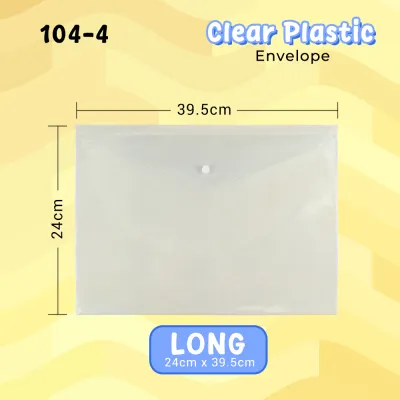
Prices are valid at publication and may change. Please refer to the product page for the latest price.
Your daily routine also dictates the physical demands placed on the plastic. If you are a commuter navigating public transit, your bags are constantly compressed, shifted, and exposed to the elements. An envelope floating in a packed backpack needs rigid edges and a highly secure closure to prevent other items from crushing your papers. Conversely, if you are organizing documents for a static filing cabinet or a home shelf, a simpler, highly transparent sleeve is often more practical.
Environmental factors play a massive role in document preservation, especially in tropical climates. High humidity can cause standard paper to absorb moisture from the air, making it limp, wavy, and susceptible to mold. Accidental liquid spills from water bottles or sudden rainstorms can instantly ruin unprotected ink. You must decide whether you need a fully sealed, water-resistant envelope to block out atmospheric moisture or a simple open-top cover for basic desk organization.
Match Plastic Envelop Dimensions to Your Paper Sizes
Paper standards vary significantly depending on the context, and choosing an envelope with the wrong dimensions will inevitably damage your documents. Always check the exact dimensions of your papers before buying.

Standard A4 and Letter Sizes
A4 paper (210mm x 297mm) is the global standard for most academic materials, international corporate correspondence, and school worksheets. Meanwhile, Letter size (8.5 x 11 inches or 216mm x 279mm) remains common in specific multinational corporate offices and standard business letters. While these two sizes are relatively close in dimensions, trying to fit A4 paper into an envelope strictly designed for Letter size can cause the top corners of your sheets to bend or catch in the zipper.
F4 / Folio (Legal) Sizes
In the Philippines, the standard “long bond paper” is typically F4 or Folio size (8.5 x 13 inches or 215mm x 330mm). This is distinct from US Legal size (8.5 x 14 inches or 216mm x 356mm). Government agencies, local courts, real estate developers, and school modules heavily rely on F4 paper. When shopping, look specifically for envelopes labeled “Long” or “F4” to accommodate these longer sheets. Forcing F4 documents into an A4 envelope will bend the top two inches of your paperwork, ruining official seals and signatures.
Smaller Formats (A5 and Receipt Sizes)
Not all documents are large. Petty cash vouchers, government IDs, medical cards, and thermal receipts require compact organization. Storing these small papers in a large A4 envelope leads to clutter, as they slide around and pool at the bottom. Dedicated A5 or receipt-sized envelopes keep these small slips flat, organized, and easy to retrieve during audits or tax filings.
Internal vs. External Dimensions
Always distinguish between the external dimensions of the envelope and its usable internal space. If you plan to store thick stacks of paper, a flat envelope will bulge, reducing its effective width and height. For documents with rigid bindings, stapled corners, or thick cardstock covers, choose an expanding plastic envelope with a built-in bottom gusset. This extra depth ensures your papers sit flat without their edges curling against the seams.
Select the Right Closure Type for Your Workflow
The closure mechanism of your plastic envelope determines how quickly you can access your documents and how securely they remain inside.
Button and String Closure
The traditional button and string closure features two plastic buttons wrapped with a durable tension string. This design is highly reliable for archiving and securing thick stacks of paper. Because there are no moving mechanical parts, there is no zipper to jam or snap to break. However, opening and closing a button-and-string envelope requires two hands and a few seconds of coordination. Over years of heavy daily use, the string can fray or detach, meaning this style is best reserved for long-term storage or documents you only access occasionally.
Zipper Closure
For active users who need rapid, one-handed access, a zipper closure is the most practical choice. These envelopes often feature a plastic slider that glides along a track, or a traditional metal zipper on a fabric border. They are ideal for students, teachers, and sales representatives who must pack and unpack their bags multiple times a day. When purchasing, visually inspect the slider track to ensure it is aligned and glides smoothly. Lower-quality plastic zippers can split or snag on the internal plastic mesh, rendering the envelope difficult to close.
Snap Seal and Press-Lock
Snap seals utilize a simple plastic press-stud or button that clicks into place. This closure is incredibly convenient for flat documents and quick desk filing, as it can be popped open with a single thumb. However, snap seals have limited capacity. If you overfill the envelope or insert a highly rigid stack of papers, the internal pressure will easily force the snap open inside your bag, spilling your files. Use snap seals strictly for thin, lightweight document sets.
Open Top or Flap Tuck
Open-top envelopes or those with a simple tuck-in flap have no mechanical closures at all. They rely on a simple fold of plastic to keep the contents covered. These are excellent as inner sleeves within a larger binder, or for separating projects on a static office desk. However, you should never use open-top envelopes for loose carry inside a backpack or tote bag. Without a secure seal, your papers will inevitably slide out when the bag is tilted or dropped.
Verify Material Thickness and Transparency
Not all plastics are created equal. To ensure your envelope lasts, you must evaluate the material’s physical properties rather than relying on vague marketing terms like “heavy-duty.”
Thickness Indicators
Look for thickness specifications, often measured in millimeters (mm) or mils. A standard, budget-friendly envelope is typically around 0.15mm to 0.18mm thick, which is suitable for light office use and usually costs under ₱50. For daily carry, look for premium options that are 0.20mm to 0.35mm thick. Thicker plastic provides structural rigidity, preventing your papers from bending when your bag is packed tight. It also resists punctures from sharp staples, paper clips, or pen tips.
Transparency Levels
Your choice of transparency should match your privacy needs. Clear plastic envelopes allow for instant visual identification of the contents, which is perfect for students managing multiple subjects. Frosted or semi-transparent envelopes offer a middle ground, showing the general shape of the documents while keeping specific text unreadable from a distance. Opaque envelopes are essential for highly confidential files, such as payroll slips, medical records, or personal identification documents, ensuring complete privacy during transit.
Seam and Edge Inspection
The weakest point of any plastic envelope is its seams. High-quality envelopes feature wide, uniform, heat-welded seams that resist splitting. When inspecting a product, look closely at the corners and edges. If you notice uneven welding, thinning plastic near the borders, or tiny gaps in the seal, the envelope is highly likely to split open under the pressure of a thick document stack. Additionally, check for acid-free or “copy-safe” labels on the packaging; non-archival plastics can react with laser toner, causing the printed text to lift off the paper and stick to the plastic over time.
Quick Selection Matrix by Use Case
Use the following matrix to quickly identify the best plastic envelope specifications for your specific everyday scenarios.
| Use Case | Recommended Size | Best Closure Type | Ideal Transparency |
|---|---|---|---|
| Student Daily Carry | A4 or F4 (Long) | Zipper Closure | Clear or Frosted |
| Legal & Government Archive | F4 (Long) | Button and String | Frosted or Opaque |
| Receipt & Voucher Tracking | A5 or Small Pocket | Snap Seal or Zipper | Clear |
| Confidential HR Filing | A4 | Button and String | Opaque |
| In-Office Desk Sorting | A4 or Letter | Open Top / Flap Tuck | Clear |
Before finalizing your purchase, always perform a quick physical test. Open and close the zipper or snap seal several times to verify its smoothness. Gently tug on the side seams to ensure they are fully bonded and will not split during your daily commute. If you are unsure of the envelope’s water-resistance or ink-safety, run a quick trial: place a scrap piece of printed paper inside, lightly press it, and check if any ink transfers to the plastic after a few hours under weight.
Frequently Asked Questions (FAQ)
Can I use a plastic envelope to store thermal receipts long-term?
No, standard plastic envelopes are not recommended for the long-term storage of thermal receipts. Thermal paper uses a chemical coating that is highly sensitive to heat, light, and certain plasticizers found in common plastics like PVC. Direct contact with these plastics can accelerate chemical breakdown, causing the printed ink to fade completely within a few months. If you must store receipts for legal or tax purposes, keep them in a cool, dark, and dry drawer, or use archival-quality, acid-free polypropylene sleeves specifically certified as copy-safe.
How do I clean a dirty plastic document envelope?
Cleaning a plastic envelope is a simple, low-risk process. First, remove all paper contents from the envelope. Wipe the exterior and interior surfaces with a slightly damp microfiber cloth and a drop of mild dish soap. Avoid using harsh chemical solvents, alcohol-based wipes, or abrasive scrubbing pads, as these can cloud the plastic or weaken the heat-welded seams. Most importantly, allow the envelope to air dry completely in a well-ventilated area before reinserting any papers. Any trapped moisture can ruin your documents, cause ink to smudge, or lead to mold growth in humid environments.
Community discussion
Share your experience or ask a question. Comments are reviewed before publication.