
Selecting the best plastic packaging materials for wrapping candies requires matching the film’s physical properties to the specific moisture sensitivity, fat content, and storage needs of your confections. For most candy makers, food-grade Biaxially Oriented Polypropylene (BOPP) offers the most reliable moisture barrier and clarity, while coated cellophane provides the classic, stiff twist-wrap required for hard candies. Choosing the wrong film can lead to sticky, melted sweets or stale, hardened textures, especially in warm and humid tropical climates. By evaluating clarity, sealability, and food-contact certifications, you can ensure your candies remain fresh, visually appealing, and safe for consumption.
Identifying Your Candy Wrapping Requirements
To select the correct wrapping material, you must first analyze how your specific candy interacts with its environment. Candies are highly sensitive to external factors like humidity, air exposure, and physical handling. In tropical environments where relative humidity is consistently high, moisture control is the single most critical factor in preserving shelf life.
Hygroscopic candies, such as hard candies, lollipops, and traditional caramels, actively absorb moisture from the surrounding air. Without a high-performance moisture barrier, these candies quickly become sticky, lose their shape, and dissolve. Conversely, soft candies like gummies, marshmallows, and chewy taffies can dry out and become unpleasantly hard if they lose their natural moisture content. Your packaging must act as a two-way shield, keeping external humidity out of hard candies while locking internal moisture inside chewy treats.
Products mentioned in this guide
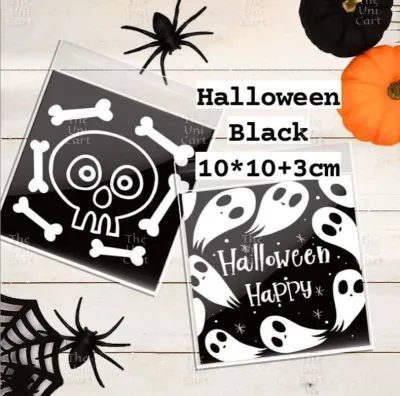
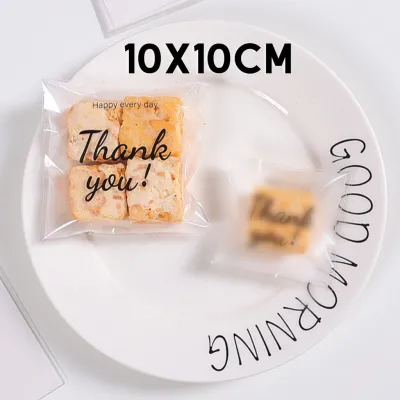
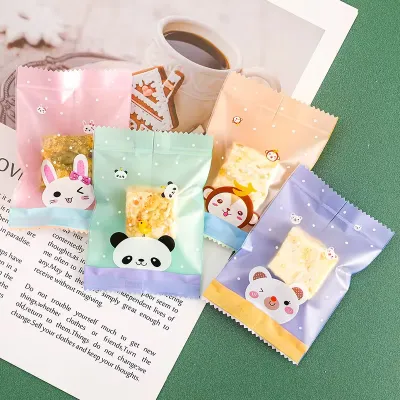
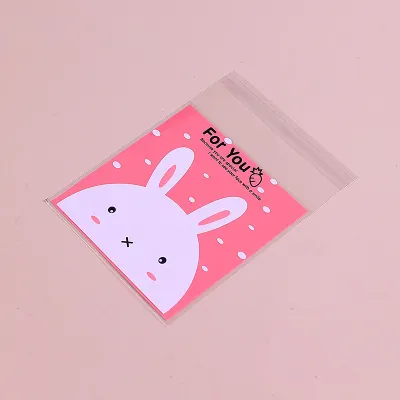
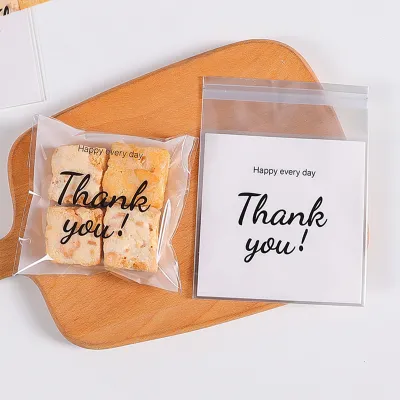
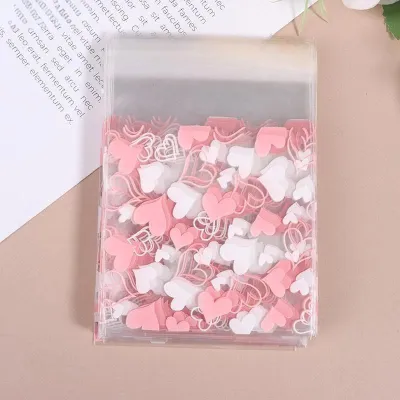
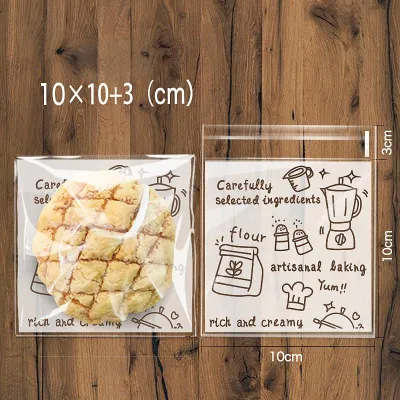
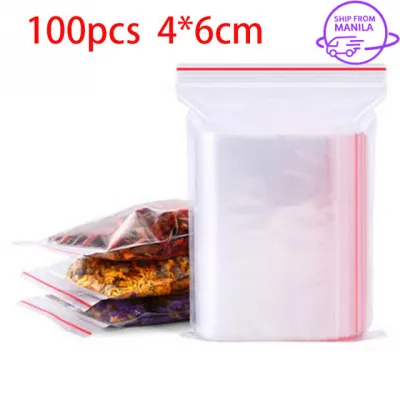
Prices are valid at publication and may change. Please refer to the product page for the latest price.
Fat content and odor sensitivity also dictate your material choice. Chocolates, truffles, and nut-based candies contain delicate fats that can oxidize or absorb surrounding odors from the air or even from the packaging material itself. For these items, you need a material with excellent grease resistance and strong odor-blocking capabilities to prevent the transfer of unwanted plastic scents.
Finally, consider your presentation and handling goals. If you want your colorful confections to stand out on retail shelves, high-clarity films are essential. If you are wrapping individual pieces manually, you will need a material with high stiffness and dead-fold characteristics, which allow the film to stay twisted without springing open. For bulk packaging or multi-packs, heat-shrinking or tight heat-sealing properties will be your primary focus.
Comparing Common Clear Films for Candy Packaging
When evaluating clear films for candy packaging, it is helpful to use a consistent framework based on clarity, stiffness, heat-sealability, and moisture resistance. Different plastics behave uniquely under stress, heat, and humidity, meaning a material that works perfectly for a rigid gift box may fail when used as a twist-wrap.

It is vital to understand that material names alone—such as cellophane or polypropylene—do not guarantee that a specific roll or bag is safe for direct food contact. Manufacturers produce these plastics in various grades, some of which contain industrial slip agents, plasticizers, or chemical coatings that are unsafe for consumables. Always verify the specific product grade and request manufacturer specifications to confirm food-contact safety before purchasing any wrapping material.
Cellophane and Plant-Based Films
True cellophane is a traditional, plant-based film made from regenerated cellulose. Because it is derived from natural wood or hemp fibers, uncoated cellophane is highly breathable and allows moisture vapor to pass through easily. This breathability makes uncoated cellophane unsuitable for protecting hygroscopic hard candies in humid climates, as the candies will quickly absorb moisture and melt.
To overcome this limitation, manufacturers apply thin barrier coatings to cellophane, such as nitrocellulose or polyvinylidene chloride (PVDC). These coatings dramatically improve moisture and gas resistance. When sourcing cellophane, you must check the manufacturer’s technical datasheets to confirm which specific coatings are applied and verify that these coated variants are explicitly rated for direct food contact.
Cellophane is highly prized for its exceptional clarity and natural stiffness. It possesses excellent dead-fold properties, meaning it holds a twist tightly without unraveling, making it the classic choice for individually wrapped hard candies and caramels. However, cellophane is prone to tearing if it becomes too dry or is handled roughly, so proper storage of your unused wrapping stock is essential.
PVC and Heat-Shrink Films
Polyvinyl Chloride (PVC) shrink films are widely used for creating tight, form-fitting wraps around individual items or bundling multiple candy packages together. PVC offers outstanding clarity and gloss, making the packaged products look highly professional and tamper-evident. When heat is applied, the film shrinks uniformly to contour perfectly to the shape of the container or candy box.
However, you must exercise extreme caution when sourcing PVC films. Many industrial-grade or hardware-grade PVC shrink wraps contain phthalates and other plasticizers that are not safe for direct food contact. You must verify that the specific PVC product you choose is explicitly labeled and certified as food-grade. If you cannot find clear food-contact documentation from the supplier, do not allow the film to touch the candies directly; instead, use it only as an outer overwrap for already-protected items.
Additionally, using heat-shrink films requires careful temperature management. You must check the manufacturer’s recommended temperature settings for your heat gun or shrink tunnel. Applying excessive heat can easily melt delicate candies like chocolates or cause the film to degrade, release unpleasant odors, or burn.
Polypropylene (PP) and Polyethylene (PE)
Polypropylene (PP) and Polyethylene (PE) are the workhorses of modern flexible food packaging. Among these, Biaxially Oriented Polypropylene (BOPP) is highly favored for candy packaging. BOPP undergoes a stretching process during manufacturing that aligns its molecular structure, resulting in exceptional clarity, high tensile strength, and an outstanding moisture barrier. It is stiff, crinkly to the touch, and highly compatible with high-speed flow-wrapping machines and heat sealers, making it ideal for pre-made candy bags and sealed wrappers.
In contrast, Polyethylene (PE) offers a softer, more flexible, and stretchable texture. Low-Density Polyethylene (LDPE) is commonly used for heavy-duty candy bags because of its high tear resistance and excellent seal strength. However, PE generally provides lower clarity than BOPP, often appearing slightly hazy or matte, and it lacks the crisp stiffness required for elegant twist-wrapping.
When purchasing either PP or PE rolls, sheets, or pre-made bags, always look for explicit food-grade certifications printed on the packaging or detailed in the supplier’s product specifications. This ensures the plastic is free from harmful additives and is safe for direct contact with your confections.
Verifying Food Safety and Freshness Standards
Ensuring your packaging materials meet strict food safety standards is non-negotiable when wrapping items for consumption. You must actively look for explicit “food-grade,” “food-contact safe,” or equivalent local and international regulatory compliance labels on the product packaging or supplier datasheets. These labels guarantee that the plastic does not migrate harmful chemicals into your candies over time.
If you require precise shelf-life extension for commercial distribution, you should request the technical specifications from the manufacturer to verify two key performance metrics: Moisture Vapor Transmission Rate (MVTR) and Oxygen Transmission Rate (OTR). A lower MVTR indicates a stronger barrier against humidity, which is essential for keeping hard candies dry. A lower OTR indicates a superior barrier against oxygen, which prevents the fats in chocolates and nuts from turning rancid.
Avoid the temptation to use generic craft plastics, decorative gift bags, or hardware-store shrink films for direct food contact. These products are often manufactured in facilities that do not follow food-safe hygiene standards, and they may contain heavy metals, unapproved dyes, or chemical residues that can contaminate your food. Similarly, avoid sourcing unverified, unbranded packaging supplies from general online marketplaces where food-grade claims cannot be officially backed by manufacturer datasheets.
When budgeting for your packaging needs, compare bulk pricing in ₱ only among verified, reputable food-grade packaging suppliers. While non-certified industrial plastics may appear cheaper initially, the risk of food spoilage, chemical contamination, and regulatory non-compliance far outweighs any short-term cost savings. Investing in certified materials ensures both the safety of your consumers and the integrity of your brand.
Matching Materials to Specific Candy Types
To make your final selection, you must match the physical properties of your chosen film to the specific requirements of your candy category.
For hard candies and lollipops, your primary goal is to combat humidity. Choose high-moisture-barrier materials such as coated cellophane or BOPP. These films prevent the candies from absorbing atmospheric moisture, which causes them to become sticky, lose their glossy finish, and undergo sugar crystallization. If you prefer a traditional look, coated cellophane’s excellent dead-fold properties will keep individual twist-wraps secure.
For chocolates, truffles, and fat-rich confections, prioritize grease-resistant materials with strong odor-blocking properties. Uncoated plastics can sometimes transfer a synthetic, chemical smell to chocolate, which easily absorbs external odors due to its high cocoa butter content. Look for high-barrier BOPP or specialized food-grade foil-laminated films that block light, oxygen, and external scents while keeping the chocolate’s natural oils contained.
For gummies, caramels, and chewy candies, select materials with excellent heat-seal capabilities, such as PE-lined bags or sealable PP films. A tight heat seal is necessary to maintain the internal moisture balance of these candies, preventing them from drying out, shrinking, and turning rock-hard on the shelf.
Before committing to a large packaging run or purchasing materials in bulk, always perform a small-batch test. Wrap a small quantity of your candies using your chosen material and sealing method, then store them in your typical storage environment for several days. Observe the candies for any signs of stickiness, moisture loss, or odor transfer, and check the strength of your seals to ensure the packaging performs reliably under real-world conditions.
Frequently Asked Questions (FAQ)
Can I use regular craft cellophane bags for selling homemade candies?
No, you should not use regular craft cellophane or generic decorative bags for selling or distributing homemade candies. Craft-grade plastics are designed for non-food applications and are not subject to the strict manufacturing and hygiene standards required for food-contact materials. They may contain unapproved chemical additives, plasticizers, or industrial dyes that can leach into your candies. Always verify that your packaging materials have explicit food-contact compliance documentation before using them for any consumable products.
How do I seal plastic candy wrappers without a commercial heat sealer?
If you do not have a commercial heat sealer, you can seal compatible heat-sealable films like PE or PP using a household hair straightener or a flat iron. To do this safely, place a protective barrier like parchment paper between the plastic film and the heated metal plates to prevent the plastic from melting directly onto your appliance. Always test this method on a scrap piece of film first to find the correct speed and pressure, and avoid using direct, uncontrolled heat on non-sealable materials like uncoated cellophane, which can burn or release unpleasant fumes.
Community discussion
Share your experience or ask a question. Comments are reviewed before publication.