
Finding the perfect pop up gift box requires looking beyond the outer cardboard walls. Unlike standard rigid gift boxes, a pop-up box features an internal mechanism—often a folding paperboard structure, a 3D card, or an elastic-driven element—that springs to life when the lid is lifted. To choose the right size, you must balance the physical dimensions of your present with the clearance required by this internal mechanism, ensuring the gift fits comfortably without crushing the delicate paper engineering inside.
In the Philippines, where high tropical humidity can naturally soften paper fibers over time, selecting a box with adequate structural clearance is even more critical. A tight fit combined with moisture-laden air can cause the box walls to bow or the pop-up mechanism to sag, ruining the surprise. By understanding how to measure your item and decode manufacturer specifications, you can ensure your presentation remains flawless from the moment it is wrapped to the final reveal.
How to Measure Your Present for a Pop Up Box
To find the ideal box size, start by measuring your gift at its absolute widest, longest, and tallest points. Use a firm ruler or a sewing tape measure rather than guessing. If you are wrapping an irregular item, such as a handmade ceramic mug or a pair of native leather sandals, measure the outermost protrusions, including handles, straps, or decorative embellishments. Write down these three core dimensions: length, width, and height.
Products mentioned in this guide
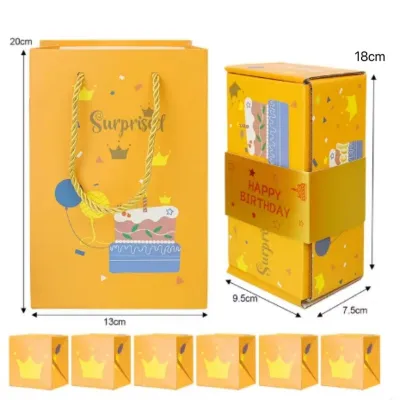
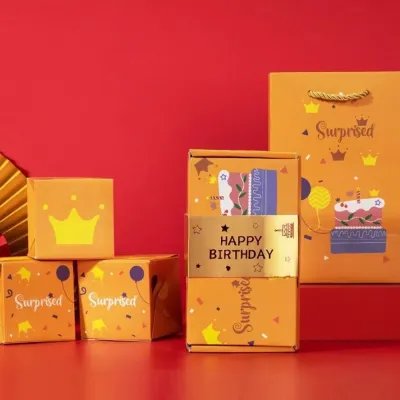
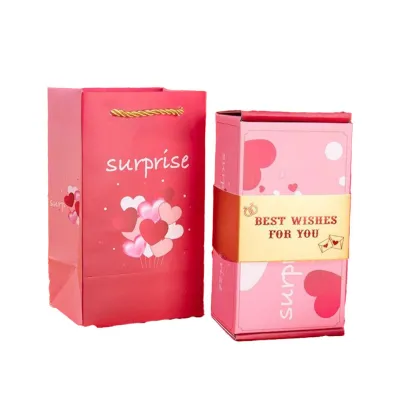
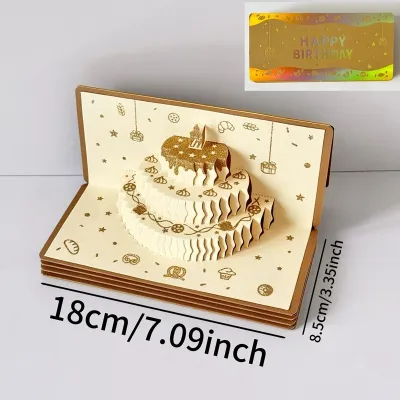
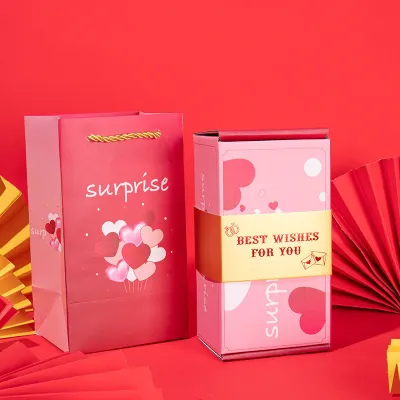
Prices are valid at publication and may change. Please refer to the product page for the latest price.
Once you have the base measurements, you must calculate the clearance required for protective wrapping. Placing a bare item directly into a paperboard box can lead to scuffs or shifting during transport. If you plan to use shredded paper, delicate tissue sheets, or protective bubble wrap, add at least 1.5 to 2 centimeters of clearance to each side of your measurements. This buffer ensures the item sits cushioned in the center rather than scraping against the inner walls.
Fragile items demand even greater care and extra padding around delicate edges. For instance, a glass ornament or a delicate picture frame needs thick cushioning to absorb shocks. When wrapping these items, measure the object with its protective wrapping already applied. This wrapped dimension serves as your true baseline, preventing the common mistake of buying a box that fits the bare item but cannot accommodate the necessary protective layers.
Decoding Pop Up Gift Box Dimensions and Usable Space
When browsing online marketplaces or local stationery shops, you will often see dimensions listed on the product packaging. However, these numbers typically represent the exterior dimensions of the box when fully assembled and closed. The actual usable interior space is always smaller, sometimes significantly so, due to the thickness of the paperboard and the space occupied by the folded pop-up mechanism.

The internal pop-up mechanism—whether it is a pop-up flower, a festive greeting card, or a multi-layered paper sculpture—must fold flat when the box is closed. This folded structure occupies physical volume at the bottom, sides, or lid of the box. Consequently, a box listed as 15x15x15 centimeters might only offer 13x13x11 centimeters of actual usable space once the folded mechanism and its structural anchors are taken into account. If your gift presses against these folded elements, it can jam the mechanism, preventing it from popping up when opened.
To avoid sizing errors, look closely at the product labels or online descriptions for terms like “internal dimensions,” “usable interior space,” or “clearance height.” If the manufacturer only lists external dimensions, a reliable rule of thumb is to subtract at least 2 to 3 centimeters from the height and 1 to 2 centimeters from the length and width to estimate the usable space. When in doubt, check customer reviews for photos of the box open, or perform an observable trial in-store by gently placing a mock-up of your gift inside the box before purchasing.
Matching Box Sizes to Different Gift Types
Selecting the right box profile is not just about numbers; it also depends on the physical characteristics of the gift itself. Different materials react differently to pressure and confinement, requiring distinct sizing strategies.
Fragile and Rigid Items
Rigid items, such as ceramic mugs, wooden desk organizers, or glass perfume bottles, allow zero room for error. Because these materials cannot compress, they require strict internal dimension matching. The box must be large enough that the rigid item never presses against the internal pop-up structure, even when the box is shaken or tilted during transit.
When wrapping rigid gifts, plan for dedicated space to accommodate custom cardboard inserts, molded foam, or generous layers of bubble wrap. The padding should hold the item securely in place so it does not slide around and collide with the delicate paper pop-up.
Before sealing the box, verify that the lid closes smoothly and lies completely flat without applying any downward pressure on the rigid gift. If you feel resistance when closing the lid, the item is too tall or bulky for that specific box, and forcing it will likely crush the pop-up mechanism or tear the outer paperboard.
Soft and Compressible Items
Soft items, such as knitted scarves, cotton t-shirts, or plush toys, offer more flexibility. Because these materials can be folded, rolled, or gently compressed, you can often opt for a slightly tighter fit if the box dimensions are close to the item’s uncompressed size.
However, you must ensure that the internal pop-up elements do not snag, crease, or leave permanent marks on delicate fabrics. Silk scarves, lace, or embroidered items can easily catch on the sharp paper edges of a pop-up card. To prevent this, wrap the soft item in a protective sheet of smooth acid-free tissue paper before placing it in the box.
Additionally, check that the box maintains its clean, rectangular shape once closed. Even though soft items compress, over-packing can cause the paperboard walls to bulge outward. This bulging prevents the lid from sealing properly and ruins the clean, premium aesthetic of the gift presentation.
Irregular or Bulky Shapes
Irregularly shaped gifts, such as a potted succulent, a curved sculpture, or a set of local artisanal kitchen utensils, present unique wrapping challenges. To establish a baseline measurement for these items, use the “bounding box” method. Imagine a hypothetical rectangular prism that completely encloses the item, and measure the length, width, and height of this imaginary box.
Next, evaluate whether the internal pop-up mechanism restricts the usable shape of the box. For example, a central pop-up column might split the interior space into two smaller halves, making it impossible to center a single bulky item. In such cases, you may need a specialized box profile where the pop-up element is offset to one side or attached to the inside of the lid.
If the item’s geometry fundamentally conflicts with the structured interior of a pop-up box, it is best to consider alternative wrapping solutions. Forcing an awkwardly shaped, heavy, or highly irregular item into a delicate pop-up structure often results in a torn box and a failed presentation. Instead, wrap the irregular item in premium wrapping paper and use a smaller, separate pop-up card alongside it.
Common Sizing Mistakes to Avoid When Wrapping
One of the most frequent mistakes is relying solely on the exterior dimensions printed on the box packaging. It is easy to assume that a 10-centimeter item will fit perfectly inside a 10-centimeter box, but this ignores the thickness of the paperboard walls and the internal structural folds. Always measure the interior usable space, keeping in mind that the pop-up mechanism requires its own dedicated zone to function.
Another common oversight is forgetting to account for the thickness of the pop-up card or structural base when it folds flat inside the box. When the box is closed, the pop-up mechanism compresses into a dense layer of folded paperboard at the bottom or sides. If your gift is tall enough to press against this folded layer, the pressure can bend the delicate paper hinges, causing the mechanism to jam or fail to pop up when the recipient opens the lid.
Finally, avoid the temptation to overstuff the box with decorative fillers like shredded paper or wood wool. While a full box looks festive, excessive filler can migrate during transport, wedging itself inside the folds of the pop-up mechanism. This can crush the delicate paper engineering, tear the structural joints, or prevent the lid from sealing securely, turning a premium unboxing experience into a frustrating mess.
Frequently Asked Questions (FAQ)
Can I use a pop up gift box for heavy items?
Pop-up gift boxes are generally designed for lightweight to medium-weight items, such as stationery, light apparel, or small accessories. Heavy items, like thick books, stone coasters, or metal tools, can easily overwhelm the delicate paperboard structure. Before using a pop-up box, check the manufacturer’s stated weight capacity or inspect the thickness of the base. If the item causes the bottom of the box to sag or bow when lifted, the paperboard is too thin. In these cases, you should reinforce the base with a thick piece of corrugated cardboard or choose a rigid, non-pop-up alternative to ensure the gift remains secure.
What if my gift is slightly larger than the box's internal dimensions?
If your gift exceeds the internal dimensions of the box by even a few millimeters, do not attempt to force it inside. Forcing a tight fit will put constant pressure on the box walls and the internal pop-up mechanism, which can tear the corners, warp the paperboard, or prevent the lid from closing. Instead, try removing any unnecessary external packaging from the gift itself, such as bulky plastic hangers or outer cardboard sleeves, to reduce its footprint. If the item still does not fit comfortably with adequate clearance, it is best to select the next larger box size or use a different wrapping method to preserve the integrity of both the gift and the presentation.
Community discussion
Share your experience or ask a question. Comments are reviewed before publication.