
Selecting the perfect pop-up snowman card requires balancing structural paper engineering with the recipient’s personal taste. Unlike flat greeting cards, a three-dimensional pop-up card is both a message and a physical keepsake. To make the right choice, you must evaluate the card’s paper weight, mechanical durability, and visual style against the nature of your relationship with the recipient. In tropical climates like the Philippines, where the novelty of a snowy winter scene brings a delightful contrast to the warm holiday season, choosing a card with robust construction is especially important to ensure the delicate paper mechanisms withstand local humidity and transit.
Key Factors to Consider Before Buying
When evaluating a pop-up snowman card, the physical quality of the paper is your first line of defense against a disappointing presentation. Look for cards constructed from heavy cardstock, ideally between 250 to 300 GSM (grams per square meter). Thicker paper ensures that the intricate folds, pivot points, and tabs of the snowman mechanism remain rigid and upright when opened. In humid environments, lightweight paper easily absorbs moisture from the air, causing the structural elements to sag, warp, or fail to pop up entirely.
The complexity of the laser-cut design also dictates how well the card survives handling. While highly intricate designs featuring delicate snowflakes, fine tree branches, and detailed snowman silhouettes are visually stunning, they possess more failure points. If the paper bridges between cuts are too thin, they can easily tear during shipping or when the recipient opens the card. Examine the structural joints of the pop-up mechanism; they should be reinforced or wide enough to distribute the tension of opening and closing repeatedly.
Products mentioned in this guide
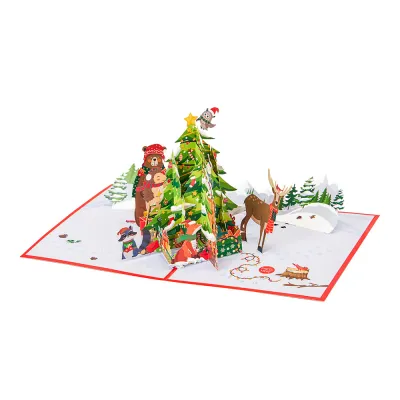
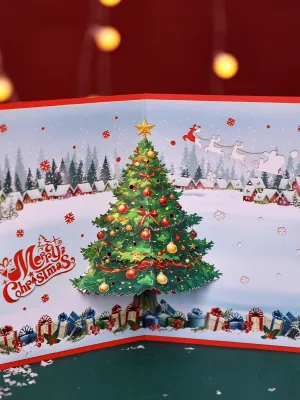
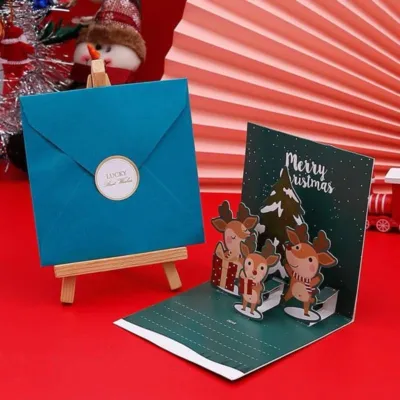
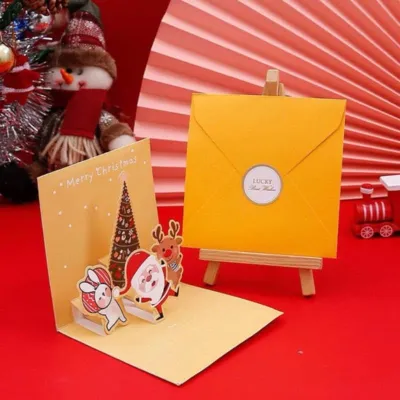
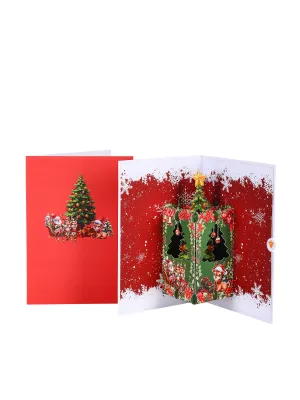
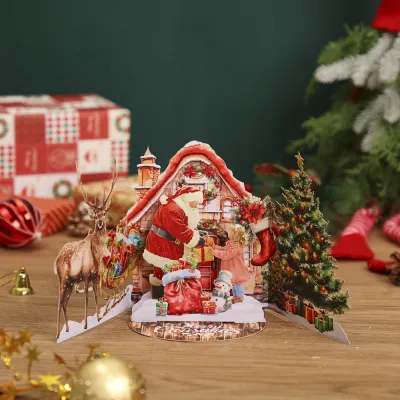
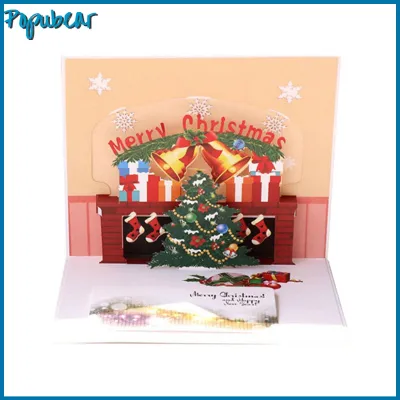
Prices are valid at publication and may change. Please refer to the product page for the latest price.
Envelope compatibility is another critical factor that is often overlooked until the moment of mailing. A pop-up card is naturally thicker than a standard flat card, even when fully compressed. Ensure the provided envelope is made of heavy-duty paper (at least 120 GSM) and offers a few millimeters of clearance around the edges. If the envelope is too tight, the constant pressure can crush the internal folds, crease the snowman’s head, or cause the adhesive joints to pop open prematurely.
Lastly, assess the available writing space. Intricate pop-up designs often occupy the entire center fold, leaving very little room for a handwritten message. Look for cards that include a slide-out note tag, a blank back panel, or a dedicated border area where you can write. When writing your message, consider the paper’s finish; glossy or coated cardstock requires a quick-drying gel pen or a fine-tip permanent marker to prevent smudging, whereas matte, uncoated paper is highly receptive to standard ballpoint and fountain pen inks without bleeding.
Best Pop-Up Snowman Styles for Children
For younger recipients, a pop-up card should function more like an interactive toy than a static piece of art. Look for snowman designs that incorporate playful mechanical elements, such as pull-tabs that make the snowman wave, spinning snowflakes, or sliding elements that reveal hidden winter animals. These interactive features capture a child’s attention and encourage them to engage with the card repeatedly, turning a simple holiday greeting into a memorable sensory experience.

The visual theme should lean toward bright, saturated colors and cheerful, narrative-driven illustrations. Instead of a solitary, minimalist snowman, choose designs where the snowman is depicted participating in fun winter activities, like sledding, building a snow castle, or playing with friendly forest creatures. High-contrast color palettes featuring vibrant blues, reds, and greens are far more appealing to children than muted, monochromatic, or rustic color schemes.
Because children are naturally enthusiastic and hands-on, durability is paramount. Prioritize cards made with reinforced paper hinges and thick, laminated cardstock that resists tearing and finger smudges. Avoid cards with ultra-fine, hair-thin laser cuts, as these can easily snag on small fingers and rip. The pop-up mechanism should be simple and robust, designed to snap back into place even if the card is opened roughly or bent backward.
Safety must also guide your selection when gifting to very young children. Inspect the card design to ensure there are no small, loosely glued embellishments like plastic sequins, tiny pom-poms, or loose glitter that could detach and pose a choking hazard. If the card features sound chips or LED lights, verify that the battery compartment is securely sealed within the paper layers and cannot be easily accessed by curious hands.
Thoughtful Designs for Friends and Family
When choosing a pop-up snowman card for close friends and family members, the design should evoke a sense of warmth, shared history, or shared humor. For those who appreciate sentimentality, look for cozy, nostalgic scenes such as a classic snowman standing outside a glowing, snow-covered cottage or a family of snowmen gathered under a starry winter sky. These designs pair beautifully with heartfelt, reflective messages and serve as beautiful holiday decorations that family members will proudly display on their living room tables or shelves.
If your relationship is built on laughter and lighthearted banter, a humorous snowman card is an excellent alternative. Seek out whimsical illustrations, such as a snowman wearing funny tropical sunglasses, a melting snowman complaining about the heat, or playful snowmen getting into mischief. These lighthearted designs break the monotony of traditional holiday greetings and immediately bring a smile to your friend’s face, making your card stand out in their holiday collection.
Personalization is key to making a card feel truly special, so look for designs that offer ample space for customization. Some pop-up cards feature clever slots where you can insert a family photo, a gift card, or a small handwritten recipe. Having a dedicated, clean writing surface allows you to pen longer messages, share updates from the past year, or write down inside jokes that reinforce your personal bond.
If you have a large extended family or a wide circle of close friends, purchasing matching sets or multi-packs from specialized online stationery stores is a practical and cohesive option. Look for curated box sets that feature a unified artistic style but offer slight variations in the snowman scenes. This allows you to send high-quality, structurally consistent cards to everyone on your list while still tailoring the specific scene to match each individual’s personality.
Professional and Elegant Options for Colleagues
Selecting a pop-up card for coworkers, clients, or supervisors requires a careful balance of holiday cheer and professional decorum. Opt for subtle, sophisticated designs that showcase elegant paper engineering rather than loud, cartoonish graphics. Monochromatic color schemes, minimalist white-on-white paper cuts, and tasteful metallic foil accents—such as gold or silver embossing along the snowman’s scarf or the surrounding snowflakes—convey a sense of high-quality craftsmanship and respect.
The written messaging on the card should remain inclusive, neutral, and universally appropriate for a diverse workplace. Choose cards with simple, classic greetings like “Warmest Wishes,” “Season’s Greetings,” or “Happy Holidays” rather than highly specific or overly familiar sentiments. If the card is completely blank inside, it gives you the flexibility to write a brief, polite note thanking them for their collaboration over the past year.
Desk space is often limited in a professional office environment, so compact sizing is a practical consideration. Choose a pop-up card with a modest footprint, such as a standard 5×7 inch or a smaller square format. When opened, the snowman should stand upright without sprawling across the desk or obstructing computer monitors and keyboard spaces. A compact, elegant card can sit neatly on a cubicle shelf or office desk, serving as a tasteful festive accent throughout the season.
If you are distributing cards to an entire department or a large client list, budget efficiency is essential. Look for high-quality bulk packs that offer elegant designs at a reasonable price per unit, typically ranging from ₱100 to ₱250 per card when purchased in sets. Buying in bulk ensures that all your professional contacts receive a greeting of equal quality, maintaining a standard of fairness and professionalism across your workplace relationships.
Where to Buy and What to Check Before Checkout
Finding the right pop-up snowman card involves exploring different retail channels to match your specific needs for variety, quality, and convenience. Specialized online stationery stores and independent paper craft shops offer the highest quality designs, often featuring unique, hand-assembled mechanisms and premium paper stocks. If you prefer to inspect the paper texture and test the pop-up mechanism in person, visiting local craft boutiques or high-end bookstores allows you to feel the cardstock thickness and verify the structural integrity before spending your money.
When ordering online, pay close attention to the packaging and shipping protection offered by the seller. Because pop-up cards are highly susceptible to bending and crushing, they should always be shipped in rigid, cardboard-backed mailers or protective bubble sleeves. Before finalizing your purchase, check the product description or contact the seller to confirm that the cards are packaged flat with protective cardboard inserts to prevent corner dings and creased hinges during transit.
Customer feedback is an invaluable resource when shopping on general online marketplaces. Scroll through the reviews and look for buyer-uploaded photos and videos that demonstrate the card in action. Pay attention to comments mentioning whether the card opens smoothly, if the colors match the product photos, and if the envelope adhesive is secure. If multiple reviews complain about torn paper joints, misaligned folds, or envelopes that are too small for the folded card, it is best to look for an alternative option.
Finally, review the seller’s return and replacement policies, especially when purchasing intricate paper crafts or buying in bulk. Even with careful packaging, delicate laser-cut elements can occasionally sustain damage during shipping. Ensure the retailer offers a clear, hassle-free return or replacement policy for defective items, giving you peace of mind that you can quickly replace any damaged cards before the holiday mailing deadline.
Frequently Asked Questions (FAQ)
Do pop-up cards require extra postage?
Yes, pop-up cards often require extra postage compared to standard flat greeting cards. Because of the multiple layers of cardstock and the folded mechanical structures inside, these cards are typically heavier and significantly thicker than a standard letter. Most postal services determine postage rates based on both weight and thickness; if a card exceeds the standard thickness limit (usually around 0.25 inches or 6 millimeters), it may be classified as a non-machinable letter or a large envelope, which incurs a surcharge. To avoid delivery delays or having your card returned, it is highly recommended to weigh the fully packed envelope and check your local postal guidelines, or visit a post office branch to have it measured and stamped correctly.
How can I store a pop-up card flat without damaging it?
To preserve the structural integrity of a pop-up card before gifting it or when storing it as a keepsake, always keep it flat inside its original protective plastic sleeve or envelope. Store the card in a cool, dry place away from direct sunlight and high humidity, which can soften the paper fibers and cause the adhesive to degrade. Avoid stacking heavy objects directly on top of the card, as excessive weight can crush the delicate pre-scored fold lines and weaken the paper hinges. If you are storing multiple pop-up cards, place them side-by-side or slip them individually between the pages of a large, clean hardcover book to keep them perfectly flat without applying concentrated pressure to the internal mechanisms.

Community discussion
Share your experience or ask a question. Comments are reviewed before publication.