
Choosing the right Popol greeting card depends on matching the card’s visual design, paper texture, and interior layout with the specific emotional tone of your occasion. Whether you are celebrating a milestone birthday, attending a formal wedding, or sending seasonal holiday wishes, selecting a card requires balancing the level of formality with your relationship to the recipient. By evaluating physical specifications and testing your writing tools, you can ensure your handwritten message looks polished and professional.
Quick Guide to Matching Popol Cards with Your Occasion
To make an immediate decision, establish a simple framework based on three pillars: the formality of the event, your closeness to the recipient, and the overall theme. A close friend’s birthday allows for playful, highly casual designs, while a professional milestone or a wedding demands a more reserved, elegant aesthetic. Aligning these elements ensures your gesture feels appropriate and thoughtful.
When browsing retail displays or online catalogs, pay close attention to the visual cues on the packaging. Look for indicators of paper weight, finish, and size, which are often printed on the protective sleeve. These details help you quickly filter out cards that might be too small for a long message or too delicate for mailing.
Products mentioned in this guide
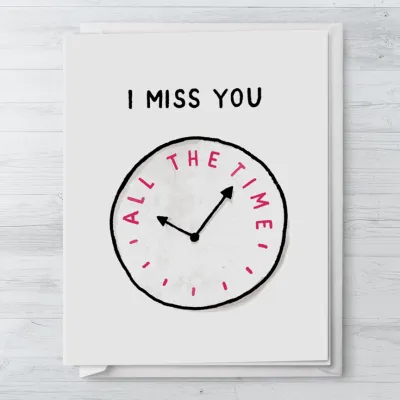
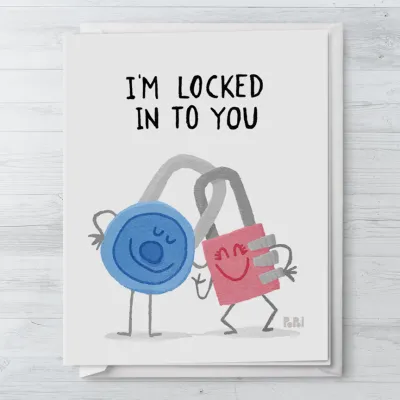
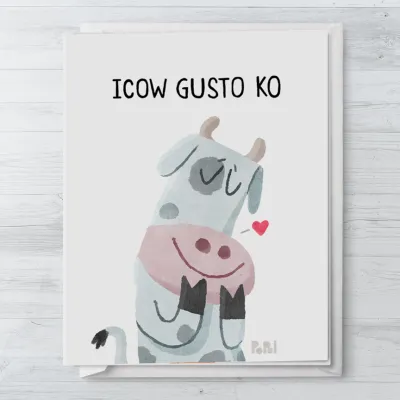
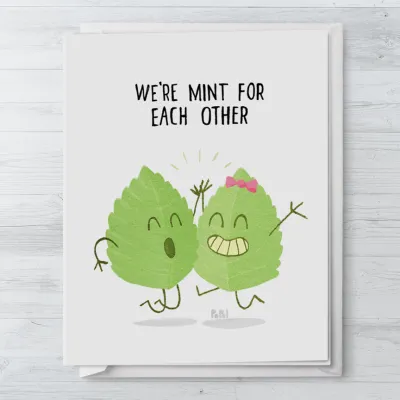



Prices are valid at publication and may change. Please refer to the product page for the latest price.
Before finalizing your purchase, always inspect the inner layout of the card. Some cards feature pre-printed sentiments that save time, while others offer completely blank interiors. If you plan to write a deeply personal message or showcase your calligraphy skills, a blank interior is essential to avoid clashing with pre-existing text.
Selecting Designs and Tones for Specific Events
Every occasion carries its own emotional weight, and the card you choose serves as the visual introduction to your sentiment. By breaking down your selection into specific categories, you can easily match the external design elements—such as color palettes, typography, and illustrations—with the exact feeling you want to convey.

Birthdays and Personal Milestones
For birthdays and personal achievements, look for vibrant color schemes and expressive illustrations that reflect the recipient’s unique personality. Playful typography and humorous drawings work exceptionally well for close friends and younger family members, adding a lighthearted touch to their special day.
If you intend to write a long, heartfelt message detailing shared memories, prioritize cards that offer ample blank space on the inside. A crowded interior design can make your handwriting look cluttered and difficult to read, especially if you prefer using bold gel pens.
Always verify the physical dimensions of the card before purchasing to ensure it fits comfortably alongside your gift. If you are handing the card over directly with a present, a standard medium-sized card is ideal, whereas a smaller card works best when tucked into a gift bag or attached to a bouquet.
Weddings, Anniversaries, and Formal Celebrations
Formal events like weddings and silver anniversaries demand a sophisticated touch. Opt for minimalist designs, subtle metallic accents, or cards crafted from high-quality textured paper that feels substantial in the hand.
For these high-formality occasions, ensure that any pre-printed internal message aligns perfectly with the respectful tone of the event. If you cannot find a pre-printed message that fits, choose a blank interior that allows you to write custom calligraphy or a formal congratulatory note.
Pay close attention to the structural integrity of both the card and its accompanying envelope. High-humidity environments can soften paper fibers, so choosing a sturdy cardstock ensures the card maintains its crisp shape during transit or when displayed on a heavy gift table.
Holidays, Thanksgiving, and Seasonal Greetings
Seasonal greetings benefit from traditional motifs and classic color palettes that evoke the spirit of the holiday. Warm, earthy tones and botanical illustrations are excellent for thanksgiving, while festive reds, greens, and golds suit year-end holiday cards.
If you plan to send greetings to a large group, such as office colleagues or extended family members, look for multi-pack options. Purchasing cards in sets ensures visual consistency while remaining a practical choice for your seasonal budget.
Ensure that the internal greeting is inclusive and appropriate for the recipient’s relationship to you. For professional acquaintances or distant relatives, a neutral, warm message is safer and more respectful than highly specific or overly personal sentiments.
Evaluating Paper Quality, Size, and Physical Specifications
The physical feel of a greeting card speaks volumes before the recipient even reads your words. When evaluating cardstock, look for a heavier paper weight, typically measured in grams per square meter (gsm). A higher gsm indicates a thicker, more premium card that resists bending and prevents ink from bleeding through to the other side.
In tropical climates like the Philippines, where humidity levels are consistently high, paper can absorb moisture from the air, making it prone to warping or ink feathering. Choosing a card with a matte, uncoated interior surface helps absorb ink quickly and cleanly, minimizing the risk of smudging as you write.
Compare the standard dimensions of the card against your mailing or gifting needs. If you plan to send the card through the mail, ensure it fits standard postal envelopes and does not require extra postage due to unusual shapes or excessive thickness.
Finally, inspect the quality of the included envelope and its adhesive seal. A premium envelope should feel sturdy enough to protect the card inside, and the seal should remain secure even in humid conditions. If the adhesive feels weak, consider using a decorative sticker or a wax seal to ensure the envelope stays closed during delivery.
Planning Your Handwritten Message and Pen Compatibility
Before you begin writing on your chosen card, it is crucial to test your writing instrument. Use a discreet corner on the back of the card or a spare piece of similar paper to check how the ink behaves on the surface. Glossy or coated papers often cause slow drying times, which can lead to accidental smudging.
When drafting your message, follow a clean, structured layout to make your writing visually appealing. Start with a warm, personalized opening, transition into a specific memory or heartfelt wish, and conclude with a sincere closing statement. This structure keeps your message focused and prevents you from running out of space.
Adjust your handwriting size and spacing to match the available blank area inside the card. If the card features an internal pattern or border, guide your lines parallel to these elements to maintain a neat, professional appearance that highlights your personal touch.
Frequently Asked Questions (FAQ)
Can I use a blank Popol card for a formal wedding?
Yes, blank cards are highly appropriate and often preferred for formal weddings because they allow you to craft a highly personalized message. To execute this well, use a high-quality pen and practice your layout on a draft sheet of paper before writing on the actual card. Ensure the paper texture supports your chosen ink without feathering, keeping your custom calligraphy sharp and elegant.
What pen works best on glossy card covers and interiors?
For glossy or coated card surfaces, quick-drying pigment-based gel pens or fine-tip permanent markers work best because they adhere to the non-porous surface without smearing. Avoid using standard ballpoint pens, which can skip, or wet fountain pens, which require a highly absorbent paper and will easily smear on glossy finishes. Always allow the ink to dry completely for several minutes before folding the card or placing it inside the envelope.
Community discussion
Share your experience or ask a question. Comments are reviewed before publication.