
Prang watercolors are widely recognized for their vibrant, semi-moist formula, making them a staple in classrooms, home studios, and hobbyist spaces alike. Choosing the right set depends on matching your current skill level—whether you are a young learner, an intermediate student, or an experienced painter—with the appropriate paint format, color range, and pigment characteristics. Selecting the right set and understanding how to maintain it is essential for a smooth creative process, especially when working in warm, humid climates where paper behavior and paint drying times can vary.
By evaluating your specific artistic goals and understanding how different watercolor formats behave, you can find a set that offers the right balance of usability, color mixing potential, and value. This guide breaks down the key factors to consider so you can select the ideal watercolor set for your creative journey.
Assess Your Painting Skill Level and Project Needs
Before exploring specific product options, it is important to identify your current experience level and the primary goals of your art projects. A young learner exploring color for the first time has vastly different requirements than an intermediate student preparing a portfolio or a hobbyist painting detailed botanical illustrations. Defining these needs early prevents frustration and ensures you do not overspend on features you do not yet require.
Products mentioned in this guide
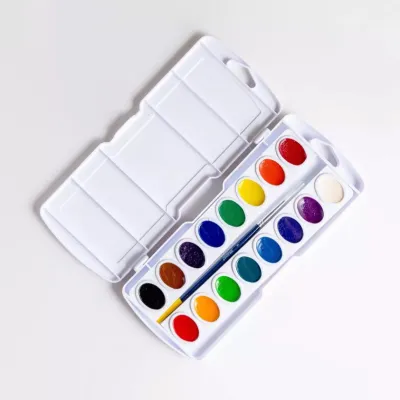
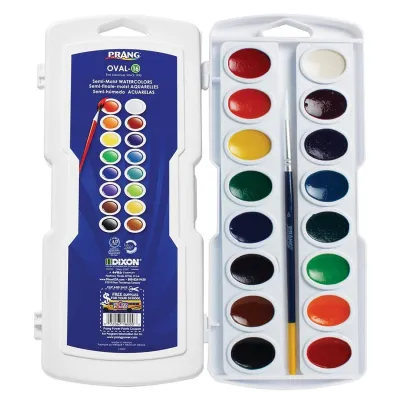
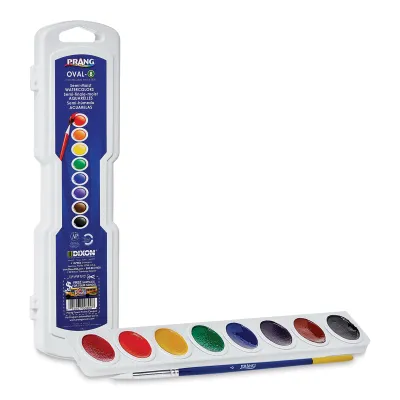
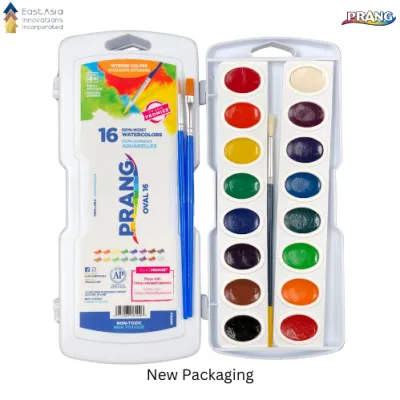
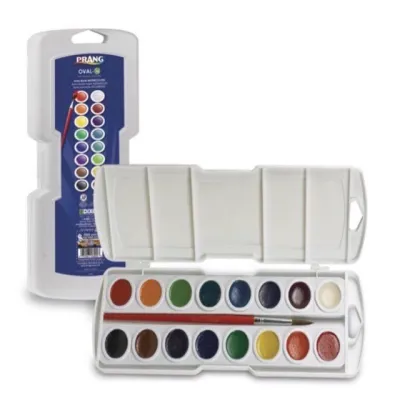
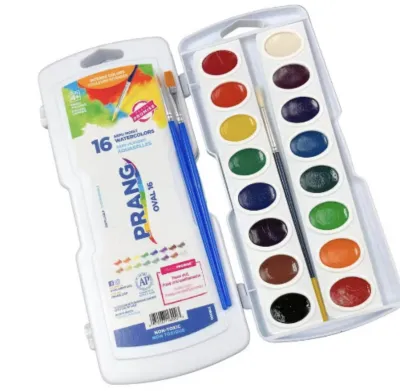
Prices are valid at publication and may change. Please refer to the product page for the latest price.
For young learners, the primary focus is on sensory exploration, basic color recognition, and motor skill development. These painters need highly forgiving, easily activated paints that wash out of clothes and clean up quickly. The projects are typically fast-paced and executed on standard drawing paper or lightweight construction paper, where high-end archival properties are not a priority.
Beginner hobbyists and intermediate students, on the other hand, are beginning to explore fundamental watercolor techniques such as wet-on-wet washes, glazing, and dry brush details. These artists require predictable color mixing without muddy results. They need to understand how pigments interact on the page, which requires a paint set with reliable color purity and a physical format that allows for controlled dilution.
Experienced painters and professionals focus heavily on the technical specifications of their medium. For this group, pigment load, lightfastness (the resistance of a pigment to fading under light exposure), and binder quality are paramount. Their projects are often intended for display, sale, or archival preservation, meaning the materials must withstand environmental factors over many years. Identifying where you fall on this spectrum is the first step toward making an informed purchase.
Understand the Main Formats of Prang Watercolors
Watercolors are available in several distinct physical formats, each offering unique advantages depending on your working environment and painting style. Understanding these formats helps you choose a set that aligns with your preferred workflow and cleanup habits.

Semi-moist pan watercolors are the most common and recognizable format. These paints are poured into small plastic wells (pans) and allowed to dry partially. Because they remain semi-moist, they do not require heavy scrubbing with a wet brush to release the pigment. A light touch with a damp brush is enough to lift vibrant color. This format is highly portable, easy to set up, and ideal for classroom environments, outdoor sketching, or quick daily practice. It also minimizes waste, as any unused paint simply dries in the pan and can be reactivated later.
Tube watercolors offer a creamy, paste-like consistency straight from the tube. This format is preferred by artists who need to mix large volumes of paint for broad washes or background work. Tube paints allow you to achieve deep, highly saturated colors quickly because the pigment is already fully hydrated. However, they require a separate mixing palette and more careful management to avoid squeezing out more paint than necessary, which can lead to waste if not handled properly.
Liquid watercolors are highly concentrated, fluid pigments sold in bottles. They deliver incredibly vibrant, flat color applications and are excellent for specific illustrative techniques, airbrushing, or calligraphy. Because they are already in liquid form, they blend instantly and can be diluted to create delicate washes. However, they are less portable than pan sets and require careful handling to prevent accidental spills on your workspace.
Match Prang Watercolor Sets to Your Experience Level
Once you understand the formats, you can match specific types of watercolor sets to your current skill level and creative objectives.
For Young Learners and Absolute Beginners
For those just starting their artistic journey, basic scholastic-grade pan sets are the most practical choice. These sets typically feature pre-selected, highly visible primary and secondary colors arranged in a single row. The straightforward layout helps beginners learn basic color relationships without feeling overwhelmed by too many choices.
These starter sets almost always include essential accessories, such as a basic synthetic brush and a built-in mixing palette integrated into the plastic lid. This all-in-one design ensures that you can begin painting immediately without needing to purchase additional tools. The focus here is on ease of use, allowing beginners to build confidence as they learn to control water-to-paint ratios.
Safety and cleanup are also critical considerations for this group. Look for sets that carry recognized non-toxic certifications, ensuring they are safe for school-aged children. Washable formulas are highly beneficial here, as they are designed to wash out of most fabrics and skin with simple soap and water, making post-painting cleanup stress-free.
For Intermediate Students and Hobbyists
As your skills progress, you will likely find that basic starter sets limit your ability to create complex color mixtures and subtle transitions. Intermediate students and hobbyists should look for student-grade lines that offer improved pigment concentration. These sets provide richer color payoff and allow for cleaner blending, reducing the likelihood of muddy tones when mixing secondary and tertiary colors.
At this stage, transitioning to a set with a wider color spectrum—such as 16 or 24 colors—is highly beneficial. Having access to warm and cool variations of primary colors allows for much more accurate color mixing. Additionally, sets with larger pan sizes or removable pans accommodate larger brushes and more ambitious projects, such as landscape studies or detailed still lifes.
While starter sets include a basic brush, intermediate painters should consider upgrading to separate, higher-quality brushes. A dedicated round brush made of high-quality synthetic fibers will hold its point much better than a basic school brush, allowing you to execute both broad washes and fine details with a single tool. Investing in proper watercolor paper, such as 300 gsm cold-press paper, will also dramatically improve how these student-grade paints perform.
For Experienced Painters and Professionals
Experienced painters must set realistic expectations when evaluating scholastic and student-grade brands. While these watercolors are excellent for sketching, color studies, and casual illustration, the brand primarily focuses on educational and student markets rather than high-end professional gallery work.
If you are an experienced painter using these sets, it is important to carefully inspect the product labels for specific pigment information and lightfastness ratings. Professional work demands single-pigment formulations that behave predictably when mixed and will not fade when exposed to sunlight over time. Many student-grade paints use pigment blends or synthetic dyes to keep costs down, which can affect long-term durability.
For pieces intended for exhibition, sale, or archival preservation, experienced artists should use these student-grade sets for preliminary sketches and color planning, then transition to dedicated professional-grade watercolor brands for the final artwork. This ensures that your finished pieces maintain their original brilliance and structural integrity for decades.
What to Verify on the Label Before Purchasing
To ensure you are getting the right set for your needs, develop a quick checklist of items to verify on the packaging before making a purchase, whether you are shopping in a local stationery store or browsing online.
First, check the grade classification and safety seals. Look for terms like “Scholastic” or “Classic” to understand the intended user base. Ensure the packaging displays a recognized safety seal, such as the AP (Approved Product) non-toxic seal from the Art and Creative Materials Institute (ACMI). This certification is especially important if the paints will be used by children or in a classroom setting.
Second, verify the color count and the physical design of the pans. Determine whether the set features fixed pans or removable, refillable pans. Refillable pan designs are highly economical; they allow you to replace individual high-use colors (such as blue or yellow) without needing to purchase an entirely new set. This feature is both budget-friendly and environmentally conscious.
Finally, assess the durability of the packaging and the design of the built-in palette. A sturdy plastic case with a secure latch is essential if the set will be carried in a school bag or travel kit. Open the lid to inspect the mixing wells. Deep, separated wells in the lid prevent wet colors from running into each other, providing a clean space to mix custom shades during your painting sessions.
Frequently Asked Questions (FAQ)
Can I use these watercolors for professional gallery art?
While these watercolors offer excellent vibrancy and smooth application for practice, sketching, and illustration, they are generally not formulated for professional gallery art. Professional pieces require high lightfastness and pure single-pigment formulas to prevent fading over time. Scholastic-grade paints often use synthetic dyes or blended pigments that may fade when exposed to light over several years. For archival work, it is best to use professional-grade paints.
How do I keep semi-moist watercolor pans from drying out completely?
In humid tropical climates, mold can sometimes be a concern if watercolor pans are stored wet. To maintain your pans, let them air-dry slightly in a dust-free area before closing the lid tightly. Store the set in a cool, dry place away from direct sunlight. If the pans do dry out or harden over time, simply apply a light mist of clean water or use a wet brush to reactivate the semi-moist formula.
Are these watercolor sets safe for young children?
Yes, scholastic-grade watercolor sets are specifically designed with safety in mind. Look for the AP non-toxic certification seal on the packaging, which indicates the materials have been evaluated by toxicologists and are safe for school use. However, it is always recommended to supervise young children during painting sessions to prevent them from ingesting the paint or putting the brushes in their mouths.
Community discussion
Share your experience or ask a question. Comments are reviewed before publication.