
Selecting the right ribbon for a ribbon-cutting ceremony in the Philippines requires balancing visual appeal, structural integrity, and local environmental conditions. The ideal choice for most formal ceremonies is a wide, double-faced satin ribbon. This material provides a brilliant, light-reflecting finish on both sides, ensuring the ribbon looks exceptional from every camera angle, even if it twists slightly in an outdoor breeze.
In the tropical climate of the Philippines, where high humidity and sudden outdoor drafts are common, lightweight or paper-based ribbons can quickly droop, curl, or tear. A high-quality polyester-based satin or a sturdy grosgrain ribbon offers the necessary weight and stiffness to hang gracefully between stanchions. By choosing a ribbon that matches the scale of your venue and the sharpness of your ceremonial scissors, you can ensure a clean, snag-free cut that serves as a flawless highlight for your event.
Core Criteria for Selecting a Ribbon for Ribbon Cutting
Before purchasing your ceremonial supplies, you must evaluate how the ribbon will perform under the specific physical and visual conditions of your venue. The primary goal of a ceremonial ribbon is to create a striking visual boundary that represents a new beginning, which means visibility is your top priority. The ribbon must stand out clearly against the background of your storefront, stage, or entrance. If your venue features dark tinted glass or grey concrete, a vibrant red, bright yellow, or royal blue ribbon will provide the necessary contrast for high-quality photographs.
Products mentioned in this guide
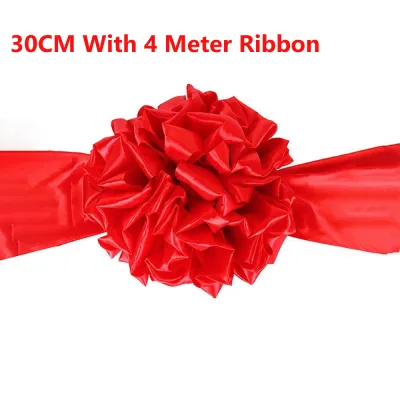
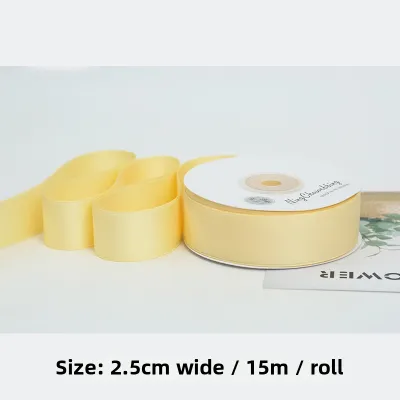
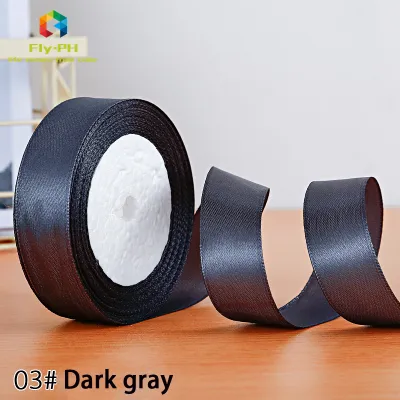
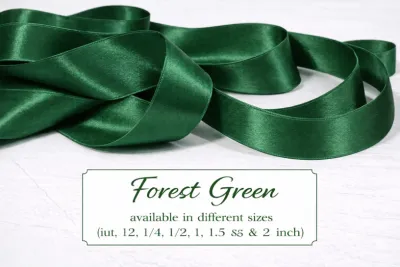
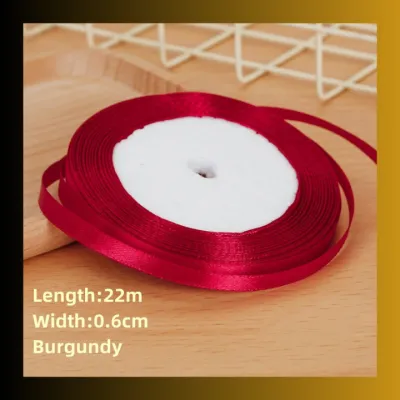
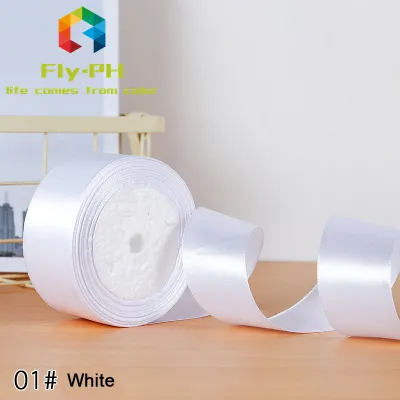
![[COD] KOQZM KITCHEN Wine Red 25 Yards Silk Satin Ribbon Wedding Party Decoration Gift Wrapping Christmas New Year Apparel Sewing Fabric DIY](https://img.lazcdn.com/g/p/4a2a7eb0de1d28f145ec97de7ac48984.jpg_400x400q80.jpg_.webp)
Prices are valid at publication and may change. Please refer to the product page for the latest price.
Structural integrity is equally critical when selecting your material. A ribbon that is too thin or flimsy will sag under its own weight, creating an untidy appearance before the ceremony even begins. The fabric must possess enough density to remain taut when suspended between stanchions, yet remain pliable enough to be cut smoothly. When scissors press against a low-density fabric, the fibers tend to bunch up rather than slice, resulting in an awkward, jagged edge that can disrupt the flow of the event.
Weather resistance must also guide your decision, especially for outdoor venues. Outdoor plazas, open-air storefronts, and garden settings expose your decorations to humidity, heat, and wind. Delicate materials like paper, thin organza, or untreated velvet can lose their shape, absorb moisture, or flutter uncontrollably in the breeze. Opting for synthetic fibers like polyester satin ensures the ribbon remains crisp and vibrant regardless of the weather.
Finally, budget and logistics play a significant role in your planning. While a small boutique opening might only require a few meters of premium ribbon, a large-scale commercial development or multi-door facility may require bulk rolls spanning dozens of meters. Balancing the cost per meter with the visual impact is essential. Fortunately, high-quality synthetic satin is widely available in bulk rolls starting around ₱300 to ₱800 at local stationery suppliers and online marketplaces, making it highly cost-effective for large venues.
Matching Ribbon Types to Your Specific Ceremony
The formality, scale, and target audience of your event will dictate the specific material, width, and color of the ribbon you choose. Matching the ribbon’s aesthetic to the tone of the ceremony ensures a cohesive and professional presentation.

Grand Openings and Inaugurations
For formal business launches, corporate headquarters, and government buildings, a classic double-faced satin ribbon is the traditional standard. This material exudes elegance and sophistication, reflecting light beautifully under both professional camera flashes and natural sunlight. A width of 3 to 4 inches is highly recommended for these events, as it provides a commanding presence that is easily visible to large crowds and media representatives.
Color selection for grand openings should align with corporate branding or civic traditions. Red remains the most popular choice in the Philippines due to its cultural association with good fortune, prosperity, and high visibility. If you prefer to use corporate colors, ensure they do not blend into the building’s facade. For outdoor setups spanning wide entrances, ensure the stanchions are spaced no more than two to three meters apart to prevent the heavy satin ribbon from sagging excessively in the center.
Product Launches and Corporate Events
Modern product launches and marketing-focused corporate events often benefit from a more customized approach to ribbon selection. Custom-printed ribbons featuring your company logo, event hashtag, or brand colors can significantly enhance brand recall in promotional photographs. When designing a custom ribbon, ensure the logos are spaced at regular intervals so that at least one full logo is visible on either side of the cut point.
If you prefer a contemporary, tactile aesthetic rather than a high-shine finish, grosgrain ribbon is an excellent alternative. Its ribbed texture offers a matte appearance that looks highly sophisticated under studio lighting and does not produce harsh glares in photos. To create a unified visual theme, coordinate the texture and color of your ribbon with your presentation trays, scissor handles, and any decorative bows adorning the stanchions.
Community, School, and Informal Ceremonies
For local school events, community centers, and informal neighborhood gatherings, practical and budget-friendly options are often preferred. Single-faced satin ribbon offers a cost-effective solution that still provides a glossy, festive appearance on its front side. Because single-faced satin is lighter than double-faced satin, care must be taken during installation to ensure the matte underside does not twist forward and face the audience.
To elevate the visual impact of a budget-friendly ribbon, you can layer a narrower, brightly colored ribbon over a wider, neutral-colored base. Alternatively, using multiple parallel strands of thin ribbon can create a modern, dynamic look without the expense of a single ultra-wide premium roll. When children or large crowds are participating in the ceremony, prioritize safety by securing the ribbon to stable, weighted stanchions that cannot be easily knocked over during the excitement of the cut.
Comparing Ribbon Materials and Finishes for Ceremonies
Understanding the physical characteristics of different fabric weaves will help you select a ribbon that not only looks beautiful but also cuts effortlessly on the day of the event.
Satin Weave: Satin is characterized by its glossy surface and dull back (in single-faced varieties) or a double-sided glossy finish (in double-faced varieties). The smooth, slippery texture of satin allows scissors to glide through the fabric with minimal resistance, provided the blades are sharp. It drapes elegantly, creating soft, natural curves when suspended.
Grosgrain Weave: Grosgrain features a distinctive ribbed texture created by heavy weft yarns. This structure makes the ribbon significantly stiffer and more durable than satin. It holds its shape exceptionally well, making it ideal for creating structured, crisp bows. However, the ribbed texture introduces slight resistance during cutting, requiring a firm, decisive hand and very sharp scissors to avoid fraying.
Velvet Weave: Velvet offers a rich, luxurious, and deeply saturated matte appearance. While it looks incredibly premium, its thick pile makes it heavy and highly absorbent. In humid tropical environments, velvet can absorb moisture from the air, causing it to sag and feel damp. Additionally, cutting through thick velvet requires heavy-duty, professional-grade shears, as standard ceremonial scissors may struggle to slice through the dense pile cleanly.
Edge Construction: When choosing your ribbon, pay close attention to the edges. Wired ribbons contain thin metal wires along the borders, which are excellent for shaping elaborate, stiff bows that will not droop. However, wired ribbon is not recommended for the main cutting line, as cutting through metal wire can damage your ceremonial scissors and cause an awkward, jarring halt during the ceremony. For the main line, always use unwired ribbon with woven or heat-sealed edges to ensure a smooth, continuous cut.
Colorfastness and Dye Quality: High-quality ribbons undergo treatment to ensure the dyes are stable. Lower-quality ribbons may bleed their colors when exposed to moisture, high humidity, or sweat from the hands of your VIP guests. To prevent embarrassing dye transfers onto white clothing, hands, or polished brass scissors, always check the manufacturer’s label for colorfastness, or perform a quick home test by rubbing a damp white cloth over a sample of the ribbon.
Sizing, Bows, and Hardware for a Smooth Ceremony
A successful ribbon-cutting ceremony relies on precise measurements and the right supporting hardware to ensure everything remains securely in place.
Determining the Ideal Width: The standard width for ceremonial ribbons ranges from 2 inches (approx. 50mm) to 4 inches (approx. 100mm). A 2-inch ribbon is suitable for smaller, intimate indoor venues, while a 3-inch or 4-inch ribbon is necessary for outdoor storefronts and large stages to ensure it is clearly visible from a distance. Avoid ribbons wider than 4 inches, as they can be difficult to fit entirely within the cutting span of standard ceremonial scissors, which may force the cutter to make multiple awkward snips.
Calculating the Required Length: To calculate the total length of ribbon needed, measure the exact distance between your stanchions and add an additional 10% to 15% to allow for a graceful, natural drape. If you plan to tie a traditional bow in the center of the ribbon that will be cut during the ceremony, you must add an extra 1.5 to 2 meters of ribbon to your total purchase. For a clean setup, many organizers prefer to use a continuous straight line of ribbon and attach a separate, pre-made bow to the center using a discreet wire or clip.
Selecting and Preparing Bows: You can choose between tying a traditional bow on-site or using pre-made pull bows. Traditional bows require a skilled hand and significant setup time to ensure they look symmetrical and professional. Pre-made pull bows, which assemble instantly by pulling two inner strings, offer a highly reliable and time-saving alternative. These bows ensure perfect symmetry and can be easily attached to the stanchions or the center of the cutting line.
Securing the Ribbon to Hardware: To prevent the ribbon from slipping, sagging, or falling during the ceremony, it must be securely anchored to your stanchions. Standard stanchions can be fitted with specialized ribbon clamps, clips, or heavy-duty double-sided tape hidden behind the fabric. Ensure that the stanchions themselves are sufficiently weighted, especially if the event is held outdoors where wind or accidental tugs from guests could tip them over.
Preparation Checklist for a Flawless Ribbon Cutting
To ensure your ceremony proceeds without any unexpected issues, follow this step-by-step preparation checklist on the day of the event:
- Inspect the Ribbon: Unroll the ribbon completely in a clean area to check for any manufacturing defects, snags, water spots, or color inconsistencies.
- Perform a Test Cut: Use a small scrap of your chosen ribbon to test the cutting action with the exact ceremonial scissors that will be used during the event. This ensures the blades are sharp enough to slice through the fabric cleanly in a single motion.
- Remove Creases: If the ribbon has creases or fold lines from shipping, use a handheld garment steamer or an iron on a very low heat setting to smooth them out. Always place a thin pressing cloth between the iron and synthetic ribbon to prevent melting.
- Mount and Adjust Tension: Secure the ribbon to the stanchions shortly before the ceremony begins. Adjust the tension so that the ribbon has a slight, elegant curve in the center, avoiding excessive tightness that could pull the stanchions inward or cause the ribbon to snap.
- Position the Scissors and Tray: Place the sharpened ceremonial scissors on a decorative presentation tray near the cutting station, ensuring they are easily accessible to your VIP guests.
Frequently Asked Questions (FAQ)
Can I use regular craft ribbon for a ribbon cutting ceremony?
While regular craft ribbon is highly accessible and affordable, it is generally not recommended for professional ribbon-cutting ceremonies. Standard craft ribbons, which are typically less than 1 inch wide, lack the visual presence and structural weight required to stand out in professional photographs and video coverage. From a distance, a narrow craft ribbon can virtually disappear against a busy background, diminishing the visual impact of your milestone moment.
Furthermore, thin craft ribbons are incredibly difficult to cut cleanly with large, blunt-tipped ceremonial scissors. The lightweight fabric tends to fold and bunch up between the blades rather than slicing, which can lead to an awkward and frustrating experience for your VIP guests. To ensure a professional, photogenic, and smooth ceremony, always opt for a dedicated ceremonial ribbon with a minimum width of 2 inches.
How do I prevent the ribbon from fraying after it is cut?
Fraying is a natural characteristic of woven synthetic fabrics like satin and grosgrain once they are cut. During the ceremony, a clean, swift cut with exceptionally sharp scissors will minimize immediate fraying, leaving a relatively tidy edge for photographs. If you plan to keep the cut pieces of the ribbon as historic souvenirs or display them in a frame, you can apply a small amount of liquid fabric sealant or clear nail polish to the cut edges immediately after the event to lock the fibers in place.
For pre-event preparations, such as cutting the ribbon to length or preparing decorative bows, using a heat-cutting tool or hot knife will melt and seal the synthetic edges simultaneously, completely preventing any future fraying. Immediately after the ceremonial cut is completed, designate a staff member to gracefully collect the cut ribbon pieces and scissors from the stage to keep the presentation area tidy for subsequent speeches and photo opportunities.
Community discussion
Share your experience or ask a question. Comments are reviewed before publication.