
Gift presentation is an art form where the final touch often speaks louder than the wrapping paper itself. Selecting the right ribbon depends on matching the material’s structural properties, finish, and weight to the specific occasion and presentation style. A mismatched ribbon can make a carefully chosen gift look unfinished, while a well-selected one elevates even simple packaging into something memorable. By understanding how different weaves, widths, and materials behave, you can ensure your decorations and gifts convey the exact sentiment you intend, whether it is the formal elegance of a wedding, the playful energy of a birthday, or the traditional warmth of Christmas.
Understanding Ribbon Materials and Textures for Every Event
Before matching a ribbon to an event, it is essential to understand the unique characteristics of common materials. Each fiber and weave offers distinct advantages in terms of drape, durability, and ease of tying.
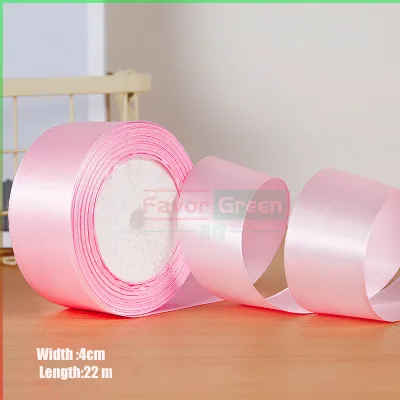
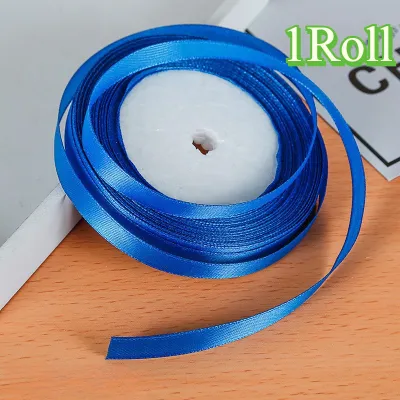
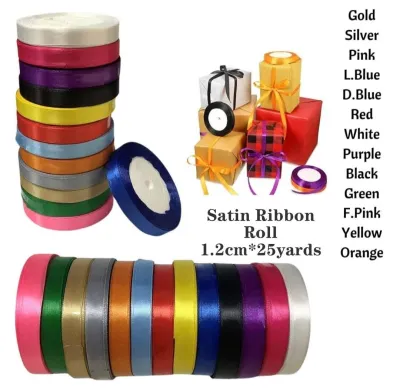
- Satin and Silk: Satin is celebrated for its high-shine, glossy finish and exceptionally smooth texture. Double-face satin features this lustrous finish on both sides, which is highly beneficial because the ribbon looks flawless even when the tails twist. Silk ribbon, often hand-dyed with raw, delicate edges, offers an organic, romantic drape that flows gracefully with movement.
- Grosgrain: Characterized by its distinct horizontal ribbing, grosgrain is a heavy-duty, matte ribbon. The ribbed texture creates excellent friction, meaning knots stay securely tied and structured bows hold their shape without slipping. This makes it a highly reliable choice for packages that must travel.
- Burlap and Cotton: Natural fibers provide a rustic, tactile aesthetic. Burlap, made from jute, is coarse, stiff, and highly textured, making it ideal for holding bold, simple shapes in casual or outdoor settings. Cotton ribbon offers a softer, clean, matte alternative, perfect for modern, minimalist wrapping.
- Velvet: Featuring a dense, plush pile on one side, velvet absorbs light to create deep, rich color tones. Its heavy weight and luxurious feel evoke warmth and sophistication, making it perfect for high-end styling.
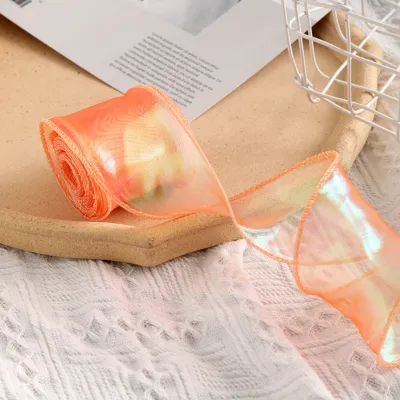
- Organza and Sheer: Made from tightly twisted synthetic fibers, organza is lightweight and translucent with a surprisingly stiff body. It catches the light with a subtle shimmer, making it excellent for layering or wrapping delicate favors.
Matching Ribbons to Weddings and Formal Events
Formal gatherings require a curated aesthetic where every detail feels intentional. Choosing the right ribbon for a wedding or milestone anniversary involves balancing traditional elegance with the event’s specific styling.
Products mentioned in this guide
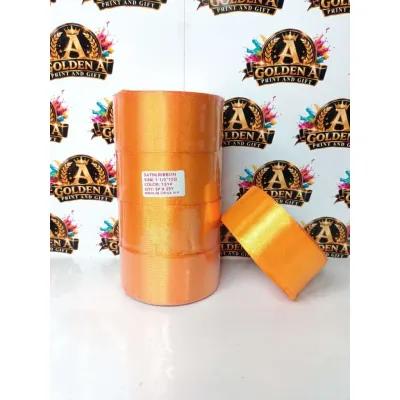
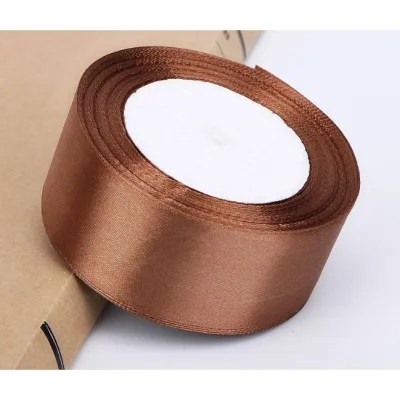
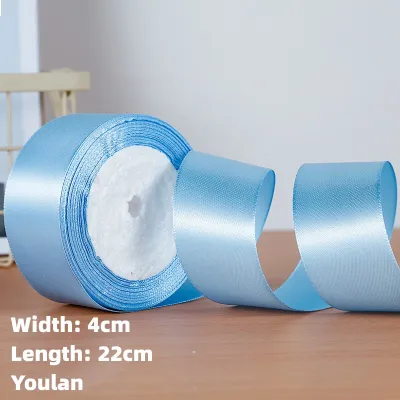
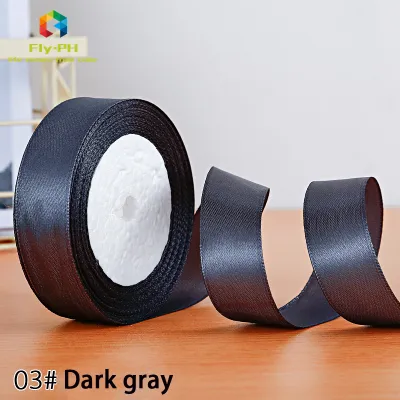
Prices are valid at publication and may change. Please refer to the product page for the latest price.

- Color Palette Strategy: Classic formal events rely on sophisticated, understated colors. Pristine whites, warm ivories, and soft pastels—such as blush pink, sage green, and dusty blue—are traditional favorites. Incorporating subtle metallics like champagne gold, rose gold, or brushed silver adds a luxurious touch. Ensure the ribbon color coordinates with the wedding stationery and floral arrangements to maintain a cohesive theme.
- Material Selection: Double-face satin is the classic choice for weddings, particularly for wrapping bridal bouquet stems where its smooth texture feels comfortable to hold. For evening or cooler-season weddings, velvet ribbons add a dramatic, luxurious weight to table settings and invitations. Organza, with its delicate transparency, is ideal for securing guest favors or adding airy accents to floral installations.
- Width and Application: Ribbon width dictates its functional role. Narrow ribbons, measuring 1/8 inch to 1/4 inch (3 mm to 6 mm), are perfect for tying delicate invitation suites, securing programs, or attaching favor tags. Medium widths, around 5/8 inch to 1 inch (15 mm to 25 mm), work well for wrapping standard gift boxes and bridesmaid bouquets. Wide ribbons, spanning 1.5 inches to 2 inches or more (38 mm to 50 mm), make high-impact statements on chair sashes, table runners, and grand gift packages.
- Styling and Coordination: The tying technique influences the formality of the presentation. For a structured, traditional look, opt for crisp, symmetrical bows with short, angled tails. For a romantic, modern aesthetic, allow long, single-knot tails of silk or soft satin to drape loosely, highlighting the material's natural movement.
Selecting Ribbons for Birthdays and Personal Milestones
Birthdays offer the creative freedom to experiment with vibrant colors, playful patterns, and personalized touches that reflect the recipient’s personality and age.
- Color and Pattern Choices: Cheerful celebrations welcome bright solids, playful polka dots, bold stripes, and whimsical prints. For children's parties, vibrant primary colors bring immediate energy to the gift table. For adult milestones—such as an 18th debut, a 30th birthday, or a golden 50th jubilee—shift toward sophisticated combinations like navy blue with gold, emerald green with copper, or minimalist monochrome patterns.
- Material Recommendations: Grosgrain is the ideal workhorse for birthday gifts because its ribbed texture holds knots securely, ensuring bows survive transit in gift bags or delivery vehicles. For a personalized touch, custom-printed satin ribbons featuring the recipient’s name or a special message can turn a simple gift box into a cherished keepsake.
- Age-Specific Considerations: When wrapping gifts for infants and toddlers, safety must guide your choices. Avoid thin, string-like ribbons, metallic cords, or easily frayed materials that could pose tangling or choking hazards. Instead, choose wide, sturdy grosgrain or soft, flat cotton ribbons. Ensure all ribbons are tied securely, and advise parents to supervise young children during the unboxing process.
- Presentation Ideas: To make a birthday gift stand out, try layering different ribbon widths and textures. Placing a narrow, patterned grosgrain ribbon directly over a wider, solid-colored satin ribbon creates a beautiful dimensional effect. You can also incorporate custom gift tags, dried botanical sprigs, or small charms into the knot, or tie a multi-loop pom-pom bow that springs to life when the package is opened.
Picking Ribbons for Christmas and Holiday Gifting
Holiday gift wrapping generally falls into two distinct design directions. Traditional themes celebrate nostalgia with deep crimson reds, forest greens, and shimmering golds. Modern winter aesthetics, on the other hand, embrace a cooler palette of crisp whites, icy silvers, and deep jewel tones like plum, navy, or sapphire.
- Material and Texture: Velvet ribbons are a holiday classic, offering a rich, comforting texture that instantly evokes festive warmth. For a rustic, eco-friendly look, pair brown kraft wrapping paper with coarse burlap or wired cotton ribbons. If you prefer a touch of glamour, look for satin or organza ribbons featuring metallic-edged borders, which catch the warm glow of Christmas tree lights beautifully.
- Structural Needs for Large Gifts: Large gifts, heavy wreaths, banister garlands, and outdoor holiday displays require ribbons that can maintain their shape against gravity and handling. Wired ribbons are essential for these applications. The thin, flexible wire embedded along the edges of the ribbon allows you to sculpt dramatic, voluminous bows and fluff the loops back into shape if they become compressed. Unwired ribbon will sag under its own weight when used for oversized bows.
- Environmental and Handling Factors: In tropical climates like the Philippines, the holiday season often coincides with high humidity and sudden rain showers. These conditions can cause low-quality dyes in dark red or green ribbons to bleed onto light-colored wrapping paper, white fabrics, or table linens. To prevent ruining your presentations, perform a quick dye-bleed test: dampen a small scrap of the ribbon with water and press it firmly against a piece of white paper. If color transfers, avoid using that ribbon on light-colored or moisture-sensitive wrapping materials.
Building a Versatile Ribbon Stash and Practical Handling Tips
Building a well-curated ribbon collection does not require buying dozens of specialized spools. Instead, invest in a few high-quality, versatile staples that transition seamlessly across different events.
- Versatile Staples: Stock up on neutral colors such as cream, navy, charcoal grey, and champagne gold. Classic materials like double-face satin and high-density grosgrain in medium widths (around 5/8 inch to 1 inch) are highly adaptable and can be paired with almost any wrapping paper or gift bag throughout the year. Investing in high-quality, bulk spools—which typically cost between ₱150 and ₱450 at local craft stores—is far more cost-effective than buying short, pre-cut lengths for every individual occasion.
- Storage and Care: To maintain the quality of your ribbon stash, store spools flat or mounted on a dedicated ribbon rack. This prevents the edges from curling and keeps the ribbon from unravelling. Keep your storage container in a cool, dry place away from direct sunlight and high tropical humidity, as prolonged exposure can fade vibrant dyes and cause mold or mildew to develop on natural fibers. If a ribbon becomes creased, you can smooth it out using a clothes iron on its lowest heat setting or a hair straightener, always testing a small section first to ensure the heat does not melt synthetic fibers.
- Cutting and Finishing: Always use sharp, dedicated fabric scissors to cut your ribbons; dull household scissors will chew through the fibers, leaving unsightly, frayed edges. For synthetic ribbons like polyester satin, organza, or grosgrain, you can seal the cut ends to prevent fraying by quickly passing the edge near a small flame from a lighter or candle for a fraction of a second. This melts the synthetic fibers together into a clean, hard bead. Safety Warning: Always perform heat-sealing in a well-ventilated area away from flammable materials. Never attempt to heat-seal natural fibers like cotton, silk, or paper, as they will burn rather than melt. For natural fibers, use a commercial fray-preventing liquid or a small dab of clear nail polish along the cut edge.
- Measuring Guidelines: To avoid wasting expensive ribbon, use a simple formula to estimate the length needed for a standard gift box. Measure the perimeter of the box along both axes (lengthwise and crosswise), add the height of the box for each wrap, and then add an extra 24 inches (approximately 60 cm) to accommodate a standard bow and tails. As a general rule of thumb, wrapping a medium-sized shoebox with a classic bow requires approximately 2 to 3 yards (1.8 to 2.7 meters) of ribbon.
Frequently Asked Questions (FAQ)
How do I stop satin or organza ribbon from fraying after cutting?
To prevent synthetic ribbons like satin or organza from fraying, you can apply a small amount of commercial fray-preventing liquid or clear nail polish to the cut ends. Alternatively, you can heat-seal the edges of synthetic materials using a lighter. Hold the cut edge of the ribbon near—but not directly in—the flame for a fraction of a second to melt the synthetic fibers into a clean, sealed bead. Always perform this in a well-ventilated area, keep a safe distance from flammable materials, and test on a scrap piece first to avoid burning or discoloring the fabric.
What is the difference between wired and unwired ribbon?
Wired ribbon features a thin, flexible metal wire embedded along both outer edges, allowing the ribbon to be bent, shaped, and fluffed. This structural support makes wired ribbon ideal for creating large, dramatic bows, holiday wreaths, and outdoor decorations that must hold their shape. Unwired ribbon is soft, pliable, and drapes naturally. It is best suited for tying flat knots, wrapping delicate gifts, securing bridal bouquets, or sewing onto garments where a soft, fluid movement is desired.
How much ribbon do I need to wrap a standard gift box with a bow?
To estimate the ribbon length needed for a standard gift box, measure the box’s perimeter along both the length and width axes, adding the height of the box for each wrap. Finally, add an extra 24 inches (approximately 60 cm) to account for tying a standard bow and leaving short tails. For a typical medium-sized shoebox, this formula generally requires between 2 to 3 yards (1.8 to 2.7 meters) of ribbon.
Community discussion
Share your experience or ask a question. Comments are reviewed before publication.