
Selecting the perfect ribbon transforms a simple gift wrap into an intentional gesture of care, celebration, and style. The secret to an outstanding presentation lies in matching the ribbon’s material, color, and structural properties to the specific tone of the occasion. A mismatch—such as using a coarse burlap ribbon on a delicate wedding favor or a flimsy satin ribbon on a heavy holiday hamper—can detract from the overall aesthetic. By understanding how different textures behave, how colors communicate themes, and how environmental factors like high humidity affect ribbon structure, you can create beautiful, resilient bows for any event.
Understanding Ribbon Materials and Textures
To choose the right ribbon, you must first understand the unique characteristics of the core materials available. Each fabric offers distinct visual and tactile qualities that dictate its suitability for various wrapping projects.
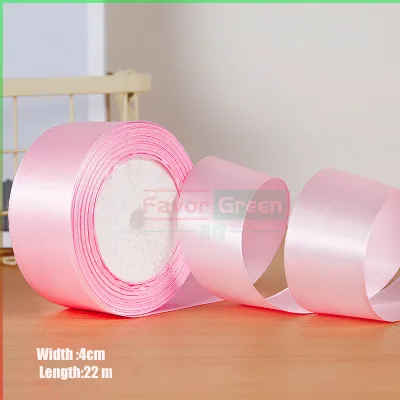
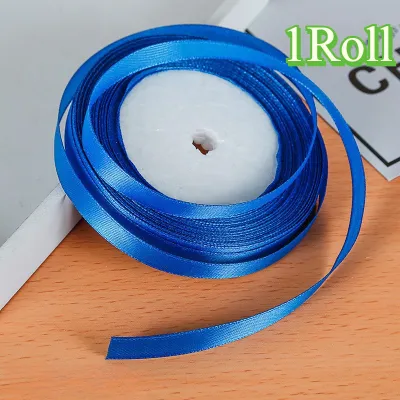
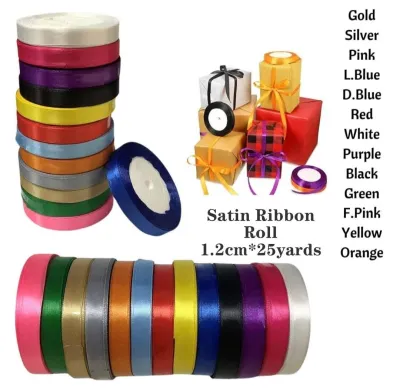
Satin ribbon is known for its smooth, glossy surface and high luster, making it the epitome of elegance. It is available in single-faced (shiny on one side) and double-faced (shiny on both sides) varieties. Double-faced satin is highly recommended for complex bows, as both sides look equally polished. Satin has a soft, fluid drape, making it ideal for elegant, hanging tails, though its slippery texture requires secure knotting to prevent unraveling.
Products mentioned in this guide
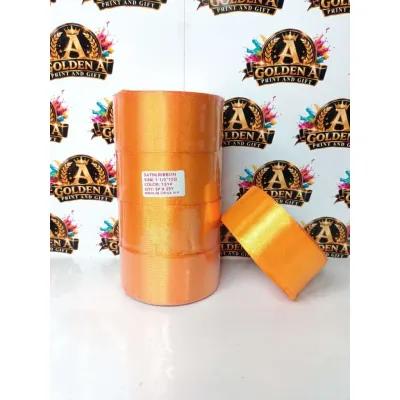
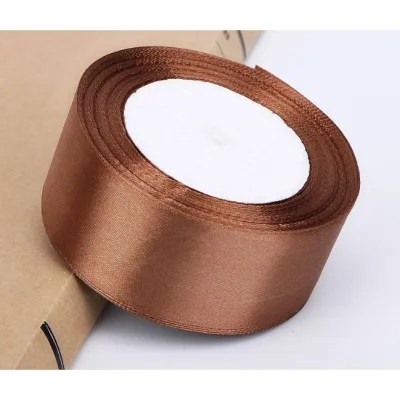
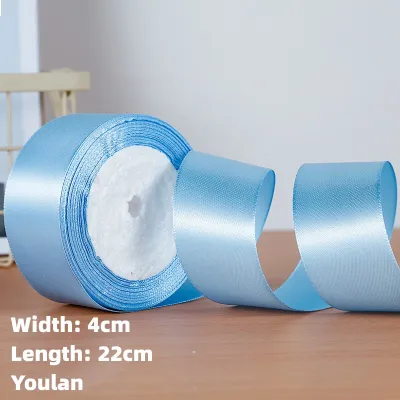
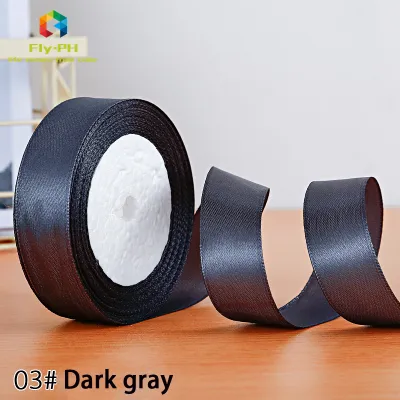
Prices are valid at publication and may change. Please refer to the product page for the latest price.
Grosgrain ribbon is characterized by its ribbed, matte texture and heavy, durable weave. Made from woven parallel ridges, grosgrain is highly structured and holds its shape exceptionally well. It is less slippery than satin, making it incredibly user-friendly for beginners who want to tie neat, bouncy bows that do not easily flatten or slide off the package.
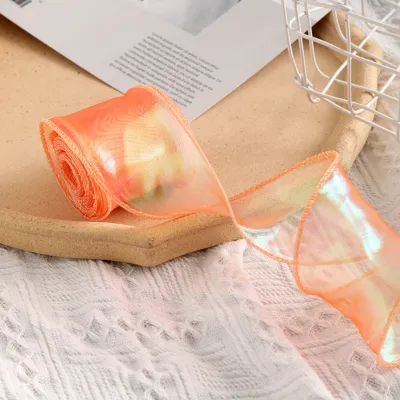
Organza ribbon is sheer, delicate, and airy. This lightweight fabric adds a soft, romantic overlay to gifts. It has a slight, built-in stiffness that allows it to hold voluminous shapes without adding heavy visual weight. It works beautifully when layered over solid ribbons or used on delicate, small packages like jewelry boxes.
Velvet ribbon is plush, rich, and luxurious, featuring a soft pile on one side and a plain backing. It absorbs light beautifully, creating deep, saturated colors that feel warm and cozy. Because of its thickness and weight, velvet is best suited for larger gifts, heavy wrapping papers, and cold-season celebrations.
Burlap and cotton ribbons offer a rustic, natural, and matte aesthetic. Cotton ribbon is soft, pliable, and easy to handle, making it perfect for minimalist or eco-friendly presentations. Burlap ribbon is coarse, stiff, and fibrous, making it excellent for structured, rustic designs, holiday wreaths, and large gift baskets.
When deciding on a material, match its finish to the formality of the event. High-sheen and plush fabrics like satin, silk, and velvet belong to formal, sophisticated gatherings. Matte, ribbed, and textured fabrics like grosgrain, cotton, and burlap are best for casual, modern, or rustic celebrations.
Best Ribbon Choices for Weddings and Formal Events
Weddings, bridal showers, and formal anniversaries demand a high level of sophistication, where every detail of the presentation feels curated and romantic. The goal is to choose ribbons that complement the couple’s theme and the upscale nature of the venue.

For formal color palettes, stick to timeless, elegant schemes. Classic whites, soft creams, and rich ivories are staple choices. For a touch of color, opt for delicate pastels such as blush pink, dusty blue, lavender, or sage green. Subtle metallics—including champagne gold, soft silver, and rose gold—add a luxurious shimmer without overpowering the wrapping paper.
High-quality polyester satin and silk are the premier choices for formal events. Silk ribbons, especially those with raw, hand-frayed edges, offer an ethereal, organic drape that looks stunning on bridal bouquets and high-end wedding favors. Organza is also excellent for creating delicate overlays or wrapping around translucent favor boxes, allowing the contents to peek through.
For formal presentations, focus on simplicity and grace. Instead of tying tight, compact bows, opt for long, flowing tails that trail elegantly off the edge of the gift box or bouquet handle. Secure the ribbon wraps with decorative pearl-headed pins or a touch of adhesive on the underside of the package for a seamless, tape-free finish.
Steer clear of loud, vibrant neon colors, busy cartoon patterns, or cheap plastic curling ribbons, as these can cheapen the look of formal gifts. Similarly, avoid rough, heavy burlap unless the wedding specifically features a highly coordinated rustic-chic theme.
Ideal Ribbons for Birthdays and Personal Celebrations
Birthdays, graduations, and personal milestones are opportunities for fun, vibrant, and highly personalized gift presentations. Here, you have the creative freedom to play with bold colors, playful patterns, and energetic textures.
Do not shy away from bright, saturated solid colors like turquoise, cherry red, sunny yellow, or royal purple. Patterns add an extra layer of joy—consider classic polka dots, bold stripes, or custom-printed ribbons that feature the recipient’s name, age, or a cheerful celebratory message.
Grosgrain ribbon is the standout choice for birthdays. Its ribbed texture prevents slipping, allowing you to tie tight, bouncy, and highly structured bows that look cheerful and neat. Cotton ribbon is another excellent option, offering a clean, modern, and slightly casual aesthetic that pairs beautifully with simple kraft paper.
Tailor the ribbon style to the recipient’s age and the party theme. For children’s parties, use wide, playful ribbons in primary colors or whimsical patterns. For adult milestones, transition to more sophisticated color combinations, such as deep navy blue paired with a thin metallic gold stripe, or rich forest green with a matte black ribbon overlay.
If you are wrapping an oversized birthday gift—such as a large toy, a kitchen appliance, or a curated gift hamper—use wired ribbon. The thin wire embedded along the edges allows you to sculpt giant, dramatic bows that will not sag or flatten during transport to the party venue.
Festive Ribbon Styles for Christmas and Holidays
Holiday gifting is all about creating a sense of warmth, nostalgia, and festive cheer. The right ribbon can make a pile of presents under the Christmas tree look incredibly inviting and magical.
Traditional holiday color palettes are always a hit. Deep crimson reds, rich forest greens, shimmering gold, and crisp silver evoke instant holiday spirit. For a modern twist, consider deep jewel tones like sapphire blue, amethyst purple, and emerald green, which look stunning when paired with metallic accents.
Velvet ribbon is the ultimate holiday choice, adding a luxurious, cozy texture that feels perfect for the season. Plaid and tartan patterns bring a classic, nostalgic charm to family gifts. For rustic holiday themes, outdoor wreaths, or large gourmet food hampers, wired burlap ribbon provides the perfect balance of structure and natural beauty.
Elevate your holiday gift wrapping by integrating natural elements directly into the ribbon knot. Before pulling the final loop tight, tuck in a small sprig of fresh pine or rosemary, a cinnamon stick, a dried orange slice, or even a tiny, lightweight Christmas ornament. This adds texture, visual interest, and a delightful seasonal scent.
Holiday wrapping often involves larger items, wreaths, and garlands. Use wider ribbons, ranging from 1.5 to 2.5 inches, to ensure the decorations are visually balanced. A thin ribbon can easily get lost on a large evergreen wreath or a massive holiday gift basket, whereas a wide, wired ribbon makes a bold, festive statement.
Matching Ribbon Width and Wrapping Techniques to Your Gift
Even the most beautiful ribbon can look awkward if the scale or wrapping technique is incorrect. Matching the ribbon’s physical dimensions and the bow style to your package is essential for a professional finish.
To ensure visual balance, follow this general ribbon width guide:
- Narrow (1/8 to 1/4 inch): Best suited for tiny jewelry boxes, delicate wedding favors, perfume bottles, and tying small gift tags.
- Medium (3/8 to 5/8 inch): The most versatile size, perfect for standard books, shoe-box-sized gifts, and medium apparel boxes.
- Wide (1 inch and above): Ideal for large gourmet hampers, decorative wreaths, corporate gift baskets, and oversized shipping boxes.
Different ribbon materials pair best with specific bow-tying techniques. The classic loop bow works best with double-faced satin, grosgrain, or cotton, as these materials are pliable enough to loop easily but structured enough to hold the center knot. The multi-layered, fluffy pom-pom bow requires a stiffer material; wired ribbon or crisp organza is ideal here, as the stiffness allows you to pull and shape each loop into a full, spherical dome. For thick, heavy materials like velvet or wide burlap, a full bow can look bulky and messy. Instead, tie a clean, simple flat knot and cut the tails at a sharp angle (chevron or diagonal) for a modern, minimalist look.
In the warm and humid climate of the Philippines, environmental factors can severely impact your gift presentation. High humidity can cause natural fibers like silk, thin cotton, or cheap paper-based ribbons to absorb moisture, leading to limp, sagging bows. Furthermore, excess moisture can cause dyes in low-quality ribbons to bleed, potentially ruining light-colored wrapping paper.
Before wrapping, perform a quick compatibility and bleed-resistance check. Slightly dampen a small piece of the ribbon and rub it firmly against a scrap of your wrapping paper to ensure no dye transfers. To prevent sagging, choose colorfast, synthetic polyester-based grosgrain or synthetic satin ribbons, which are highly resistant to moisture and maintain their structure. If you must use delicate, natural materials, keep the wrapped gifts in an air-conditioned, low-humidity room until the moment they are presented.
Frequently Asked Questions (FAQ)
Can I use the same ribbon for both wedding favors and Christmas gifts?
Yes, you can easily repurpose the same ribbon by choosing highly versatile, neutral options. Classic materials like high-quality double-faced satin or grosgrain in neutral shades—such as ivory, champagne, gold, or silver—bridge formal and festive occasions beautifully. To adapt the ribbon for different events, simply change the wrapping paper. Pair a gold satin ribbon with minimalist white paper for a wedding, then pair that same gold ribbon with deep green or plaid paper and a sprig of pine for a festive Christmas look.
How do I keep ribbon bows from losing their shape in humid weather?
To keep bows from sagging in humid conditions, opt for wired ribbons or naturally stiff materials like polyester-based grosgrain. The wire edges allow you to reshape the loops easily if they begin to droop. Avoid lightweight natural fibers like silk or thin cotton in humid outdoor settings. Additionally, you can apply a light, fabric-safe stiffening spray or starch to the finished bow, and store the wrapped gifts in an air-conditioned, dry environment until the event begins.
What is the easiest ribbon material to tie for beginners?
Cotton and standard grosgrain are the easiest ribbon materials for beginners to handle. Their matte, textured surfaces provide excellent friction, which prevents the loops from slipping out of place while you are pulling the knot tight. This structural stability allows you to adjust the loops and tails easily without the entire bow unraveling. In contrast, slippery materials like high-sheen satin and silk require more tension, practice, and secure knotting techniques to stay in place.
Community discussion
Share your experience or ask a question. Comments are reviewed before publication.