
A thoughtfully designed bouquet is more than just a collection of beautiful flowers; it is a cohesive work of art where every element plays a supporting role. The ribbon you choose serves as the physical and visual anchor of your entire design for bouquet. It is the literal bridge between the natural, organic form of the stems and the polished, intentional aesthetic of the final arrangement. Selecting the wrong ribbon can distract from delicate blooms, while the right choice elevates the entire presentation, ensuring the bouquet looks stunning from every angle.
Assess Your Bouquet Style and Stem Proportions
To begin your selection process, evaluate the overall design theme of your floral arrangement. A rustic bouquet featuring wildflowers, dried grasses, and textured foliage pairs naturally with raw, organic ribbon textures like jute, burlap, or frayed cotton. Conversely, a modern, structured arrangement of calla lilies or orchids demands a clean, sophisticated ribbon with sharp lines, such as a high-quality grosgrain or a minimalist matte satin. For romantic, airy designs filled with garden roses and trailing eucalyptus, soft, flowing materials like silk or sheer organza complement the gentle movement of the petals.
Beyond aesthetics, the physical dimensions of your stem bundle dictate your ribbon requirements. A thick, heavy bridal bouquet requires a substantial wrap to provide a comfortable, secure grip for the holder. Measure the diameter of the gathered stems using a flexible tape measure; this measurement helps you determine not only the width of the ribbon but also the length needed to cover the handle area adequately. Additionally, consider the environment where the bouquet will be displayed. In warm, tropical climates where humidity is high, fresh stems naturally perspire, and condensation from cold storage can quickly saturate delicate fabrics. Your ribbon must be durable enough to maintain its structural integrity and color under these damp conditions.
Products mentioned in this guide
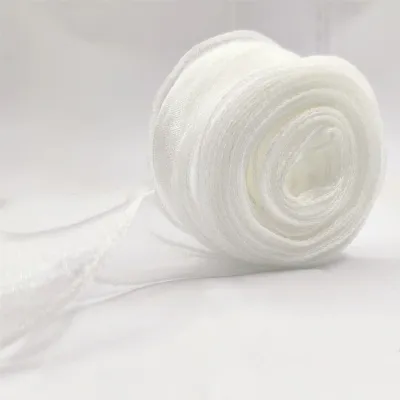
Prices are valid at publication and may change. Please refer to the product page for the latest price.
Choose the Right Ribbon Material and Texture
The fabric of your ribbon influences how it catches the light, how it drapes, and how it handles moisture. Satin is a classic choice for formal occasions, offering a smooth, glossy surface that reflects light beautifully, though it can easily show water spots if handled with wet hands. Burlap and linen provide a heavy, matte texture that grounds bright floral colors, making them excellent for outdoor or casual settings. Velvet adds a luxurious, tactile depth that works wonderfully for indoor evening events, but its heavy weight can feel overwhelming in hot, humid weather. Organza, with its sheer and lightweight weave, offers a delicate shimmer that allows the natural green of the stems to peek through while resisting water damage remarkably well.

When selecting your material, you must also decide between wired and unwired edges. Wired ribbons contain thin, flexible wires along the borders, allowing you to shape elaborate, structured bows that hold their form against wind and gravity. Unwired ribbons, on the other hand, drape naturally and are ideal for creating long, cascading trails that flutter gracefully as the bouquet is carried.
Because fresh bouquets require hydration, moisture resistance is a critical factor. Before committing to a specific ribbon, perform a simple water-resistance and colorfastness test. Rub a damp white cloth firmly against a swatch of the ribbon to verify that the dye does not bleed or transfer. Additionally, submerge a small piece in water and let it dry to observe if the fabric water-spots, shrinks, or loses its original texture. This simple check prevents ruined garments and unsightly stains on the big day.
Determine the Ideal Ribbon Width for Your Stems
Achieving visual balance requires matching the ribbon’s width to the scale of your bouquet. Narrow ribbons, ranging from 6mm to 15mm, are perfect for delicate work, such as binding boutonnieres, corsages, or small nosegays. They add a subtle touch of color without overwhelming tiny stems or delicate blooms. Using a ribbon that is too wide on a small arrangement can make the handle look bulky and disproportionate.
For standard hand-tied bouquets, medium widths between 25mm and 38mm are the industry standard. This range provides excellent coverage for the stem handle, allowing you to wrap the stems smoothly with fewer rotations. It also offers enough surface area to showcase the texture of the fabric and creates beautifully proportioned bows that do not compete with the flowers. Wide ribbons, measuring 50mm or more, are best reserved for large, dramatic cascading arrangements or when you want to make a bold design statement with a wide, flat wrap or a massive, structured bow.
To plan your purchase, calculate the required length by estimating the number of wraps needed. For a standard 15-centimeter handle wrap using a 38mm ribbon, you will need to wrap the stems approximately five to six times, accounting for a 50% overlap on each turn. Always add extra length to your calculations to accommodate the securing knots, bow loops, and any trailing ends you wish to incorporate into the design. With high-quality rolls typically costing between ₱100 and ₱300 on local online marketplaces, budgeting for a little extra is highly affordable and prevents last-minute shortages.
Match Ribbon Colors to Your Floral Palette
Color selection is where your design for bouquet truly comes together. You can use color theory to guide your choice, starting with a monochromatic approach. Pairing a soft blush ribbon with pastel pink carnations and roses creates a harmonious, elegant look that feels seamless and sophisticated. If you want to inject energy into the design, look for complementary contrast. A deep violet ribbon wrapped around vibrant yellow sunflowers creates a striking visual tension that makes both colors pop.
Alternatively, you can use neutral anchoring to let the flowers remain the undisputed stars of the show. Shades of cream, champagne, soft taupe, or even a muted olive green blend beautifully with natural foliage and stems, providing a clean finish without drawing attention away from the blooms. Always take the natural green tones of your foliage into account, as some greens have blue undertones while others are warm and yellow-based; your ribbon should harmonize with these natural background shades.
Because lighting dramatically alters how colors appear, never rely solely on indoor showroom lighting. Test your physical ribbon swatches against your actual flowers under the specific lighting conditions of the final venue. A ribbon that looks like a perfect match under warm indoor incandescent bulbs may appear washed out or clash under the bright, direct tropical sun of an outdoor garden setting.
Wrap and Secure the Ribbon: A Step-by-Step Guide
Creating a professional finish requires careful preparation and execution. Follow these steps to ensure your ribbon wrap remains secure, clean, and beautiful throughout your event:
- Prepare the Stems: Begin by trimming all stems to your desired final length. Strip away any lower leaves, thorns, or small lateral shoots from the handle area. Use a clean, dry towel to wipe the stems thoroughly, removing any surface moisture, sap, or condensation that could stain your ribbon.
- Apply a Base Layer: Wrap the handle area tightly with green waterproof floral tape first. This step is crucial because it binds the stems securely so they cannot shift, protects the delicate ribbon fabric from direct contact with acidic plant sap, and provides a high-friction, non-slip surface for the ribbon to grip.
- Anchor and Wrap: Place the end of your ribbon at the top of the handle, just below the lowest blooms. Secure it with a small piece of double-sided floral tape or a single pin. Wrap the ribbon downward around the stems, maintaining firm, consistent tension. Overlap each turn by about half the width of the ribbon to ensure the green floral tape underneath is completely hidden.
- Secure the Finish: Once you reach the bottom of the handle, fold the raw edge of the ribbon under itself to prevent fraying. Secure the end by inserting rust-proof floral pins upward into the woody center of the stems. Always angle the pins upward and bury the sharp points completely inside the stems to ensure they cannot scratch or prick the hands of anyone holding the bouquet. If you prefer not to use pins, a small dab of waterproof floral adhesive or low-temperature hot glue can secure the folded edge, provided you test first to ensure the glue does not melt or seep through your specific ribbon fabric.
Frequently Asked Questions (FAQ)
How much extra ribbon should I buy to account for mistakes or bows?
As a general rule of thumb, you should purchase at least 1.5 to 2 meters of ribbon for a standard hand-tied bouquet. A basic stem wrap typically requires about 1 meter of ribbon, but creating a classic double-loop bow with moderate tails will easily consume another 0.5 to 1 meter. If you are planning long, dramatic cascading tails that drape down to the floor, or if you are a beginner prone to wrapping mistakes, it is wise to add a 20% to 30% buffer to your total estimate. Purchasing a full 3-meter roll ensures you have plenty of material for trial runs and unexpected adjustments without running short.
Can I use regular craft ribbon instead of specialized floral ribbon?
Yes, you can use high-quality craft ribbon for your bouquet designs, but you must select the material carefully. Standard polyester satin, grosgrain, and cotton craft ribbons are excellent, cost-effective alternatives that perform beautifully in dry conditions. However, avoid cheap paper-based ribbons, acetate ribbons, or non-colorfast dyed fabrics. These materials are highly susceptible to water damage; they will quickly wilt, lose their shape, or bleed dye onto hands and clothing when exposed to stem moisture or high tropical humidity. Always perform a quick water-spot and color-bleeding test on any craft ribbon before using it on fresh flowers.
What is the best way to keep white or light-colored ribbon clean during assembly?
To keep delicate white, cream, or pastel ribbons pristine, timing and cleanliness are key. Always wash and dry your hands thoroughly before handling the ribbon, or wear clean, powder-free cotton gloves during the final wrapping stage. Ensure your workspace is completely dry and free of loose soil, crushed leaves, or sap. The most effective strategy is to apply the ribbon at the very last minute, after the bouquet has been fully assembled, hydrated, and dried. Once wrapped, store the bouquet upright in a clean, dry vase with just enough water to cover the bottom of the stems, keeping the water level well below the bottom edge of your beautiful ribbon wrap.

Community discussion
Share your experience or ask a question. Comments are reviewed before publication.