
Selecting the right ribbon for a bouquet requires balancing the visual theme of your floral arrangement with the physical properties of the fabric. The ideal ribbon does not just hold the stems together; it elevates the entire design, complementing the delicate petals while surviving the moisture and handling of the event. Whether you are preparing a romantic bridal arrangement of roses or a rustic bundle of sunflowers, matching the ribbon’s weight, texture, and drape to your flowers ensures a secure, professional finish that lasts.
Core Criteria for Matching Ribbon to Bouquet Types
To choose the perfect ribbon, first evaluate the overall design theme of your bouquet. Classic and romantic arrangements call for smooth, elegant textures that reflect light, while rustic, bohemian, or modern designs benefit from matte, heavily textured, or structured fabrics. The ribbon should act as a visual extension of the flowers, bridging the gap between the natural blooms and the wrapping paper or the holder’s hands.
Next, consider the physical weight and stem thickness of the flowers. Heavy, thick-stemmed blooms like sunflowers or large hydrangeas require a substantial ribbon material that can wrap tightly around the bundle without tearing or buckling. Conversely, delicate, thin-stemmed flowers like baby’s breath or local orchids can easily be overwhelmed by thick, heavy fabrics; these lighter arrangements demand airy, lightweight ribbons that preserve their delicate aesthetic.
Products mentioned in this guide
Prices are valid at publication and may change. Please refer to the product page for the latest price.
Finally, assess the drape and stiffness of the ribbon material. Some fabrics are highly pliable and flow softly, making them excellent for long, cascading tails that flutter in the breeze. Other materials possess a natural stiffness that holds structured, voluminous bows beautifully. In warm, humid climates, moisture from the stems and high humidity can cause certain soft fabrics to limp or slip, making the structural integrity of your ribbon choice even more critical.
Comparing Popular Ribbon Materials for Floral Arrangements
When browsing craft shops or online marketplaces, you will encounter a wide array of ribbon categories, including synthetic, natural, sheer, and heavily textured options. Each category offers distinct advantages depending on the visual style you want to achieve and the physical demands of the bouquet.

Finding the right match is a matter of balancing aesthetics with practical performance. By understanding how different fibers react to moisture, tension, and cutting, you can select a material that remains pristine from the moment of assembly through the entire event.
Satin Ribbon
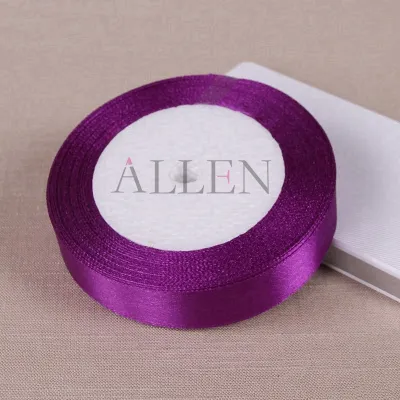
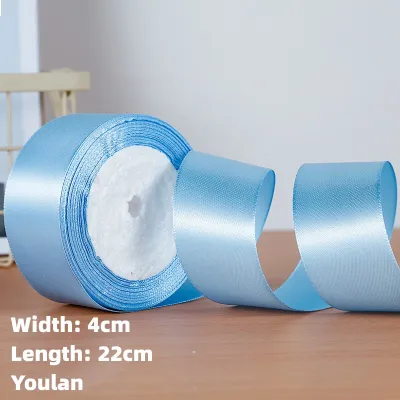
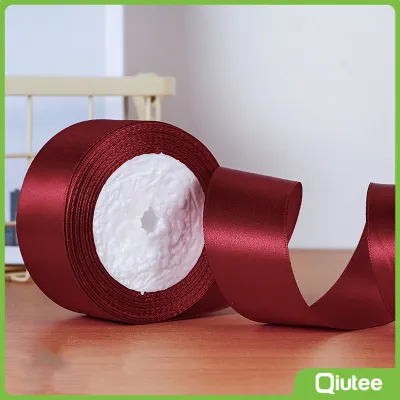
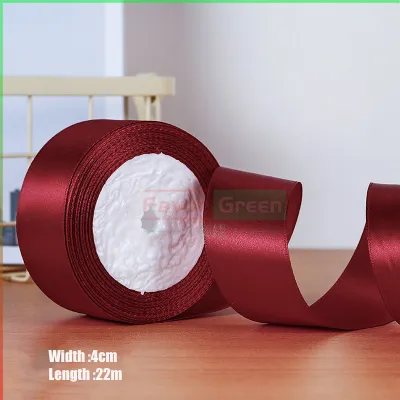
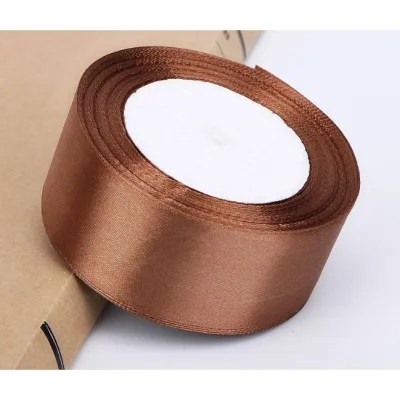
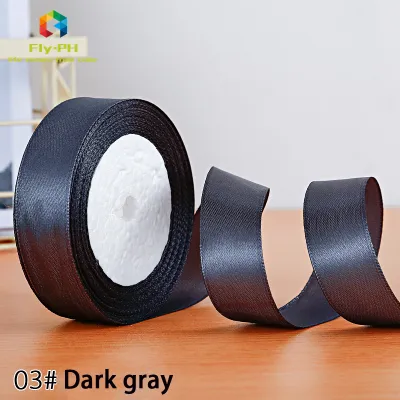
Satin ribbon is a traditional standard for formal, romantic, and classic bouquets, such as bridal arrangements featuring roses, carnations, or peonies. Its smooth, glossy surface reflects light beautifully, adding a touch of luxury that complements the soft, velvety texture of delicate petals. Double-sided satin is particularly valued because both sides display the same lustrous finish, ensuring the wrap looks flawless from every angle.
However, working with satin requires careful handling due to its slippery texture. When wrapping damp stems, satin can easily slide out of place if not anchored securely with pins or tape. Additionally, the fine weave of satin makes it highly susceptible to snagging on thorns or rough stem surfaces, so ensuring your stems are thoroughly prepped and cleaned is essential.
Another key consideration is that cut satin edges fray very easily. To maintain a clean, professional look, you must seal the ends immediately after cutting. While satin provides an elegant drape for long, cascading tails, it requires this extra preparation to prevent the ribbon from unraveling during handling.
Organza Ribbon
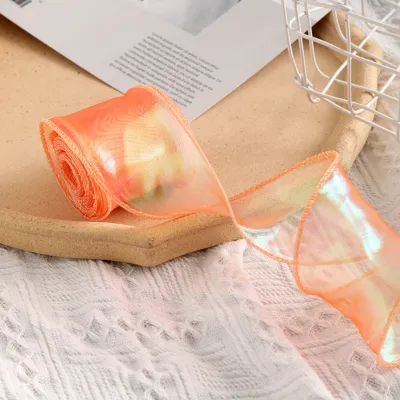
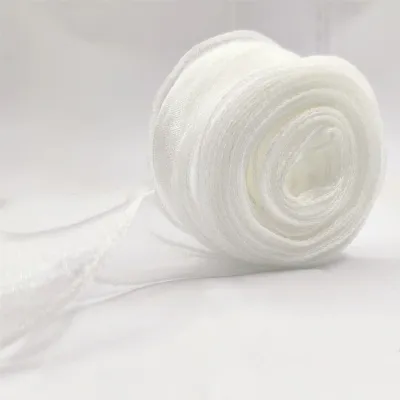
Organza ribbon is a sheer, lightweight synthetic fabric that brings a whimsical, airy quality to floral designs. It is particularly well-suited for delicate spring arrangements, pastel-colored bouquets, or light fillers like baby’s breath and local ferns. Because organza is translucent, it allows the natural green of the stems to peek through slightly, creating a soft, organic transition.
Despite its delicate appearance, organza possesses a surprising amount of body and stiffness. This unique combination of sheerness and structural integrity allows it to hold voluminous, perky bows that do not sag under their own weight. It is an excellent choice when you want to add visual volume to a bouquet without adding physical weight or clutter.
When using organza in humid environments, its synthetic fibers resist absorbing water, helping the ribbon maintain its crisp texture even when in contact with damp stems. However, because it is sheer, any adhesive, tape, or structural pins used underneath will be visible, requiring neat wrapping techniques and careful placement of fasteners.
Grosgrain Ribbon
Grosgrain ribbon is characterized by its distinct ribbed texture and matte finish, offering a contemporary and sturdy alternative to glossy ribbons. This material is highly durable and provides excellent grip, making it a favorite for modern, structured bouquets or casual, everyday arrangements. The ribbed pattern creates a slip-resistant surface that holds knots and wraps tightly against flower stems.
Because grosgrain is thicker and more substantial than satin or organza, it is highly resistant to fraying and tearing. It can withstand significant tension, allowing you to pull it tight around large, heavy stem bundles without worrying about the fabric warping or snapping. This makes it highly practical for dense hand-tied bouquets that need reliable structural support.
Aesthetically, grosgrain delivers a clean, tailored look that pairs exceptionally well with bold, graphic floral designs or modern wrapping papers. It is ideal for medium-to-large bouquets where you want the stem wrap to look deliberate, neat, and substantial, rather than purely decorative or delicate.
Burlap and Cotton Ribbons
For rustic, farmhouse, or bohemian-style bouquets, natural fiber ribbons like burlap and cotton are excellent choices. These materials feature a coarse, earthy texture that beautifully complements rugged blooms like sunflowers, succulents, proteas, and dried floral arrangements. The matte, unrefined look of natural fibers grounds the arrangement, emphasizing an organic, hand-picked aesthetic.
Burlap is exceptionally stiff and textured, which provides an excellent grip on stems but also makes it challenging to tie into tight, intricate bows. Instead of traditional bows, burlap is often used as a flat wrap around the stem handle, secured with decorative floral pins or twine. It is important to handle burlap carefully during assembly, as the loose weave tends to shed fibers and can fray rapidly if the edges are not pre-finished or secured.
Cotton ribbon, on the other hand, offers a softer, more pliable alternative to burlap while retaining a natural, matte appearance. It is easier to tie into soft, floppy bows and feels comfortable in the hand. However, because both cotton and burlap are highly absorbent natural fibers, they can wick moisture from wet stems, which may lead to dampness or staining if the stems are not thoroughly dried before wrapping.
Choosing the Right Ribbon Width and Length
Selecting the correct dimensions for your ribbon is just as important as choosing the material. The width of the ribbon should scale proportionally with the diameter of the stem bundle. For delicate, single-stem arrangements or small nosegays, a narrow ribbon measuring 6 to 15 millimeters keeps the focus on the blooms. For standard hand-tied bouquets, a medium width of 25 to 38 millimeters is highly versatile, providing clean coverage without looking bulky. Large, dramatic bridal bouquets or heavy presentation arrangements can easily accommodate wide ribbons of 50 millimeters or more to create a striking visual statement.
To determine the length of ribbon needed, consider your wrapping style. If you plan to wrap the entire stem handle from top to bottom, a helpful rule of thumb is to measure the length of the wrap area and multiply it by three to ensure complete coverage with overlapping layers. If you also want to tie a classic bow with cascading tails, you will need to add a generous amount of extra length.
For a standard bouquet with a fully wrapped handle and a medium-sized bow, preparing approximately 1.5 to 2 meters of ribbon is a safe starting point. If you prefer long, dramatic tails that drape down, plan for 2.5 to 3 meters. Always measure and cut a test piece using inexpensive twine or scrap ribbon first to verify your dimensions before cutting into your premium floral ribbon.
Tying and Securing Techniques by Fabric Type
Securing your ribbon properly ensures the bouquet remains intact throughout transport, photos, and handling. The best securing method depends heavily on the slip-resistance of the fabric you choose. Slippery materials like satin require a firm anchor; using double-sided floral tape directly on the stems before wrapping provides a tacky base that prevents the ribbon from sliding down. For highly textured fabrics like burlap or grosgrain, the natural friction of the material helps it stay in place, allowing you to secure it easily with decorative pearl-headed floral pins pushed upward into the stems at an angle.
When wrapping stems, always start from the top of the handle near the foliage and wrap downward, overlapping each turn by about half the ribbon’s width. This shingle-like pattern sheds water downward and prevents moisture from wicking upward into the main wrap. Ensure the stems are thoroughly dried with a clean towel before you begin wrapping, especially in humid tropical climates where trapped moisture can quickly degrade the ribbon or cause the stems to rot.
Finishing the ribbon tails correctly gives the bouquet a polished, professional look. For natural fibers like cotton or burlap, a sharp angled cut or a classic V-cut helps minimize fraying while adding visual interest. For synthetic ribbons like satin, organza, and grosgrain, you can use a heat-sealing technique to melt the raw edges slightly, creating a permanent, fray-proof barrier that keeps your design looking pristine.
Frequently Asked Questions (FAQ)
Can I use wired ribbon for a hand-tied bouquet?
Wired ribbon is highly effective for creating large, structured bows that hold their shape perfectly, but it is generally not recommended for wrapping the actual stem handle. The stiff wire edges can make it difficult to wrap the stems tightly and smoothly, often resulting in gaps or a bulky, uncomfortable grip for the person holding the bouquet. For the best results, use a non-wired ribbon of the same color to wrap the stem handle securely, and then attach a separate, pre-made wired bow to the front using floral wire or pins.
How do I prevent satin ribbon from fraying at the ends?
To prevent synthetic satin ribbon from fraying, the most reliable method is heat-sealing. Carefully pass the freshly cut edge of the ribbon near—but not directly into—the flame of a lighter or a heat gun for a fraction of a second; the synthetic fibers will melt slightly and fuse together to form a clean, sealed edge. Always test this on a scrap piece of ribbon first to avoid scorching the fabric. For delicate ribbons, mixed-fiber blends, or if you prefer not to use heat, applying a thin layer of clear nail polish or a specialized liquid fabric sealant along the cut edge provides an effective, non-heat alternative.
Community discussion
Share your experience or ask a question. Comments are reviewed before publication.