
Selecting the ideal ribbon for a ribbon cutting ceremony depends on the scale of your venue and the distance between your stanchions. For small, intimate openings, a ribbon width of 2 to 3 inches is standard, while grand corporate or public inaugurations require a width of 4 to 6 inches to remain highly visible in photographs. The total length is calculated by measuring the physical span of the opening and adding a 10% to 20% allowance for draping and securing the ends.
Quick Sizing Guide for Ribbon Cutting Events
Selecting the right ribbon for ribbon cutting involves balancing visual proportion with practical logistics. A ribbon that is too narrow disappears in photos, while one that is too wide can be difficult to cut cleanly.
As a general rule, the grander the venue and the larger the crowd, the wider the ribbon should be. A small neighborhood boutique opening can comfortably use a 2-inch ribbon, whereas a multi-story commercial complex requires a 4-inch or 6-inch ribbon to match the scale of the entrance.
Products mentioned in this guide
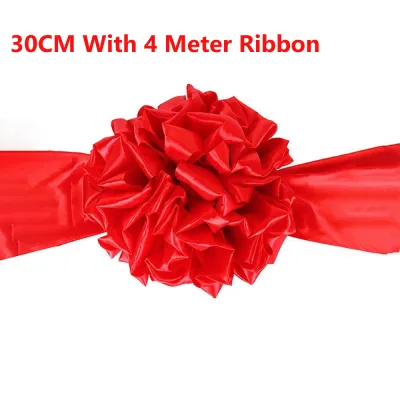
Prices are valid at publication and may change. Please refer to the product page for the latest price.
To estimate the total length, use the basic formula: Total Length = Physical Span + Securing Allowance + Drape Allowance. The physical span is the straight-line distance between your two anchor points, such as stanchions or door frames.
Environmental factors play a significant role, especially in tropical climates. High humidity or outdoor breezes can cause lightweight ribbons to twist or sag excessively. Adjusting your baseline estimates to include slightly heavier materials or shorter spans can prevent the ribbon from flapping uncontrollably during the photo opportunity.
Choosing the Right Ribbon Width for Your Event Scale
For small or informal openings, such as a local boutique, a cozy cafe, or a private office suite, a narrower ribbon is highly effective. Widths ranging from 2 to 3 inches (approximately 5 to 7.5 centimeters) maintain a clean, proportional aesthetic. Using an overly wide ribbon in a tight space can overwhelm the entryway and crowd the participants in the commemorative photos.

Medium to large corporate headquarters, public parks, or major retail outlets demand a much bolder visual statement. For these grand inaugurations, ribbon widths of 4 to 6 inches (approximately 10 to 15 centimeters) are standard. This substantial width ensures that the ribbon remains clearly visible to spectators standing at a distance and stands out sharply against large architectural backdrops.
When planning your setup, perform a visual proportion check before purchasing your materials. Stand at the estimated distance of your audience or photographer and hold up a sample strip of the ribbon. Observe how the ribbon interacts with the stanchions, the background colors, and the size of your ceremonial scissors.
Ceremonial scissors are often oversized, sometimes measuring up to 25 inches in length. A narrow ribbon can look comically small when paired with giant scissors, whereas a wider ribbon balances the dramatic scale of these specialized tools. Ensuring that the ribbon width matches the scale of the cutting tools creates a cohesive and professional visual narrative.
How to Calculate the Exact Ribbon Length Needed
To avoid the stress of a ribbon that is too short to reach your stanchions or so long that it drags on the floor, a precise calculation is essential. Begin by measuring the exact physical span between your two anchor points using a standard tape measure. Whether you are using metal stanchions, wooden posts, or existing door frames, measure from the exact points where the ribbon will be attached.
Once you have the baseline measurement, add a securing allowance to both ends. If you plan to tie the ribbon around stanchions or wrap it around decorative posts, add at least 12 to 18 inches (approximately 30 to 45 centimeters) of extra length per side. This extra material gives you enough slack to tie secure knots or wrap the ribbon neatly without pulling the main span too tight.
Next, factor in the “drop” or drape of the ribbon. A completely taut ribbon can look rigid and is often harder to cut because it is under high tension, which can cause the cut ends to snap back aggressively. A gentle, elegant drape is usually preferred; adding 5% to 10% to your physical span measurement will create a graceful curve without letting the ribbon touch the ground.
If your event design calls for a more complex visual presentation, such as a braided, layered, or multi-colored ribbon arrangement, you must adjust your calculations. Layering two different widths—such as a 2-inch satin ribbon centered over a 4-inch grosgrain ribbon—requires purchasing equal lengths of both. However, if you plan to braid multiple ribbons together, you will need to add an extra 20% to 30% to the length of each strand to account for the shortening effect of the braiding process.
Selecting Materials and Finishes for Indoor and Outdoor Venues
The venue environment dictates which ribbon materials will perform best during the ceremony. For indoor events, delicate fabrics with high sheen, such as single-sided or double-sided satin, are excellent choices. Indoor lighting reflects beautifully off satin, giving the ribbon a luminous, premium appearance that translates exceptionally well to high-resolution photography.
Outdoor ceremonies require a more durable material selection to withstand local weather conditions. In tropical climates where high humidity, sudden rain showers, or strong breezes are common, lightweight satin can easily become limp, water-spotted, or tangled. Grosgrain ribbon, with its ribbed texture and heavier weight, offers superior structural integrity outdoors, keeping the ribbon level and presentable even in humid conditions.
Evaluating the sheen and texture of your ribbon is also crucial for aligning with your brand’s visual identity. While satin offers a classic, formal shine, a matte finish like grosgrain or a rich texture like velvet can convey a modern, sophisticated, or luxurious tone. Ensure the ribbon color contrasts sharply with the background of the venue so it remains the focal point of the scene.
Before finalizing your material choice, verify its compatibility with your ceremonial scissors. Thick, heavy fabrics or ribbons with wire-reinforced edges can jam or dull the blades, leading to an embarrassing, jagged cut. Opt for unwired, high-quality polyester satin or grosgrain, which offer a clean, effortless slice when met with sharp ceremonial blades.
Setup and Cutting Tips for a Flawless Ceremony
A flawless ribbon cutting ceremony relies on careful preparation and a few practical rehearsals. Always perform a pre-cutting check by testing your ceremonial scissors on a small scrap piece of the exact ribbon you plan to use. This simple test ensures the blades are sharp enough to slice through the fabric in a single, smooth motion rather than chewing or fraying the material.
Securing the ribbon properly is key to maintaining a level and centered presentation before the VIPs arrive. Use safe, reversible attachment methods such as heavy-duty double-sided tape, hook-and-loop fasteners, or discreet zip ties hidden behind decorative bows. Avoid using permanent adhesives or damaging tacks that could ruin the venue’s stanchions or door frames.
If your ceremony involves multiple cutters, coordination is essential to ensure everyone is captured in the official photographs. Space your participants at least 3 feet (approximately 1 meter) apart along the length of the ribbon. Provide each participant with their own pair of scissors, and establish a clear verbal cue or countdown so that everyone cuts simultaneously, allowing the photographer to capture the perfect moment.
Frequently Asked Questions (FAQ)
Is standard crafting ribbon suitable for formal inaugurations?
Standard crafting ribbon, often found in small rolls at local stationery shops, is generally too narrow and lightweight for formal, large-scale inaugurations. While it may work for intimate, low-budget, or indoor DIY events, formal ceremonies benefit greatly from dedicated ceremonial ribbons. These specialized ribbons are wider, heavier, and designed to hang gracefully without curling or wrinkling under event lighting.
How can I prevent the cut ribbon edges from fraying?
To prevent the ribbon from fraying before or during the ceremony, use sharp fabric shears to make clean, diagonal cuts at the ends. For synthetic materials like polyester satin or grosgrain, you can carefully seal the raw edges using a handheld heat-sealing tool or a lighter, applying quick heat to melt the fibers slightly. Always test this method on a scrap piece first, as excessive heat can scorch or discolor the fabric.
Community discussion
Share your experience or ask a question. Comments are reviewed before publication.