
Choosing a Roblox drawing book for kids in the Philippines involves balancing their artistic skill level with the physical durability of the book itself. Whether you are planning a structured classroom art activity or looking for a screen-free weekend pastime at home, the right book keeps young artists engaged while helping them develop fine motor skills. In a tropical climate where high humidity can cause thin paper to warp or ink to feather, paying close attention to paper specifications and binding types is essential for a frustration-free experience. By understanding what to look for in terms of paper weight, binding, and content style, you can select a workbook that inspires creativity and withstands frequent use.
Key Factors to Consider When Choosing a Roblox Drawing Book
When selecting a drawing book, evaluating its physical and structural features ensures it fits the intended art activity and the child’s developmental needs. A book that is too complex can discourage a beginner, while one that is too simple might fail to challenge an older child.
First, consider age appropriateness and skill level. Younger children, typically between the ages of four and seven, benefit most from books that feature large, bold outlines and simple geometric shapes. These designs help them practice basic coloring, hand-eye coordination, and simple line tracing. Older children, from ages eight and up, generally prefer detailed step-by-step guides that teach them how to construct complex Roblox avatars, accessories, and pets using 3D perspective and shading techniques. Matching the book’s complexity to the child’s current skill level prevents frustration and encourages sustained interest.
Products mentioned in this guide
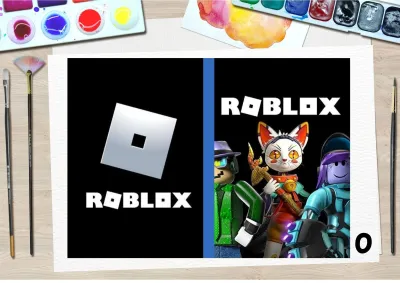
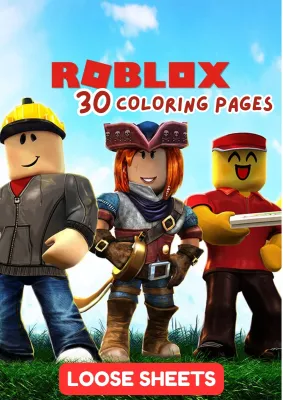
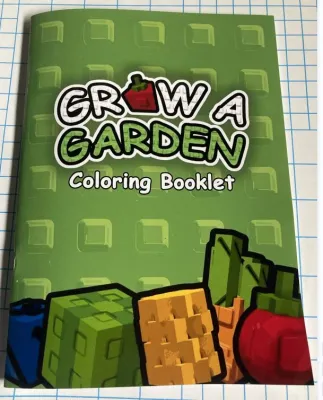
Prices are valid at publication and may change. Please refer to the product page for the latest price.
Second, examine the binding type, which directly impacts how easily a child can use the book on a flat surface. Perfect-bound books, which feature pages glued to a solid spine, are highly portable and look neat on a bookshelf, but they often resist lying flat. This requires the child to hold the pages down with one hand while drawing with the other, which can be challenging for younger artists. Spiral-bound or wire-o books lay completely flat on a school desk or dining table, providing an unobstructed drawing surface that allows the child to focus entirely on their artwork. Saddle-stitch (stapled) binding is common for slimmer activity books; while lightweight, ensure the staples are secure and rust-resistant, especially in humid tropical environments.
Third, evaluate the standard dimensions and page counts. Standard sizes like A4 or letter size provide ample space for drawing details without feeling cramped, making them ideal for classroom settings. Smaller, travel-sized workbooks are excellent for car rides or waiting areas but may limit the complexity of the art activities. A thicker book with over 100 pages offers long-term value but can be heavy to carry in a school backpack, whereas a slimmer 32-page activity book is highly portable and easier for a child to complete.
Matching Book Types to Art Activities and Skill Levels
Selecting the right format depends on the child’s artistic goals and preferred learning style. Some children thrive under structured guidance, while others prefer open-ended prompts that allow them to invent their own virtual worlds. Understanding the distinct categories of Roblox drawing books helps you select the format that best matches their creative style.

Step-by-Step Instructional Books
Step-by-step instructional books break down complex Roblox characters into simple geometric shapes like squares, cylinders, and circles. By teaching children to see the underlying structure of an avatar, these guides build foundational drawing skills that extend beyond the Roblox universe.
Look for books that feature grid layouts, which help kids understand proportions and spatial relationships by dividing the reference image into smaller, manageable squares. Tracing pages can also be highly beneficial for absolute beginners, allowing them to build muscle memory before attempting freehand sketches. It is crucial to verify that the book provides adequate blank space directly next to or below the instructions, so the child can practice immediately without needing a separate sheet of paper.
Sketchbooks with Prompts and Blank Pages
For intermediate young artists who already understand basic drawing principles, a prompt-based sketchbook offers a creative outlet to design custom avatars, unique pets, or complex obstacle courses. These books provide thematic prompts—such as designing a futuristic space suit or drawing a legendary pet—which spark imagination while leaving the execution entirely up to the child.
When evaluating these sketchbooks, check the page formats. A mix of blank pages, lined sections for writing character backstories, and lightly dotted grids is ideal. Dotted grids are particularly useful for drawing blocky Roblox structures, as they provide subtle guidelines for straight lines and perspective without cluttering the page.
Combined Activity and Sticker Books
Younger children or those who enjoy a variety of tasks often stay engaged longer with multi-activity books. These volumes combine simple drawing prompts with puzzles, mazes, color-by-number pages, and word searches, keeping the experience fresh and preventing creative fatigue.
When choosing an activity book with stickers, verify the sticker quality and purpose. Some books use stickers as part of the drawing activities, while others provide them as rewards for completing pages. In warm, humid climates, low-quality sticker adhesives can dry out or become overly gummy, so look for books that specify high-quality, easy-peel stickers that do not tear when handled by small hands.
Verifying Paper Quality and Art Tool Compatibility
The success of any art activity depends heavily on how the paper interacts with the child’s chosen drawing tools. In the Philippines, where high relative humidity is common throughout the year, paper fibers can absorb moisture from the air, making them more susceptible to tearing, pilling, and ink bleed-through. Therefore, checking the paper specifications before purchasing is a vital step.
Look for product labels or descriptions that specify the paper weight, measured in grams per square meter (GSM). Standard, budget-friendly activity books often use thin paper around 60 to 70 GSM, which is suitable only for dry media like crayons and standard colored pencils. For kids who prefer using gel pens, water-based markers, or fine-liners, look for a drawing book with a paper weight of at least 100 to 120 GSM. A matte surface finish is generally preferred for drawing, as it provides the necessary texture for colored pencils and graphite to grip, whereas glossy paper can cause ink to smudge and slide. High humidity can also soften paper fibers, meaning that frequent erasing on low-GSM paper can quickly lead to tears; using high-polymer erasers and sturdier paper helps mitigate this issue.
Before letting a child start on a main page, it is wise to conduct a simple, observable trial. Find a blank corner or an extra page at the back of the book to perform a hidden corner test. Have the child apply their preferred art tools—such as gel pens, school markers, or colored pencils—to this small area. Observe how long the ink takes to dry, whether it feathers (spreads outward along the paper fibers), or if it bleeds through to the opposite side of the page. If the ink bleeds or causes the paper to warp significantly, you will know to limit the child to dry media for that specific book.
Additionally, check if the drawing book features micro-perforated pages. Perforations allow children to cleanly tear out their completed masterpieces to display on the refrigerator, pin to a classroom bulletin board, or share with friends. This feature prevents the frustration of jagged, torn edges and keeps the book’s main binding intact, ensuring the remaining pages do not fall out over time.
Smart Shopping: Where to Buy and Pre-Purchase Checks
With the popularity of Roblox, the market features a wide variety of drawing books, ranging from officially licensed publications to unauthorized, low-quality prints. To ensure you are getting a durable product with clear, high-resolution artwork, it is important to perform a few pre-purchase checks, especially when shopping online.
First, look for official licensing indicators. Authorized Roblox books typically feature official logos, publisher marks, and copyright notices on the cover or first few pages. These licensed editions generally use higher-quality paper and professional binding standards compared to self-published or bootleg copies, which often feature pixelated images, thin paper, and weak glue that falls apart quickly.
When purchasing through local bookstore platforms or online marketplaces in the Philippines, pay close attention to seller ratings and customer feedback. Compare estimated shipping times and return policies, particularly if you are ordering books for a scheduled classroom activity or a birthday gift. Reliable sellers should have high positive ratings and a history of responsive customer service. During the rainy season, it is also beneficial to check if the seller packages books in waterproof wrapping or bubble mailers to prevent water damage during transit.
One of the most effective ways to verify a book’s quality before checkout is to review buyer-uploaded photos in the review section. Look closely at these images to check the print alignment—ensure the drawings do not run into the spine or get cut off at the edges. Examine the color accuracy; colors should be vibrant and solid, not faded or streaked. Finally, look at the binding glue in the photos; if the pages appear to be pulling away from the spine in other buyers’ pictures, it is a strong sign that the book may not withstand daily use by an active child.
Frequently Asked Questions (FAQ)
Can I use alcohol-based markers on standard Roblox drawing books?
Alcohol-based markers are generally not recommended for standard Roblox drawing books. These markers release a high volume of fast-flowing, alcohol-soluble ink designed to blend smoothly on specialized, heavy marker paper (usually 150 GSM or higher). When used on the standard 70 to 100 GSM paper typically found in children’s activity books, alcohol-based ink will almost certainly bleed through to the reverse side, ruining the drawing on the next page and potentially staining the table underneath.
If your child is determined to use alcohol markers, always place a thick sheet of scrap cardstock or a plastic protective sheet directly beneath the page they are working on to catch any bleed-through. Alternatively, encourage them to use water-based school markers, gel pens, or high-quality colored pencils, which are much gentler on standard paper weights and far less likely to bleed or feather.
Are there digital drawing alternatives for Roblox fans?
Yes, there are many digital drawing alternatives for children who enjoy designing Roblox characters. Various basic drawing applications and digital art programs are compatible with tablets and styluses, allowing kids to sketch, color, and share their custom avatar designs digitally. These digital tools offer endless color palettes and the ability to undo mistakes instantly, which can be highly appealing to tech-savvy children.
However, physical drawing books offer unique developmental benefits that digital screens cannot replicate. Working on physical paper helps children develop fine motor skills, spatial awareness, and hand-eye coordination as they learn to control the physical pressure of a pencil or crayon. Furthermore, physical drawing books provide a valuable, screen-free creative outlet, allowing kids to engage with their favorite Roblox themes while taking a healthy break from digital devices.
Community discussion
Share your experience or ask a question. Comments are reviewed before publication.