
Choosing a scoring pen requires understanding that this single term represents two entirely different tools depending on your creative medium. If you are working with paper, cardstock, or cardboard, a scoring pen is a blunt-tipped stylus designed to compress fibers so you can fold them cleanly without cracking. If you are building scale models, miniature kits, or working with hard plastics, a scoring pen—often called a scribing pen or panel liner—is a sharp, hardened steel or tungsten blade designed to carve away material to create crisp, recessed lines. Selecting the wrong tool will either slice through your delicate paper projects or leave ugly, superficial scratches across your plastic model kits.
To make an informed purchase, you must evaluate the physical properties of your crafting materials, the mechanical action required for your project, and the ergonomics of the tool itself. This guide breaks down the essential differences between paper scoring styluses and model scribing pens, helping you select the exact tool that will elevate your craft.
Understanding the Core Difference: Paper Folding vs. Model Carving
The fundamental difference between paper scoring and model scribing lies in how each tool interacts with the material’s physical structure. Paper scoring is a non-destructive process of compression. Paper is composed of interwoven cellulose fibers that naturally resist bending; folding a sheet of dry cardstock without preparation forces the outer fibers to stretch and rupture, resulting in a jagged, frayed edge. A paper scoring pen uses a smooth, rounded tip to compress these fibers along a precise line, creating a localized hinge that guides the fold naturally while keeping the outer surface completely intact.
Products mentioned in this guide
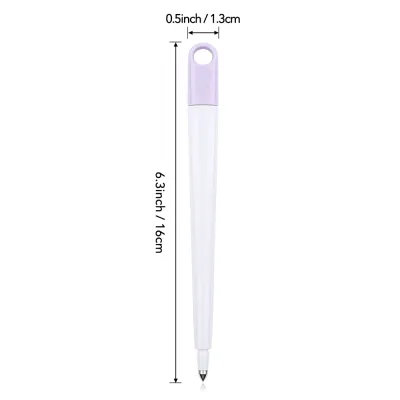
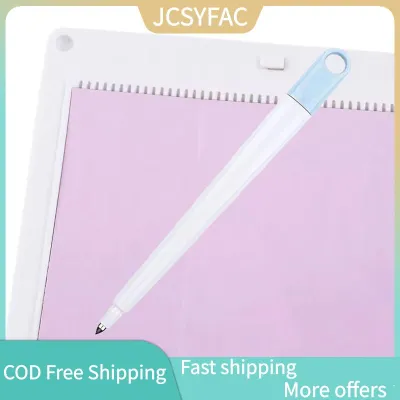
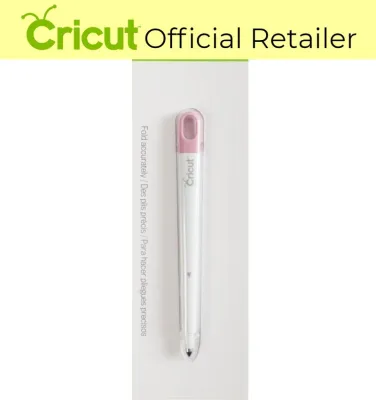
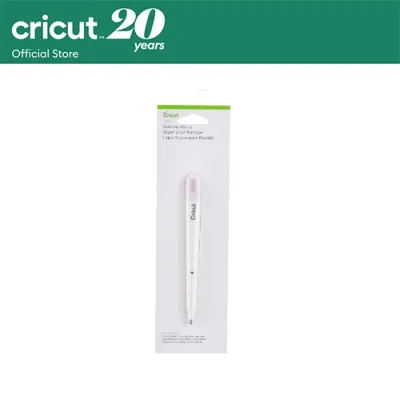
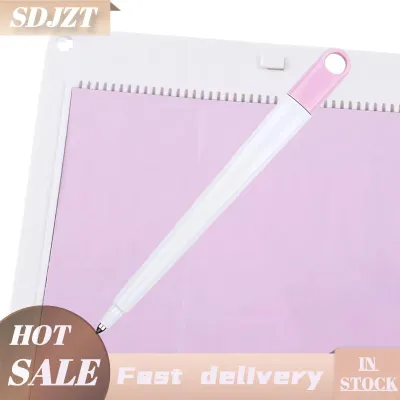
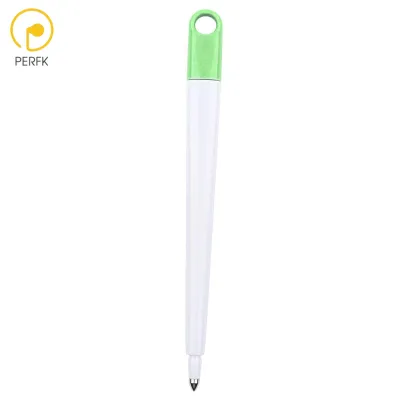
Prices are valid at publication and may change. Please refer to the product page for the latest price.
In contrast, model scoring—commonly referred to as scribing—is a destructive process of material removal. Plastic models made of polystyrene, ABS, or resin are solid, non-porous polymers that do not compress under blunt pressure. Attempting to force a groove into plastic without removing material will only cause the plastic to stress-whiten, warp, or crack. A model scoring pen features a sharp, chisel-like edge or a hardened needle point that physically shaves away a micro-ribbon of plastic, leaving a clean, recessed trench that mimics real-world panel lines or creates a clean snap point for customization.
Cross-using these tools inevitably leads to ruined projects. If you attempt to use a sharp model scribing pen on paper, the blade will slice through the delicate fibers, causing the paper to tear or fray along the fold line. Conversely, if you drag a blunt paper scoring stylus across a plastic model, the rounded tip will fail to bite into the hard polymer. The tool will skip across the surface, leaving wide, uneven scuffs and scratches that are incredibly difficult to sand out and repair.
Scoring Pens for Paper Crafting: Tip Shapes and Ergonomics
When shopping for a paper scoring pen, the shape of the tip and the design of the handle are your primary considerations. Most paper scoring pens, also known as embossing styluses, feature spherical ball-tips made of stainless steel. These tips are often dual-ended, offering two different sizes on a single handle—such as a fine 1.0mm tip on one end and a broader 2.0mm tip on the other. The spherical shape allows the tool to glide smoothly in any direction without snagging the paper grain, making it highly versatile for intricate cardmaking, scrapbooking, and 3D paper sculptures.

Another common shape is the tapered bone-folder edge, which is wide, flat, and pointed. Traditional bone folders are crafted from polished animal bone, while modern synthetic versions use Teflon or plastic. Unlike ball-tips, which compress a narrow line, a bone-folder edge allows you to apply pressure over a wider linear area, making it the preferred choice for folding long, straight lines on heavy cardstock or bookbinding boards. Teflon options are particularly valued because they glide effortlessly without leaving a shiny, burnished residue on dark or textured papers.
Ergonomics play a crucial role, especially during long crafting sessions. In tropical climates like the Philippines, high ambient humidity can make paper fibers softer and more receptive to scoring, but it also causes hands to perspire. A smooth plastic handle can easily slip under these conditions, leading to crooked lines or accidental tears. To maintain precise control, look for scoring pens featuring textured rubber grips, knurled metal barrels, or ergonomic triangular shapes that prevent the tool from rolling in your hand.
Before finalizing your purchase, verify the tool’s compatibility with your paper weight. Light papers under 120 gsm require a wider ball tip (around 1.5mm to 2.0mm) and a gentle touch to prevent the tool from breaking through the sheet. Heavy cardstock over 250 gsm or thick chipboard requires a narrower, more concentrated tip (around 1.0mm) to compress the dense, packed fibers deeply enough to facilitate a clean, crisp fold.
Scoring Pens for Model Making: Needle Types and Line Widths
Model scribing pens are precision instruments designed to carve micro-channels into hard plastics and resins. The most common varieties include push broaches, single-blade pull scribers, and tungsten steel needles. Push broaches are designed to be pushed forward to shave away material, while single-blade scribers are pulled backward along a guide template. Tungsten steel needles are highly prized for their extreme hardness, allowing them to retain a razor-sharp edge even when carving abrasive materials like polyurethane resin.
Selecting the correct line width is critical to maintaining the realistic scale of your model kit. Scribing blades are manufactured in highly precise, variable widths, typically ranging from 0.1mm to 1.0mm. For small-scale models, such as 1/144 scale sci-fi kits or 1/72 scale military aircraft, an ultra-fine line of 0.1mm to 0.15mm is necessary to keep the panel lines looking proportional. Larger 1/48 or 1/35 scale kits can accommodate wider lines of 0.2mm to 0.3mm, while heavy industrial or automotive models in 1/24 scale may require lines up to 0.5mm or wider.
The geometry of the blade and its cutting angle dictate how the tool behaves on the plastic. A high-quality scribing pen features a chisel-point geometry that cuts a flat-bottomed, square trench, which catches shadows beautifully and holds panel-lining accent washes perfectly. The angle of the cutting face must be held consistently—usually between 45 and 60 degrees relative to the surface—to prevent the blade from digging too deep or wandering off your guide ruler. Because tungsten carbide is incredibly hard, it is also brittle; applying sideways pressure or dropping the tool can easily chip the delicate tip.
Matching the Tool to Your Project Material
To choose the right scoring pen, you must align the tool’s physical properties with the characteristics of your crafting medium. Porous, fibrous, and flexible materials like paper, cardstock, vellum, and thin leather require a smooth, non-cutting interface. The goal is to displace and compress the material’s internal structure without severing it. For these materials, stainless steel ball styluses or polished bone folders are the only appropriate choices, as they glide over the surface without snagging or tearing the delicate fibers.
Hard, non-porous, and brittle materials like polystyrene, ABS plastic, acrylic, and polyurethane resin require a hardened cutting edge. These materials resist compression, meaning any attempt to force a line without removing material will result in surface deformation, stress-whitening, or chipping. Hardened carbon steel or tungsten carbide scribing pens are essential here, as they cleanly shave away the polymer to create a micro-channel. Resin is particularly brittle, requiring very light, repeated passes with a sharp scriber rather than a single heavy stroke, which could cause the edges of the line to chip and crumble.
For crafters who engage in mixed-media projects—such as combining papercraft elements with plastic armatures or adding photo-etched metal details to scale models—investing in a modular handle system is highly efficient. Many precision hobby handles feature interchangeable chucks that can accept both blunt embossing styluses and sharp scribing blades. This allows you to use a single, high-quality, ergonomic handle for all your projects, simply swapping out the tips as you transition between different materials.
Pre-Purchase Checklist: What to Verify Before Checkout
Before purchasing a scoring pen from an online marketplace or local craft store, you should verify several key specifications to ensure long-term usability and value. First, check the replaceability of the tips. Scribing needles and fine blades are fragile; a single accidental drop onto a hard floor can bend or snap a 0.15mm tungsten tip. Choosing a pen system that allows you to purchase and swap out individual replacement blades is far more cost-effective than buying an entirely new pen handle every time a tip is damaged. While basic paper styluses are highly affordable, professional-grade tungsten scribing pens represent a larger investment, often ranging from ₱300 to over ₱1,500 depending on the blade quality.
Second, verify the necessity of compatible accessories. A scoring pen cannot function effectively in isolation. For paper crafting, you will achieve the best results by pairing your scoring stylus with a dedicated scoring board—a plastic board featuring pre-measured, parallel grooves—or a thick, self-healing cutting mat and a heavy metal ruler with a non-slip backing. For model making, you will need specialized scribing tape, which is a thick, rigid adhesive tape that acts as a physical guide rail to prevent your blade from slipping and scratching the model’s surface.
Finally, review the manufacturer’s care and maintenance instructions. Plastic and resin shavings, known as swarf, will quickly clog the fine cutting face of a scribing pen, reducing its cutting efficiency and causing it to slip. Verify that you have a safe method to clean the tip, such as brushing it gently with a soft-bristled toothbrush or wiping it with a microfiber cloth. For paper styluses, ensure the metal ball is kept clean of adhesive residue from double-sided tapes, which can drag on your paper and cause unexpected tears. Always store sharp scribing pens with their protective caps securely in place to prevent accidental injury and protect the delicate tips from impact damage.
Frequently Asked Questions (FAQ)
Can I use a paper scoring stylus on plastic model kits?
No, you should not use a paper scoring stylus on plastic model kits. A paper scoring stylus features a blunt, rounded metal tip designed to compress soft paper fibers. Because plastic is a hard, non-porous polymer, it cannot be compressed in this manner. Dragging a blunt stylus across plastic will not carve a clean line; instead, the tool will slip off course, leaving wide, uneven scuffs and scratches on the surface. Furthermore, because a blunt stylus does not remove material, it cannot create the clean, deep channels required to hold panel-lining washes or to establish a structural weakness for snapping plastic parts.
How do I maintain the sharpness of a model scribing pen?
To maintain the sharpness of a model scribing pen, always store the tool with its protective cap on or inside a dedicated, padded storage case to prevent the delicate tip from hitting other tools or hard surfaces. Avoid applying excessive downward or sideways pressure while scribing, as this can chip or dull the hardened steel or tungsten carbide edge; instead, let the weight of the tool and light, repeated passes do the cutting. Finally, regularly clear away accumulated plastic and resin dust from the cutting face using a soft-bristled toothbrush or a blast of compressed air, avoiding abrasive materials that could dull the precision edge.
Community discussion
Share your experience or ask a question. Comments are reviewed before publication.