
Choosing the right scrapbook materials set is the key to a rewarding and frustration-free crafting experience. A proper match ensures you do not waste money on overly complex tools you cannot use, or low-quality papers that degrade your photos over time. By matching your current technical skills and the specific format of your project to the contents of a pre-curated set, you can streamline your creative process and focus on preserving your favorite memories.
Understanding What Goes Into a Scrapbook Set
A standard scrapbook materials set is a curated collection designed to simplify the creative process. Typically, these bundles include patterned papers, solid cardstock, various embellishments like stickers and die-cuts, and occasionally basic tools like tape runners or tweezers. Purchasing a pre-curated set saves significant time because professional designers have already coordinated the color palettes and thematic elements, ensuring visual harmony across your pages.
However, before purchasing, you must check the contents list to ensure the materials align with your current crafting ability and the specific goals of your project. The right set prevents beginners from feeling overwhelmed by complex techniques and ensures advanced crafters are not limited by basic materials. Evaluating these sets beforehand helps you invest in supplies that you will actually use.
Products mentioned in this guide
![ENWEI 52 Pcs [English Alphabet Series] Vintage Journal Stickers Washi Paper Sticker Paper Scrapbooking Material Scrapbook Kit](https://img.lazcdn.com/g/p/be17faf11df226b0a05f9927bff90e50.jpg_400x400q80.jpg_.webp)
![ENWEI 40 Pcs [Hanano Canto Series] Vintage Base Journal Material Paper Multiple materials Deco Paper Scrapbooking Sticker Scrapbook Kit](https://img.lazcdn.com/g/p/d49564fdd2ed2d5a1c1c8037abe3ff68.jpg_400x400q80.jpg_.webp)
![ENWEI 16 Pcs [Hollow Mesh Series] Lovely Journal Material Paper Multiple Materials Deco Paper Scrapbooking Sticker Scrapbook Kit](https://img.lazcdn.com/g/p/9ce4acc63b20d805edc518051425c8cb.jpg_400x400q80.jpg_.webp)
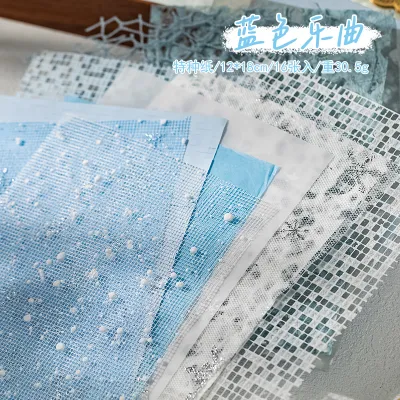
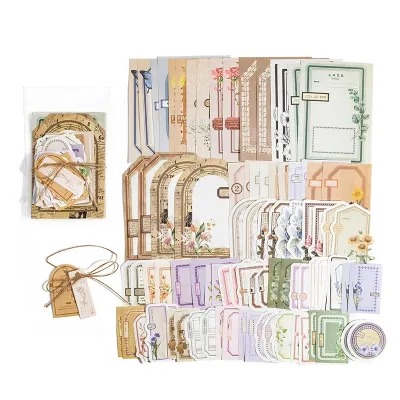
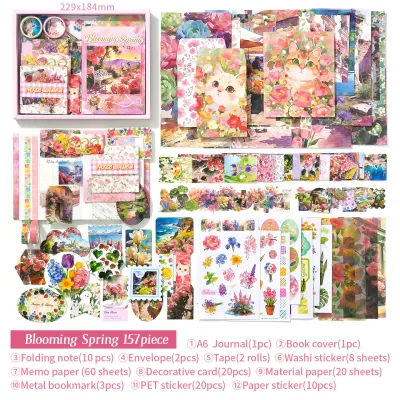
Prices are valid at publication and may change. Please refer to the product page for the latest price.
Assessing Your Scrapbooking Skill Level
Beginner: Prioritizing Simplicity and Guidance
If you are new to the craft, look for all-in-one kits that prioritize simplicity and ease of use. These kits typically feature pre-cut or pre-scored papers, flat sticker sheets, and easy-to-use double-sided tape runners. They remove the need for complex, unbundled tools like manual die-cut machines, intricate stamping blocks, or heavy mixed-media pastes that require a high learning curve.

Beginners should prioritize sets that include visual guides, layout templates, or inspiration cards. These guides provide a clear roadmap, helping you build confidence and learn basic composition without the anxiety of starting from a blank page. Budget-friendly starter sets, often priced under ₱500, are excellent for testing your interest in the hobby without a heavy financial commitment.
Intermediate: Exploring Themes and Layering
Intermediate crafters are ready to move beyond basic layouts and experiment with creative depth. At this stage, look for themed paper pads paired with coordinating embellishment kits, die-cuts, rub-on transfers, and dimensional chipboard elements. These sets allow you to practice balancing busy patterns with solid background elements, expanding your design skills.
At this level, you will need a wider variety of adhesives to achieve different effects, such as foam tape for creating 3D layering and precision glue pens for securing small, intricate paper cuts. These themed collection bundles typically range from ₱800 to ₱1,800. When using included stamp sets, always conduct a quick test on a scrap piece of paper to check the ink’s drying speed and bleed resistance, as these properties vary depending on the paper and ink combination.
Advanced: Sourcing Archival and Mixed Media Components
Advanced crafters require high-quality, specialized materials that can withstand complex artistic techniques. Look for sets featuring strictly acid-free and lignin-free archival papers, heavy-duty texture pastes, specialized pigment ink pads, and premium embellishments made of metal, wood, or fabric. These premium curated mixed-media sets can range from ₱2,500 to ₱5,000 and are designed for durability.
Advanced sets are typically modular, focusing on specific textures or tools rather than generic starter supplies. It is vital to check the manufacturer’s technical specifications for archival safety and material longevity, especially when combining wet media like acrylics, gesso, or solvent-based sprays. Advanced crafters benefit most from choosing sets that allow them to integrate their existing toolkits, such as specialized scoring boards or die-cutting machines.
Matching Materials to Your Scrapbook Project Type
Memory Keeping and Family Albums
When creating long-term family albums, preservation is your absolute priority. Materials must be certified acid-free and photo-safe to prevent the paper from yellowing and the physical photographs from degrading over time. Look for sets that include dedicated journaling cards, photo corners, and classic, neutral color schemes that highlight your photos rather than distracting from them.
Ensure the set provides plenty of solid, high-quality cardstock to write down names, dates, and personal stories that accompany the images. The binding style of the album—whether post-bound, spiral, or ring-bound—should also guide your choice, as some paper sets come pre-punched to fit specific album configurations. Always verify that the paper dimensions match your physical album sleeves.
Travel and Adventure Journals
Travel journals document active, on-the-go experiences and require a different set of materials. Look for sets featuring geographic patterns, vintage map designs, ticket stub replicas, passport stamps, and built-in pockets. Portability is key, so smaller formats like 8×8 inches or A5 traveler’s notebook sizes are highly recommended over traditional 12×12-inch formats.
These sets should also include interactive elements like small envelopes, fold-out flaps, and glassine pockets. These features allow you to safely house physical memorabilia such as transit tickets, museum passes, receipts, and pressed leaves. Choosing a set with a durable, flexible cover ensures your journal can withstand being packed and unpacked repeatedly during your travels.
Junk Journaling and Mixed Media
Junk journaling embraces a rustic, vintage, and highly textured aesthetic. Look for sets that bundle heavy kraft paper, tea-stained ephemera, lace trims, wax seal kits, and distress ink pads. Because these journals incorporate bulky, heavy items like fabric scraps, ribbons, and metal charms, standard tape runners will not suffice; you will need heavy-duty liquid glues or high-tack double-sided red line tape.
Ensure the papers in the set have a high weight (GSM) to prevent warping when applying wet media like watercolor washes, coffee stains, or heavy acrylic gesso. Mixed-media sets should also feature papers with high bleed resistance to ensure that heavy inks and paints do not seep through to the other side of the page, ruining subsequent layouts.
Key Components to Check Before Buying a Set
Paper Quality, Weight, and Sizing
Scrapbook papers come in several standard dimensions, with 12×12 inches being the standard for traditional albums, and 8×8 inches or A5 being popular for smaller journals. Before buying, verify that the paper size fits your planned album’s binding style. Pay close attention to the paper weight, measured in grams per square meter (GSM). Heavier cardstock (200 GSM or higher) is essential for page bases to support the weight of photos and layers, while lighter patterned papers (120 to 160 GSM) are ideal for folding, tearing, and layering.
Because smoothness, bleed resistance, drying speed, water resistance, and erasability depend heavily on the exact combination of paper and ink you use, always perform a trial test. Take a small scrap piece of the set’s paper and test your pens, stamps, or markers on it. Check how quickly the ink dries to avoid smudging, and look at the reverse side of the paper to ensure the ink does not bleed through before you apply it to your main layout. Always check the product description or physical label for “acid-free” and “lignin-free” certifications to guarantee your work lasts for decades.
Adhesives and Embellishments
Different projects require different adhesive types. Permanent tape runners are excellent for flat paper layering because they apply dry and do not warp the paper, whereas liquid craft glue is necessary for porous, heavy, or irregular embellishments. Foam squares are perfect for creating physical depth and shadows between paper layers. When evaluating embellishments, check that the stickers, enamel dots, and die-cuts match the paper’s theme and color palette to ensure a cohesive look.
Avoid sets that rely heavily on cheap, paper-thin stickers, as their low-grade adhesive is prone to peeling off over time, especially in warm environments. Look for sets that offer a diverse mix of textures, such as wood veneers, metal brads, and fabric ribbons, which add tactile interest to your pages. Checking the quality of the adhesive backing on self-adhesive embellishments can save you the hassle of reapplying glue later.
Tools and Accessories
Many scrapbook sets include basic tools like small paper trimmers, bone folders, or precision tweezers. For beginners, these basic plastic tools are a great way to start, but be prepared to upgrade to professional-grade steel blades and ergonomic tools as your skills progress. Advanced sets may include specialized accessories like scoring boards, acrylic stamping blocks, or stencils.
When using sets that include sharp tools like precision craft knives, heavy-duty paper trimmers, or strong chemical solvents in adhesives, always prioritize safety. Read the manufacturer’s safety labels carefully, work in a well-ventilated space if using solvent-based glues, and store all sharp blades and chemical products securely out of reach of children. Always read the product details carefully to verify if the set requires additional, unbundled equipment—such as a specific manual die-cutting machine—to fully utilize all the included materials.
Recommended Scrapbook Set Profiles by Skill Level
The All-in-One Starter Kit (Ideal for Beginners)
- What it includes: This profile typically bundles pre-scored album pages, basic patterned sheets, flat sticker sheets, and a simple double-sided tape runner.
- Why it works: It completely eliminates decision fatigue and the anxiety of matching colors. Everything is pre-coordinated by design professionals, allowing a beginner to complete a beautiful page layout in under an hour.
- Limitations: It offers very little creative flexibility. The paper weight is often on the lower end (around 120-150 GSM), and the included plastic tools will eventually need to be upgraded for more advanced projects.
The Themed Collection Bundle (Ideal for Intermediate Crafters)
- What it includes: This set usually features a coordinated 12×12-inch paper pad, matching die-cut ephemera packs, dimensional chipboard stickers, and a small themed stamp set.
- Why it works: It provides a highly cohesive aesthetic theme while giving the crafter full creative freedom to design custom layouts and practice advanced layering techniques.
- Limitations: It rarely includes basic tools like paper trimmers, scissors, or a comprehensive selection of adhesives, meaning you must already own or separately purchase these essential supplies.
The Curated Texture and Tool Set (Ideal for Advanced/Mixed Media)
- What it includes: This premium set features heavyweight mixed-media cardstock (250+ GSM), specialized texture pastes, distress ink pads, metal charms, and precision metal tweezers.
- Why it works: It is designed specifically for complex artistic techniques like stenciling, heat embossing, and heavy mixed-media layering. The materials are of archival-grade quality, ensuring maximum durability.
- Limitations: It has a steep learning curve and requires a larger upfront financial investment. It is not suitable for quick, simple layouts and assumes the user already possesses advanced crafting skills.
Shopping and Storage Tips for Tropical Climates
Crafters in the Philippines face unique environmental challenges due to high relative humidity, which often exceeds 80%. This moisture poses a severe threat to paper fibers and adhesives, causing paper to absorb water, curl, warp, and become highly susceptible to mold and mildew growth. Understanding how to protect your investment is crucial for preserving your scrapbooks.
Liquid adhesives dry significantly slower in high humidity and can cause thin papers to warp dramatically as they dry. To prevent this, opt for high-quality permanent tape runners or specialized quick-drying, low-water-content glue pens, and avoid using cheap liquid white glues for large paper surfaces. If you must use liquid glue, apply it sparingly with a brush to ensure even distribution and minimize warping.
Always store your unused paper sets, stickers, and completed scrapbook albums in airtight plastic storage containers. Place several silica gel packets inside each box to actively absorb ambient moisture, and store these containers in a cool, dry room away from direct sunlight and damp walls. Avoid storing your supplies in cardboard boxes, as cardboard absorbs moisture and can attract pests like silverfish that feed on paper and glue.
When purchasing scrapbook sets from online marketplaces, pay close attention to seller ratings and read customer reviews regarding packaging. Ensure the seller wraps paper products in waterproof plastic sleeves or bubble wrap before shipping to protect your materials from water damage during transit, particularly during the wet monsoon season. Investing in a highly rated seller who prioritizes secure, moisture-proof packaging ensures your supplies arrive in pristine, usable condition.
Frequently Asked Questions (FAQ)
Can I use regular printer paper for scrapbooking?
No, standard printer or copy paper is too thin (typically 70-80 GSM) and will warp, tear, or bleed when exposed to adhesives and inks. Furthermore, it is not acid-free or lignin-free, meaning it will turn yellow and brittle over time, eventually causing permanent chemical damage to your photographs.
Is it cheaper to buy a set or individual supplies?
For beginners and themed projects, buying a pre-curated set is much more cost-effective because it bundles matching items at a discounted package price. However, advanced crafters who only require specific high-quality tools or specialized archival cardstock will save money by purchasing individual items to avoid paying for unused materials.
How do I store leftover materials from a set?
Store leftover papers, stickers, and die-cuts in clear, acid-free plastic sleeves or resealable zip-top bags. Group them by color or theme, and add a small silica gel packet inside each bag to protect the adhesive backing and paper fibers from tropical humidity.
Community discussion
Share your experience or ask a question. Comments are reviewed before publication.